
Check scam losses top $3 million stolen from Columbus businesses and residents
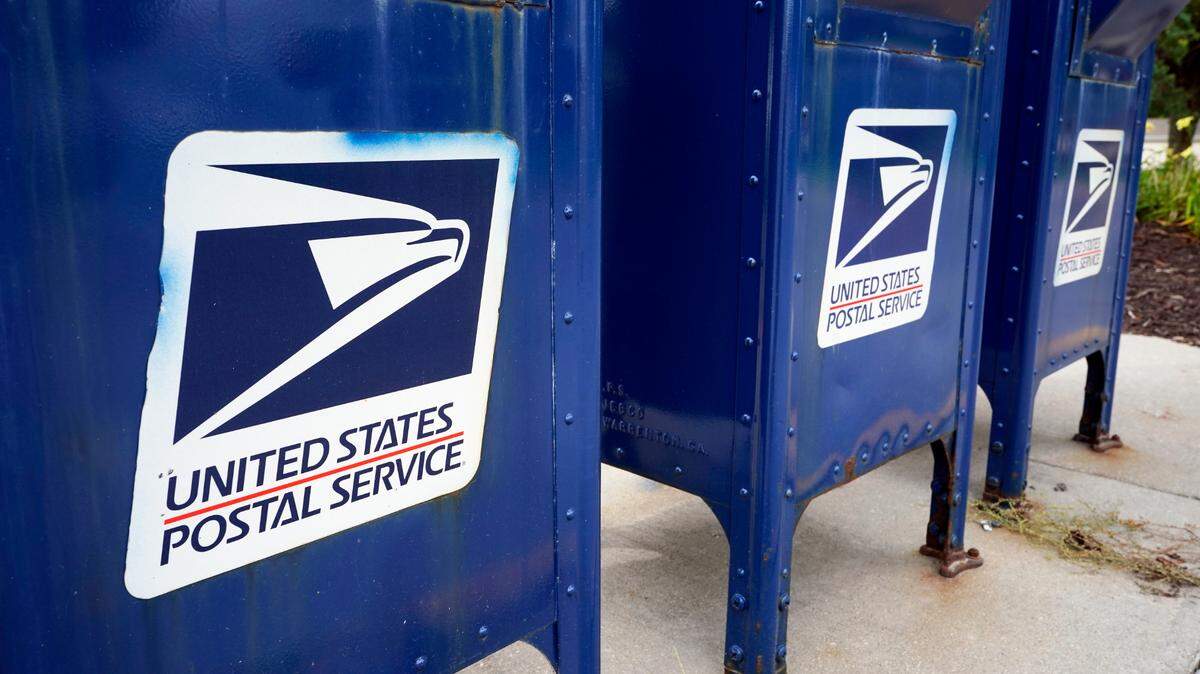
A check for $37,000 was stolen from a USPS blue mailbox recently. Thieves “washed” and altered it and then deposited it in an ATM in Stonecrest. It was just one in a mounting series of criminal transactions that has reached new heights for the Columbus police and impacted multiple area businesses and residents.
In fact, Columbus Police say that approximately $3.2 million has been stolen from local Columbus businesses and private citizens in reported check scams in 2022, apparently a larger haul for the scammers last year in what has become a regular criminal enterprise.
“There are lots of small businesses here in town that are being victimized. I’ve got churches that are being victimized,” said Sgt. Jane Edenfield of the Columbus Police Department. “They do not discriminate when it comes to the account and routing number they’re using.”
She said approximately 170 cases of these check scams can be traced back to stolen checks from the Postal Service with a majority originating from blue mailbox thefts last year.
While this crime has been on the radar of police for some years, the numbers in 2022 seemed to be higher, according to Edenfield. “We’ve made lots of arrests. We have lots of warrants, it’s just that lucrative.”
How the scam works
Edenfield says that a majority of these crimes in the area occur from people stealing checks from blue mail drop boxes that suspects open either through force or stolen master keys. They then take the routing number from the check and create new fraudulent checks that they then deposit into bank accounts, Edenfield explained.
The key to a successful fraud is what comes next, Edenfield said. The thieves apply a practice known as “card cracking. ” The suspects use social media to ask people for access to their bank accounts for a monetary kickback after they deposit the check and withdraw the money from that person’s account.
Edenfield says people can avoid this by taking their checks into the post office, delivering checks to vendors in person and paying employees through direct deposit instead of checks.
Accomplices out for cash face jail
While this crime wouldn’t be possible without the theft of the checks, willing accomplices who allow those who stole the checks to use their bank accounts to cash them face criminal prosecution, say police.
Those who willingly give up their bank account information for these checks to be deposited can face jail time. CPD said it has arrested people for their roles in the scam.
“Quit giving up your bank account information for fraudulent checks to go through it, because I will put you in jail,” said Edenfield.
This fraud scheme typically recruits younger people between 19 and 25 to help aide in this crime, according to the American Bankers Association. Once the checks have been stolen, the suspects typically reach out to strangers who are often college students, newly enlisted military members and single parents are prime targets.
These accomplices then give access to their bank accounts to those with the fraudulent checks so the fraudulent check holder can then deposit and withdraw the money from said bank account. This keeps the fraudulent check holder from being directly linked to the deposit of the money.
Those that allow these fraudulent check holders to use their bank accounts then typically receive a monetary kickback for allowing the criminals to use their accounts. The account holder will then typically report their account as being hacked to their bank.
The ABA suggests the following to avoid having your bank account used and avoid being an accomplice to these crimes: