
Ex-restaurateur called back to Columbus court in restroom video case, April trial possible
The co-owner accused of illegally recording coworkers and customers in the restroom of The Animal Farm restaurant in downtown Columbus has been called back to court because of complaints about his release on bond.
The case is raising questions not only about the terms of Dennis Cleveland “Landon” Thompson’s bond conditions, but how the restroom video evidence would be presented to a jury, were the case to go to trial this spring.
Arrested Sept. 28 on 23 charges, Thompson last had a bond hearing Nov. 15, when relatives testified that they expected him to stay in Harris County to work on family property if released from jail. They also promised to monitor Thompson while he was free.
“He will never be alone,” an uncle said.
After hearing that testimony, Superior Court Judge Ben Richardson set bonds totaling $96,500 on 11 counts of unlawful eavesdropping or surveillance, and six counts each of child sexual exploitation and of illegally installing recording devices.
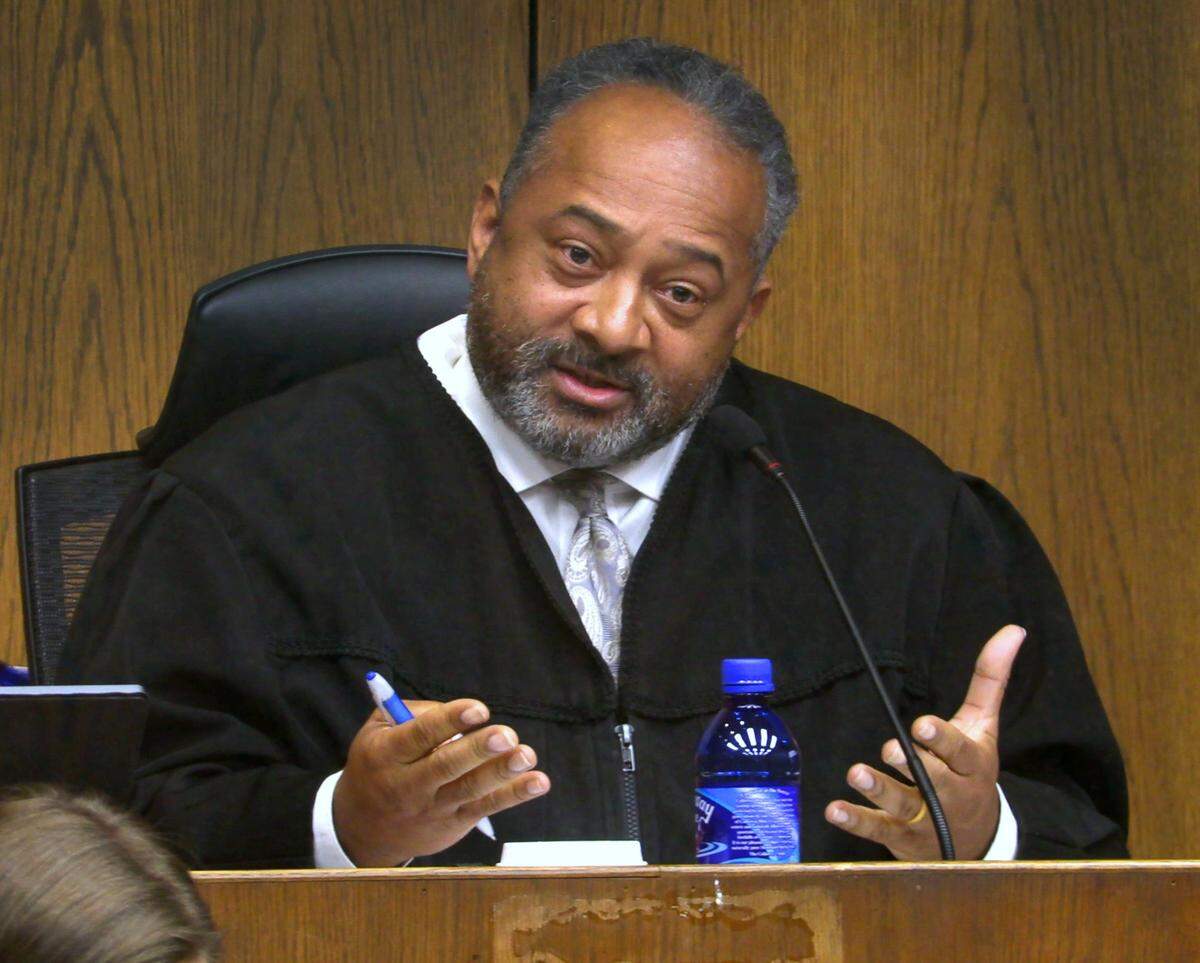
Richardson issued the order setting Thompson’s bond conditions on Dec. 16, and Thompson was freed on Dec. 19, according to court and jail records.
The prosecutor in Thompson’s case, Assistant District Attorney George Lipscomb, said he left for vacation over Christmas and returned Dec. 27 to find his phone was “already full of messages” that Thompson had been seen in Columbus.
Two police officers also called, questioning whether Thompson was allowed to be here, Lipscomb said.
Thompson’s defense attorney, William Kendrick, said his client has not violated the bond conditions Judge Richardson set because the judge did not confine him to Harris County.
He said Thompson wears an ankle monitor and has a 7 a.m. to 7 p.m. curfew, when he must be at home on Dogwood Way in Pine Mountain. But he’s not required to be there otherwise, as evidenced by the curfew itself, Kendrick said: “If you’re home-confined, you don’t need a curfew.”
Other conditions Richardson set include Thompson’s having “absolutely no contact of any kind” with witnesses or their families, and not leaving the six-county Chattahoochee Judicial Circuit that besides Muscogee includes Harris, Chattahoochee, Talbot, Taylor and Marion. Thompson already was banned from going to the restaurant at 105 12th St., where he worked as a chef.
At Thompson’s first bond hearing in October, former coworkers testified they feared he could be a threat to them, alleging he had used drugs and brought firearms to the business, once accidentally shooting himself there.
Thompson’s bond order prohibited him from carrying a weapon or being near one in a residence.
Lipscomb has not asked Richardson to revoke Thompson’s bond, which would return him to jail. Both Lipscomb and Kendrick said no one reporting Thompson’s visits to Columbus has alleged he tried to approach or otherwise contact a witness.
The attorneys also said that nothing in Richardson’s bond order specifically prohibits Thompson’s coming here, beyond the curfew hours. Kendrick said the judge set those conditions after he and Lipscomb each sent a proposed court order, from which Richardson drew up the order he issued.
“When I got the order, I just read it for what it was,” Kendrick said.
He said Thompson had to return to Columbus partly because he sold a home here and had to clear out his belongings and attend the closing.
Because of the complaints, Richardson is calling Thompson and the attorneys back to court on Jan. 27, to clarify any ambiguity in the bond conditions, Lipscomb said.
Trial as early as April
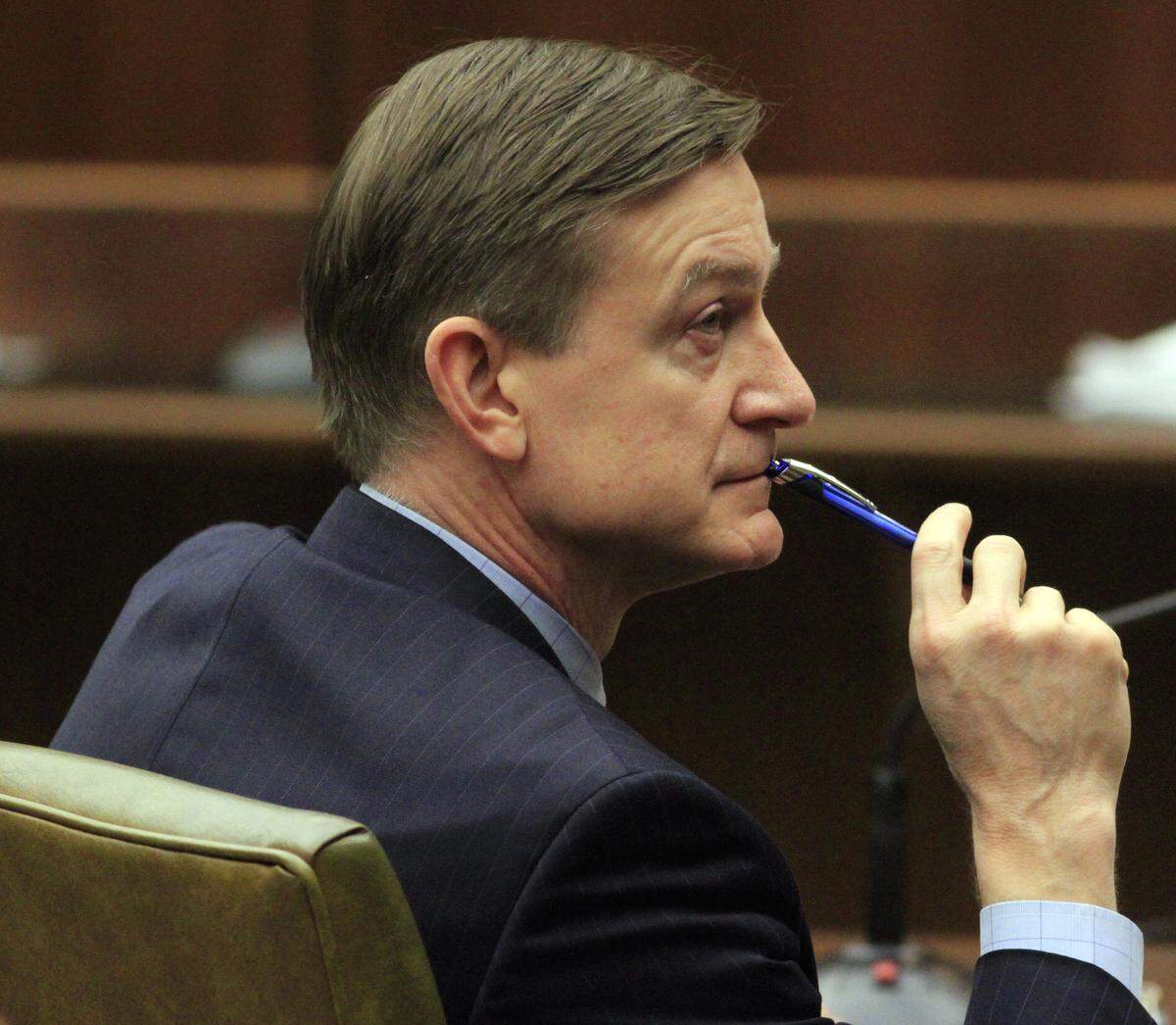
Lipscomb said Friday that he expects to have Thompson’s case ready for trial, after he is indicted, possibly as early as April.
He said Columbus police completed their investigation Dec. 29, and their findings were turned over to an investigator with the district attorney’s office Jan. 2.
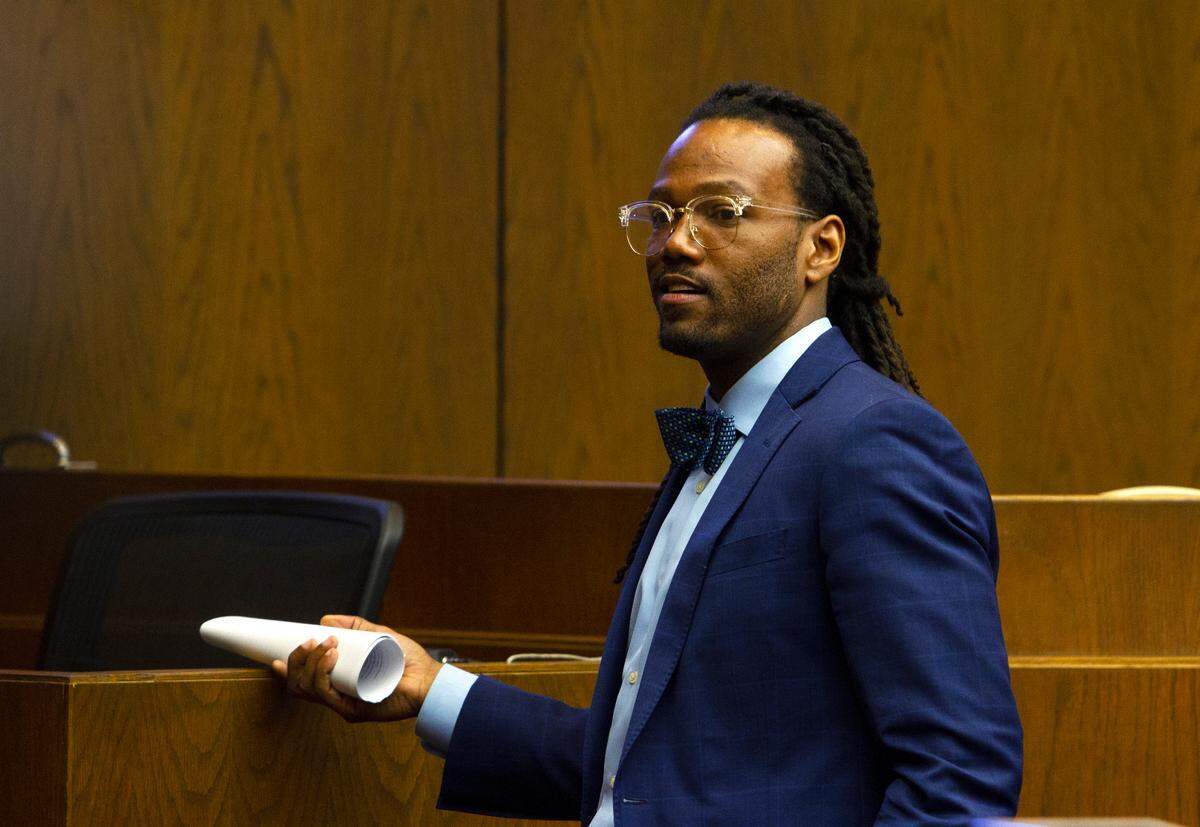
Kendrick said Friday that until the prosecution’s evidence is shared with the defense during discovery, he can’t say whether he would take the case to trial before a jury. “Right now, it’s too early to call it,” he said.
If it goes to trial, will jurors have to see the restroom videos?
“That’s a good question,” Lipscomb said. “I would think they would.” But he was not sure how the court would deal with that: “This is something new to me,” he said.
So far the case involves 14 identified victims, one a man and the rest women and children, he said. Typically, to authenticate the video evidence, not only would it have to be shown to the jury in an open courtroom, but those depicted would have to take the witness stand to testify that they were the people recorded, he said.
Said Kendrick: “I think it would be very, very tricky.”
Both he and Lipscomb said trial courts have had to deal with other graphic images, and often prosecutors and defense attorneys come to some agreement on how to avoid traumatizing witnesses and prejudicing juries against defendants.
Lipscomb said the courts have had to review “horrendous photos” in cases that were particularly violent. Kendrick described them as “pictures that were a little much.”
He said the attorneys likely would look for the “least offensive” images to use. Lipscomb said they also could decide to obscure graphic portions of any video presented.
Columbus police in November said they still wanted to hear from anyone who may have been recorded in the restaurant restrooms, to identify other victims. Lipscomb said that no longer is necessary, now that police have turned their investigation over to the DA.
This story was originally published January 17, 2023 at 5:00 AM.