Can analyzing Twitter help fight coronavirus? CSU professor’s study will find out
A Columbus State University faculty member is using a National Science Foundation grant to conduct a study related to the coronavirus pandemic.
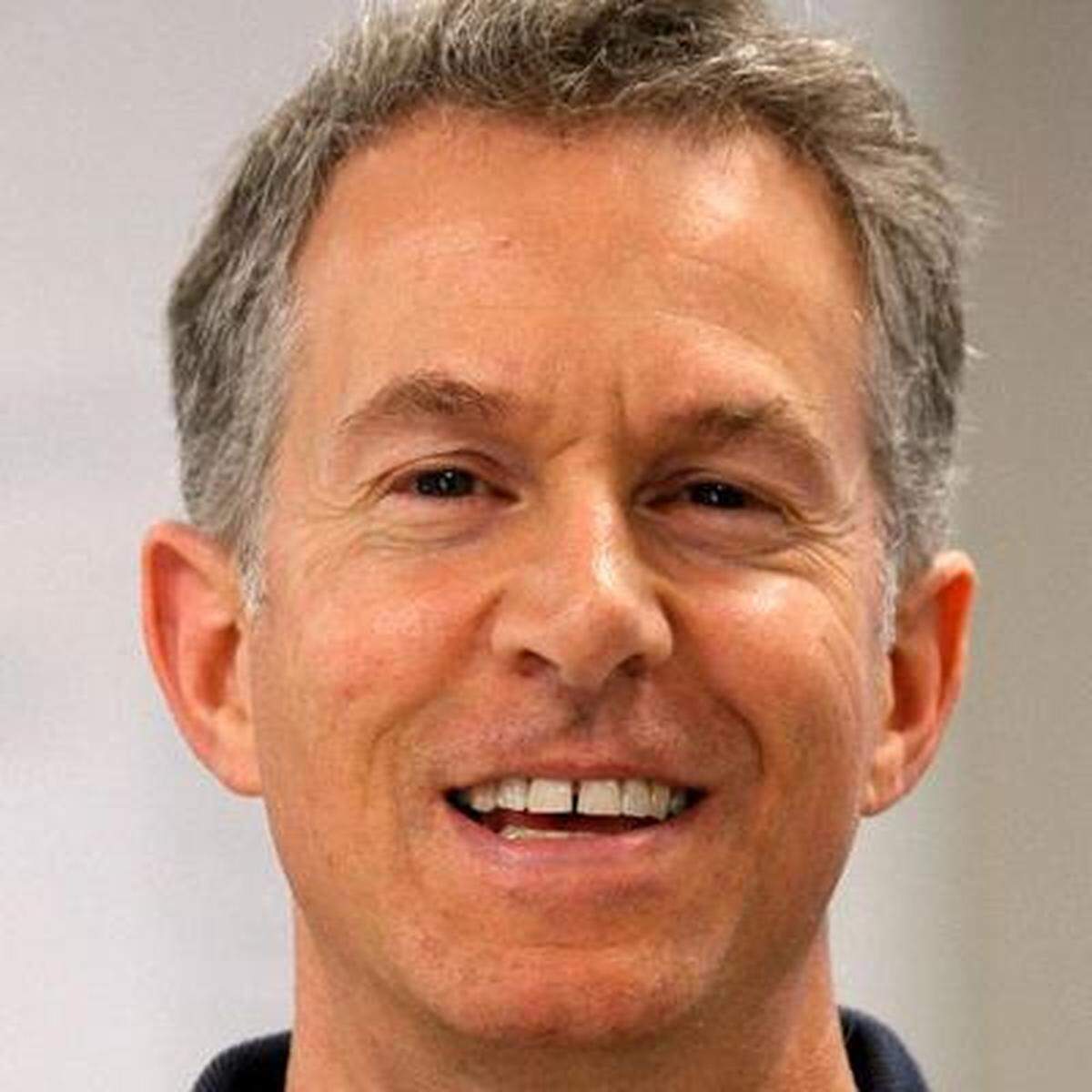
CSU assistant professor of computer science Anastasia Angelopoulou is collaborating with Konstantinos Mykoniatis and Alice Smith of Auburn University to measure public compliance with mitigation strategies and health guidelines, such as social distancing, stay-at-home orders, quarantines, mask wearing and hand washing.
NSF awarded $13,400 to Angelopoulou and a total of $141,527 to the Auburn du .
“I was very excited and honored to receive the grant and contribute to the research about COVID-19,” Angelopoulou told the Ledger-Enquirer in an emailed interview.
They use data from Twitter to conduct the one-year study, which started May 15, 2020 and will end April 30, 2021.
“The study will only focus on Twitter at the moment because Twitter is one of the most popular social media platforms that people use to express thoughts and opinions in different ways,” Angelopoulou said. “Millions of tweets are posted daily so we can collect and analyze large volumes of data.”
Through machine learning, they analyze trending hashtags related to COVID-19 and recommendations from public health agencies. The data is grouped by demographics, location and time.
“We will characterize the content of these tweets in terms of indications of agreement, rejection or skepticism regarding recommended mitigation actions and opinions on containing the virus,” Angelopoulou said. “This will allow us to quantify the degree of compliance with mitigation strategies for each group and mitigation strategy/health guideline.”
For example, to determine reaction to certain guidelines, hashtags such as #NoMasks, #EndLockdownNow and #NoSocialDistancing indicate resistance, while hashtags such as #MasksSaveLives, #QuarantineAndChill and #FlattenTheCurve indicate agreement.
Five weeks into the research, no preliminary results are available, but Angelopoulou expects to have a website activated later this month for residents to follow the study’s updates. The address is covidatanalyze.auburn.edu.
The idea for the study, Angelopoulou said, came from noticing most of the models for predicting the spread of the coronavirus “were heavily based on estimates and assumptions and included an oversimplified reality of population groups in terms of complying with a mitigation strategy.”
Some of the models, she said, were based on polls and projects that occurred before the pandemic.
“So I wanted to explore if social media data could provide more up-to-date and accurate information about the levels of willingness to follow the recommendations and contribute to modeling efforts,” she said.
The study’s results will matter, Angelopoulou said, because they could help disaster response managers, policymakers and other leaders to better understand human behavior during crises and to better assess the effectiveness of mitigation strategies and public health guidelines. The study also could be incorporated into related college courses, she said.
Angelopoulou has worked at CSU since August 2018. She previously was a postdoctoral research associate in the Institute for Simulation and Training at the University of Central Florida, where she earned her doctorate (2015) and master’s degree (2012) in computer modeling and simulation. She earned her bachelor’s degree (2010) in electronic and computer engineering from the Technical University of Crete in Greece.