Lawmaker asks if GA colleges are teaching white privilege. Professor says it’s a ‘threat’
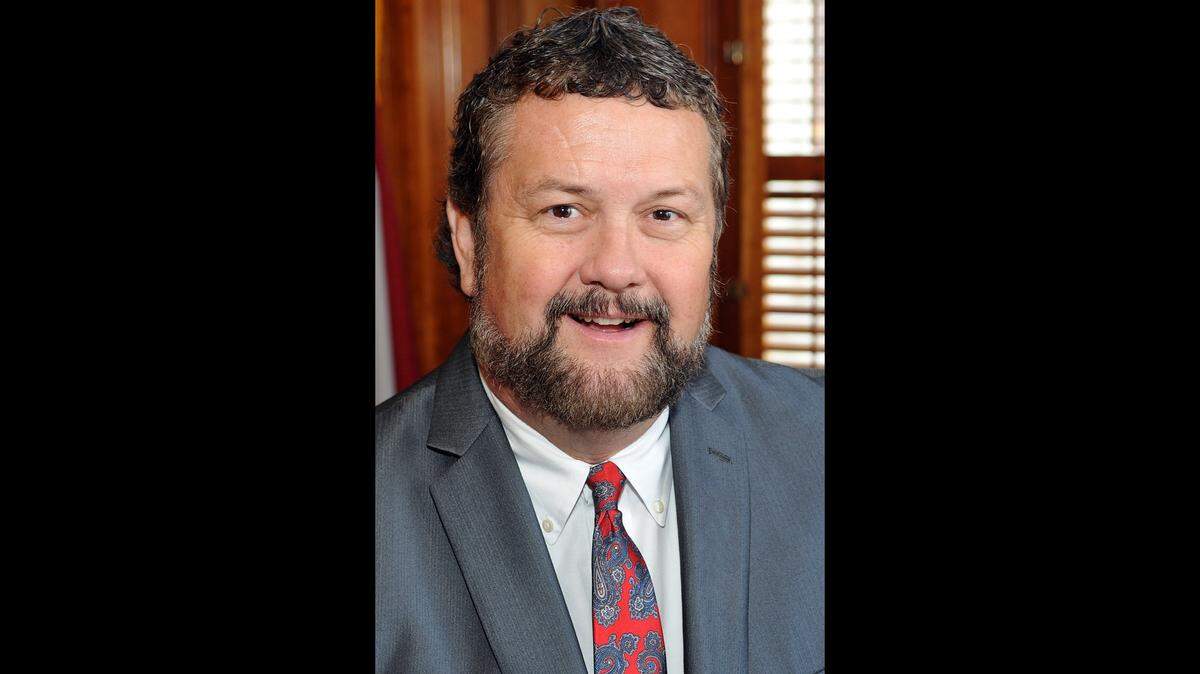
Based on a state legislator’s request, University System of Georgia administrators have been asking faculty members this week whether any classes are teaching students about white privilege, prompting some professors to call the query an infringement on academic freedom.
USG spokesman Lance Wallace confirmed the request Wednesday night in an email he forwarded to the Ledger-Enquirer.
The Jan. 21 email from Chancellor Steve Wrigley explains the request came from state Rep. Emory Dunahoo, R-Gillsville, after Wrigley’s presentation to the legislature’s joint appropriations committee.
“If the answer is ‘yes’ to any of the questions below,” Wrigley said in the email, “please list the relevant course section for reference.”
The questions:
- Are any classes within the Georgia public school system or the University System of Georgia teaching students that possessing certain characteristics inherently designates them as either being “privileged” or “oppressed?”
- Are any classes within the Georgia public school system or the University System of Georgia teaching students what constitutes “privilege” and “oppression?”
- Are any classes within the Georgia public school system or the University System of Georgia teaching students who identify as white, male, heterosexual, or Christian are intrinsically privileged and oppressive, which is defined as “malicious or unjust” and “wrong?”
Columbus State University biology professor Brian Schwartz, who serves as chapter president for the American Association of University Professors, alerted members about the request Wednesday in an email obtained by the Ledger-Enquirer.
“I view these questions as a threat to academic freedom because it’s clear from their content and tone that they’re designed to intimidate faculty members from teaching legitimate educational content,” Schwartz said in the email.
Schwartz, in an interview with the L-E, said approximately half a dozen other CSU professors expressed concern to him about the request.
“Academic freedom is crucial to providing a high-quality education,” he said. “We don’t want — and I think our students and society doesn’t expect — professors to convey a party line, for example, a message from the government. Hopefully, society expects and values that professors would have the freedom to teach what they believe to be true, with our expertise, our training and our goodwill to do what’s right, that we not be restrained.”
Schwartz isn’t aware of any formal protest, he said, but the issue could be discussed during the CSU Faculty Senate meeting Monday.
CSU spokesman Greg Hudgison referred the L-E’s questions about the issue to Wallace.
Asked why the USG complied with the legislator’s request, Wallace told the L-E, “We are a state agency and are always responsive to the elected representatives of the people of Georgia.”
The Georgia Department of Education, which governs the state’s K-12 public schools, hasn’t received such a request from Dunahoo or any other legislator, communications director Meghan Frick told the L-E Thursday.
‘No one is sure what the legislator will do’
University of North Georgia associate professor of rhetoric and composition Matthew Boedy, serving as the state AAUP chapter president, also objects to the request.
In an email Wednesday to AAUP chapter presidents at USG institutions, Boedy said, “I echo the concerns by many.”
Some USG institutions are “only looking at course catalogues for these terms,” Boedy said in the email, “… But no one is sure what the legislator will do with this info or if this small search will satisfy him.”
Boedy told the L-E in an email Thursday that the request is an attack on higher education.
“It perpetrates a pernicious agenda,” he said “I don’t know why a state representative who won his district by 40 points needs to throw red meat to his base, but this echoes national conservative discourse that has been laughed from the public square by historians and other experts.”
The L-E will report Dunahoo’s explanation for the request when it’s received. He has represented the 30th District since being sworn in Dec. 14, 2011.
Dunahoo serves on the following committees in the Georgia House of Representatives: Agriculture and Consumer Affairs; Banks and Banking; Game, Fish, and Parks; Information and Audits (Vice Chairman); Interstate Cooperation Committee; State Properties Legislative Committee (Vice Chairman); and Appropriations Health.
According to his website, Dunahoo is a businessman/entrepreneur who has “spent much of his time giving back to his community through organizations like J.A.K.E.S day (NWTF) outreach for children, Challenged Child, Men’s Outdoor Ministry and annual mission trips.”
Dunahoo is married to a public school teacher who has taught in Hall County for 28 years. He is “committed to maximizing local control of education.,” his website says.
“It’s a disgrace that the chancellor and our university leaders feel that they have to debase themselves by bringing such nonacademic questions to the faculty,” Schwartz, the CSU professor, said in the email. “It’s a shame that faculty are being pressured to defend their teaching of legitimate course content.”
Schwartz added, “Probably most of us currently don’t teach about privilege, but it’s likely that we all teach concepts that some narrow-minded charlatans consider controversial. I can easily imagine being asked to answer similar questions about how I teach evolution.”
This story was originally published January 28, 2021 at 9:55 AM.