Trump cuts millions from 19 GA universities. Here’s what to know
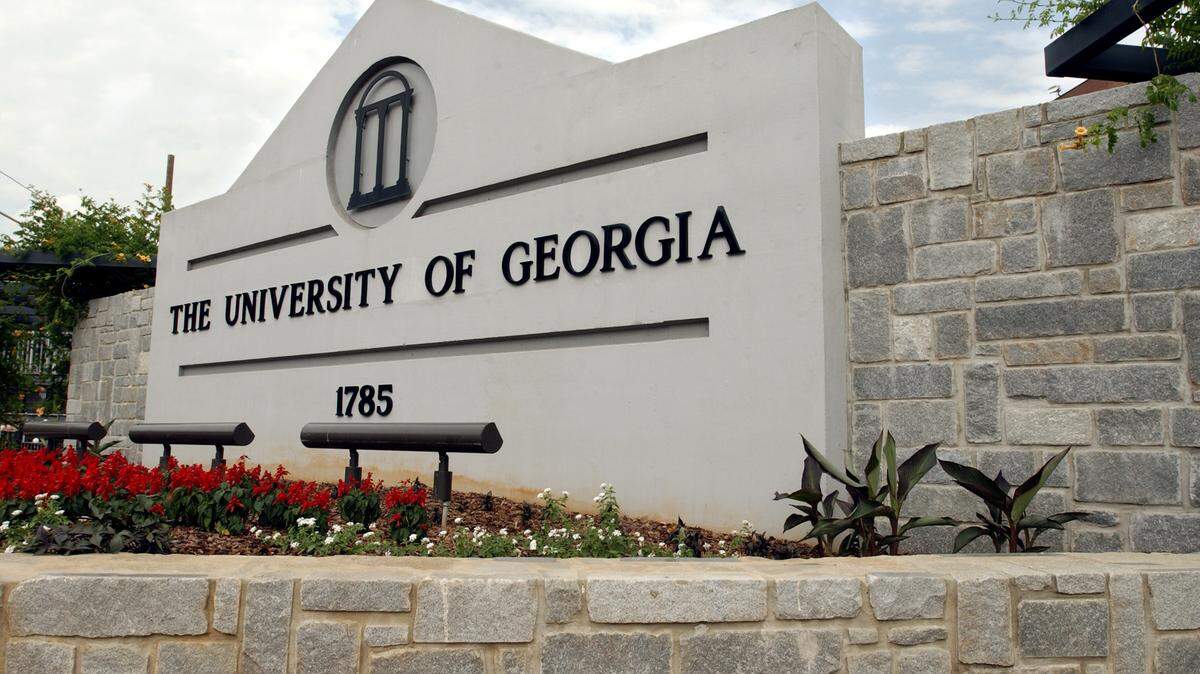
Georgia’s higher education community is reeling after the Department of Government Efficiency (DOGE) slashed more than $74 million in federal research grants this spring, affecting universities and colleges across the state.
State Affairs, a nonpartisan news organization focused on state government, policy and politics, reported on the impact on campuses across the state. Some programs are being shuttered, research halted, and students and faculty are having to reevaluate their higher ed experience.
Although the Trump administration has withheld funds from K-12 programs, the cuts to university and college programs are taking a significant toll on research and innovation.
What are the education-related cuts from DOGE?
In Georgia, these cuts targeted 131 grants at 19 colleges and universities between February and March. The majority of affected grants came from agencies like the National Institutes of Health, the National Science Foundation, and the Environmental Protection Agency.
Key points about the cuts:
Over $74 million in funding has been eliminated statewide.
Emphasis on waste reduction, but critics say vital research is being lost.
Most cuts took effect immediately, with short notice for researchers.
State officials are in talks with federal agencies to limit further losses, but no new funding has been secured so far.
Which Georgia universities will be affected?
Some 19 colleges and universities will face some sort of cutbacks or loss of funding.
These include:
Emory University
Georgia Institute of Technology
Morehouse College
Spelman College
University of Georgia
Clark Atlanta University
Augusta University
Georgia State University
Columbus State University
Fort Valley State University
Kennesaw State University
University of North Georgia
Piedmont University
University of West Georgia
Georgia Southern University
Savannah State University
Mercer University
Georgia Gwinette College
The programs and research areas most affected
Several types of programs have been especially hard hit:
STEM and health research
Addiction studies
Vaccine research
Alzheimer’s care for underserved communities
Agricultural and food security
UGA’s $15 million “Feed the Future Peanut Innovation Lab”
Other programs impacting global food security
Research for local farmers
Education and college access
UGA lost a $2.8 million grant for graduate student training.
AmeriCorps College Access Program lost nearly $300,000, reducing college admissions support for low-income high schoolers.
Digital equity
A $22 million broadband grant was canceled, affecting digital literacy and internet access in rural Georgia.
Humanities and cultural initiatives
A reduction of the National Endowment for the Humanities (NEH)
National History Day Georgia lost funding
The New Georgia Encyclopedia has been downsized
Local museum partnerships were eliminated
Diversity, equity and inclusion (DEI) and STEM outreach
Grants supporting women and minorities in STEM fields were eliminated
Outreach and training programs statewide have been downsized
Environmental and public health
Funding for research in forestry and health at several institutions
What is next for higher education in Georgia?
University System of Georgia (USG) Chancellor Sonny Perdue has been in direct contact with the Trump administration, specifically with Russell Vought, director of the Office of Budget and Management.
In a Board of Regents meeting, reported the Atlanta Journal-Constitution, Perdue promised to use his relationship with the current administration to advocate for a more reasonable approach.
Perdue, calling for patience from university leaders, said he wants to, “get together and talk about what is the right percentage and partnership between the federal government and universities.”
Universities are adjusting operations as a result of the cuts
Many higher education institutions are scaling back, reassessing and preparing for uncertainty, says Georgia Public Broadcasting.
Emory University is scaling back spending and reassessing priorities
Georgia Institute of Technology is adjusting project timelines and staffing
UGA has urged its staff to continue work as normal but acknowledges the uncertainty
Some schools report hesitancy to bring on new staff or admit as many graduate students
A coalition of 22 state attorneys general have filed lawsuits that seek to temporarily block new federal grant reimbursement rules, but Georgia’s attorney general did not join these suits.
What are your thoughts about the impact on higher ed? Are you worried? Email me at srose@ledger-enquirer.com or find me on social media.