
18 years after James Brown’s death, feuds block millions for SC and GA children
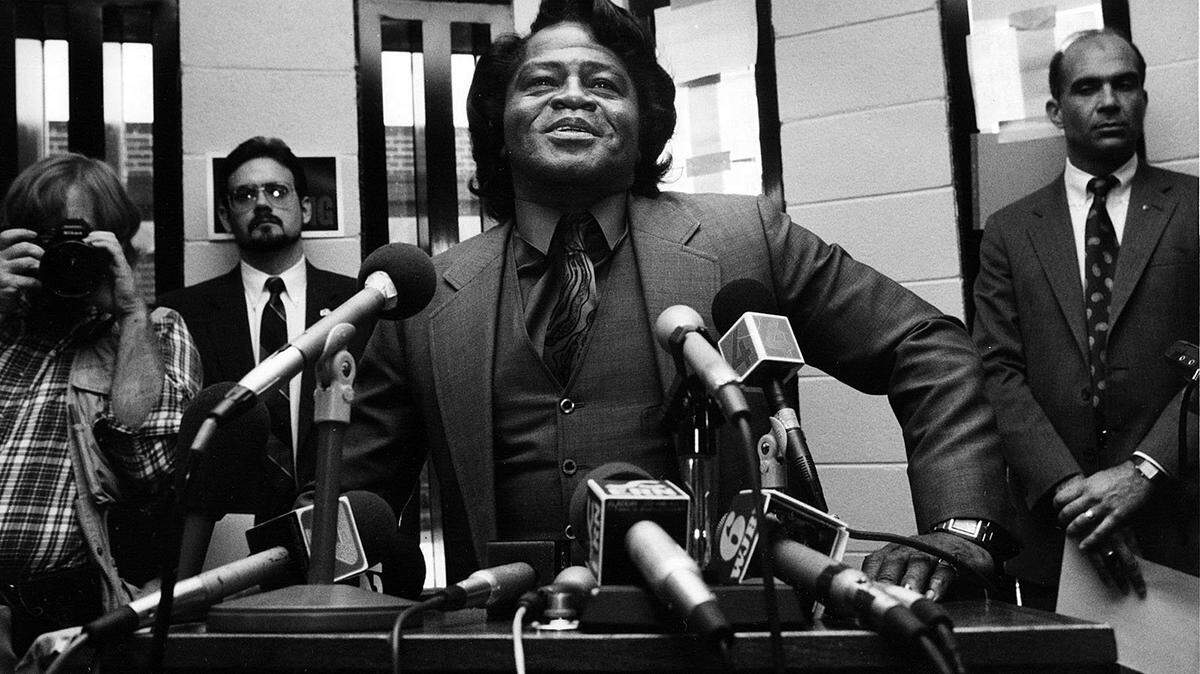
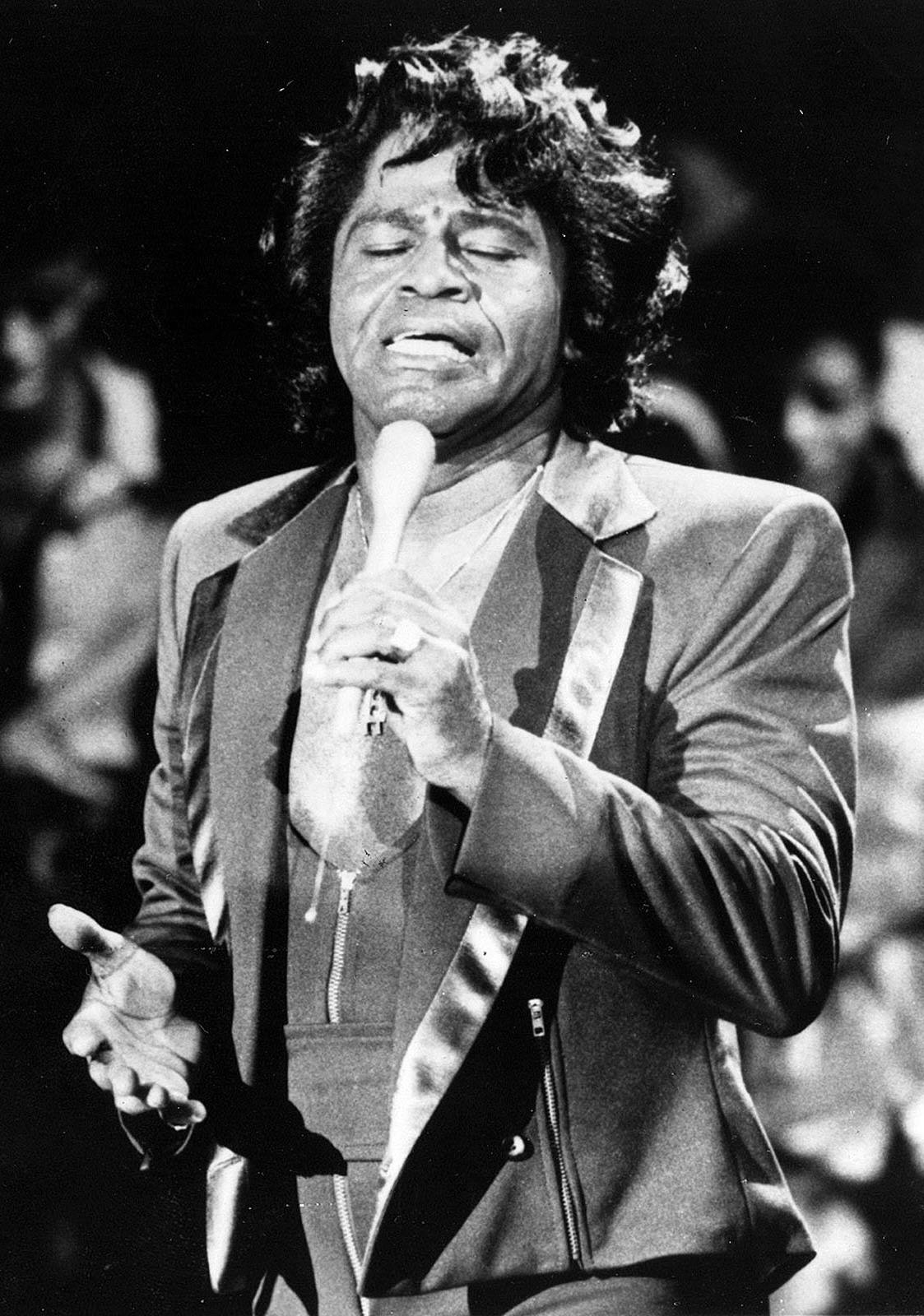
When James Brown was a boy, he walked barefoot on the roads of Ellenton, South Carolina. He wore underwear stitched from burlap sacks and once was told to leave school because of the miserable state of his clothes.
When the legendary entertainer died of congestive heart failure in an Atlanta hospital on Christmas Day 2006, he left behind a mansion full of velvet suits, gold jewelry, fast cars and, in the lobby, a plastic Christmas tree, surrounded by presents and topped with an angel wearing a purple fur-lined robe.
Brown also left behind precious little cash, a tangled mess of debt, four ex-wives, six recognized children and a will that all but cut them out.
That will, seven pages and a cover sheet, contained a promise as bold as he was, that the vast majority of his estate would go to fund the education of students in South Carolina and Georgia.
It was these children, not his family, who would benefit from an estate potentially worth tens of millions of dollars.
But after 18 years of scandal and legal battles involving Brown’s family and others, the theft of millions of dollars, the involvement of two state attorneys general (including Henry McMaster, the current governor), 110 lawyers and the sale of Brown’s estate for a reported $90 million, not a single scholarship has been funded by Brown’s estate.
The man currently in charge of the estate, Columbia accountant Russell Bauknight, and his lawyers now claim that a single, final obstacle stands in the way of fulfilling James Brown’s dream: an 82-year-old grandmother and lawyer from Newberry, South Carolina, named Adele Pope.
“We can’t close the estate because of Mrs. Pope. She is the last obstacle,” testified Bauknight’s attorney David Black before the South Carolina Supreme Court in June 2024.
But Pope, who previously controlled the estate, disagrees. She says that she has fought to protect Brown’s wishes and to clear her name of allegations that she mismanaged the estate and trust.
Her battle with Bauknight is only a fraction of the more than two dozen legal cases that have delayed scholarships for children in South Carolina and Georgia, but it has touched nearly every part of the estate. Both sides believe they have the best interests of Brown’s charity at heart and neither will back down.
“When a case is about principles, it’s very difficult to resolve,” said Bill Nettles, former United States Attorney for South Carolina.
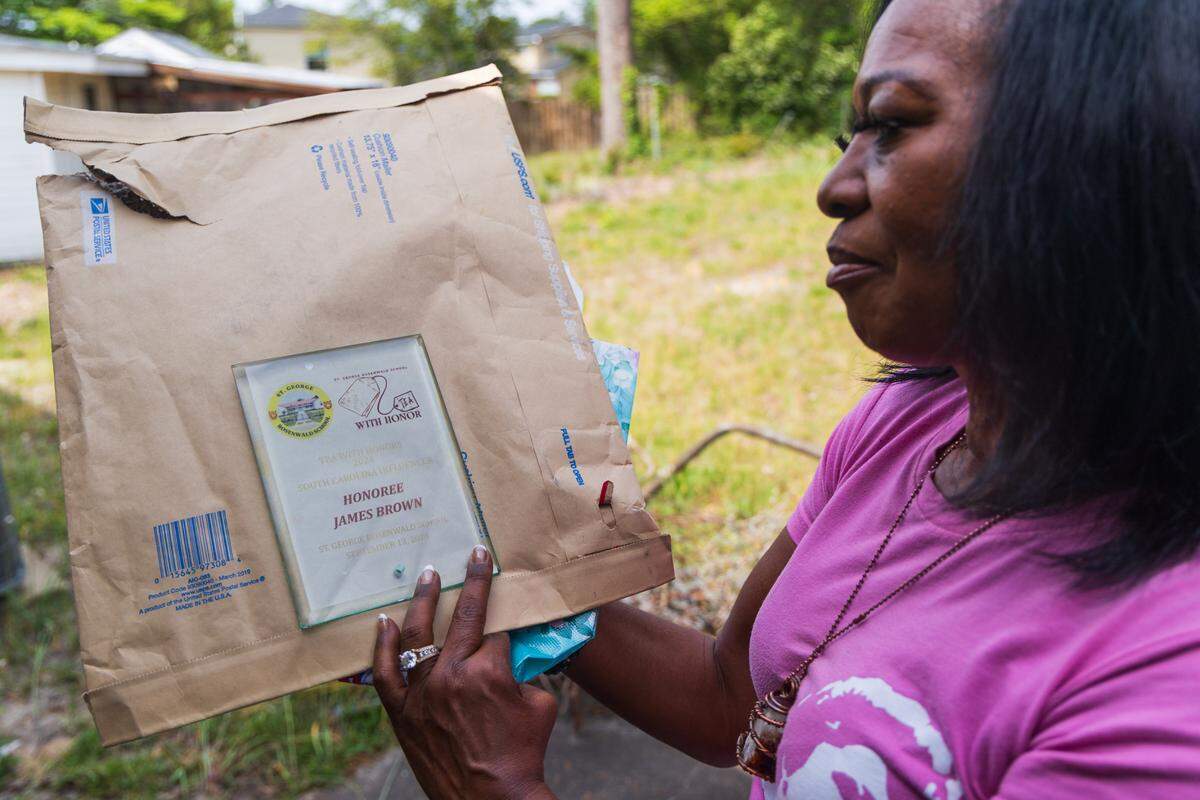
To assemble this story, The State reviewed thousands of pages of records spread out across more than a dozen cases, attended multiple hearings before the South Carolina Supreme Court and conducted more than 20 interviews. Still, much remains unknown about the failure to deliver what could be the single largest charitable gift in South Carolina’s history.
Some legally required disclosures of the estate and trust’s finances are absent from the public record, and key documents and settlements have been sealed by court orders. Many of the key players are dead. Others are simply exhausted or unwilling to talk on the record for fear of being drawn back into the vortex of litigation.
In the inglorious history of celebrity estate fights, James Brown’s stands apart. Not only for its length and complexity, but for the bitterness of the internal fighting between players who had no relation to the late entertainer. It is a fight that has left Brown’s estate unresolved to this day.
“I just know that my father’s turning over in his grave,” said Dr. Deanna Brown Thomas, one of James Brown’s daughters. “Where’s the money?”
The promise and pitfalls of the Godfather’s will
Unlike most celebrity will fights, Brown’s wishes appeared unambiguous. Where music legend Prince died without a will, or the Queen of Soul Aretha Franklin was found to have two different hand-written wills, Brown’s will was professionally prepared, signed and witnessed in 2000.
“There is no opinion here,” said the Rev. Larry Fryer, who recalled speaking with Brown about his plans on the lawn of the entertainer’s Beech Island mansion in 2002. James Brown, he said, “wanted to see young people succeed.”
The problem, at first, was who got what and the men who were left in charge.
A seventh-grade dropout, Brown had risen from an impoverished childhood in the segregated South to become one of the 20th century’s biggest stars. Having howled, sweated and danced for every penny he had, Brown saw himself as the ultimate self-made man, and his fortune was his to spend as he pleased. He gave famously to strangers, handing out turkeys at Thanksgiving, presents at Christmas and wads of cash on a whim. But that grand generosity did not always extend to his family.
Brown’s will recognized six children. But he left them only his insurance policies and the contents of his South Carolina mansion — including his iconic jumpsuits, fur coats, glassware and exotic furniture — appraised at roughly $2 million. The woman believed to be his fourth and final wife, Tomi Rae Hynie, and her son, James Brown II, were left out entirely.
Brown’s will stipulated that the majority of his estate, consisting of his home and the rights to his name and music, would be left to fund the “I Feel Good” trust. The trust would dispense scholarships to “financially needy children and young adults” from South Carolina and Georgia seeking any level of education, from elementary to postgraduate. A percentage, capped at no more than $2 million, would go to a separate trust for the education of his grandchildren.
Anyone who contested the will would receive nothing, Brown wrote.
Exactly how much money was available to fulfill Brown’s dream when he died remains fiercely debated to this day. Depending on who you ask, when Brown died he was worth anywhere from around $6 million to almost $100 million.
This biggest unknowns were the value of Brown’s two most significant assets: his publicity rights and the termination rights to his music.
The estimated value of Brown’s publicity rights — his name and image — ranged from tens of millions to near zero. That’s because his star had flickered in the last decades of his life amidst drug use, prison time and divorce, but he remained very popular, especially overseas.
Even more complex were Brown’s “termination rights,” the option to reclaim the U.S. copyrights to nearly 900 songs, including some of the 20th century’s biggest hits. These were estimated to be worth a minimum of $9 million.
Under copyright law these rights could only pass to his children and his legal spouse, regardless of what the will said.
What is certain is that Brown was cash poor. What cash he did have was buried, stashed with friends, or hidden under the floorboards of his favorite hotel rooms. Brown’s royalties – the money he made off the sale or performance of his music – generated millions in the years leading up to his death. But they were committed to paying off a $26 million loan he took out in 1999. Brown used that money to finance tours and add new wings to his mansion in Beech Island, South Carolina, leaving $16 million outstanding at the date of his death.
To carry out his will, Brown named three members of his inner circle as personal representatives of his estate and as trustees for the “I Feel Good” trust: David Cannon, his longtime accountant, Albert “Buddy” Dallas, his personal lawyer, and Al Bradley, a former South Carolina magistrate judge.
A type of fiduciary, personal representatives are legally bound to carry out the deceased’s will, assemble their assets, pay their debts, and, above all, act in the best interests of their estate and its beneficiaries. But the three men stood to profit enormously thanks to a clause in Brown’s will that entitled them to spend up to 50% of the trust’s gross income on undefined “management fees.”
But some members of Brown’s family had grown concerned about the trio’s control over Brown.
Cannon in particular had come to exert a suspicious level of influence over Brown’s financial life. He kept Brown’s cash in his personal safe, gained the power to sign Brown’s checks and kept Brown on a $100,000 a month allowance — a figure that was tightfisted only to an extravagant spender like Brown.
It was a powder keg. And Brown’s death was the match.
The lawsuits begin, and new administrators added
The day after James Brown died, Adele Pope and her husband were having dinner at Takahachi, a sushi restaurant in New York City’s East Village. Inside of the small restaurant, James Brown’s music started to play, and play loud.
Pope came from a prominent South Carolina family. Her great-great-grandfather had been a governor, senator and slave owner whose plantation included the land where James Brown was born. She married Tom Pope III in 1974, the year they graduated together from the University of South Carolina law school. They lived in Newberry, where they had raised two children.
Tom had served for eight years as a state senator and carried the diverse caseload of a country lawyer. Adele had a busy trusts and estates practice. She was known as a rule-follower who drove the speed limit and as a tenacious, uncompromising attorney with an astonishing memory for details.
In honor of the Godfather of Soul’s memory, Pope wrote, they decided to order the restaurant’s special of the day: the James Brown “Rest in Peace” roll.
“I do not believe James Brown has rested in peace,” Pope wrote in 2013.
Brown’s will inevitably led to a a conflict between the three personal representatives and his family. Immediately following his death, the two camps clashed. Hynie flew back to Beech Island only to find the mansion’s wrought iron gate barred with six padlocks and blocked with a car.
The family grew concerned over reports of the three personal representatives scouring the Beech Island mansion. Once, they refused to let Brown’s son Daryl join them while they roamed the house and grounds with two private investigators, a pair of attorneys and a locksmith, according to an affidavit from a security guard. They took photos, recorded videos and were seen huddled around an open safe that had been hidden behind a picture.
By February – two months after Brown died – his children and Hynie had filed lawsuits demanding the removal of the personal representatives. Hynie had also filed a suit seeking a share of the estate as an omitted spouse. By the end of the year, Hynie and the children filed challenges to the will itself, alleging “undue influence” from Dallas, Cannon and Bradley.
If these challenges succeeded, Brown’s entire will could be thrown out, along with the “I Feel Good” trust.
At first, the children and Hynie had a shared purpose of getting rid of the three personal representatives, the children’s attorney, Louis Levenson, recalled in a 2017 deposition.
As legal filings multiplied – including from creditors and people claiming to be Brown’s children – the case was assigned to Circuit Court Judge Judge Doyet “Jack” Early, another 1974 graduate of USC’s law school.
At the request of Brown’s children, Early moved to appoint a “special administrator” — a neutral party who could act on behalf of the estate to protect and administer its assets. While similar to a personal representative, the scope of a special administrator’s authority is defined by the judge appoints them.
Adele Pope’s name was suggested by Hynie’s attorneys. The hope, according to several people familiar with the case, was that Pope would help remove Dallas, Cannon and Bradley. The personal representatives put forward Bob Buchanan, a lawyer from Aiken and a part-time magistrate court judge.
On March 7, 2007, Judge Early decided to split the difference, appointing both Pope and Buchanan special administrators.
“She didn’t ask for it. She didn’t volunteer. He asked her to serve,” testified Tom Pope, “Jack Early gave her a job and she set out to do it.”
Millions of dollars are taken from Brown’s estate
David Cannon was angry. Red-faced, he slammed his fists on the table and accused Pope and Buchanan of being spies.
It was just three weeks after Pope and Buchanan had been appointed special administrators, and Cannon was doing everything in his power to stop them from digging into Brown’s finances, Pope wrote on a personal blog in 2014.
Cannon ignored court orders to turn over records and even refused to let Pope and Buchanan into a file room. The cause of his defensiveness soon became clear. In July 2007, Pope and Buchanan discovered an unaccounted for $900,000 check, leading to the discovery that Cannon had been plundering Brown’s finances.
While the exact number is unknown to this day, Cannon ultimately pled guilty to embezzling $8.6 million. Where the money went is also a mystery – Cannon spent at least $1 million building a house on the picturesque Honduran island of Roatán, and Pope and Buchanan found a mystery check from one of Brown’s bank accounts for $5 million made out to no one.
Judge Early removed Cannon as personal representative, and Cannon was sentenced to three years of home confinement following a plea agreement with the South Carolina Attorney General’s Office. Cannon later spent six months in prison on a contempt charge after failing to pay back some of the money.
Dallas and Bradley were not implicated in Cannon’s crimes but were forced to resign. Dallas did not respond to attempts to reach him. Cannon and Bradley are both deceased.
With the personal representatives out of the way, Brown’s children and Hynie supported Pope and Buchanan’s appointment as the estate’s new personal representatives. But if Brown’s children and Hynie expected the pair to back their opposition to the will challenges, they were sorely disappointed.
Brown’s will commanded his personal representatives to move mountains to carry out his wishes, and that’s what Pope and Buchanan said they set out to do.
At crowded hearings in the genteel Aiken County Courthouse, they fought challenges to Brown’s will. On some days, people claiming to be Brown’s illegitimate children filled the pews, said I.S. Leevy Johnson, an attorney and former state representative who briefly represented the potential scholarship recipients. One young girl, he remembered, looked exactly like James Brown. These obstacles were to be expected. What Pope and Buchanan didn’t see coming were the immediate challenges to their appointment. Dallas and Bradley sued to be reinstated, even as they were being sued by Pope and Buchanan. Brown’s grandson William filed his own federal lawsuit seeking to return the original personal representatives to their roles.
The problem was compounded when the South Carolina Attorney General’s Office joined the case in September 2007. The office also challenged Pope and Buchanan’s appointment, which got in the way of the pair’s ability to makes deals to benefit the estate. A planned TV special for James Brown’s birthday had to be scrapped when the attorney general’s office delayed giving them approval.
Brown’s estate took up more and more of Pope’s time. Her phone rang all day and the fax machine worked non-stop while file boxes took over her office.
As the cases multiplied, so did the costs, and the estate was broke. Pope and Buchanan had next to no cash to perform basic maintenance on Brown’s mansion and hire experts, or to pay bills, taxes or their own fees and expenses. Brown’s royalties – totalling $7.8 million in the 18 months the pair ran the estate – went to pay off his 1999 loan, which had long since been spent by Brown or stolen by Cannon.
Most agreed their only option was auctioning off Brown’s possessions. But this is where agreement over Pope and Buchanan’s actions ends. To this day, Pope maintains that the sale was both necessary and required by the courts that approved it. But in the events that followed, her opponents would find an argument for their removal.
A rift grows over the estate, which badly needs cash
On July 17, 2008, roughly 300 items belonging to James Brown went on sale at the storied Christie’s auction house in Manhattan.
There was the Grammy that Brown won in 1986 for his hit “Living in America” along with a grab bag of mink coats, childhood photos, martini glasses, medical bracelets, handwritten lyrics and jumpsuits for every occasion — from blue denim to red wool embroidered with the word “SEX.”
Christie’s projected the sale would make upwards of $1 million.
The money was desperately needed. Brown’s house, originally a handsome mid-century ranch home that he expanded into a multi-story mansion complete with a cupola and the letter “B” under the eaves, was falling apart. A leak in the pool house roof threatened to destroy the valuable clothes and memorabilia stored inside.
With no money for repairs, Pope and Buchanan had shipped Brown’s master recordings to a secure storage facility and arranged for museums to hold some of his other valuables to protect them from water damage.
William Brown and some business associates dangled a lifeline, suggesting they would buy the entire estate for somewhere between $90 to $100 million. Pope and Buchanan didn’t take them up on the deal. With no binding contract, good faith payment or even basic information on the source of the funds, many felt the offer was unreliable.
On the day of the auction, temperatures in New York climbed to 95 degrees as several of Brown’s children went on the Rev. Al Sharpton’s radio show to criticize the sale. Earlier that year, they had sued to stop the auction, but a judge ordered that it go ahead.
“We were not opposed to an auction per se,” clarified Brown’s daughter Yamma Brown. The problem, she told Sharpton, who had been Brown’s protege and his road manager for seven years, was the items that were being sold.
Brown’s children had ambitions of turning the mansion into a destination like Elvis Presley’s’ “Graceland” and wanted to hold onto his most iconic possessions. The family said that Pope and Buchanan had broken a promise to hold back selected items.
“We were just ignored,” Deanna Brown Thomas told Sharpton.
It was a new low point in the worsening relationship between the personal representatives and Brown’s children. They chafed at Pope and Buchanan’s defense of a will that all but disinherited them, and were irked by suggestions made in court that the personal representatives knew James Brown’s intent better than his children.
The auction was not the win the pair needed. Media described it as a shambolic event. At the last minute, the auction hall was overcome with commotion as Brown’s Grammy was pulled from the sale following a lawsuit from the Recording Academy of the United States, which gives out the award.
In all, the auction made $857,688, falling short of projected sales. The pair mostly used the money to pay back loans and cover legal bills. But in a move for which they would be criticized for years, they paid themselves $317,000 in special administrator fees approved by Judge Early.
The episode permanently soured Pope and Buchanan’s relationship with Brown’s family and provided ammunition for later lawsuits accusing the pair of mismanaging the estate.
“That’s certainly part of why I’m in a position where I had to bring a suit against them for their negligent actions,” Russell Bauknight claimed later in a deposition. “They sold iconic assets of Mr. James Brown for a pittance.”
Attorney general breaks up Brown’s estate
Less than a month after the ill-fated auction, representatives of then-South Carolina Attorney General Henry McMaster and lawyers for Hynie and Brown’s children got together to hash out a deal to resolve the lawsuits challenging the singer’s will. Pope and Buchanan were not included.
The attorney general’s office had officially become involved in the estate the previous September. With Brown’s charitable trust held up by lawsuits, McMaster said that his office was compelled to exercise its constitutional authority to protect charities in South Carolina.
“The establishment of a trust for the poor schoolchildren in Georgia and South Carolina is a very good purpose, and we had the duty and perhaps opportunity to see that it was fulfilled,” McMaster said in a 2016 deposition. On a personal note, he added that James Brown “happened to be a personal favorite of mine and still is.”
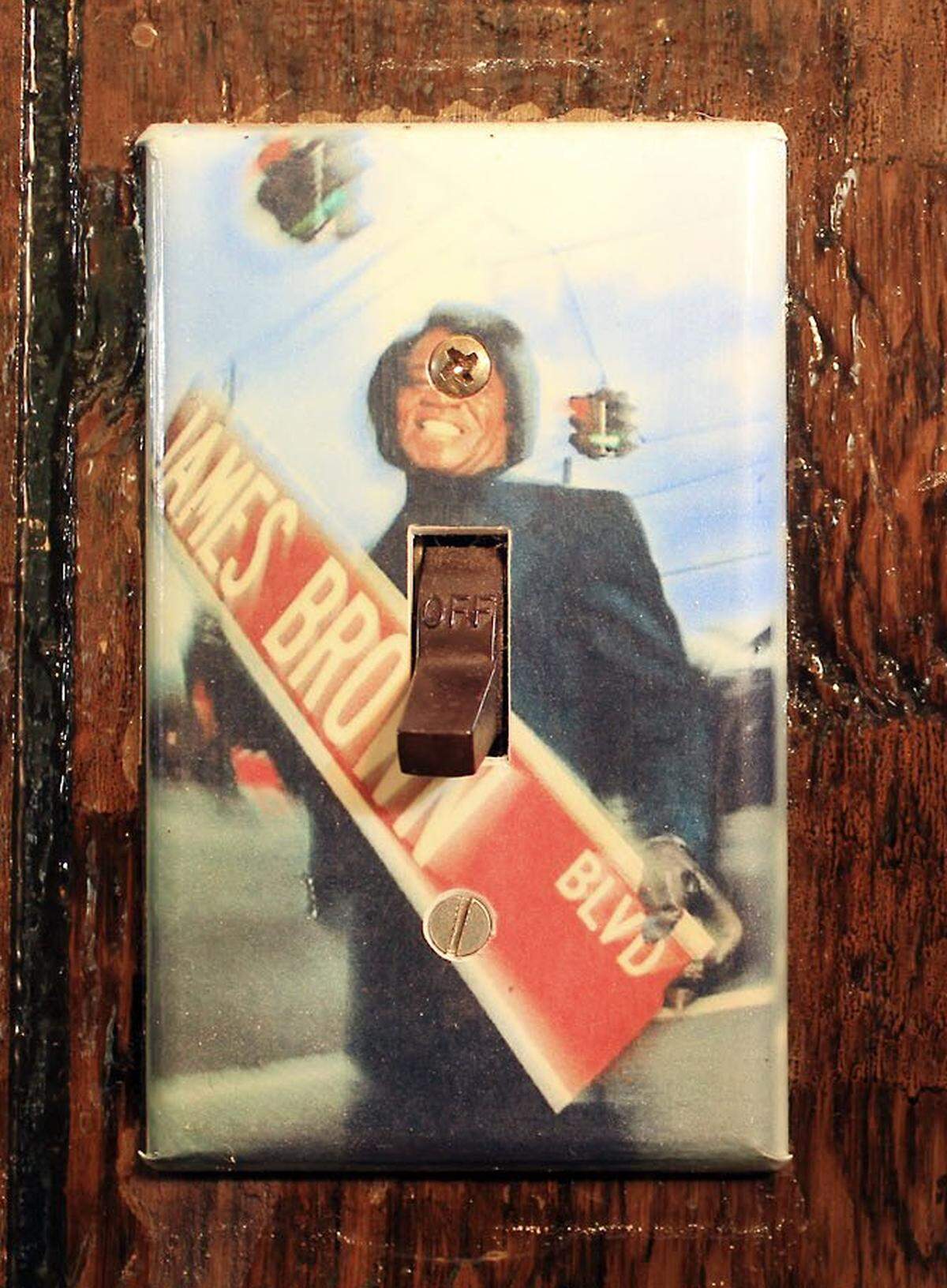
The site of the negotiation on August 10, 2008, was the Marriott Hotel and Convention Center in Augusta, Georgia, on James Brown Boulevard. Brown had grown up from the ages 5 to 16 on the Boulevard’s far end, back when it was a red-lined neighborhood called The Terry — short for Negro Territory.
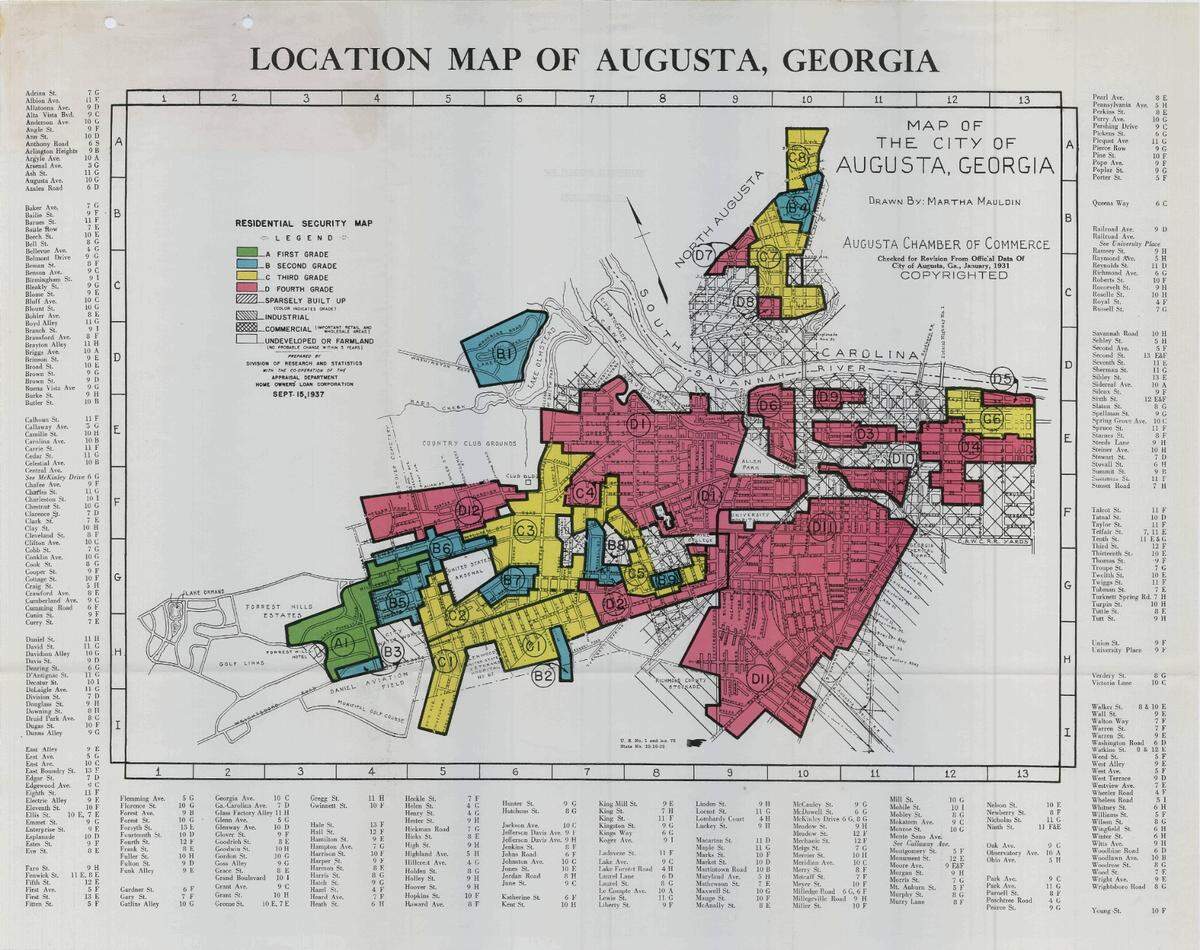
It was in The Terry where the legend of James Brown began to take shape. He dropped out of school, had run-ins with the law and learned to marry money and music by buck dancing for coins tossed by passing soldiers. It was this childhood that Brown would point to later in life to explain his dream of providing schooling to anyone who needed it.
But inside the Marriott Hotel on the other side of town, the group of attorneys took a cleaver to his dream. The charitable trust would be dismantled, and just under half of Brown’s assets would go to a new trust established and controlled by the attorney general’s office.
In exchange for dropping their legal challenges, Brown’s children would get roughly a quarter of the estate while Hynie would receive approximately another quarter. Hynie, whose marriage to Brown was on shaky legal ground, would be officially recognized as Brown’s surviving spouse. Hynie and the children would give the estate a portion of their termination rights, which, under federal law, could only pass to a spouse or legal children.
McMaster declined to be interviewed for the story. But in 2014, he defended the deal to The New York Times. “We arranged for the charity to get almost half of it. Half of something big is better than nothing.”
Supporters of the settlement defended it as a sensible compromise. There was too much of a risk that Hynie or Brown’s children could succeed in their legal challenges, they said. If they did, Brown’s entire estate might be taken away from the trust. Supporters also argued that combining the children’s termination rights with the rest of Brown’s assets made the overall estate more valuable to buyers, meaning more money for the new trust.
The agreement also called for Pope and Buchanan to be removed. In their place, the settling parties agreed that Russell Bauknight, a Columbia accountant, would be appointed special administrator with a mandate to carry out the settlement.
In one fell swoop, the attorney general’s office had sidelined Pope and Buchanan and taken unprecedented control of the estate.
“You have the ability to ruin careers with that office, don’t you, Mr. McMaster?” Pope asked McMaster during his 2016 deposition.
“Any lawyer has the power to do that,” McMaster replied.
The accountant takes over
When Bauknight was appointed to carry out the restructuring of Brown’s estate, he only owned a couple of CDs, and none of them were James Brown’s. By his own admission, he was not a music fan.
The Columbia native has other interests: he co-founded the 50-person accounting firm Bauknight Pietras & Stormer where he specialized in estates and high net worth individuals. He’s a fervent duck hunter, a champion pistol shot, and for 16 years was a reserve Lexington County sheriff’s deputy, serving on the S.W.A.T. team and rising to the rank of captain.
In 2009, Judge Early approved the settlement and appointed Bauknight as the new special administrator with a mandate to enforce the agreement.
But Bauknight’s immediate problem was addressing the estate’s finances. When Pope and Buchanan were removed as personal representatives, there were thousands in unpaid bills and taxes, damage to the Beech Island mansion and Brown’s possessions, and just $13,000 in cash.
Bauknight took a new approach to managing the estate. He cut deals with creditors and spent more than $400,000 repairing Brown’s house.
Taking advantage of his connections, Bauknight hired attorneys and experts with the understanding that it might be years until they were paid. They set to work recovering usage fees for Brown’s music and developed licensing deals to generate cash for the estate. Central to this effort was Inaudible Productions, run by Grammy Award-winning producer Peter Afterman. The producer would later be paid more than $2.3 million for helping the estate sell the rights to a James Brown biopic and to license Brown’s songs for ads by brands including Gatorade and Chanel.
To address the tax consequences of the attorney general’s settlement, Bauknight commissioned a valuation that cut the estate’s taxable assets from a generally accepted $84 million to just $4.7 million — it put the total value of Brown’s estate at just over $6 million. The move earned the estate a tax refund — but the valuation would have major implications in future legal fights.
Enforcing the attorney general’s settlement brought Bauknight into direct confrontation with Pope and Buchanan. In July 2009, the pair challenged the settlement. They argued that giving more than half the estate to Hynie and Brown’s children fatally compromised Brown’s charitable trust and, as personal representatives, they were legally obligated to defend Brown’s wishes.
There was “a change of temperament,” testified Levenson, as the children, Hynie and the attorney general’s office united against the pair.
Within days of Pope and Buchanan challenging the settlement, Bauknight made the first accusation in court filings that the pair had mismanaged the estate. Jim Richardson, an attorney for Pope and Buchanan, testified in a deposition that one of Bauknight’s attorneys warned that a “clock is ticking” before a lawsuit was filed.
Richardson testified that during a meeting with the opposing attorneys, Alan Medlin — Hynie’s attorney — said he had a list of 108 instances of negligence committed by Pope and Buchanan. The only way out, according to one of Bauknight’s attorneys, was if Pope and Buchanan dropped the appeal and walked away from the James Brown estate. The pair didn’t back down.
In May 2010, Bauknight filed a lawsuit accusing Pope and Buchanan of violating their fiduciary duty to the estate by opposing the attorney general’s settlement, mismanaging its assets and inflating its value. He claimed to represent Brown’s children, Hynie and the attorney general’s office, which would later disavow having been a party to the lawsuit. It was the first shot in what would become a 15-year war.
In a statement, Bauknight’s attorney denied any connection between the lawsuit and Pope’s opposition to the settlement.
Despite the lawsuit, Pope and Buchanan persisted in their challenge to the attorney general’s settlement. And in 2013, after three years of appeals, they were vindicated when the state Supreme Court overturned the deal.
The Supreme Court’s order in the case — known as “Wilson v. Dallas” – was a stunning rebuke to the attorney general’s office. Transferring more than half of the estate to people who were specifically excluded from Brown’s will was an “unprecedented misdirection” of the office’s powers, the justices wrote.
The settlement amounted to “the total dismemberment of Brown’s carefully crafted estate plan and its resurrection in a form that grossly distorts his intent.”
Citing the Christie’s sale, their request for more fees and extreme “discord,” a majority of the justices upheld Pope and Buchanan’s removal as personal representatives. But Pope felt that she had done her job. The ruling seemed to be a second chance for Brown’s charity.
To fill the vacancy left by the ruling, Judge Early appointed Bauknight the estate’s sole personal representative. Bauknight had refused to share the position, citing the cost to the estate of paying two personal representatives. He promised to pay out scholarships “right away,” just as soon as the estate’s legal issues were resolved.
But over the next decade, the lawsuit filed against Pope would drag on. While the Supreme Court vindicated her position, the settlement would continue to cast a long shadow over James Brown’s estate.
“She (Pope) claims Wilson v. Dallas is a victory,” testified Mark Gende, one of Bauknight’s attorneys, a decade after the ruling. “Well, I represent the estate (and) the personal representative of the estate, Mr. Russell Bauknight, and the estate does not see Wilson v. Dallas as a victory.”
‘The real fight’ is over termination rights
In the wake of the Supreme Court’s ruling, Tomi Rae Hynie emerged as the most significant wildcard in James Brown’s estate.
The settlement had recognized the former backup singer as Brown’s fourth and final wife. Now that question was once again up for debate. The alliance of settling parties splintered, and most of Brown’s children aggressively opposed Hynie’s claim.
As Brown’s wife, Hynie could receive as much as half of Brown’s estate as an “omitted spouse.” Under state law, a spouse who is left out of a will can, under certain circumstances, receive as much as half of the estate.
She also could have received millions more under an obscure corner of of the copyright law. As her attorney Alan Medlin summed it up in a hearing, “the real fight is over the termination rights.”
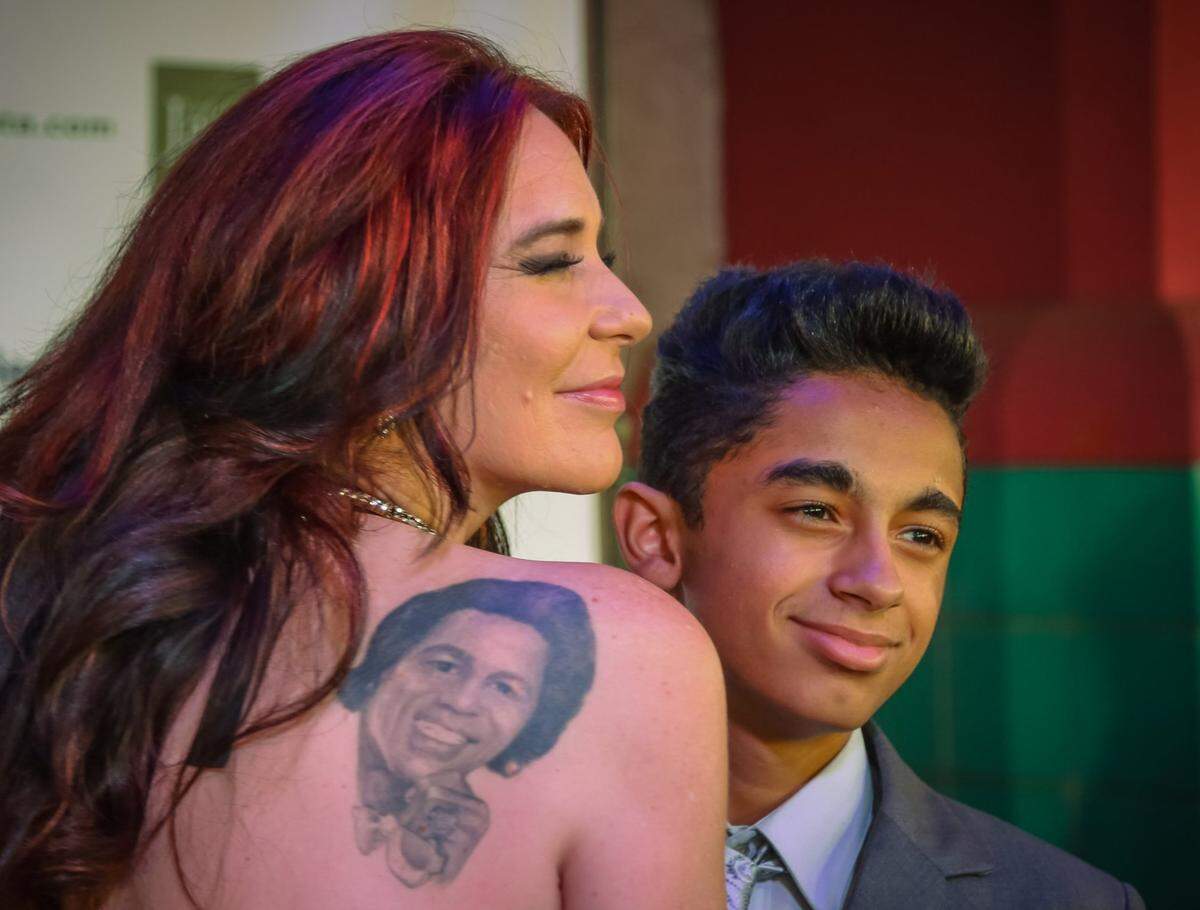
Those rights grant an artist the option to reclaim and resell their copyrights after either 35 or 56 years. Regardless of what an artist puts in their will, these rights can only pass to their children or a legal spouse. The estate would have no say in when or how these rights were executed. Any profit from the sale of Brown’s copyrights would go to his family, not to the charitable trust.
As Brown’s wife, Hynie would automatically receive a 50% share. The rest would be split between the children, which would now include her son. Together, they would have the majority stake needed to execute the termination rights to Brown’s nearly 900 songs, potentially worth tens of millions of dollars. The children would still get paid, but Hynie would call the shots. If it looked like courts were going to find Hynie the wife, the estate would be motivated to cut a deal with her in order to get at least a percentage of the copyrights. Negotiating just with Hynie for termination rights would be simpler, Bauknight said in a deposition.
But her claim was shaky.
Brown had made Hynie sign a prenuptial agreement renouncing any claim to his estate. Worse, two years before his death, Brown discovered that Hynie was still married to her previous husband.
Brown sought, but never completed, an annulment while Hynie rushed to annul her other marriage. She claimed that the first marriage was invalid because her husband admitted he had other wives and was using her for a Green Card.
Brown and Hynie continued living together but their relationship was in limbo.
“I want to be married,” Hynie wrote in a student composition book she used as a diary. Often mercurial, Brown would not give her a clear answer on where they stood, she wrote.
The biggest threat to Hynie’s claim on being Brown’s wife came from an unexpected place. Sue Summer, a semi-retired journalist for the Newberry Observer, the local newspaper in Pope’s home town, was reporting doggedly on what she saw as attempts to shortchange Brown’s charity.
In 2012, Summer revealed the existence of Hynie’s diary to the public. It seemed to prove that Hynie knew Brown didn’t consider her his wife, gravely threatening her spousal claim and undercutting McMaster’s settlement, which was still being appealed at the time.
In response, Hynie’s attorney tried to subpoena Summer’s notes, listing McMaster’s successor, Attorney General Alan Wilson, as a plaintiff. Wilson’s office declined to answer questions, citing ongoing litigation.
Over the next three years, Wilson’s office attempted to block Summer’s requests for public records relating to James Brown’s estate. Summer also was hit with another subpoena for her notes from Hynie’s attorneys, a separate subpoena from Brown’s children and a court order from Judge Early commanding her to reveal the source of the diary.
In 2015, Judge Early ruled that Hynie was Brown’s legal wife and issued an order barring Summer from publishing the diary altogether.
Defying the order, Summer published anyway. For weeks she lived in fear of being arrested for contempt of court. In her car, she kept a “jail bag,” containing a toothbrush, chapstick, underwear, paper and pencil and a copy of Orange is the New Black, a prison memoir her daughter gave her.
“It was totally extraordinary,” said Jay Bender, a prominent South Carolina First Amendment lawyer who, along with Tom Pope, represented Summer and secured rulings from the state Supreme Court overturning Judge Early’s orders. “It was extraordinary for a judge to order a reporter to reveal sources and it was even more extraordinary for a judge to order a reporter not to publish something.”
A federal lawsuit filed by Brown’s children in 2018 alleged that the estate helped Hynie capitalize on termination rights while her status as Brown’s wife was still in question. Immediately following Judge Early’s ruling declaring Hynie the wife, Afterman helped Hynie sell the copyrights to five of James Brown’s songs for $1.875 million, according to court filings. Afterman admitted in an affidavit that he’d been working with Hynie since 2013.
Bauknight denied any knowledge of this arrangement, but in 2017 Bauknight signed a deal with Hynie. The estate agreed to drop its appeal to Hynie’s claim that she was Brown’s wife in exchange for 65% of her termination rights and a promise that she wouldn’t seek more of Brown’s estate. Neither Hynie nor her attorneys responded to a request for comment.
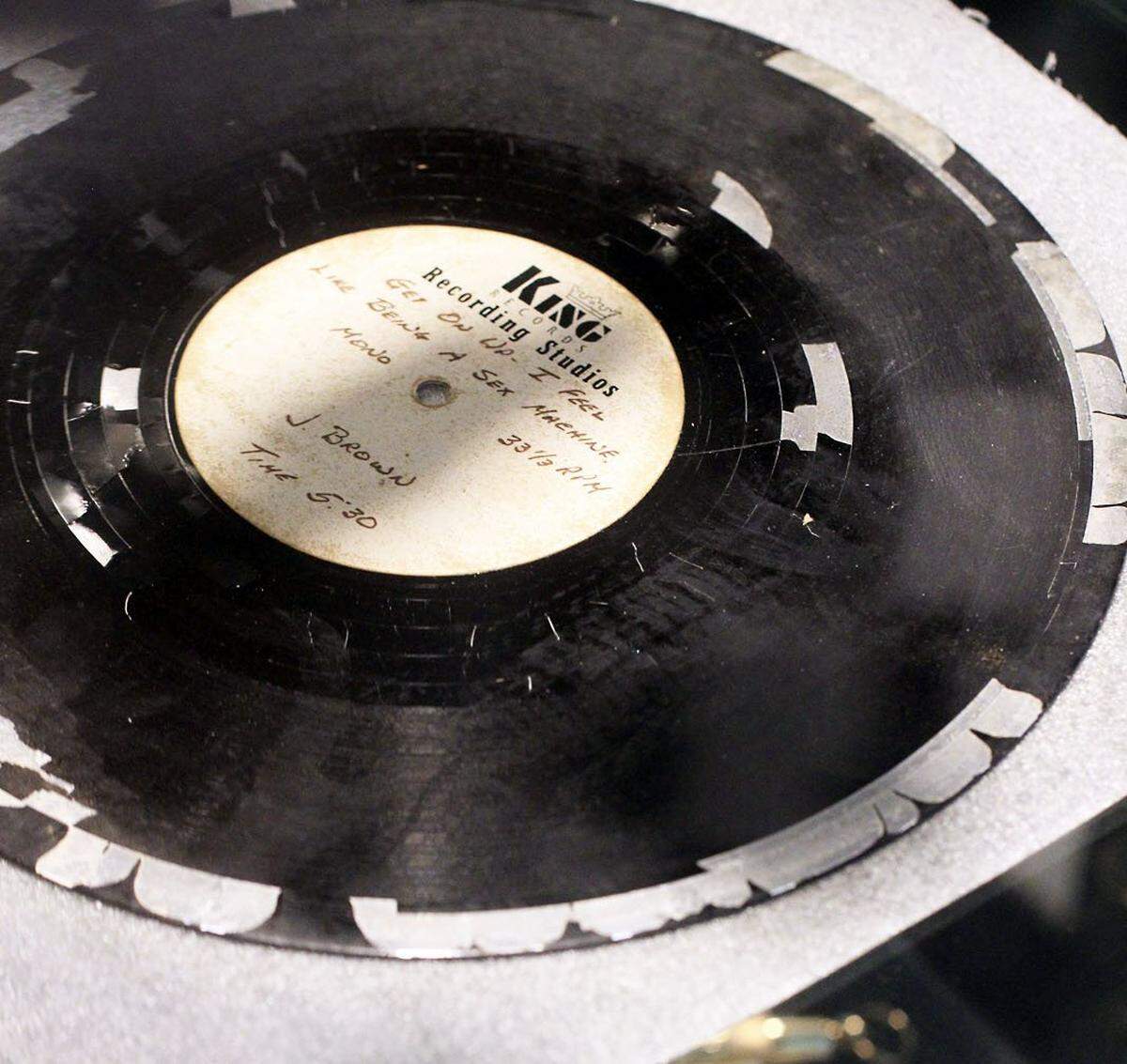
“Termination rights destroyed Brown’s estate plan,” wrote University of Florida law school professor Lee-Ford Tritt in a study of Brown’s estate. Brown’s wishes had been “frustrated” and his charity “harmed” by this quirk of copyright law, Tritt wrote.
All this maneuvering was for nothing. In 2020, the state Supreme Court finally put an end to the uncertainty and ruled that Hynie was not legally Brown’s wife. But the next year, the estate reached a secret settlement with Hynie and Brown’s children in the case over the termination rights. The settlement in federal court was sealed by District Court Judge J. Michelle Childs, and that December James Brown’s estate was sold to music acquisition juggernaut Primary Wave. While Bauknight didn’t reveal the sale price, multiple media reports claimed it was $90 million.
In an interview with New York Times shortly after the sale, Bauknight said that he hoped to realize Brown’s dream of funding scholarships by the end of 2022. The only remaining obstacle, he said, was Adele Pope.
Bauknight v. Pope
In the 12 years Bauknight has served as personal representative, the estate has faced a storm of legal action. There were lawsuits with the IRS, Brown’s family, former fiduciaries David Cannon and Buddy Dallas, the lender of Brown’s $26 million and even a circus singer named Jacque Hollander who claimed to have been Brown’s business partner.
But Bauknight and his attorneys maintain that it is the lawsuits with Pope that have prevented the estate from closing. As the battle has dragged on, both sides have blamed the other for not reaching a resolution. Fifteen years of hearings, motions, affidavits and depositions lay bare two irreconcilable positions that have only grown further apart with time.
To Bauknight, Pope is a malcontent who mismanaged the estate and has obstructed it with outrageous demands for millions of dollars for a short period 18 months of service to the estate.
“She (Pope) has refused every offer of settlement from the Estate in favor of continuing her campaign of vexatious litigation,” said Black, a partner at Maynard Nexsen. Bauknight declined to be interviewed on the record but provided written responses via his attorney.
But Pope, who believes she was persecuted for opposing the attorney general’s settlement, says she is fighting to clear her name.
“The litigation with Adele Pope presents no cognizable basis to continue delaying scholarships,” said Adam Silvernail, one of Pope’s attorneys. “Tens of millions of dollars have been wasted to help Ms. Hynie and others ignore James Brown’s wishes.”
Pope also declined to be interviewed on the record.
While the attorney general’s settlement sparked the conflict, the lawsuit Bauknight brought in 2010 against Pope and Buchanan was a bucket of gasoline.
Among the 21 allegations leveled against Pope and Buchanan was mishandling of the Christie’s sale and their “improper” and “vicious” attack on the attorney general’s settlement.
The lawsuit, filed on behalf of the estate, the attorney general’s office, Brown’s children and Hynie, also claimed the pair breached their fiduciary duty by rejecting William Brown’s $100 million buyout offer. Yet the lawsuit also claimed the pair inflated the estate’s value to increase their fees.
Under financial pressure, Buchanan settled with Bauknight for $500,000 and agreed to walk away. He did not respond to requests for an interview.
But Pope wouldn’t settle. Instead, she launched a flurry of legal filings. One of her main goals was obtaining the valuation Bauknight commissioned that priced the taxable value of Brown’s estate at $4.7 million.
Over the years, that valuation has been cited as proof that Pope inflated the estate’s value to increase her fees. While experts consider valuations to be inherently speculative, the low number has perplexed some associated with the case.
Pope has theorized that the only way to arrive at such a low figure was by valuing Brown’s property and publicity rights – arguably the most valuable part of his estate – at zero. She has also stated that its purpose was to lower the tax fallout of the attorney general’s settlement. But the IRS accepted Bauknight’s figure, legitimizing it in the eyes of the courts.
Evaluating the document is impossible because Bauknight’s attorneys succeeded in having it ruled confidential, claiming its disclosure would harm the estate’s revenue.
From early on, the conflict had a personal dimension. In August 2013, Pope and Bauknight faced each other in a deposition held in the offices of Nexsen Pruet. One of South Carolina’s most formidable law firms with its own in-house PR firm and offices looking down on the State House, they had represented Bauknight since he became involved with the estate. The Supreme Court had just overturned the attorney general’s settlement, and the deposition was growing tense. Normally restrained affairs, Bauknight accused Pope of starting late, interrupting and typing too loudly.
“Your client raped the estate,” Bauknight railed. “Taking every dime out of it for her own fees and for Bob’s (Buchanan’s) fees and her lawyer’s fees, leaving it insolvent... Your client didn’t even try.”
Over the next two years, Pope tried to keep up the legal pressure on the estate. She filed regular appeals and multiple motions to intervene in cases where she wasn’t directly involved. This crusade ended in 2015 after the state Supreme Court ordered Pope to stop involving herself in cases where she wasn’t a party or interfering with the resolution of the estate.
Over the years, Bauknight and his attorneys increasingly cast Pope as singlehandedly responsible for the estate’s woes. When she sued the estate for $2.8 million in fees for service as personal representative, Bauknight’s attorneys accused her running the estate into the ground and preventing the estate from closing with legal gamesmanship.
“You personally are the reason poor children don’t get a free education provided by Mr. James Brown’s estate,” Bauknight said in a 2017 deposition in Pope’s fee case. “That’s on you.”
A full accounting of what all of the legal fights have cost the estate is not possible. As personal representative, Bauknight only filed required accountings in 2013, 2016, 2017 and 2018.
Over the four years that records are available, law firms received more than $5 million. The largest beneficiary was Nexsen Pruet. Renamed Maynard Nexsen in 2023, the firm was paid $3.8 million. In those years, Bauknight paid his own accounting firm a combined $1.24 million.
In an email, Black defended the fees as “reasonable and customary.” A “substantial portion, if not most” of the fees were the result of Pope’s delay actions, Bauknight’s attorney said. He also noted that Bauknight and other firms went several years without being paid.
Blaming Pope alone is “a pretty lame excuse, because in the meantime, accountants and lawyers are being paid,” said Deanna Brown Thomas, in an interview with The State.
Adele Pope goes on trial
In June 2024, Adele Pope went on trial.
The alleged crime was criminal contempt of court for violating the Supreme Court’s 2015 order commanding her to stop interfering in the closing of Brown’s estate. Bauknight brought the charge after Pope filed another public records request seeking the so-called $4.7 million valuation from the attorney general’s office.
Bauknight accused her of trying to find a backdoor to making the confidential valuation a public document. Pope, who has acknowledged that she is in possession of a version of the document, said she needs to obtain a definitive copy of the valuation to continue defending herself from Bauknight’s lawsuit claiming she mismanaged James Brown’s estate.
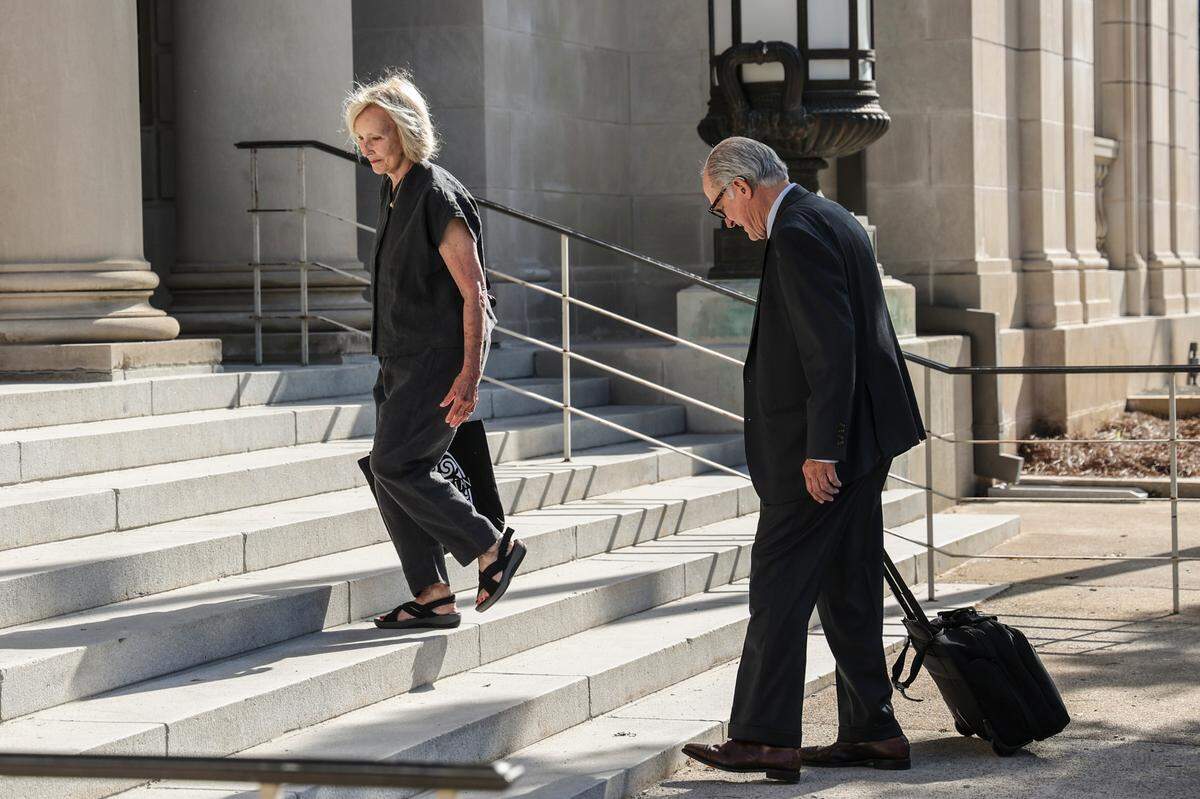
Repeated mediations failed to produce a settlement between the two parties. In emails to The State, attorneys for both sides have stated that they have had no success in reaching a reasonable conclusion.
Courts, it seems, have become less interested in who is right about James Brown than why it’s taken so long. The answer they appear to have landed on is Pope’s obstinacy. With loss after loss, Pope’s narrative of the case is increasingly out of step with how courts see the facts.
“She creates universes that don’t exist,” testified Mark Gende, one of Bauknight’s attorneys.
Weeks before his retirement in 2019, Early released a blistering 60-page ruling denying Pope any additional fees for her work on the estate. “Any benefits Mrs. Pope provided to the Estate and Trust are overwhelmed and surpassed by the detriments she caused,” Early wrote.
One piece of evidence he cited was her appeal “attacking” the attorney general’s settlement. On the stand, Pope called Early’s ruling “sad” and said it ignored the evidence.
In 2023, Judge Clifton Newman struck Pope’s answer to Bauknight’s lawsuit accusing her of mismanaging the estate, effectively finding her guilty by default. By throwing out 13 years of litigation, Newman imposed one of the most severe sanctions a lawyer can receive. Justifying his decision, Judge Newman pointed to what he called Pope’s pattern of frivolous filings and delay tactics.
At the appeal of Newman’s ruling, Supreme Court Justice John Few pondered why Pope simply could not accept defeat.
Even if she believed the court’s ruling was “objectively wrong,” wasn’t it time to say, “‘We lost and it’s time to move on.’ Is there not some point in time in which Ms. Pope should have come to that realization?” Few asked.
When the Supreme Court denied that appeal, Pope filed a motion for the court to reconsider their ruling. They denied that too.
Pope’s contempt trial in the summer of 2024 was held before a single justice of the South Carolina Supreme Court. It was prosecuted by Don Zelenka, the veteran chief of the attorney general’s criminal division. Zelenka famously tried Alex Murdaugh, the notorious former attorney who murdered his wife and son.
In court, Bauknight sat surrounded by his lawyers, some of whom were the prosecution’s star witnesses. Testifying in her own defense, Pope said she needed the valuation to continue defending herself against charges that she mismanaged and inflated the value of Brown’s estate.
“It was important to me that I not be crushed once again for having done my job with Bob Buchanan and properly valued James Brown’s worldwide music empire at $99 million less a $15 million debt,” Pope testified.
On the stand, Pope laid out the nearly two decades of the James Brown case as she saw it. At times, her voice grew tight with emotion as she recounted names, dates and court filings with precision.
Pope described a world full of strange inconsistencies, where an estate can claim to have spent tens of millions in legal fees while only being worth $4.7 million, where required financial records are absent from the public record, where the attorney general takes sides in a private estate and where she could be sued for opposing a settlement that the Supreme Court agreed was wrong.
She wasn’t being sued for “doing wrong things in James Brown’s estate,” Pope testified. “It was to punish me for doing the right things.”
In July Pope was found guilty of contempt and ordered to pay $5,000. The order came with a plea for Pope to “finally heed” the court’s warning to stay out of the James Brown’s estate.
Whether or not she heeds the warning, it is not Adele Pope’s nature to be bowed. “I am very proud of what I did for James Brown,” she testified.
James Brown’s legacy
In 1967, James Brown released “Don’t Be A Dropout.” It was one of Brown’s first attempts at a song with a message. Delivered over funky horns and a driving snare, the message was that “without an education, you might as well be dead.”
That song, along with the rest of Brown’s expansive catalogue, intellectual property and his Beech Island mansion, now belong to music publisher Primary Wave. After four years of negotiations, the New York-based firm acquired the estate for $90 million, according to reporting in the New York Times and Rolling Stone.
Bauknight’s lawyer would not discuss the sale price. Primary Wave did not respond to a request for comment.
Brown’s songs joined the company’s stable of music from dead stars including Bob Marley, Notorious B.I.G., Ray Charles and Prince. According to his attorneys, Bauknight plans to keep working with Primary Wave to develop Brown’s assets once the estate closes.
But James Brown’s dream of scholarships has yet to be realized.
“We still have no indication of where the $90 million is going or being used for,” said Brown Thomas, Brown’s daughter.
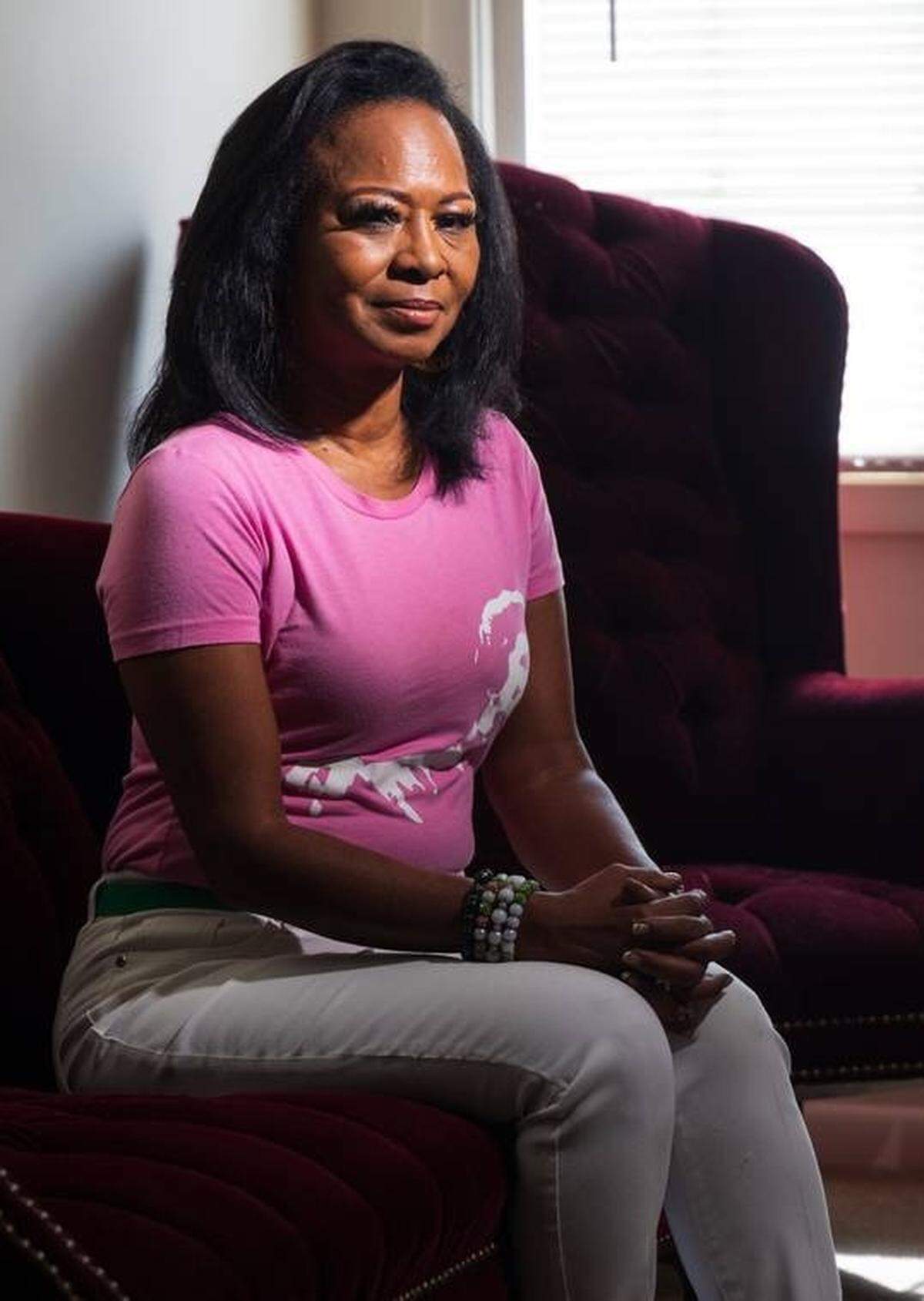
On May 3 of this year, James Brown’s birthday, the James Brown Family Foundation, which is run by his children and is separate from the estate and trust, announced it was handing out five $1,000 scholarships to students in the Augusta area. It is the closest anyone has come to fulfilling Brown’s dream.
Since 2013, Bauknight has said that scholarships will be paid out as soon as the estate’s legal cases are resolved. In a statement, Black said that experts had advised them to not hand out scholarships “piecemeal.” As soon as Pope’s cases are resolved, Black said, they have “arrangements” to distribute scholarships in Barnwell, South Carolina, the county where Brown was born.
Pope’s legal options are largely exhausted. Barring new appeals, all that remains is a damages hearing in Bauknight’s lawsuit accusing her of mismanaging the estate. With her answer struck, she is essentially guilty by default and will not be allowed to call her own witnesses.
But she’s still fighting. In July, Pope filed a motion in a closed fee case. It accused Bauknight’s attorneys of infecting Judge Newman with “inflammatory, defamatory, racially-motivated” claims. Bauknight’s attorneys have called it Pope’s latest attempt to avoid “her day of reckoning.”
But Bauknight too still faces unexpected legal challenges. Some of Brown’s grandchildren are demanding a hearing regarding their education trust. The estate has taken so long to be settled that some of the grandchildren have reached the cut off age of 35 without having been able to take full advantage of the trust, according to court filings.
“When these types of fights are going on on the sidelines, it distracts from what actually needs to get done,” said I.S. Leevy Johnson, the first Black graduate of USC’s law school. “If I was one of those (scholarship) kids I would petition the court for an accounting to get my damn money.”
Any of those kids born the year Brown died would now be 18 years old. If they were born in Barnwell County, where Brown was born, they grew up in one of South Carolina’s poorest counties. As many as a third of the residents live below the poverty line and one in five 18- to 24-year-olds didn’t graduate high school.
If you take U.S. 278 through Barnwell towards Augusta, you’ll drive through rolling pine forests and pass trailers and dirt roads. If you make the right turn, you’ll come to a wrought iron fence tucked away in a quiet neighborhood. Behind it, at the end of a long drive is James Brown’s house. It’s barely ten miles from where he was born in a tin shack in Ellenton. But that town, and much of the county, was swallowed up in the 1950s by the Savannah River Site, which manufactured radioactive material for nuclear bombs.
In April, Primary Wave threw a Masters Weekend Party at Brown’s house. The theme was “The GodFather’s Green.” Over two days, guests wandered through Brown’s renovated mansion, admiring museum displays, a mannequin with a canary yellow jumpsuit and the Christmas tree in his foyer. Deanna said the children were “pushed” to sell many of the items they inherited back to the estate.
On Brown’s lawn the guests danced and smoked cigars, ate barbecue and fooled with golf simulators under the looming radio towers of the Savannah River Site.
“I wish them well, I really do,” said Brown Thomas, who declined an invitation to attend. “It’s their property. I just hate to see it being used in a way that I know my father would not approve.”
Just outside the gates, children still live at the end of dirt roads, waiting without it knowing for James Brown’s dream to come true.
This story was originally published September 3, 2025 at 5:00 AM with the headline "18 years after James Brown’s death, feuds block millions for SC and GA children."
CORRECTION: Russell Bauknight is not a member of the board Primary Wave. An earlier version of this story was incorrect.