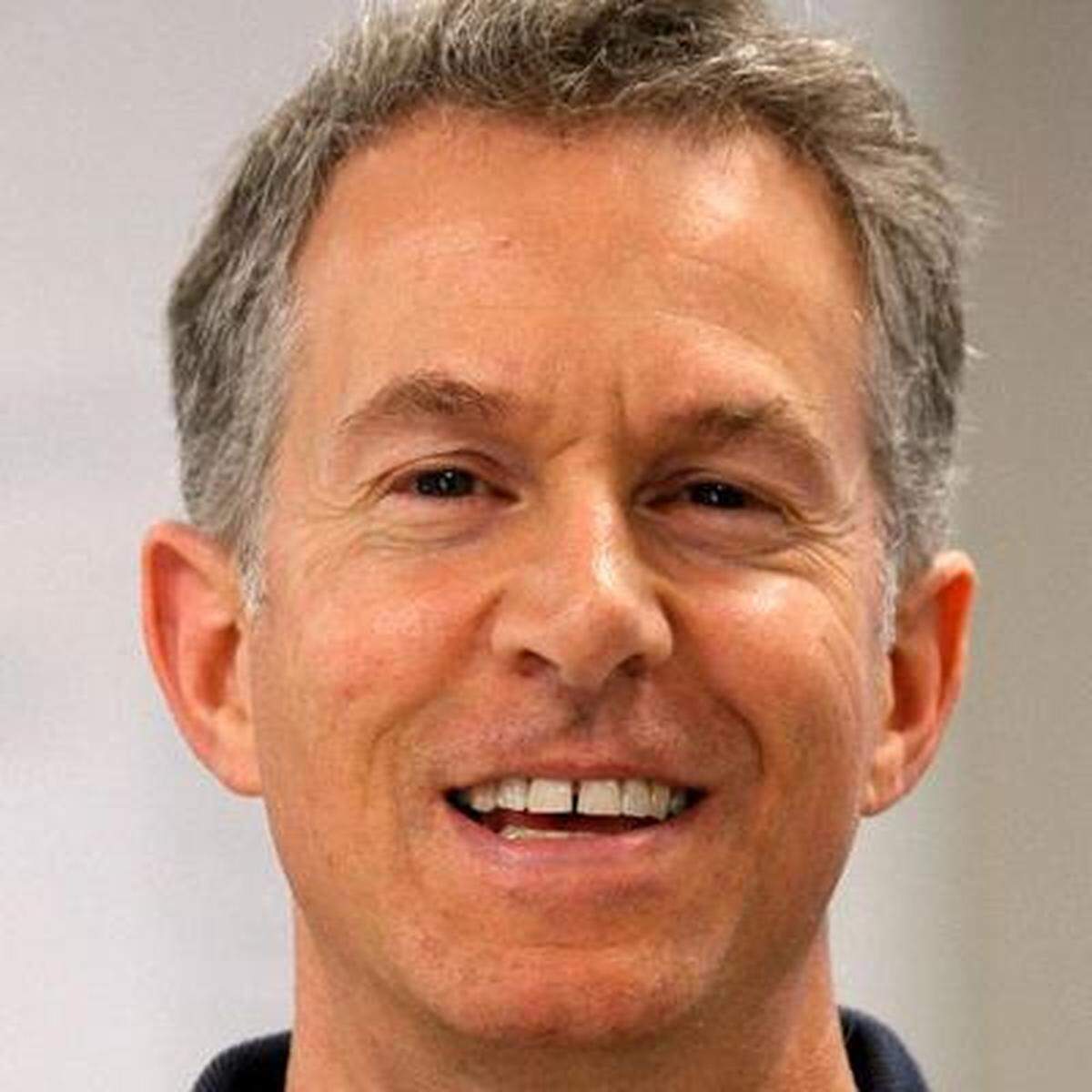
After heroic military service, these Columbus residents are in GA veterans hall of fame
Three of the 16 new inductees into the Georgia Military Veterans Hall of Fame (GMVHOF) are from the Chattahoochee Valley:
- Air Force Capt. John Daniel Allen of Columbus for valor.
- Army Col. Mayo Addison “Biff” Hadden III of Columbus for valor.
- Army Maj. Charles Livingston Kelly (killed in action) of Warm Springs for valor.
Their photos will join those of the 115 previous inductees displayed on the Heroes Wall in the Floyd Building at the State Capitol complex. Along with valor, the categories for nomination and selection are achievement and service.
John Allen
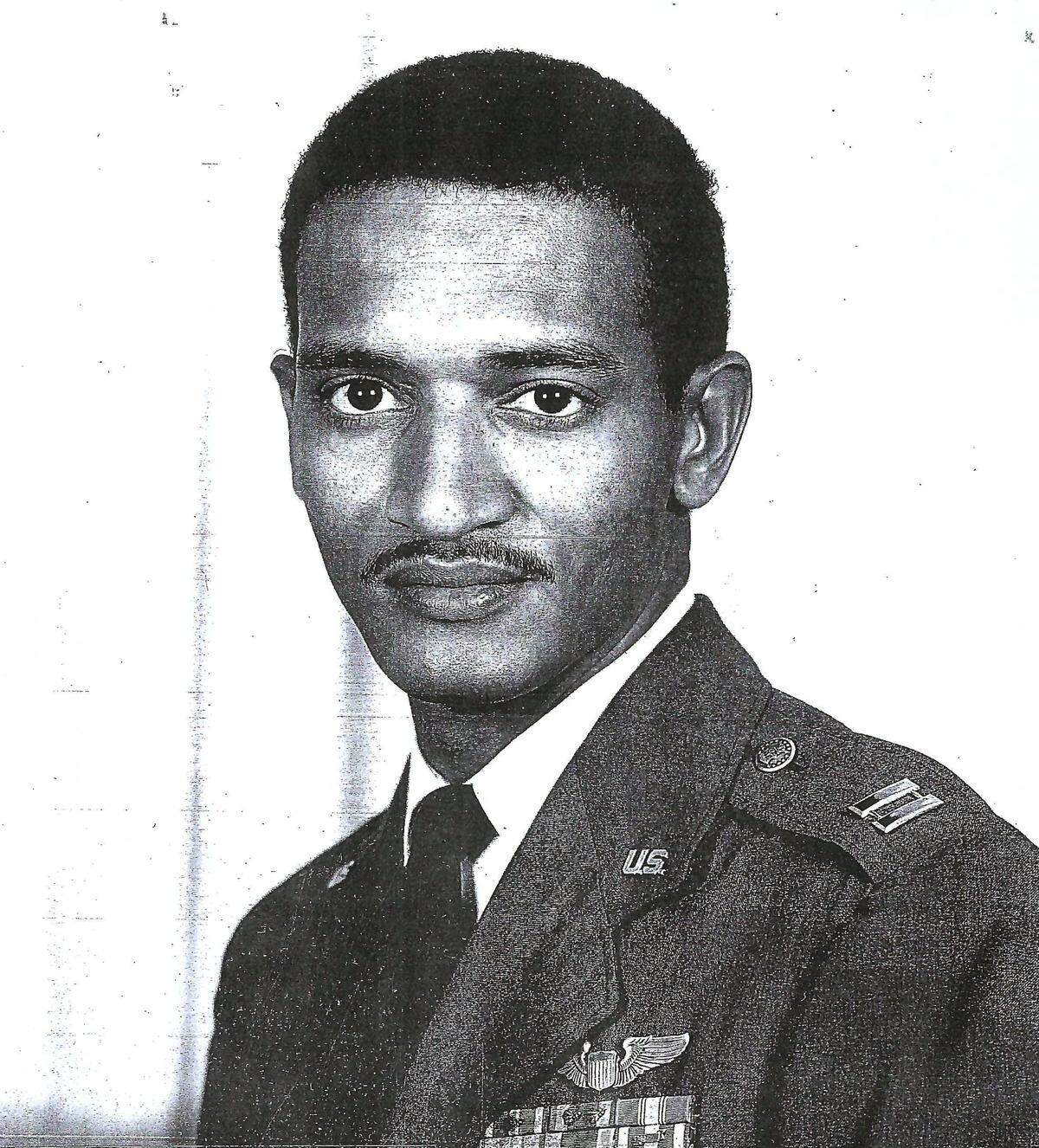
Allen, a native of Columbus, is a distinguished military graduate from Tuskegee University (1966). He was commissioned as a second lieutenant in the Air Force and accepted into flight school.
After earning his wings, he served two tours in Southeast Asia and became a highly decorated F-4D fighter pilot. He completed 284 combat missions over hostile enemy zones.
According to the GMVHOF, Allen destroyed “some of the most highly defended vital enemy support holdings, thus seriously deterring further threats to the region.”
Allen was awarded six Distinguished Flying Crosses and 23 Air Medals. He left the Air Force in 1973 to attend law school at the University of Florida.
After earning his law degree, Allen returned to Columbus in 1976 to begin his law practice. He became a judge in Recorder’s Court, State Court and Superior Court before retiring in 2013.
“He should be lauded for his early contributions to the civil rights movement as well as subsequent service in Columbus community organizations, membership and chair of several judiciary committees and as a recipient of several judicial awards by the State Bar of Georgia and others,” the GMVHOF news release says.
Biff Hadden
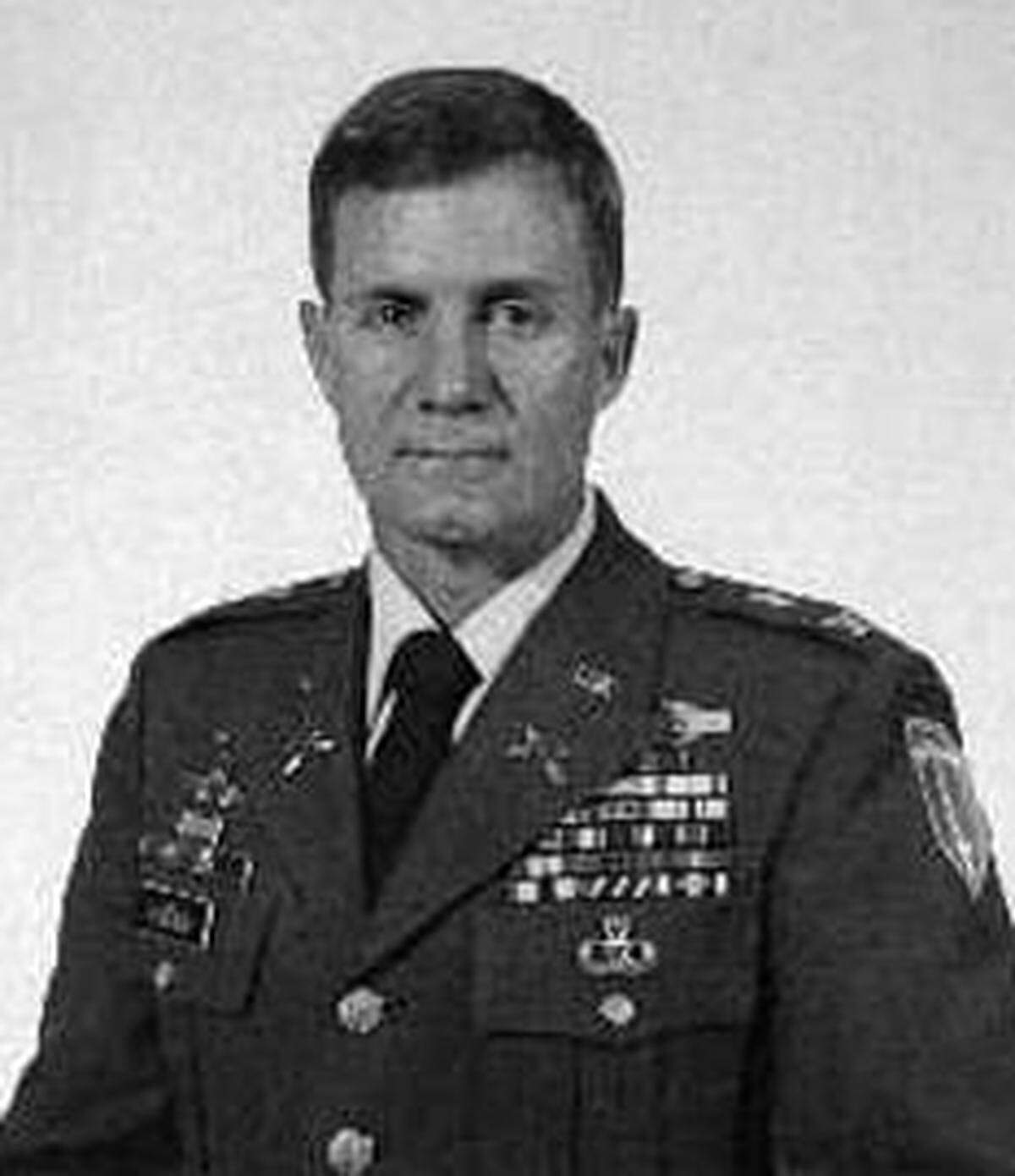
Hadden’s 31-year Army career comprised assignments with the Infantry, Special Forces and ROTC. He served two tours in Vietnam with Delta Force, then with the XVIII Airborne Corps in Grenada during Operation Urgent Fury, when he became the headquarters operations and training officer.
For heroism in battle, Hadden was awarded the Legion of Merit, four Bronze Stars, a Purple Heart and an Air Medal.
His final assignment was with the Infantry School at Fort Benning, where he retired as inspector general in 1993.
As acting executive director, Hadden helped develop the plans and raise more than $14 million for the National Infantry Museum. As a senior vice president for the Greater Columbus Chamber of Commerce, he was instrumental in the local response to federal Base Realignment and Closure initiatives that resulted in the Armor School moving from Fort Knox to Fort Benning. As project manager, he led the land swap between Columbus and Fort Benning that exchanged thousands of acres.
A former Eagle Scout, Hadden stayed involved with the Boy Scouts as an adult and became a commissioner. His volunteer service also has included president of the Military Officers Association of America chapter at Fort Benning, president of the Georgia Special Forces Association and co-chairman of the Fort Benning Retiree Council. He serves on the Valley Rescue Mission board and is southeast regional coordinator for the U.S. Department of Defense Health Agency.
Charles Kelly
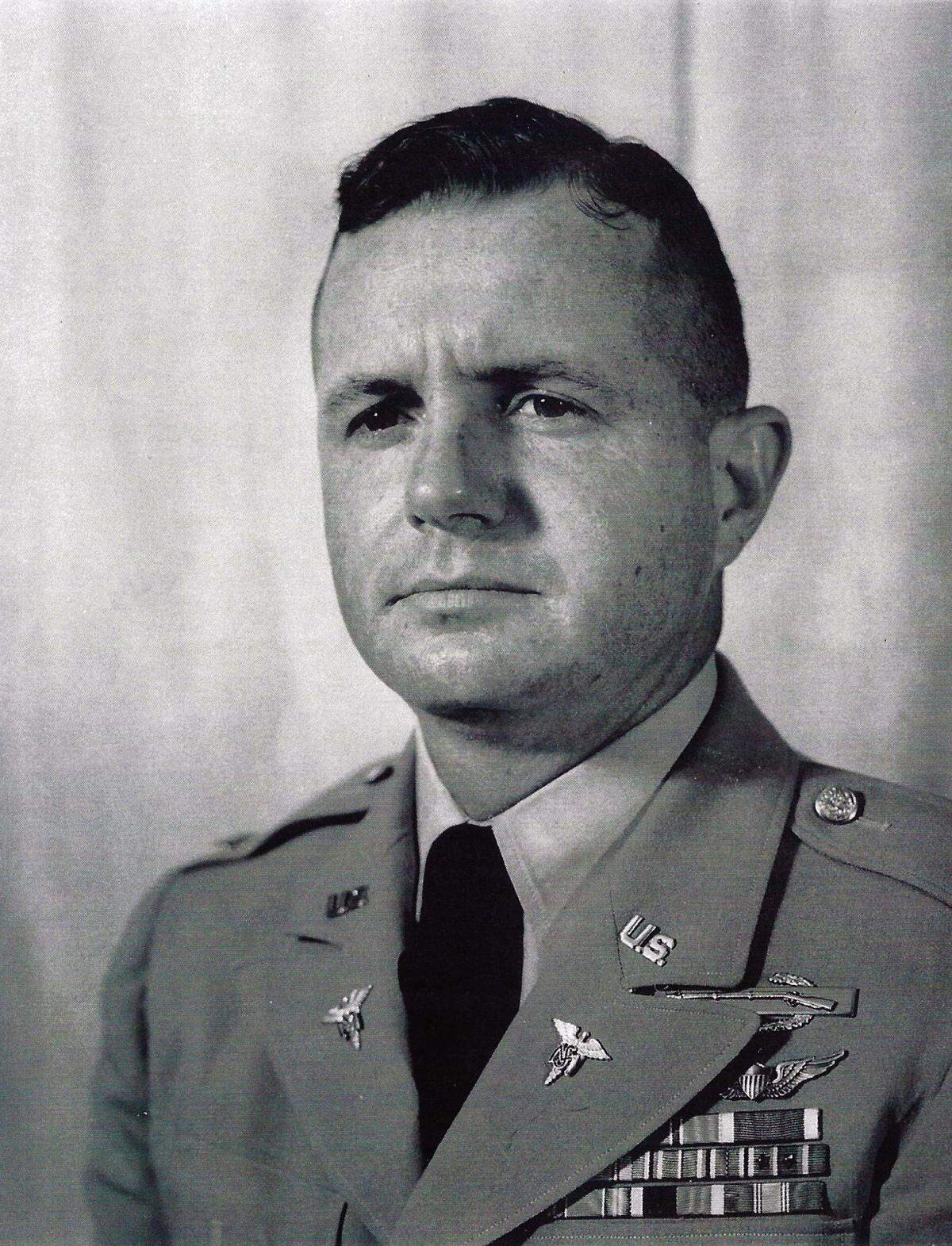
Kelly, a native of Wadley, Ga., joined the Army at age 15 and served four years in World War II. After his discharge, he completed high school and college and became a high school principal.
He entered the Army again in 1951 as a second lieutenant in the Army Medical Corps and graduated from flight school at Fort Sill, Oklahoma, in 1954.
After several assignments in Europe and stateside, Kelly was promoted to major and became commanding officer of the 57th Medical Detachment in Vietnam in 1964.
That year, Kelly was awarded the Distinguished Flying Cross on three occasions for flying in hazardous conditions and under hostile fire to rescue downed helicopter crews and wounded soldiers.
Also that year, Kelly was awarded the Silver Star. A round of ammunition struck his helicopter’s main fuel valve while retrieving wounded soldiers. Despite the aircraft being crippled, he reached the medical facility with only a few minutes of fuel to spare.
On July 1, 1964, when the ground advisor radioed him to abort another rescue attempt amid enemy fire, Kelly reportedly replied, “When I have your wounded.”
That phrase became the credo of many medevac pilots, according to the GMVHOF, after he was killed in action that day at age 39 — but not before he successfully loaded the wounded soldiers aboard the helicopter amid hostile gunfire. He posthumously was awarded the Distinguished Service Cross.
Q&A with Allen and Hadden
Here are excerpts from the Ledger-Enquirer’s interview with Allen and Hadden at the National Infantry Museum.
What’s your reaction to this honor?
Allen: “It’s a proud moment. I never thought I did very much to deserve the honor, quite frankly. But once I received notice, I felt the importance of showing up and expressing my support of the organization, which will honor people who came after me.”
Hadden: “I truly never expected it. I truly accept it as an honor, but it’s really because of the great service members that were working with me and for me that I’m here today. It’s one of those awards that needs to be spread to every one of them. You don’t go about taking the oath and serving your country seeking recognition or medals. . . . Somehow, we have to encourage the youth of this country to at least raise your right hand and give a year or two to their country.”
Why is national service important?
Hadden: “This country can always improve itself. There’s no doubt about that. But, you know, freedom itself is never free. We’ve heard others say that, but it’s so true. I guess I was inspired by John Kennedy. He said, ‘Ask not what your country can do for you but what you can do for your county.’ And somehow, I always took that to heart and kind of lived my life that way. It’s giving to others that makes everybody and everything stronger and better.”
Allen: “My first impression upon signing up for ROTC was to — to be quite frank with you — get the money every month. I was just a poor kid in college trying to make it. … But my approach to my service was not that of being angry with the enemy. It was more doing what I was commissioned to do and what my oath to the country said I should do. I felt that since other guys were going over and getting killed — some of them — I needed to carry my load. Even after coming back and having people killed, I still had no animosity toward the enemy.”
Both of you have had distinguished public service careers in the civilian world after distinguished military careers. Why was it a priority for you to serve your community as well?
Allen: “I’ve always wanted to join and serve as best I could: Special Olympics, Rotary.”
Hadden: “There are opportunities out there that need folks willing to volunteer and give back their time. … You’re taught something in the military you carry with you forever if you learn the basics: Figure out how to accomplish a mission and do it, and take care of your people. Your people are always a team, and the better you take care of them, the more everybody is able to accomplish.”
What else have you learned from your military service that has helped you engage in the community and be a leader?
Hadden: “After two tours in Vietnam, the Army told me I needed an education. So I became a graduate of the University of Alabama, and I learned something throughout that whole process: Never stop learning. … My leaders were always trying to get me to learn something different, something to do the job better, something to help the soldiers better. … I used all of that along the way and still use it today.”
Allen: “Service in the military breeds in the people who serve a sense of obligation to give time, effort and energy. I think that might have been what drove me. … So it wasn’t for the accolades. It was something in it, about having served in the military, that was personal — not just satisfaction — but the personal drive to do something for somebody else.”
What’s the biggest misconception about the military?
Allen: “I don’t intend for this to sound political, but our joint chiefs, in the recent political battle, stood their ground and said they would live by their professional commitment and not be involved in doing what the then-president was trying to get them to do. I was extremely proud of that. … There’s a sharp, well-educated, politically neutral military.”
Hadden: “The vast majority of our youth today have never really read the Constitution and the Bill of Rights. When you join the military and you raise your right hand to support and defend the Constitution, most of us are going to take time to read that because that’s what we’re agreeing to uphold. … That’s not to an individual. It’s not to a party. It’s to the Constitution, what it really means and what it really represents.”
Selection process
The Georgia Military Veterans Hall of Fame, a nonprofit corporation, was established in 2013 to honor Georgia veterans and educate the state’s resident about these heroes. To be eligible for nomination and induction, veterans must be:
- Honorably discharged from active or reserve duty in the U.S. Army, Navy, Air Force, Marines or Coast Guard.
- Born in Georgia or entered the military in Georgia or lived in Georgia for at least 10 years.
Georgia veterans, alive or deceased, may be nominated and selected in one of three categories:
- Valor: Heroic action or actions in combat for which an award or awards are given.
- Achievement: Significant contribution to the well-being of the military.
- Service: Significant contribution to the community, state or nation after leaving the military.
Members of the independent selection committee evaluate the nominations without meeting or communicating with each other and must remain anonymous to ensure “a totally unbiased” process, according to the GMVHOF.
Previous local inductees
- 2013: Army Master Sgt. Vincent Melillo for valor and Army Col. Ralph Puckett Jr. for valor.
- 2014: Army 1st Lt. Duke Doubleday for valor, Army Master Sgt. Vincent Jerome Farrell for valor, Marine Sgt. Ed Harbison for service, Army Master Sgt. Milton Lockett Jr. for service and Army Col. Robert Stephen Poydasheff for service.
- 2015: Army Col. Donald Mathis McKay for valor, Army Col. Carlton Gerald Savory for service and Navy Machinist Mate 1st Class S.O. Swygert for valor.
- 2016: Army Sgt. 1st Class Earl Fredrick Burke for valor, Army Lt. Gen. Carmen James Cavezza for valor and Army Master Sgt. Michael Patrick Dover for service.
- 2017: Army Capt. Fred Orr Jackson Jr. for valor and Army Master Sgt. Patricia Elaine Liddell for service.
- 2018: Army Lt. Gen. Benjamin Randaulph Mixon for service, Army Lt. Col. Martin Reyna for valor and Army Maj. Gen. Jerry Allen White for service.
- 2019: Army Col. Gregory Clark Camp for service.
This story was originally published April 19, 2021 at 6:00 AM.