
Inquirer: State is getting out of the dam business
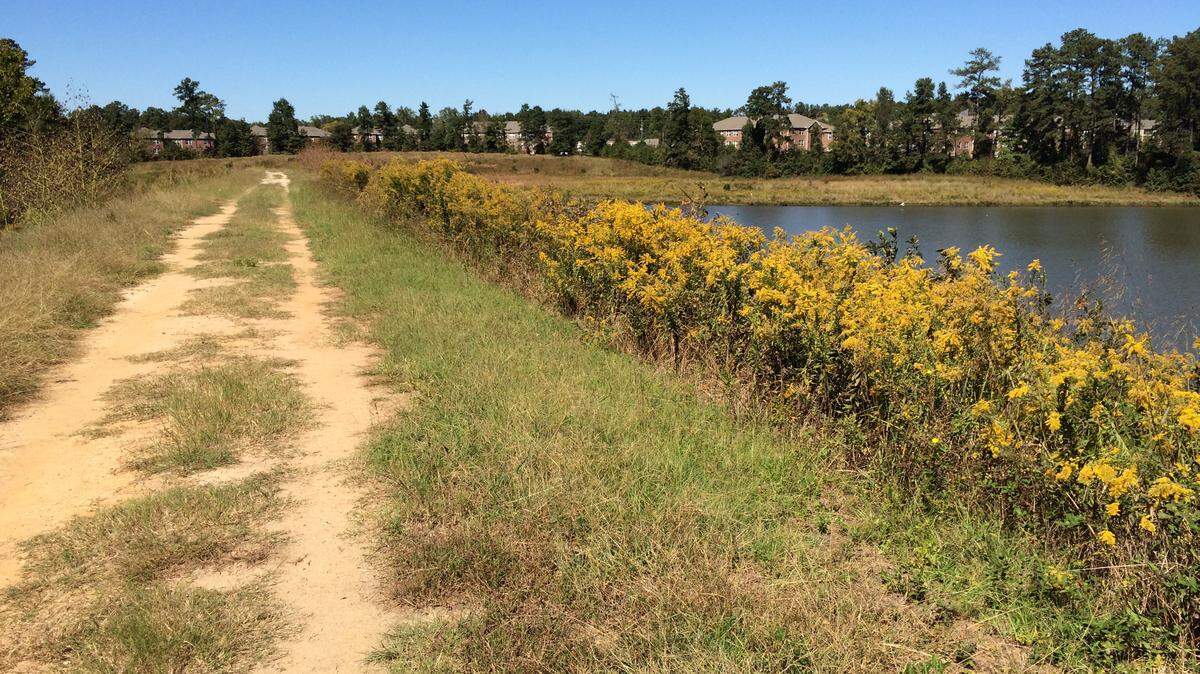
Columbus is dam fortunate.
A friend we'll call Kenny -- because that's what the ladies call him -- recently sent me a link to National Public Radio story on the condition of the nation's dams, and how little is being done to address their deterioration.
He pondered in his email, "I wonder about the status of Bull Creek watershed dams at Flat Rock, Cooper Creek, Schataulga Road, etc."
As with most NPR stories, it was interesting and informative. It turns out Georgia has more than its share of rivers and creeks, so it has more than its share of dams, more than 4,000 of them.
Only New York State and Oklahoma have more dams. About 12 percent, or close to 500, of Georgia's dams are considered high-hazard, and in 2014, only about 25 of those were inspected.
That may be because Georgia spends so little on inspecting its dams. While we spend about $675,000 for our 4,115 dams, Hawaii spends more than a mil
lion bucks, and it has only 133 dams.
But wait; it gets better. Georgia is getting out of the dam inspection business altogether, said Donna Newman, director of engineering for the city of Columbus. As it has been so fond of doing in many areas of governance lately, the state is passing along the responsibility (and the cost) of inspecting and maintaining dams to the counties.
So why, aside from my inclination toward being juvenile, did I begin this column by saying Columbus is dam fortunate?
"Columbus has some of the best maintained dams in the state," Newman said. "We've been told that numerous times."
The only dam Newman said that causes some periodic concern is the one that holds back Cooper Creek Reservoir, but it's not a serious concern.
"We've had some minor concerns with slope failure on Cooper Creek, but that's just on the surface, where it's the result of the soil materials," Newman said. "We've been working to get funding to get that replaced at some point. We'll go out there and redress the slopes. We get Public Works to do that, dress up the slopes and the seed it and monitor it a little closer than the others."
In the past, representatives from the state Department of Natural Resources and the National Resource Conservation Service have done those annual inspections. But going forward, the cities or the owners or operators will now be responsible for having the dams inspected by a certified inspector.
So Columbus will now have to pay a certified dam inspector to inspect the 11 or 12 dams that the state has inspected in the past. Newman said she expects that to cost local taxpayers between $35,000 and $50,000 a year, so it's not a budget-buster. But still, it's a cost that the state is passing down to localities.
Trickle down, I think it's called.
Update
I got a text message with a photo from last week's Concerned Reader showing the Georgia Power people stabilizing the utility pole I wrote about. The work was being done in preparation for replacing it. The utility guys said they weren't surprised that it was rotting because the pole is 60 years old, which means it was installed the year I was born. That brought to mind a card I got on my 60th back in April.
"Sixty isn't old " it read, "If you're a tree."
Seen something that needs attention? Contact me at 706-571-8570 or at mowen@ledger-enquirer.com.
This story was originally published October 18, 2015 at 9:15 PM with the headline "Inquirer: State is getting out of the dam business ."