
Destroyed section of ‘America’s largest sand castle’ is rebuilt at historic NC fort
.jpeg "A section of historic Fort Fisher that was ripped apart to create an Army airfield during World War II has been restored. It took three months to recreate the feature.")
Fort Fisher on the North Carolina coast holds the distinction of being both a Civil War historic site and a little-known monument to African-American muscle.
It served as the Confederacy’s largest earthwork fortification, sprawling 1.5 miles along a narrow island separating the Cape Fear River from the Atlantic Ocean.
And that means it may also be the largest historic structure ever built by enslaved African Americans.
Much of “America’s largest sand castle” has been lost over the past century, but a long-gestating plan to rebuild a key section has come to fruition and will be showcased Saturday, Jan. 18.
The daylong event coincides with the 160th anniversary of the fort’s fall to Union troops in 1865.
“It’s been a dream down here to rebuild this segment of earthworks since 1960s. We finally did it,” Fort Fisher site manager Jim Steele told McClatchy News.
“It’s symbolic. Fort Fisher has endured a lot. It was damaged in battle, neglected for years and years, and (ocean) erosion accelerated, carrying away the sea-facing side. That was bad enough, but then Highway 421 came through the fort and in 1941, part of it was bulldozed for an air strip by the Army.”
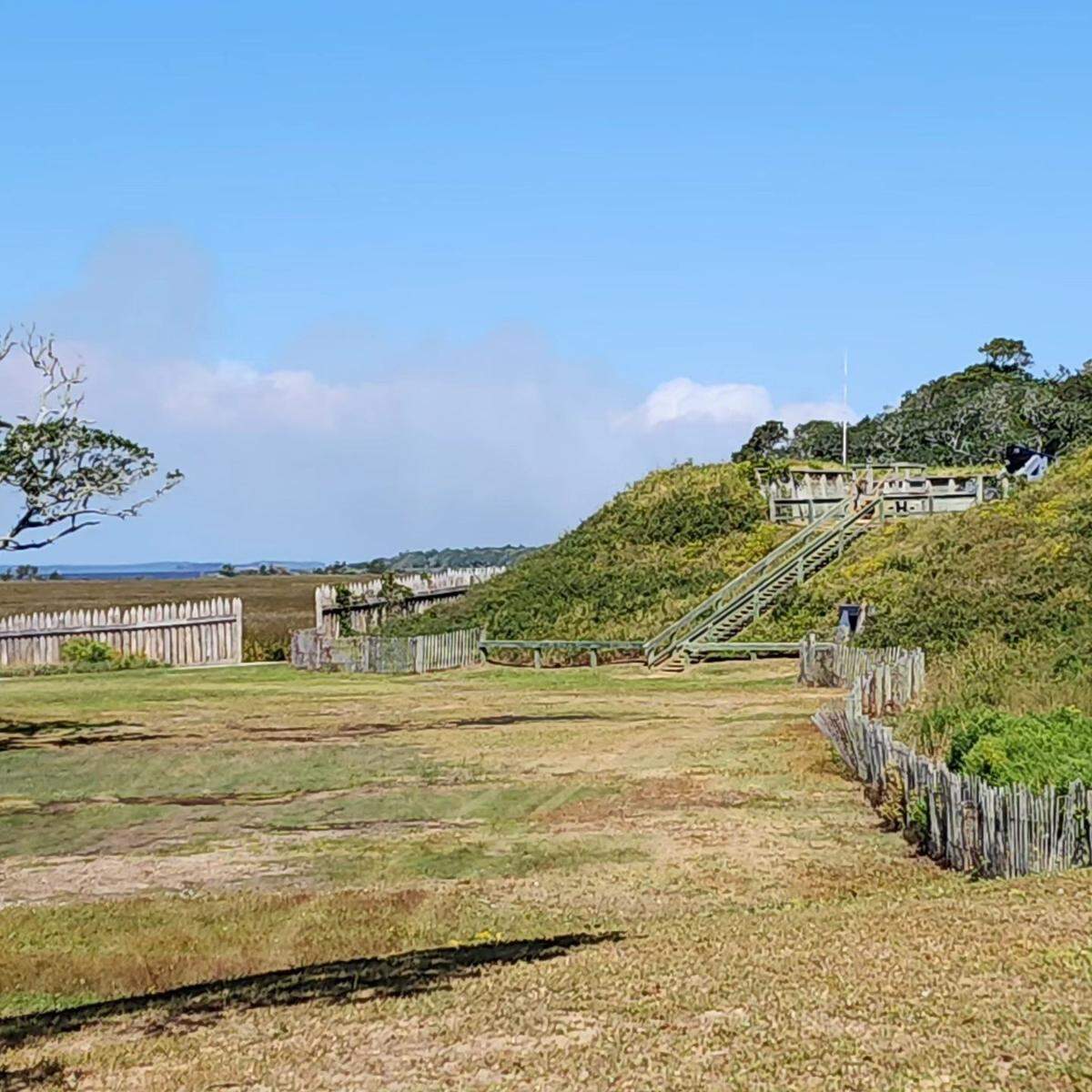
It’s the “bulldozed” section — about 70-yards wide — that has been recreated, including a sally port tunnel entrance and ammunition magazine.
The addition means about 15% of the L-shaped fort is once again standing.
Built by the enslaved
Enslaved people “were impressed” as the construction crew for Fort Fisher, and the plantation owners were compensated by the Confederacy, Steele said. A “much smaller” number of conscripted Native Americans from the Lumbee Tribe in Robeson County also helped with the work, he said.
Building and repairing the fort went on nonstop during the four-year war, which required the slaves to rotate through for weeks or months at a time. When one group returned to the fields for harvest, another group took their place, Steele said.
“Fort fisher was essentially America’s largest sand castle ever built,” Steele said. ”Construction began around early in 1861 and it was a constant construction project of building and rebuilding. It was worked on until the eve of the (final) battle.”
The laborers worked like a chain gain, using picks and shovels and wheel barrows to roll tons of sand uphill to raise the walls. Then another group walked shoulder to shoulder atop the mound, tamping down the soil with sticks, according to Steele.
“It had to look like a gang of army ants, an endless chain of men pushing wheel barrows up and down hills,” he said.
“Having now watched this little segment of the fort being rebuilt with modern equipment, it really makes you stop and think. It gives you an appreciation and a lot of sympathy for the laborers who did not just wreck their bodies building the fort (by hand) — many of them died.”
Why it matters
Known as the “Gibraltar of the South,” Fort Fisher was created to stand guard over the Cape River port at Wilmington, 17 miles to the north.
Its ocean-facing cannons were critical to defending supply ships as they tried to slip through a Union blockade of the port, according to historians.
When the fort fell on Jan. 15, 1865, Gen. Robert E. Lee was forced to surrender within 90 days as supplies dwindled.
With the war over, a once-thriving tent city of enslaved workers became a ghost town and maritime forest reclaimed the site.
The state started buying up property in the area in 1960s after witnessing the piece-by-piece destruction of the fort. It has since been a National Historic Landmark and listed in the National Register of Historic Places.
Steele joined the staff 18 years ago, and has seen annual visitation double to 1 million people.
The fort closed about three months over the summer as tons of sand were hauled in by a truck from a sand pit 35 miles north in Rocky Point.
It was finished in October, and seeing such a large piece of history brought back to life left Steele in disbelief. The missing segment contained the fort’s seventh, eighth and ninth traverses and gun chambers.
“Disbelief and astonishment at same time, and a powerful sense of satisfaction,” he said.
“Rebuilding a section of a fort is no small undertaking.”
Want to see it?
A commemoration of the 160th anniversary of the final Battle of Fort Fisher begins at 10 a.m. Saturday, Jan. 18, and concludes at 4 p.m. It is free and open to the public.
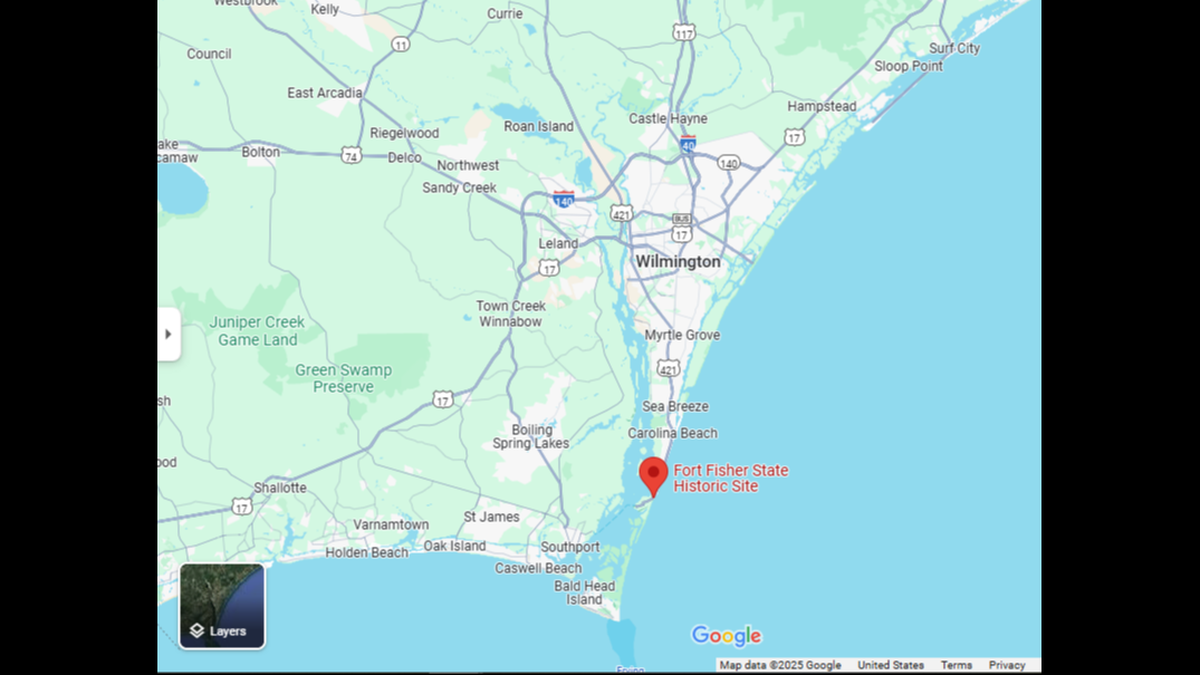
The fort is at 1610 Fort Fisher Boulevard in Kure Beach, about a 145-mile drive southeast from Raleigh.
Demonstrations will include 19th-century weapons and living history displays, and historians will discuss the fort’s saga. The schedule can be found at Historicsites.nc.gov/news/events/fort-fishers-160th-anniversary-event.
This story was originally published January 15, 2025 at 2:09 PM with the headline "Destroyed section of ‘America’s largest sand castle’ is rebuilt at historic NC fort."