
Bone-eaters, ‘faceless’ creatures of the deep and more spooky wildlife encounters

The summaries below were drafted with the help of AI tools and edited by journalists in our News division. All linked stories were reported, written and edited by McClatchy journalists.
In the world of scientific research, the phrase “a face only a mother could love” takes on an entirely different meaning.
While some haunting creatures may be considered nightmare-fuel for most people, the scientists who study them couldn’t be happier to get a closer look.
As Halloween approaches, take a look at some recent stories featuring the spookier side of nature.
Creepy sea creatures caught on video in ‘worm invasion’ in Canada. ‘The Thing’ vibe
In British Columbia, an unusual phenomenon unfolded as swarms of giant pile worms emerged from the ocean depths, creating a scene reminiscent of a science-fiction thriller. These marine worms, typically residing beneath the ocean floor, surfaced en masse to mate, presenting a rare and unsettling spectacle. The synchronized emergence of these alien-like creatures added a chilling dimension to the natural world. | Published Feb. 12 | Read More |
‘Large’ fanged creature found behind a trapdoor in India. It’s a new species
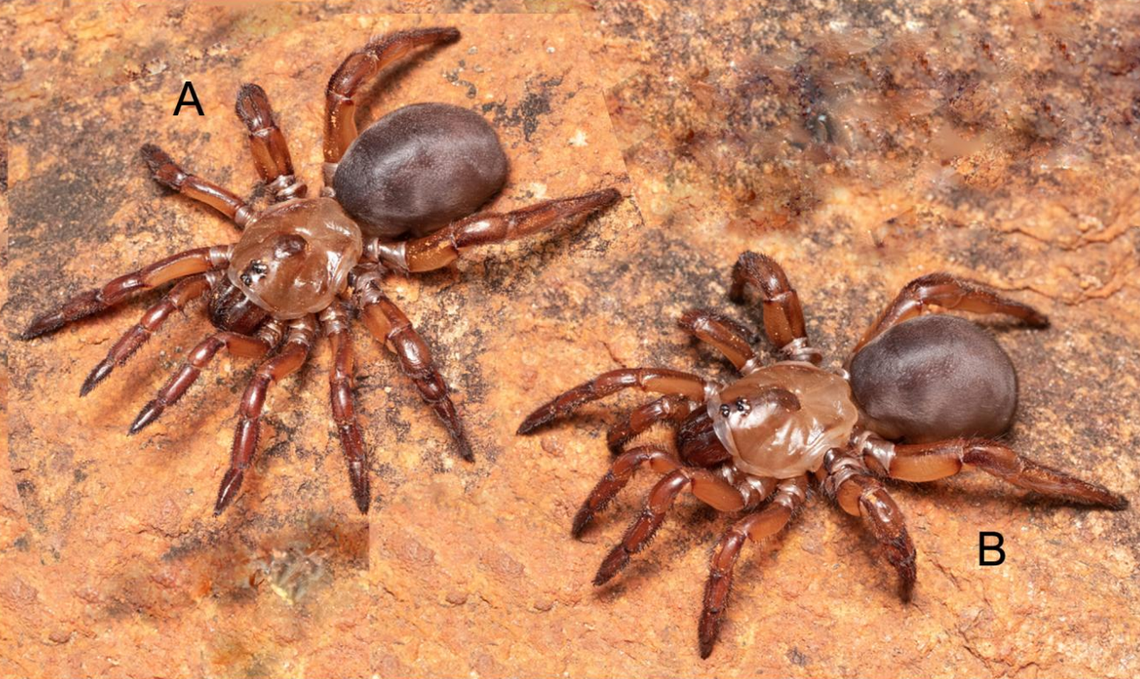
In the burrows of southern India, researchers discovered the southern trapdoor spider, Heligmomerus australis, a species characterized by its formidable fangs and bristly body. This arachnid, with its eight eyes and subterranean habitat, presents a fascinating yet eerie addition to the region’s biodiversity. Found near the Kalakad-Mundanthurai Tiger Reserve, this discovery highlights the rich and sometimes unsettling diversity of arachnids. | Published May 27 | Read More |
‘Ancient nests’ of bone-eating vultures reveal centuries-old artifacts in Spain
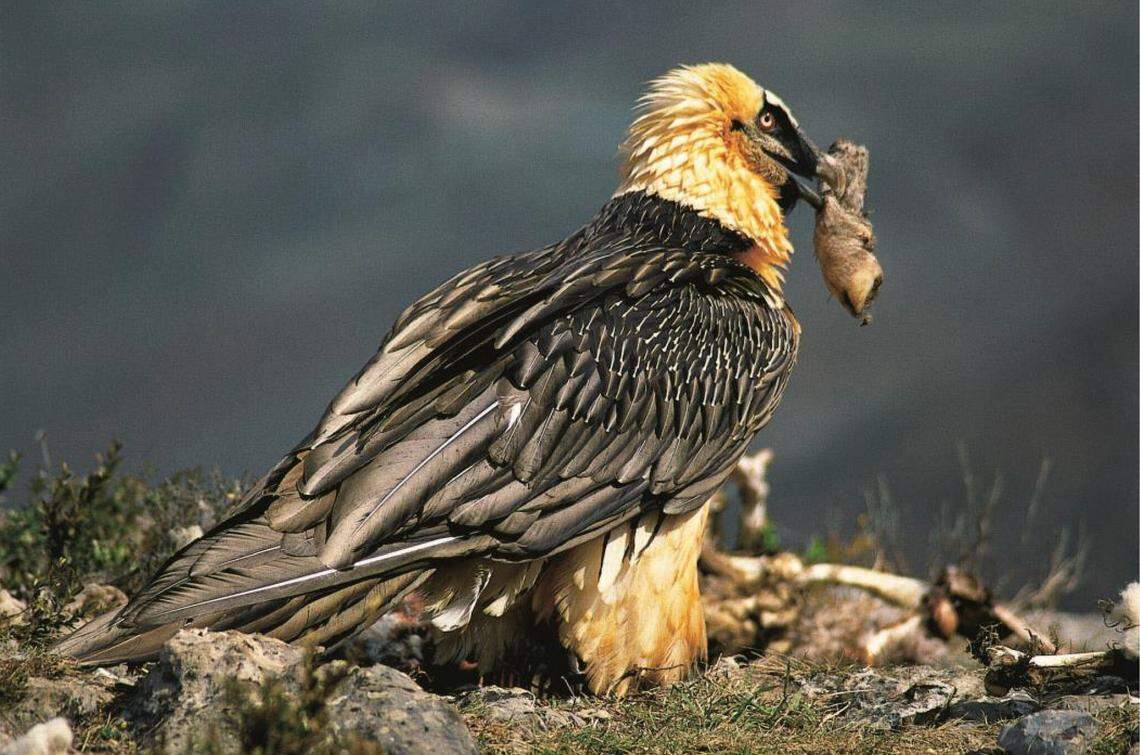
In southern Spain, abandoned nests of bone-eating vultures were found to contain a trove of centuries-old artifacts, offering insights into historical human activity. These “ancient nests,” once occupied by the bearded vulture, held a collection of bones, leather, and even a crossbow bolt, providing a unique archaeological perspective. | Published Sept. 19 | Read More |
‘Spiny’ creature that lies in wait under trapdoor is a new species in Australia

In Western Australia’s forests, the spiny trapdoor spider, Bungulla pipilata, was identified as a new species, known for its camouflaged trapdoor and ambush tactics. This spider, with its dark tan and charcoal-brown coloration, is a master of disguise, blending seamlessly with its environment. Its spiny, sensory hairs contribute to its distinctive appearance, marking it as a unique nocturnal predator. | Published Oct. 7 | Read More |
‘Faceless’ deep-sea creature spotted by submersible off Cook Islands. Watch it
In the deep waters of the South Pacific, the faceless cusk eel, Typhlonus nasus, was observed, its eyeless form a testament to the mysteries of the ocean depths. This creature, with its bulbous head and ghostly appearance, navigates the abyss guided by its large nostrils. Rediscovered after more than a century, the faceless eel underscores the enigmatic nature of deep-sea life. | Published Oct. 13 | Read More |
‘Woolly’ bat weighing as much as a nickel detected in Guatemala for first time
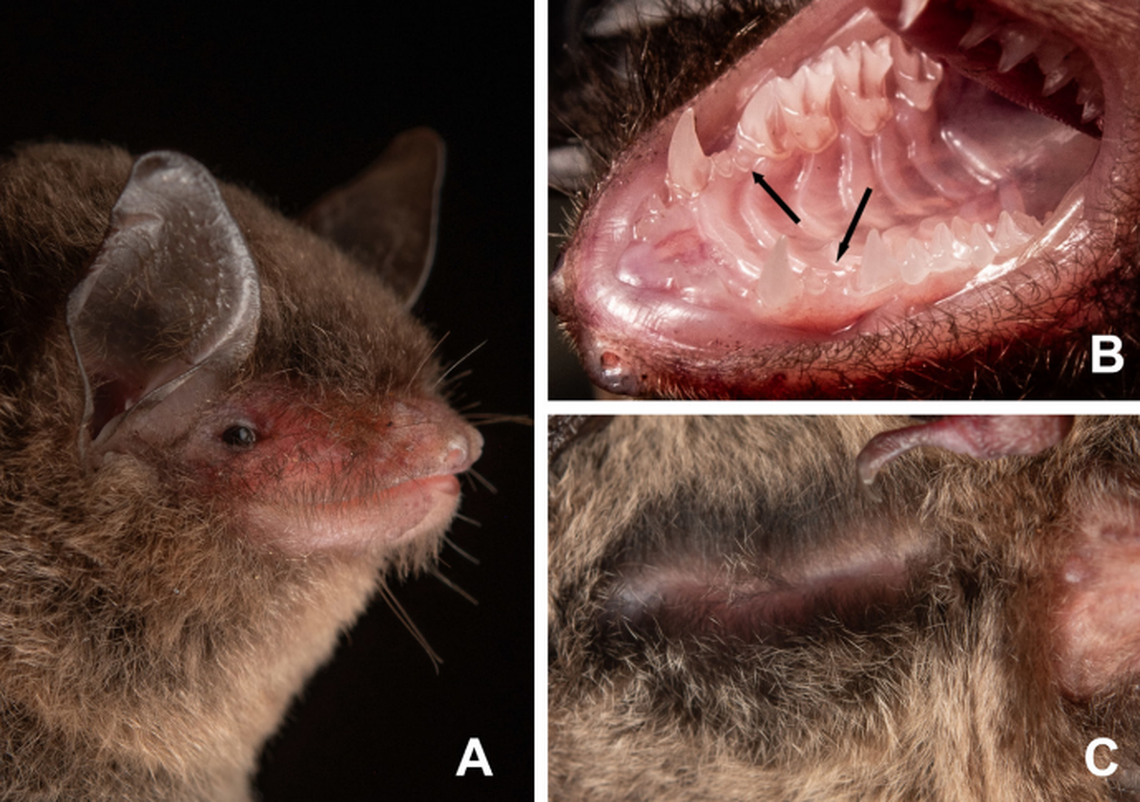
In the forests of Guatemala, the Myotis riparius bat, known for its “woolly” appearance, was detected for the first time. This small bat, weighing as much as a nickel, features reddish-brown fur and a distinctive pinkish-brown face, adding to its spectral presence. Its discovery in Central America expands the known range of this elusive species, contributing to our understanding of regional biodiversity. | Published Oct. 14 | Read More |
Cavers find huge ‘extraordinary’ spider colony on Albania-Greece border. See it
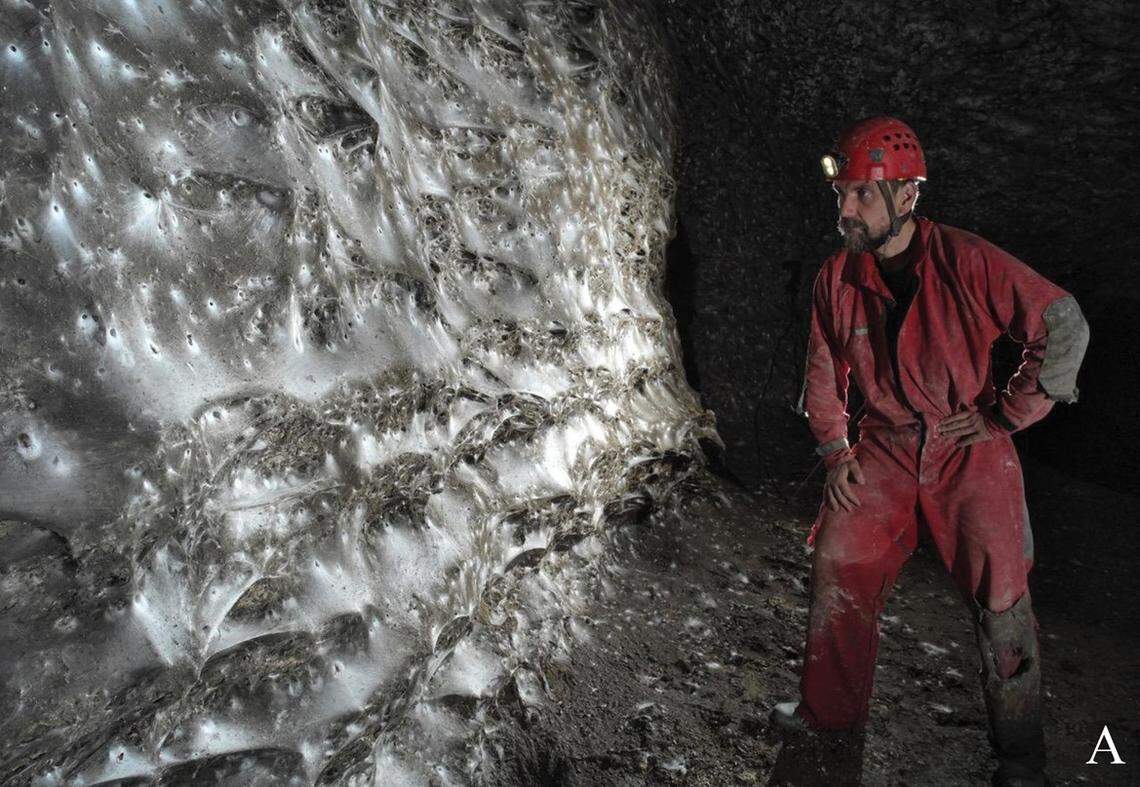
In Sulfur Cave, located on the Albania-Greece border, researchers discovered an extraordinary spider colony, home to over 111,000 spiders. This unique find, featuring a sprawling web constructed by domestic house spiders and Prinerigone vagans, presents a remarkable example of colonial web formation. The cave’s sulfurous environment and abundant invertebrate life contribute to its status as a significant ecological site. | Published Oct. 22 | Read More |
This story was originally published October 27, 2025 at 9:00 AM with the headline "Bone-eaters, ‘faceless’ creatures of the deep and more spooky wildlife encounters."