Haitians are set to lose TPS benefits on July 24. Here is what they need to know

With the U.S. Supreme Court having cleared the way for the Trump administration to end Temporary Protected Status for Haitians, immigration advocates say now is the time to start preparing.
More than 350,000 Haitians, many of them in South Florida, are expected to lose their legal authorization to live and work in the U.S. on July 24, leaving them vulnerable to detention and deportation if they do not have another lawful immigration status.
For months, organizations such as the San Diego-based Haitian Bridge Alliance, the Miami-based Florida Immigrant Coalition and Americans for Immigrant Justice have been urging Haitians in South Florida and other areas with large populations such as. Springfield, Ohio, to prepare for the possibility of losing their TPS. Now, advocates say, those preparations have become urgent.
“As much as we fight, and we will continue to fight, we want to make sure people are prepared and also have the right information so that they can make the right decisions for themselves,” said Guerline Jozef, co-founder and executive director of the Haitian Bridge Alliance.
For families, especially those with children, that means coming up with a plan right now.
“If God forbid you leave home, and you come in contact with ICE and are unable to get back home, who’s going to pick up your children from school?” Jozef said she said about the difficult questions people must now consider. “Who knows what kind of medications they should have? Who has access to your bank account? Car registration? Because when they take you, they just leave your car, and it gets towed. Who knows where your house mortgage papers are?”
People who are about to lose their TPS status also need to think about what is going to happen when they get to Haiti if they are deported.
The goal, Jozef said, isn’t to scare immigrants but to ensure they have the right tools and have plans in place at a time when many are paralyzed by uncertainty.
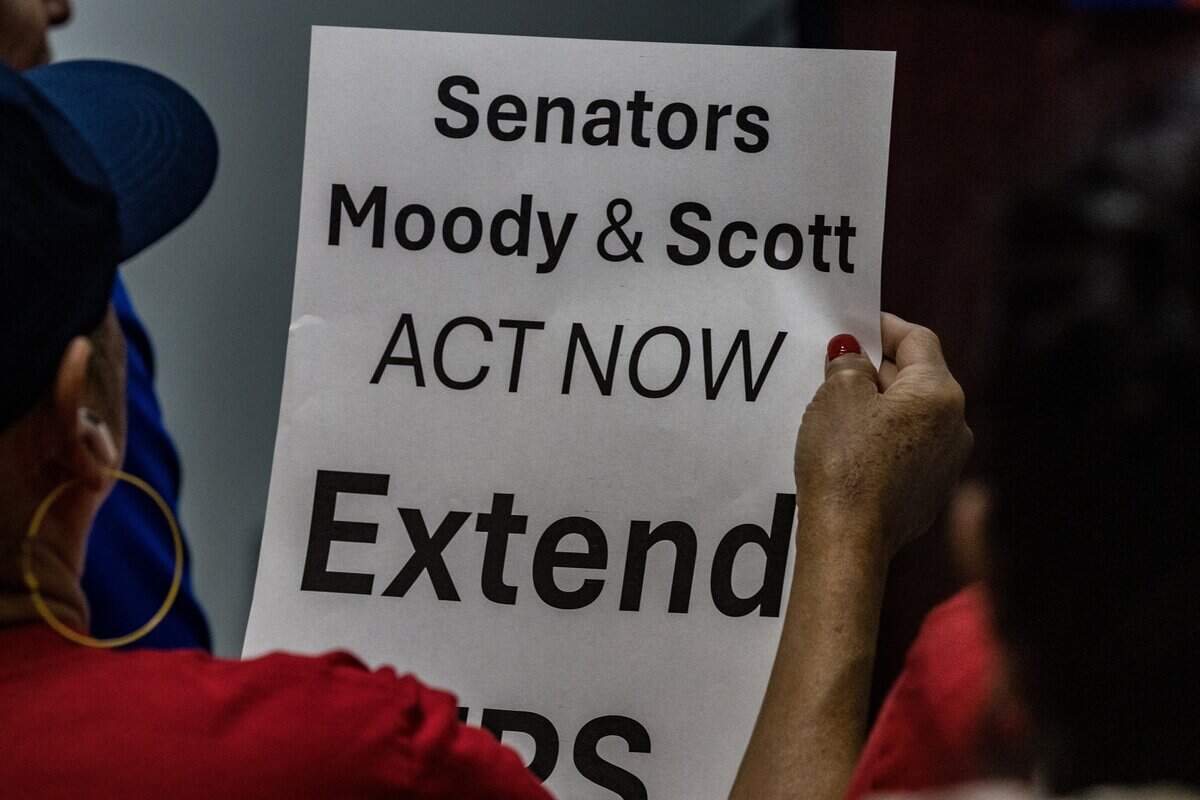
“It’s not something just the Haitian community needs, but everybody needs to have an emergency plan,” Jozef said. “But now more than ever, we’re asking all immigrants, especially Haitian TPS holders, asylum seekers, undocumented people to make sure they have a plan in place in case.”
Advocacy groups and some members of Congress, including the office of Miami Gardens Democratic Rep. Frederica Wilson, have offered guidance. They are encouraging families to prepare emergency plans and consult qualified immigration attorneys. They also encourage immigrants to be wary of scams from people who are not lawyers or charging exorbitant fees while promising help that may not exist.
Here are answers to key questions as well as suggestions for those who will soon lose their TPS status:
Why should you prepare right now?
Until now, many people on TPS delayed making plans believing that the courts or Congress would intervene. But the reality is, people need to start preparing for the possibility of being detained and deported if they have no other legal way to stay in the U.S.
Even those pursuing other visas or asylum could be vulnerable to detention; the Trump administration has been detaining asylum seekers and even green-card applicants who are spouses of U.S. citizens.
What documents should I gather?
Collect and keep in a safe place official identity and immigration documents.
Among them: passports, birth certificates, identification cards, Social Security cards and any records showing length of time in the United States. Also, gather property and financial records including mortgage documents, bank account information, insurance policies and medical records.
Seek out a qualified immigration attorney and talk with family about emergency plans and powers of attorney.
Consider making arrangements for:
- Bank and retirement accounts or pensions;
- Your home or rental property;
- Life insurance policies and investments;
- Your vehicle;
- Bills and recurring payments.
What happens to my U.S.-born child if I am deported?
Lawyers and advocates strongly recommend naming a trusted caregiver to serve as guardian of minor children and drafting a power of attorney to allow decisions to be made on matters such as medical care, education, housing, etc.
In South Florida, families in need of immigration assistance may contact AI Justice’s Family Defense Program by calling 305-573-1106, ext. 8008, Tuesdays and Thursdays from 9:00 am ET to 11:00 am ET, or email familydefense@aijustice.org.
Should I tell my children what is going on?
Advocates recommend having age-appropriate conversations with your child about what to do should you not return home. They should know who to call in an emergency, who will pick them up from school and who will care for them. Leave a list of contacts to reach out to in case you are detained.
Can my representative in Congress help me?
Congressional offices cannot communicate with federal agencies about an individual case unless the office has written permission from the person involved. TPS holders are encouraged to complete a Congressional Privacy Release Form as soon as possible, signing it and leaving a copy with someone they trust who can submit it if they are detained. Also make an electronic copy of the document.
The form should also be renewed every 90 days if needed. Here is a form for U.S. Rep. Frederica Wilson’s office.
Will I be deported automatically when TPS ends?
No. Deportations are not automatic the day TPS ends. Generally people return to the status they had before TPS. Those who had no legal status before receiving TPS may become removable under immigration law.
Should I consult a lawyer?
Speak with a qualified, licensed immigration attorney to see if you qualify for another form of immigration relief such as family-based residence or employment-based options, humanitarian protections or asylum/withholding. Eligibility depends on your individual circumstance, not TPS alone.
If no legal options are available, you may wish to discuss voluntary departure or other available processes with your attorney.
Can I still drive?
TPS beneficiaries remain eligible for a temporary Florida’s driver’s license only through July 24. After that, driving privileges are terminated and drivers risk detention and deportation.
Are there legal clinics that can help?
Americans for Immigrant Justice legal teams are present at FLIC’s Family Preparedness Clinics and/or Legal Consultations. You can find the schedule here.
Catholic Legal Services in Miami also has walk-in hours for intake on Monday and Tuesday from 9 a.m. to noon and on Wednesdays they help people renew their green cards and work permits. For site services and legal clinics, call 305-373-1073. You can also make a virtual immigration appointment online here.
What if I stay after TPS ends without any other status?
You will be considered undocumented and removable. That can lead to arrest, detention and deportation, and make future entry into the U.S. difficult if not impossible. U.S. law automatically bars people from coming back to the U.S. if they stayed unlawfully for more than six months.
What if I am detained?
You should memorize the numbers of a qualified lawyer or someone who can contact one on your behalf if you are detained. For legal assistance related to enforcement actions on prior to detention, call the RAISE Hotline at 1-888-600-5762 or visit raise.is.
If you or someone you know is in immigration detention, you can call Detention Program Hotline at 786-454-8554, Mondays to Thursdays, 9:00 am to 11:30 am ET and 1:30 pm to 4:00 pm ET
What if I had a prior removal order before I received TPS?
You should seek the advice of an attorney as soon as possible, because you may be subject to arrest, detention and removal.
Miami Herald staff reporter Syra Ortiz Blanes contributed to this report.
This story was originally published July 15, 2026 at 4:11 PM with the headline "Haitians are set to lose TPS benefits on July 24. Here is what they need to know."