
Millions of dollars will fund ‘major upgrades’ to Columbus infrastructure, Democratic leaders say
The recently-passed $1.2 trillion infrastructure package will bring to Columbus millions of dollars in projects and push the long-discussed Interstate 14 proposal closer to reality.
More than $11 billion will come to Georgia over the next five years as the result of the bill, according to Sen. Jon Ossoff’s office. Columbus will get a portion of those funds for public transportation, the airport and several other projects.
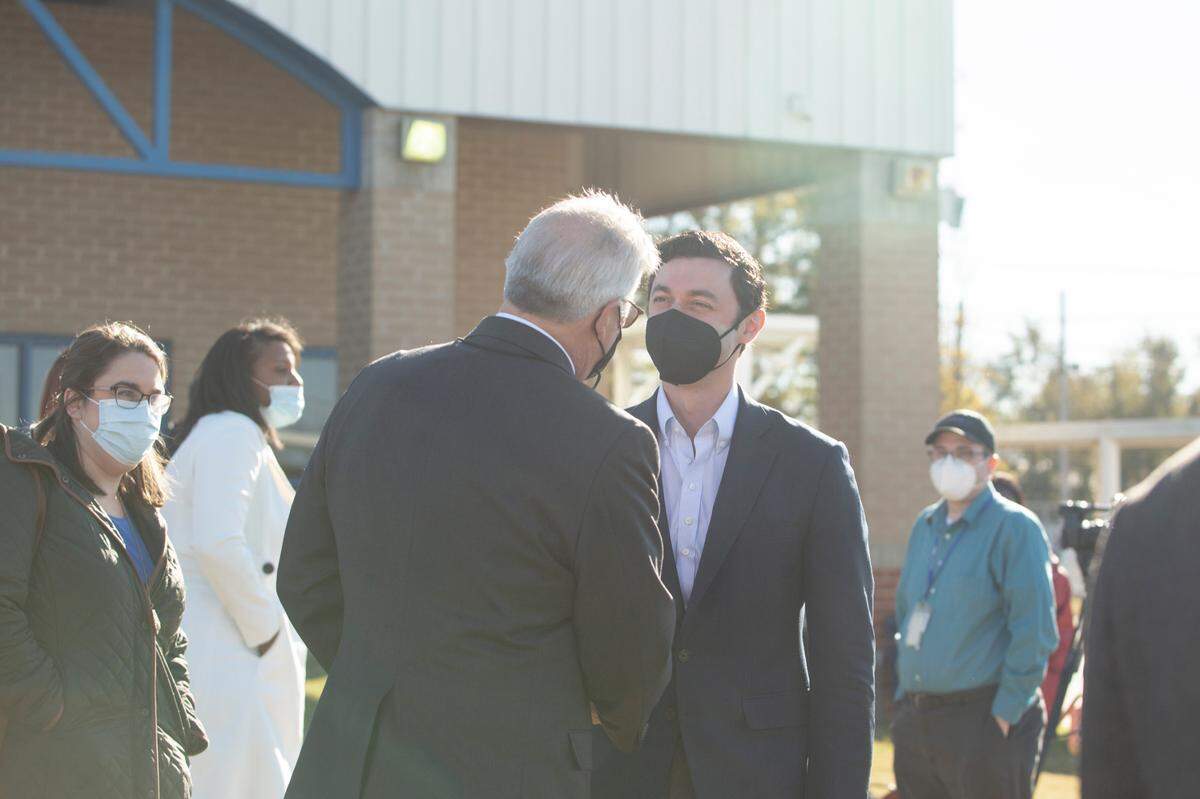
Georgia Democrats, including Ossoff, and Columbus leaders touted the impact the bill would have during two stops to the city this week.
According to Ossoff’s office, key portions of the bill include:
$1.36 billion in funding to improve and expand public transportation statewide
$8.9 billion to repair Georgia roads and highways
$225 million for bridge replacement and repairs statewide
At least $100 million to help provide broadband coverage across Georgia
$135 million to build an electric vehicle charging network across Georgia, as well as funding to replace transit vehicles and buses with clean, low- and zero-emissions vehicles
“These are major upgrades that will improve our quality of life, our public health and create more opportunity for us and future generations,” Ossoff said.
I-14
Language in the infrastructure bill designates I-14, including the proposed Georgia section, as a high-priority corridor. Sen. Raphael Warnock previously told the L-E that the bill provides no funding to the project.
The proposed interstate would run from west Texas through the middle of Louisiana, Mississippi and Alabama before reaching the Georgia leg in Columbus. The route would continue through Macon before reaching its end in Augusta.
It would link two of the state’s key military installations — Fort Benning near Columbus and Augusta’s Fort Gordon.
The already-existing Fall Line Freeway, which runs from Columbus to Augusta, could serve as the groundwork for I-14. However, state and local officials would make the final determination about the exact interstate path.
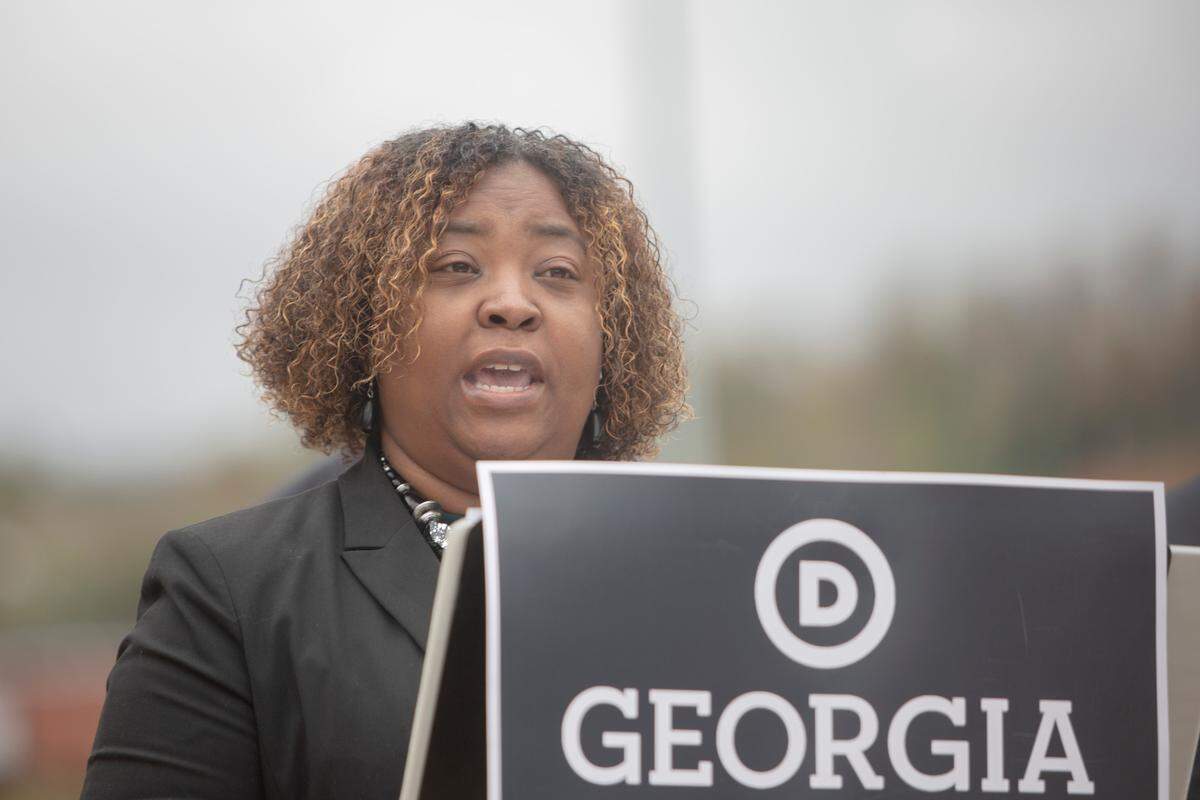
“We’re finally making progress on this interstate project,” said Columbus Councilor Toyia Tucker during Monday’s event. “The impact of this interstate will be huge for Columbus. It will make cities across Georgia more accessible to us. And make Columbus more accessible to the entire southeast, creating thousands of good-paying jobs.”
Efforts to get I-14 through Columbus have been pushed by Frank Lumpkin IV. Now a University of Georgia law student, Lumpkin began the quest as a high school student. The Youth Infrastructure Coalition, an I-14 lobbying organization founded by Lumpkin and other supporters, thanked Warnock and Cruz for their efforts in a news release.
“The next steps for Coalition members and I-14 Friends will be to work with each of the five state departments of transportation on final route selection, environmental clearance, selection of priority projects, and funding,” the group said in a statement last week.
Transportation, airports and other projects
Muscogee County will receive at least $20.7 million to improve and expand its public transportation, Ossoff said during his Tuesday visit to the METRA Transit System’s administrative office on Linwood Boulevard.
“That’s the floor,” he said. “We’re likely to see more than that coming to Columbus over the next five years.”
Over $619 million will be used for repairs and upgrades at Georgia’s airports. The Columbus Airport is eligible for a portion of those funds, said Sanford Bishop, who represents portions of Columbus in Congress.
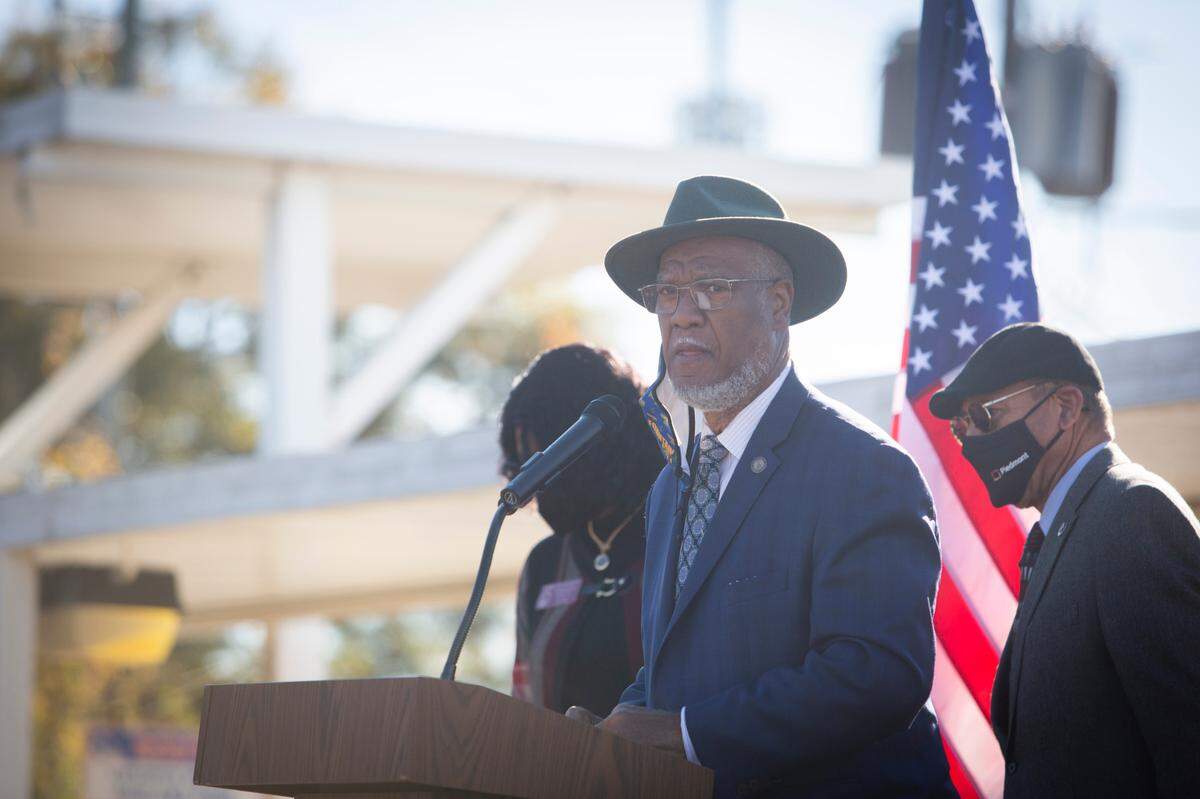
Columbus Mayor Skip Henderson called the bill’s passage “a major win” for the city. City Manager Isaiah Hugley told the Ledger-Enquirer that it’s unclear at this time how much the city will receive for other projects as a result of the new bill.
No Georgia Republican voted to approve the infrastructure bill in Congress. The measure passed the Senate with bipartisan support by a margin of 69 to 30.
“We got it done with Democrats and Republicans,” Ossoff said. “It sends a message to the people, and it sends a message to the world that America’s political leaders can put the interest of the nation ahead of the interests of their party.”
This story was originally published November 24, 2021 at 6:00 AM.