
Columbus lawmakers to take on health care, crime and gambling issues as session begins
Columbus lawmakers will be back under the Georgia Capitol’s gold dome Monday for the start of the 2022 legislative session.
Health care, gambling, education and mental health are among the major issues legislators hope to address during the session.
New maps for the state’s congressional and general assembly districts have been redrawn, and legal fights over the new boundaries are underway.
The session ends March 31. Here’s a breakdown of news to expect during the session:
Health care is a ‘900-pound gorilla in the room’
Reps. Calvin Smyre (D-Columbus), Debbie Buckner (D-Junction City), Carolyn Hugley (D-Columbus) and Richard Smith (R-Columbus) told the Ledger-Enquirer that health care is a top priority this session.
Hugley would like to reward state health department employees for their work during the COVID-19 pandemic. She said she plans to work with the chair of health appropriations to better fund the Georgia Department of Public Health.
“COVID-19 should cause us to rethink the importance of the public health system,” Hugley said.
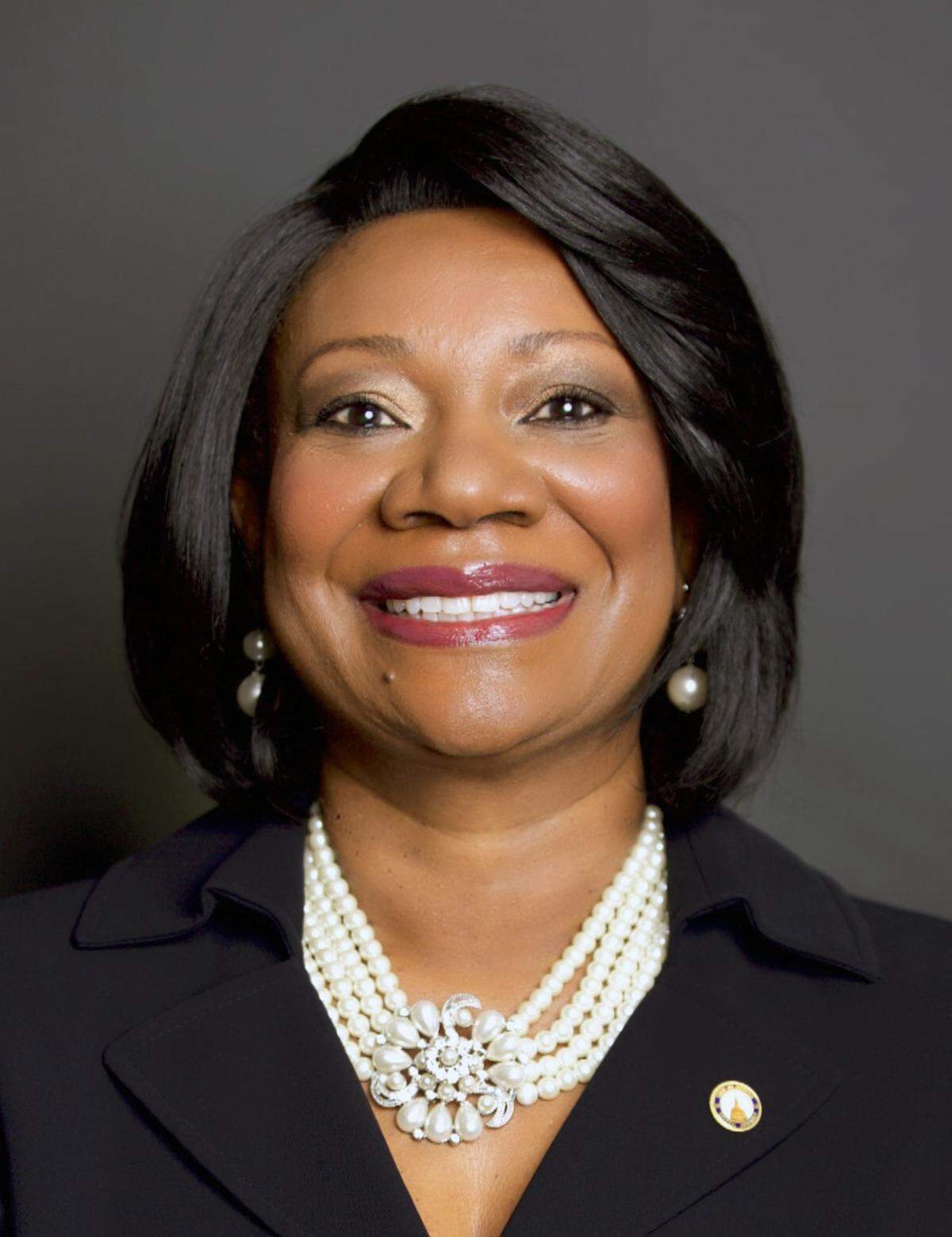
Buckner, a former senior public health educator with the Columbus health department, said she’s concerned about the state’s health care payment system as Georgia continues to deal with the COVID-19 pandemic. Buckner said it could be addressed in several ways, including through an expansion of Medicaid.
Georgia Health News reported The U.S. Centers for Medicare and Medicaid Services recently accepted Georgia’s waiver concept of increasing Medicaid enrollment but denied the state’s request to impose eligibility requirements on recipients, such as 80 hours of work. Gov. Brian Kemp could challenge it in court or drop the issue.
Federal legislation could provide a workaround. The Build Back Better bill being considered in Congress would allow the federal government to provide coverage in the health insurance exchange to residents in states that have not expanded Medicaid.
“I’m just concerned that down the line there might be some repercussions for the people who had COVID,” Buckner said. “Right now, we’ve got an awful lot of uninsured people who have been out of work. (They) may go back to work and may or may not get jobs that pay the same or have insurance.”
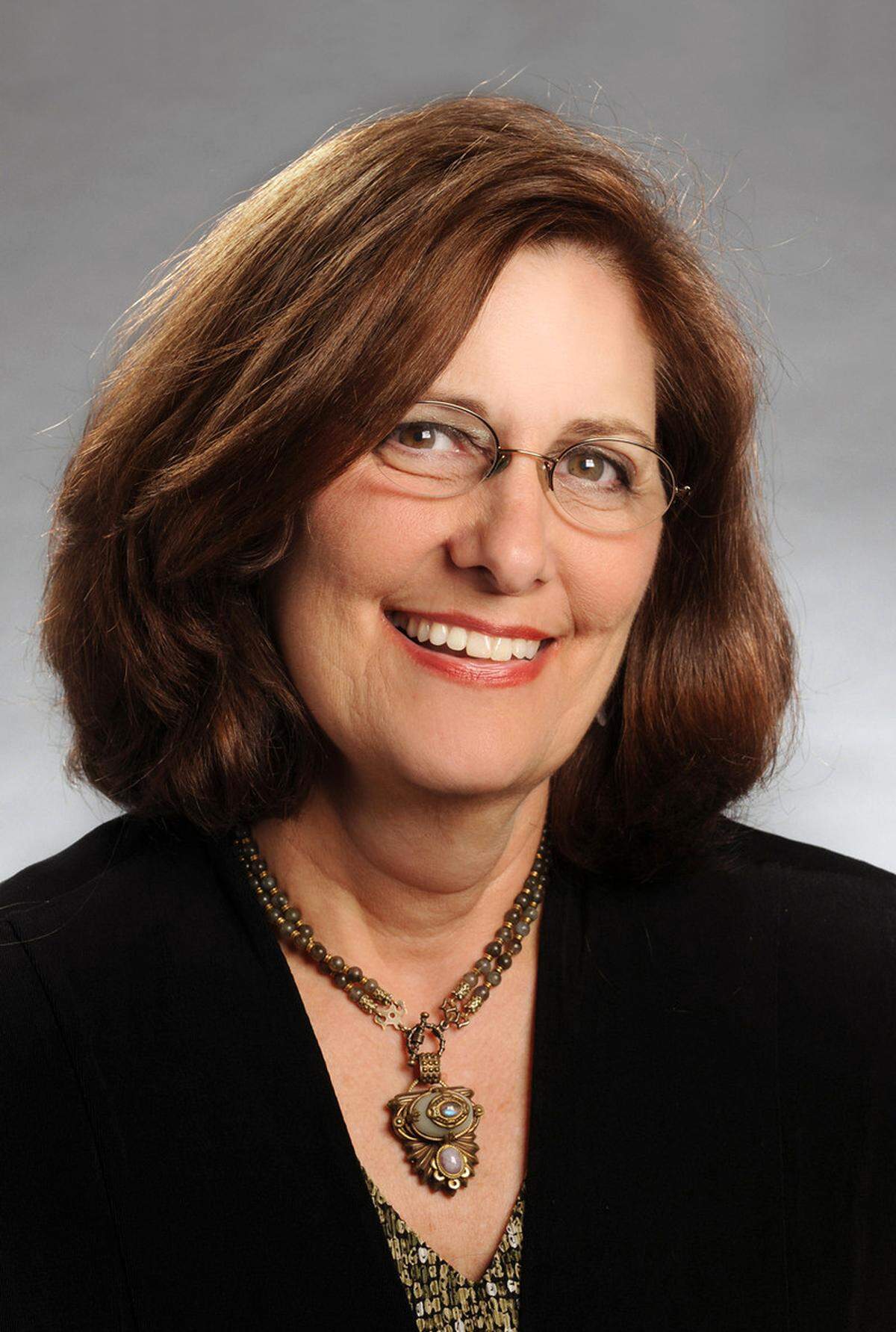
Richard Smith said health care is one of several “900-pound gorillas in the room” that state lawmakers need to address. Rural parts of the state, like Harris and Stewart counties, need more doctors, pharmacists and other health care infrastructure, he said.
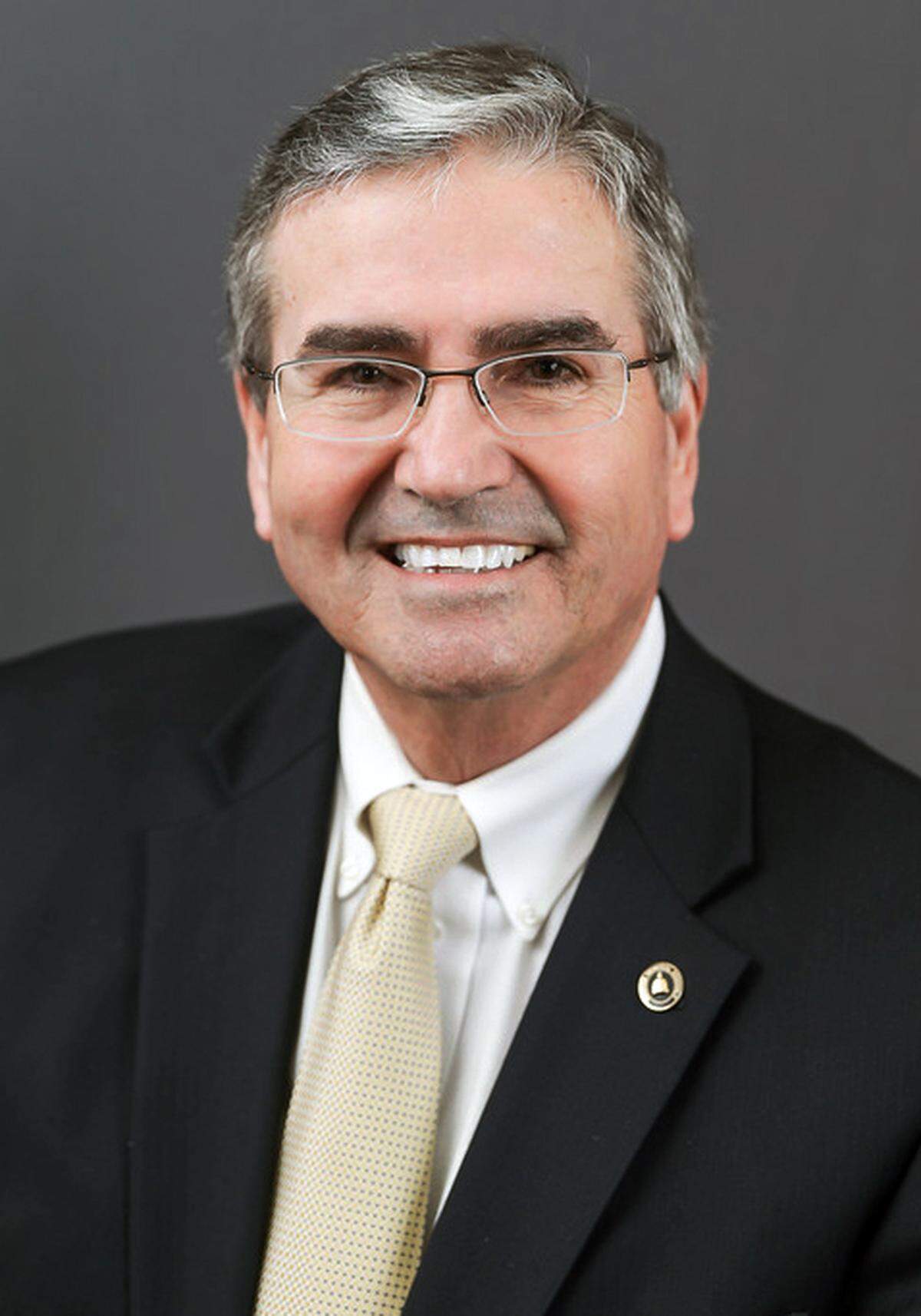
“We’ve got to encourage physicians to go to these underserved areas to provide these Georgians with health care,” he said.
The 2022 session could be the last for Smyre, who was tapped by President Joe Biden to serve as U.S. ambassador to the Dominican Republic. The U.S. Senate is expected to vote on his appointment in the near future.
Smyre said he has several issues he’d like to address before leaving the general assembly after nearly five decades.
These include improving health care access and expanding Medicaid.
Gambling, crime mental health and other big issues
Education, mental health, transportation and gambling will also be key focus points for Smyre. The longtime Columbus representative mentioned destination resorts like casinos and sports betting as two areas to address.
Such gambling in the state is outlawed, though Smyre was one of six lawmakers who proposed a constitutional amendment last year that could have allowed casino operation in Georgia. A swath of 150 acres along the Chattahoochee River near Rigdon Park has been eyed as the site of a possible Columbus casino.
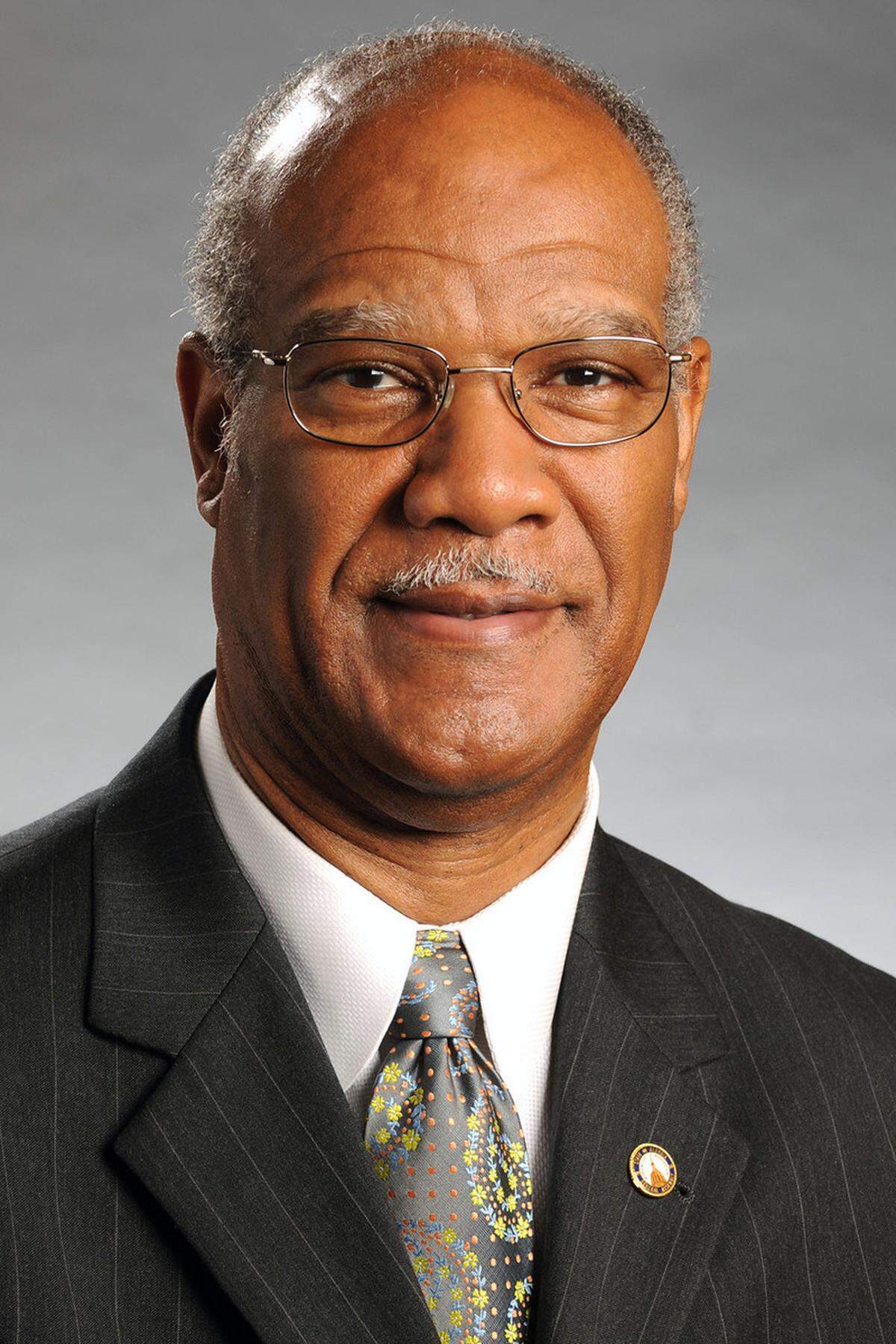
Georgia House Speaker David Ralston told Atlanta radio station WABE Thursday that there is an “appetite this session” unlike anything he’s seen to expand gambling.
For Richard Smith, mental health and addressing crime are other areas of focus. His name won’t appear on legislation. He said other lawmakers will carry the bills because he chairs the powerful House Rules Committee that determines which bills will be debated and voted on.
Crime, Smith said, is a problem statewide and here in Columbus. He’s not the only legislator this session looking to address public safety.
Lt. Gov. Geoff Duncan, who serves as president of the Senate, said during a news conference in early January that one of his legislative priorities this session is the Less Crime Act, which creates a tax credit for donations to local law enforcement.
“We’ve got to have a system that encourages individuals to get into public safety, and then, we have to ensure they stay there,” Smith said. “This defunding the police … was about the craziest thing I ever heard. (Columbus) had 70 (homicides) last year.”
Buckner told the L-E she had several other pieces of legislation she’d like to put forward. They include:
HB 176 to protect the Chattahoochee River from potential leakage from unlined coal ash ponds
HB 810 to exempt menstrual products from sales tax
A bill to promote the sharing of information within the child welfare system between proper state and local entities.
Buckner said she also plans to support a bipartisan mental health bill that is expected to be announced by Ralston, the House speaker, in the near future.
Among the items Rep. Vance Smith (R-Pine Mountain) hopes to pass this session is an improved “811 call before you dig” bill that he proposed last year. Handling the budget also will be key, he said.
“That’s the only thing we’re mandated to do,” he said told the Ledger-Enquirer about the budget. “That is always the main focus.”
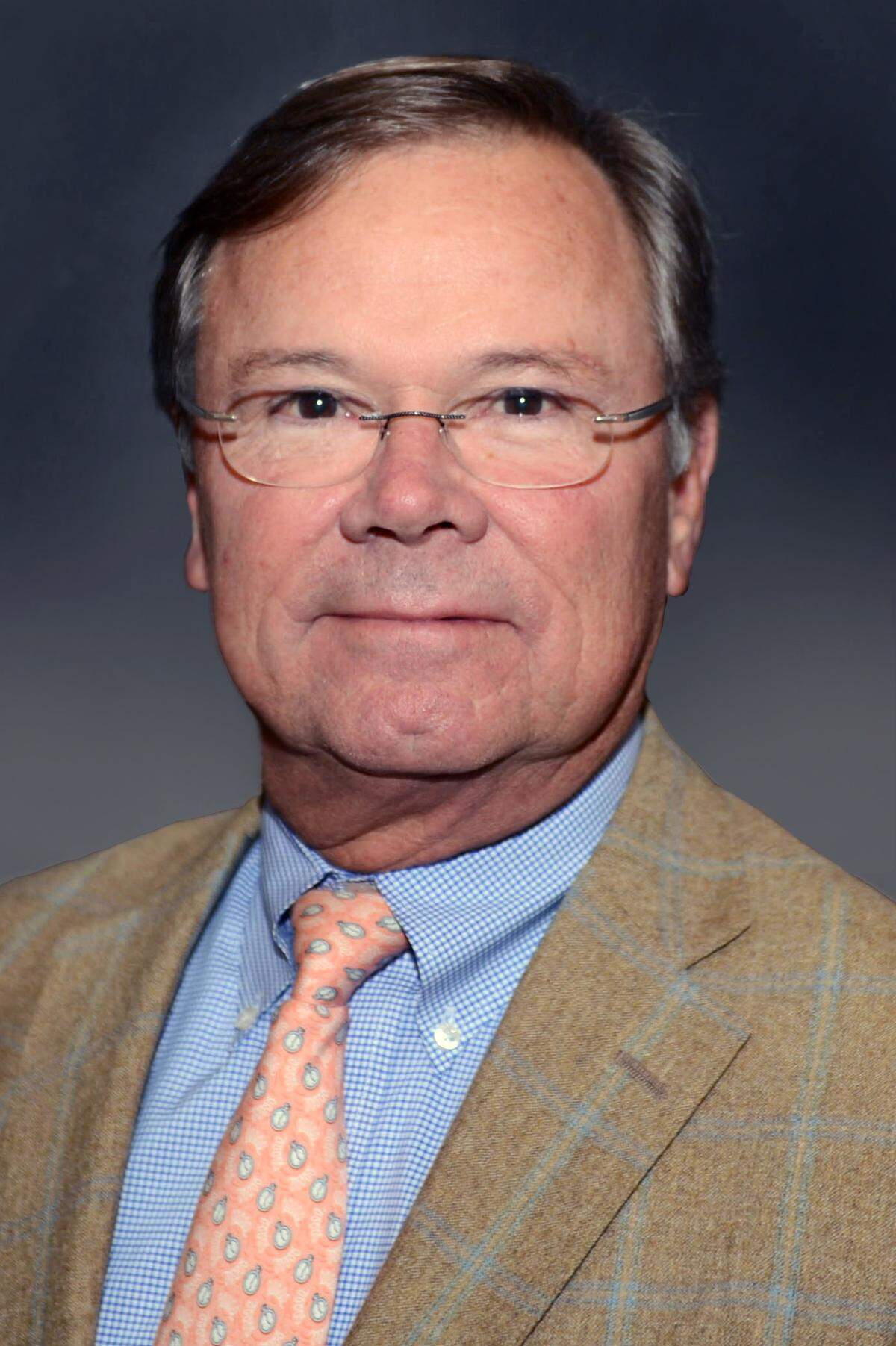
Sen. Ed Harbison (D-Columbus) told the L-E he’s working on several pieces of legislation. They include exempting military retiree pay from the state income tax and funding for sickle cell anemia treatment in areas of the state outside of Atlanta.
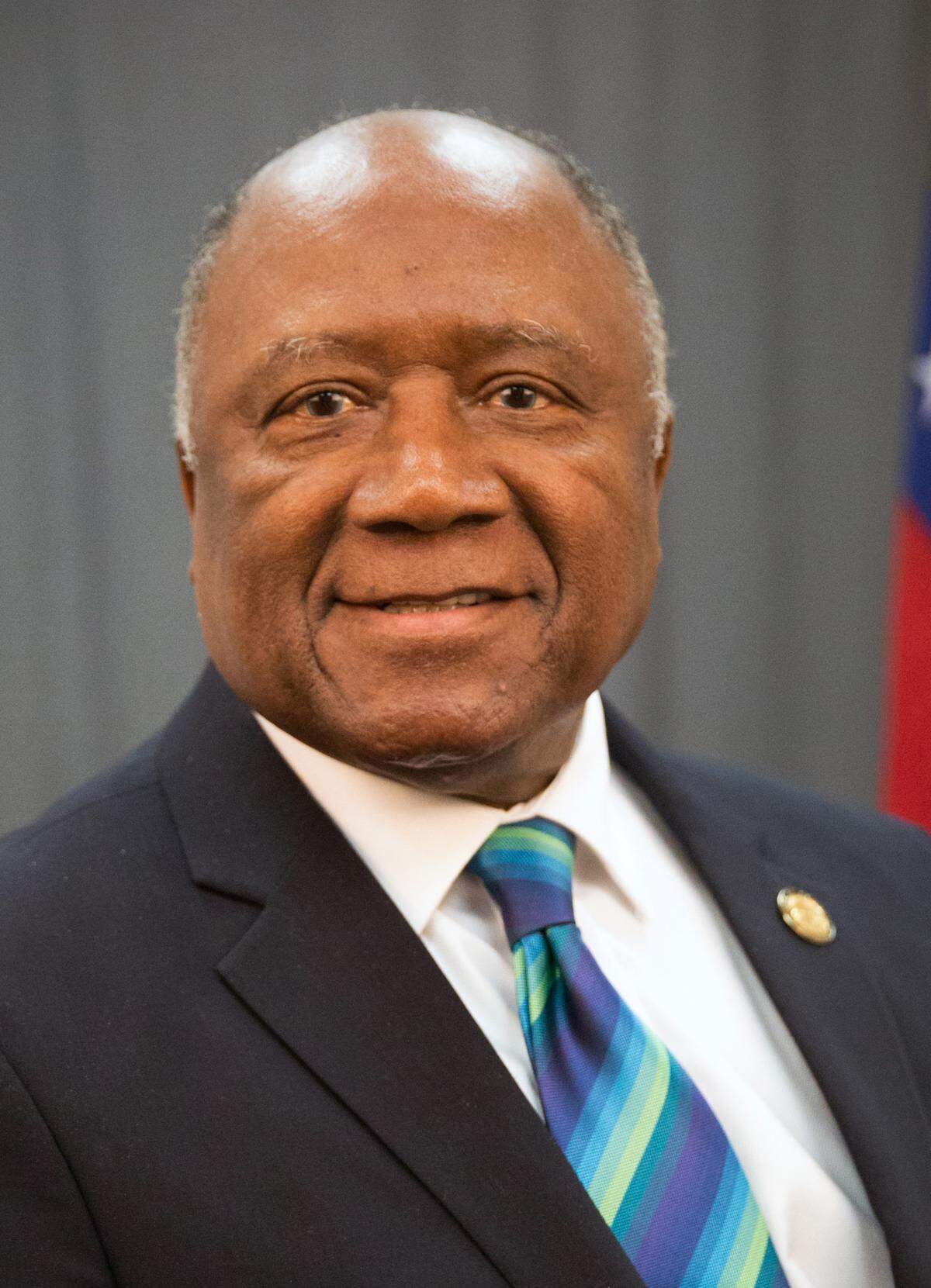
Sen. Randy Robertson (R-Cataula) did not respond to questions from the Ledger-Enquirer. Robertson is listed as a sponsor of Senate Bill 324, which would allow residents of the Atlanta neighborhood of Buckhead to decide whether they want to become their own city.
The new maps and lawsuits
Columbus-area house and senate boundaries were slightly changed under redistricting. The city remains split between five house districts and two senate districts for the 2022 elections.
The creation of new house seats and the combination of existing territories elsewhere in the state leaves Columbus with the newly numbered Districts 137, 138, 139, 140 and 141.
- District 137, represented by Buckner, keeps its old number but sees the most changes. The district loses all of its Harris County land and much of its Meriwether County territory in exchange for parts of LaGrange and Troup County.
- Harris County now sits within Districts 138 and 139. District 138, which most closely resembles the old District 133 represented by Vance Smith, now covers roughly 2/3 of the county. It also swapped the southeast corner of its Troup County holdings for most of the west. Smith said he would seek reelection.
- District 139 most closely resembles the old District 134 represented by Richard Smith. It took the last third of Harris County but lost a small portion of Columbus near Columbus State University. Smith said he would seek reelection.
- District 140 mostly closely matches the old District 135 represented by Smyre, and District 141 resembles the old District 136 represented by Hugley. Both remain mostly the same.
- The Senate districts changed slightly as well. District 15, represented by Harbison, picks up more of the city. District 29, represented by Robertson, loses a little bit of Columbus but gains the rest of Troup County.
However, the maps might not withstand legal challenges. Kemp signed the new boundaries into law at the end of December, and lawsuits challenging the new districts immediately were filed.
Three separate lawsuits filed by Georgia voters, the Alpha Phi Alpha fraternity, the Sixth District African Methodist Episcopal Church, the Georgia NAACP, Georgia Coalition for the Peoples’ Agenda and GALEO Latino Community Development Fund allege that the newly drawn congressional and general assembly districts dilute the voting power of Black Georgians and other communities of color.
A fourth lawsuit was filed by watchdog group Common Cause Friday. It alleges some of Georgia’s newly drawn congressional districts were examples of racial gerrymandering.
“It’ll play itself out, and the courts will decide,” Smyre said. “It’s our job to get to Atlanta, perform our duties as state legislators and that issue will take care of itself. I voted against the (maps) proposed. We want our voice to be heard, and now it’s up to the courts.”
Richard Smith, who served on the House Committee for Legislative & Congressional Reapportionment tasked with redrawing the boundaries, said he doesn’t agree with the allegations laid out in the lawsuits.
“We went all over the state and listened to everybody who had anything to say,” he said. “Our intent was to have fair maps. …I was on it 10 years ago when we did it. And when we drew those maps and filed them, the Obama (administration) Justice Department never said a word. They were good. That was our same goal this year.”