
Inside Columbus’ fight with regulators, advocates over fecal bacteria in Chattahoochee
Editor’s note: Here’s more on this issue and how it will impact Columbus residents.
The fight between a Columbus utility company, a state environmental agency and a waterway advocacy group over fecal bacteria discharged into the Chattahoochee River is now in front of the Muscogee County Superior Court.
At stake: whether the city will need to spend more than $10 million in sewer system improvements. That’s what officials with the Columbus Water Works estimate it would take to comply with the Georgia Environmental Protection Division’s newly proposed fecal coliform limits. The new permit allows the city’s combined sewer system to operate.
Columbus Water Works argues that the limit is too restrictive under federal water guidelines, and the change is not necessary to protect the river’s water quality based on more than two decades of data.
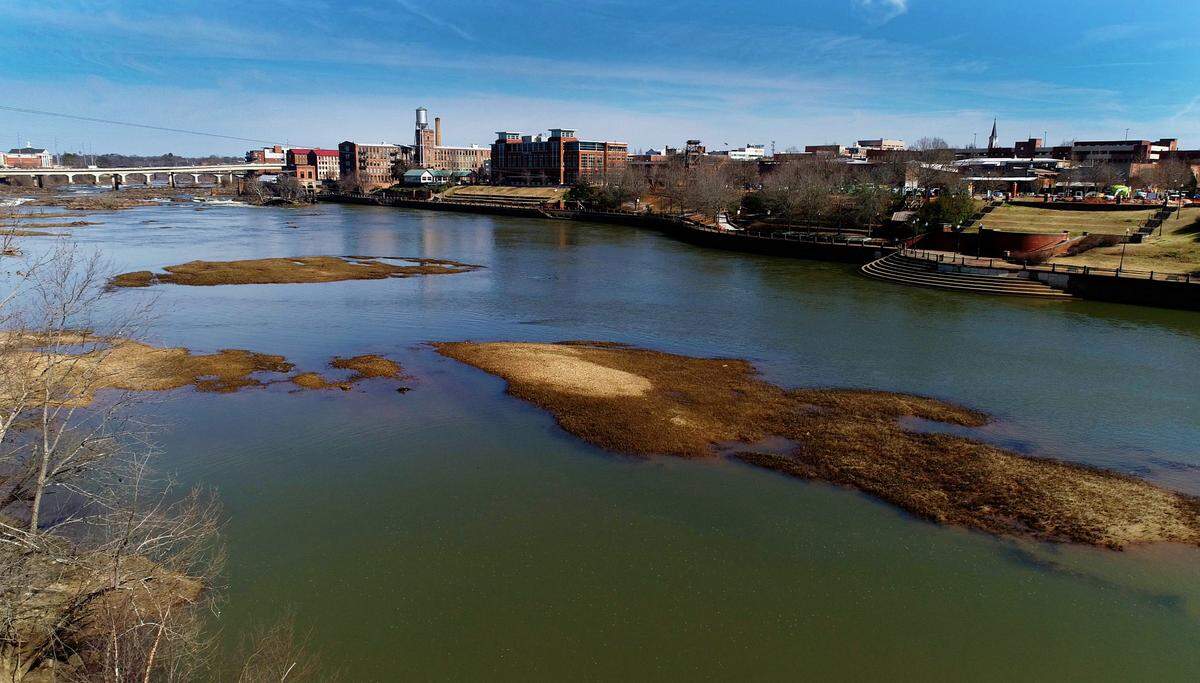
However, state officials and river advocates say the issue is about future risks to the waterway. Columbus’ sewer system, running beneath the city’s riverwalk, handles both rain and wastewater. Heavy rains, they argue, could send untreated sewage into the city’s popular whitewater course.
The saga dates back to 2015 when the utility company’s permit expired but was administratively extended by state officials. An administrative law judge sided with the state last year. However, Columbus Water Works continues to fight the case.
Now, the utility company’s legal action sits in front of Muscogee County Superior Court Judge Maureen Gottfried. She has less than 30 days to issue a ruling, and the legal rigmarole is expected to go even further as all parties — even the Columbus judge — anticipate an appeal of this ruling.
The key issue: could fecal bacteria from Columbus’ combined sewer system pose a risk to the Chattahoochee River in the future? And is that risk being properly determined by the state? Statements and court documents filed throughout proceedings coupled with arguments made during virtual court late last week outline both sides of the issue.
Columbus Water Works’ case
Columbus Water Works is an executive department of the Columbus Consolidated Government with the authority to establish policies and provide services. It doesn’t receive tax dollars. It is funded through fees from ratepayers.
The utility is managed by the Board of Water Commissioners. Columbus Council appoints four of the board’s members. The Mayor of Columbus serves as the fifth member.
The city utility and its lawyers are fighting for an evidentiary hearing after an administrative law judge ruled in favor of the Georgia Environmental Protection Division and the Chattahoochee Riverkeeper, a nonprofit advocacy group that joined the legal action as a third party, last year.
The judge ruled that EPD was correct in giving the city utility a permit with more stringent limits for fecal coliform bacteria.
Columbus Water Works argues that the proposed limits are illegal, and the previous ruling was a legal error.
The utility company’s key points include:
In the 1990s, the city overhauled its combined sewer system as part of the EPA’s efforts to upgrade those systems nationwide. EPD approved those changes.
Georgia EPD granted Columbus two permits — one in 1998 and another in 2010 — with no issue regarding end-of-pipe fecal coliform limits.
Discharges from the sewer system to the river during heavy storm events are treated or contain 99.5% stormwater, not wastewater. The system was designed to meet fecal bacteria standards by testing water out of the river, not water coming directly out of the pipe.
The utility alleges EPD made only “assumptions” and that its analysis is “unreasonable.” Columbus Water Works cites affidavits from outside expert witnesses who say the system poses no future harm and that EPD did no analysis.
Georgia EPD/Chattahoochee Riverkeeper arguments
The Georgia Environmental Protection Division and the Chattahoochee Riverkeeper argue that more stringent fecal coliform limits are legal and necessary.
Their key legal arguments in the case include:
EPD conducted a reasonable potential analysis as required by the federal Clean Water Act and determined the system posed a future risk to the river’s water quality. Therefore, it has no choice but to establish the limit. EPD isn’t required to produce a written record of its analysis.
Things change over the course of nearly three decades. The EPA instructed that combined sewer operators allow for expansion and retrofitting to meet water quality standards. The new limit fits these instructions.
Columbus is one of three cities in Georgia to still use a combined sewer system. Atlanta spent billions of dollars worth of upgrades in the last several decades, and Albany recently agreed to upgrade its system under a renewed permit. Columbus is the only one with these objections.
EPD’s policy didn’t change, but the agency made errors by issuing permits in 1998 and 2010 without properly accounting for the sewer system’s reasonable potential to cause harm. The new permit is correcting this mistake. The state’s five-year permit process allows it to reevaluate factors.

This story was originally published April 4, 2022 at 7:00 AM.