
Millions of dollars in jeopardy as Columbus leaders sort business license debacle
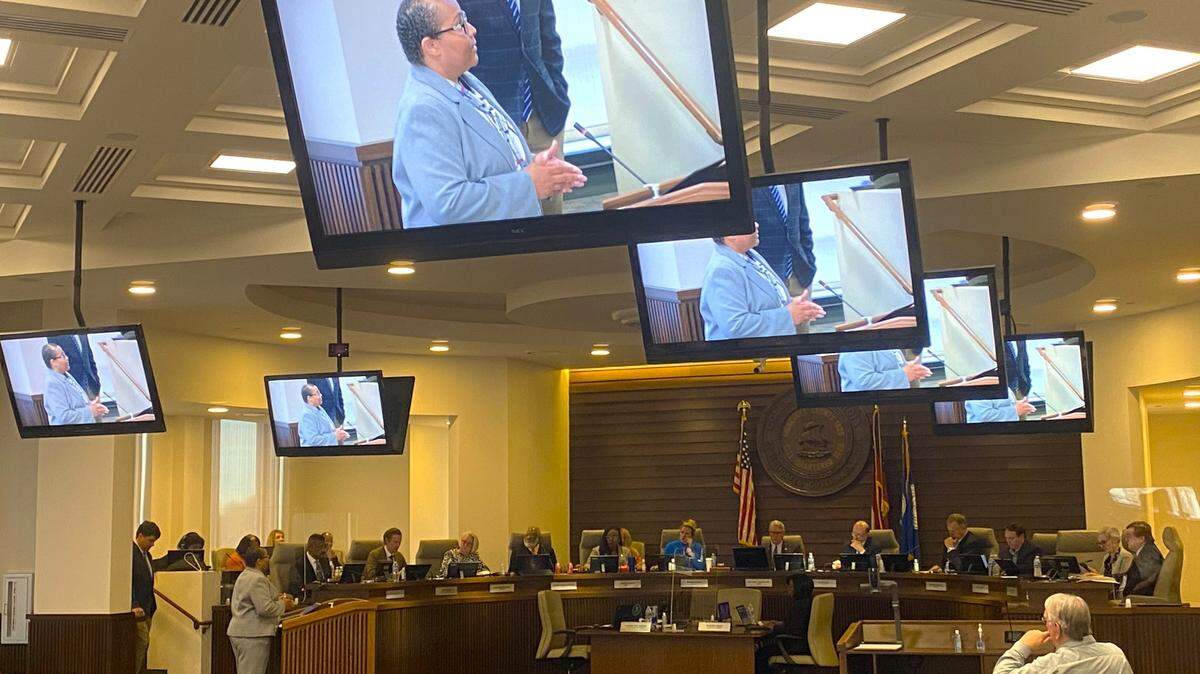
A combination of staff shortages, COVID-19, extended deadlines, software issues and delayed enforcement all led to the Columbus city government’s backlog in business license renewals since 2020.
So the city’s clearing that backlog by mailing license delinquency notices and sending code enforcement officers out to warn or cite those who have not paid up.
That’s what City Manager Isaiah Hugley and Finance Director Angelica Alexander told city councilors who demanded a report on license renewal issues in the city’s revenue division.
The occupational taxes that division collects through business licensing generates millions for the city government’s general fund, growing from $15 million in 2019 to $18.8 million this year. An outline of the city’s operating fund for fiscal year 2024 estimated that revenue at $19.2 million, or 6% of the total.
Hugley has said the city hasn’t determined how the licensing issues may affect that revenue stream.
The problems with licensing are being examined in an audit and an investigation conducted by the law firm Troutman Pepper, which gave councilors a private update on its probe during a 90-minute executive session at Tuesday’s council meeting.
The attorney heading that investigation is Charlie Peeler, a former U.S. attorney for the Middle District of Georgia. He declined comment after the closed-door briefing.
Councilors afterward got a public presentation from Hugley and Alexander on the business license problems, which have prompted complaints from merchants.
Some reported getting notices their licenses were delinquent, though they had paid their renewal fees.
How many behind?
Alexander told council the finance department’s revenue division typically handles 7,000-8,000 business license renewals a year, and needs four to five months to process that many.
The deadline for renewals usually is April 1. But the city for four years has extended that deadline to ease the pressure on businesses during the COVID-19 pandemic.
The deadline went to June 1 for the years 2020, 2021 and 2022, and this year was extended to May 1. Because businesses often wait until the deadline to file, extended deadlines push the months-long processing time into October or November, Alexander said.
That strains resources when the division is dealing also with alcohol licenses, for a Dec. 31 deadline, she said.
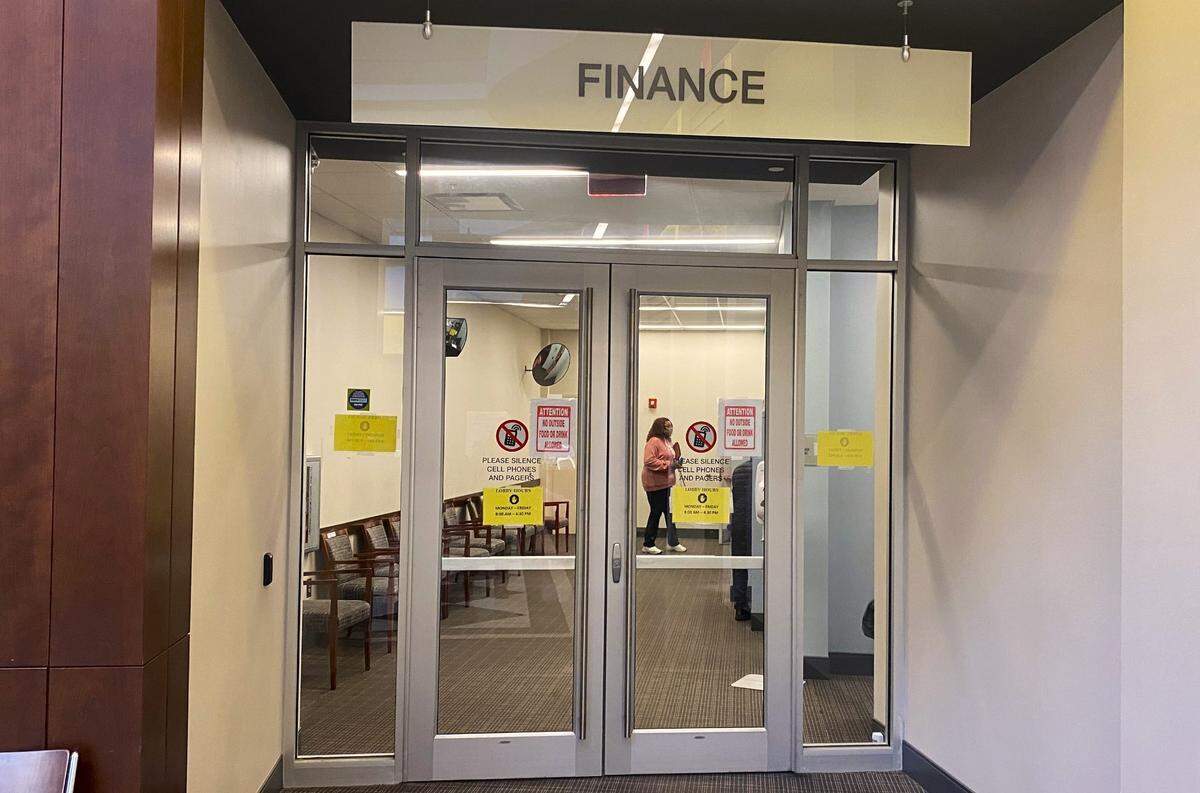
The revenue division has six workers in that section, but staffing shortages left it without a supervisor from November 2019 to March 2021, she said.
It was short two revenue auditors and one of three tax clerks for about a third of the time from January 2020 to October 2020.
These shortages led to delays in handling mailed license renewals with payments by check, with some checks becoming outdated, she said.
These are the annual totals cited for licenses issued and delinquent.
- 2020: 7,892 and 874.
- 2021: 7,933 and 836.
- 2022: 7,387 and 1,084.
- 2023: 6,791 and 763.
That left a total of 3,557 delinquencies, but it was narrowed to 2,196 after removing pending renewals, closed businesses, out of county owners, and those already cited, Alexander reported.
Officers deployed
Hugley emphasized the city is now enforcing the law requiring a business license.
Ryan Pruett, director of inspections and code, said all nine officers are assigned lists of delinquent businesses to check. Those in violation may be issued a warning, giving them a week to renew.
“When we go back, you’ve got to have a license,” Hugley said.
Businesses know they have to renew, whether they get a “courtesy delinquent notice” or not, he said. “We should not have to chase them down to get a business license.”
Alexander said the penalty for not renewing a license, which entails paying the city’s occupational tax, is 10% of the taxes owed, plus 1.5% more for each month of delinquency.
Council voted Oct. 24 to suspend that penalty for those renewing this year.
Hugley told the Ledger-Enquirer last week that the city sent out delinquent notices in August upon learning the revenue division was backlogged to 2020.
Some businesses faced penalties for all those years, as the revenue division had not reported them to code enforcement.
The city’s catch-up enforcement strategy spawned complaints, because some businesses that got delinquency notices had paid their renewals and received no license.
Alexander said some payments were deposited before the paperwork was processed.
What’s next?
Another factor in the business license backlog was relying on hard-copy documents instead of automated online payments.
Alexander told councilors new licensing software was installed in April 2021, but it decreased productivity with “extensive buffering” and additional clicks.
“It now takes approximately 20-25 minutes to process a standard license renewal whereas with the old system, it could be completed in roughly half the time,” she reported.
The person who managed that project since has left the city, so another manager now is dealing with the software company, she said.
The city hopes to have functional online processing by the second quarter of 2024, she said. “We want that automation that we were expecting,” she said.
Meanwhile the city manager has OK’d hiring temporary staff to help clear the backlog, and the administration may consider restructuring the revenue division.
The report council got Tuesday can be found on the city’s website at www.columbusga.gov.
Another step on its list of “action items in process” is to “continue to determine any revenue impact.”
Here’s a rundown of revenue from occupational taxes since 2019, as Alexander reported.
- 2019: $15,080,345.
- 2020: $15,508,938.
- 2021: $15,982,421.
- 2022: $16,448,269.
- 2023: $18,857,803.
This story was originally published November 2, 2023 at 11:55 AM.