Big changes ahead as PAWS Humane Society revamps Columbus Animal Care and Control
PAWS Humane Society, a nonprofit organization, took over management of the Columbus Animal Care & Control Center (CACC) on Feb. 1, and officials warn that the full transition will take around 60-90 days.
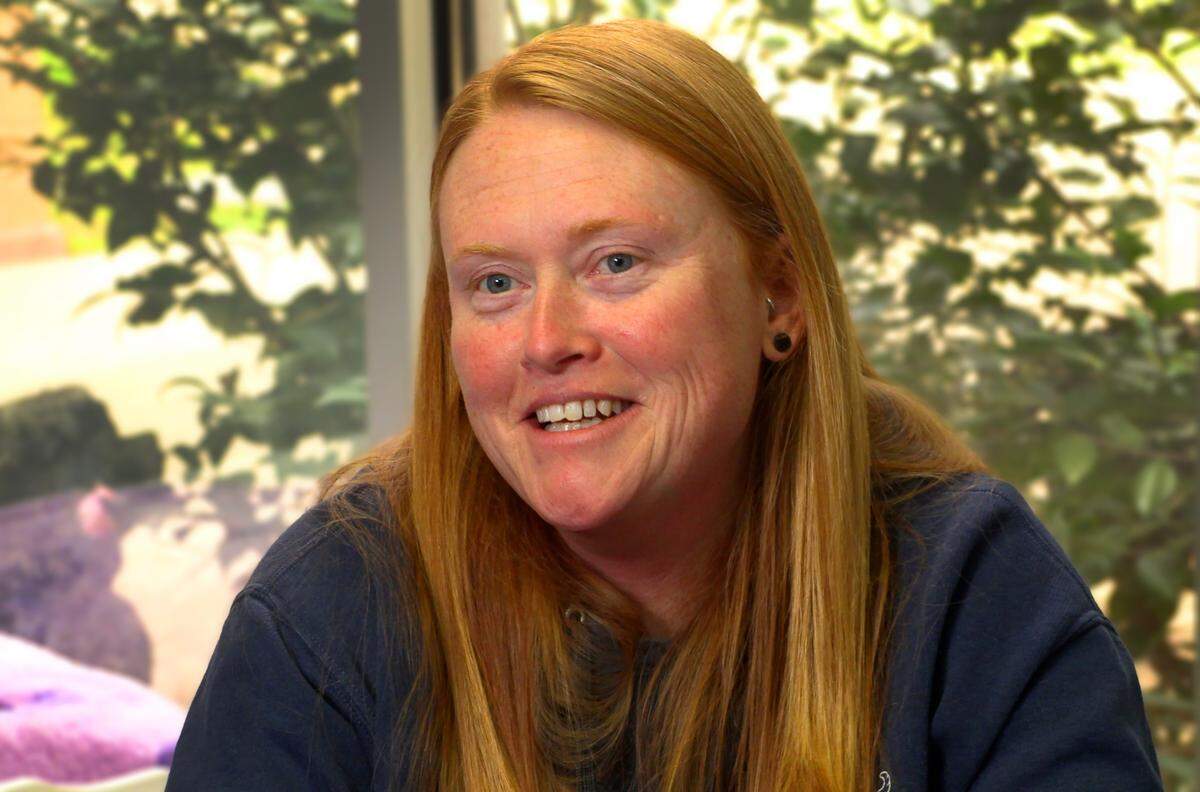
The organization first will focus on transitioning the shelter, PAWS executive director Courtney Pierce told the Ledger-Enquirer.
CACC employees will work alongside the new PAWS employees who will be hired and trained. When the new staff is ready, the CACC employees will be reassigned. By the end of 60 days, PAWS hopes to have new field officers ready.
The city’s $3.3 million contract with PAWS will increase the total number of employees by five. When hiring is completed, PAWS aims to have 16 animal services officers, 10 shelter technicians , three communications technicians and two administrative positions.
“We’re looking forward to taking on this new project,” Pierce said. “But we just want the community to be patient with us because everything’s just not going to be an immediate change.”
Last month, Columbus Council approved the three-year contract for PAWS to manage the city’s animal services. The move came after City Manager Isaiah Hugley announced CACC couldn’t ensure compliance with Department of Agriculture requirements because there wasn’t enough staffing.
A public outcry began after a video showing the euthanasia of a dog named Chai surfaced and several employees were arrested on criminal charges.
Pierce is proud that the Columbus community trusts the organization’s ability to step in and provide animal services.
“It was clear that the public also had confidence in us,” she said. “And that’s super important to us. It was great to see, and we want to make our community proud.”
Changes to the facilities
Part of the agreement between the Columbus Consolidated Government and PAWS is that the city will provide $100,000 for one-time capital improvements to upgrade the facilities.
PAWS is next door to CACC on Milgen Road. Under the new agreement, CACC’s facility will be leased to PAWS but still owned by the city, Pierce said.
The building will receive new signage and be branded as PAWS, she said.
“That portion of (the campus) is going to be PAWS Humane Animal Services Division,” Pierce said.
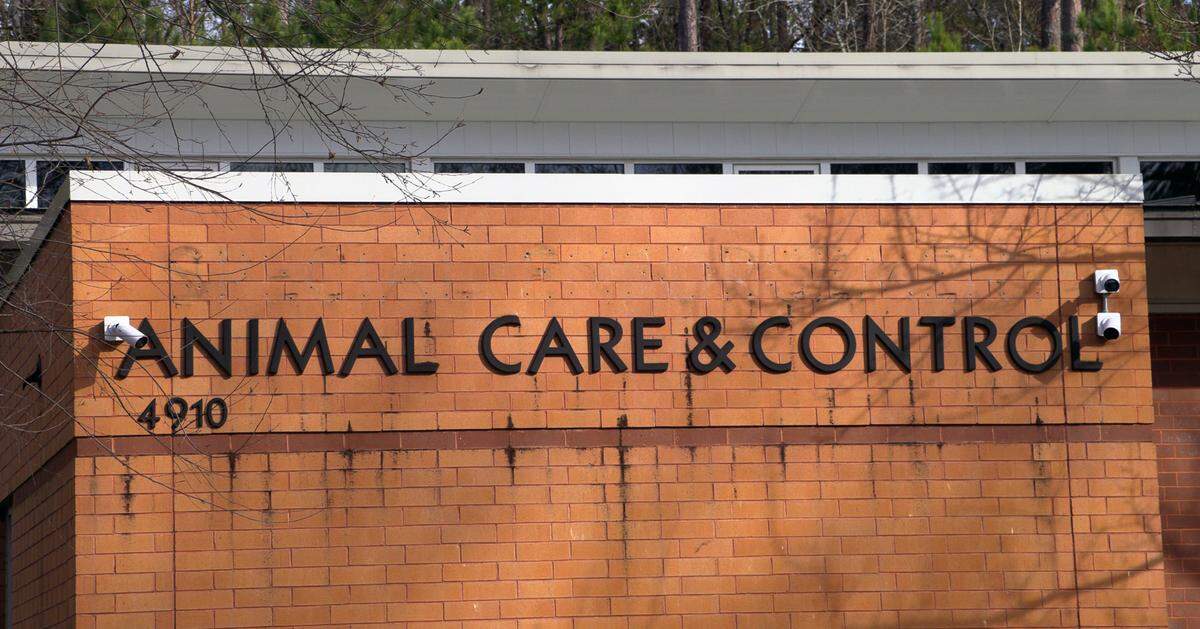
PAWS’ original building will house owner surrenders and animals currently in CACC, she said. Strays will be housed in the old CACC building, along with the biting dogs that need to be quarantined.
Enforcement holds also will be done out of the former CACC building, Pierce said, and adoptions can be done out of either building.
Updates to the old CACC building will include changing the general population area, so it is not so loud when the dogs bark. This will make visiting the area less stressful for adopters and the animals.
More fencing will be added to the back area to provide more enrichment and potty breaks for the dogs, she said.
There also will be cosmetic changes to the lobby to create a more “friendly” environment, Pierce said. This is a change Ethelyn Riley, chairwoman of the Columbus Animal Control Advisory Board, is looking forward to.
She was dismayed at the current layout of the lobby the first time she visited because of the counter that stretches across the lobby, Riley told the Ledger-Enquirer. The room wasn’t inviting.
“You can only see the tops of (staffers’) heads because the counter is so high,” she said.
These cosmetic changes will help foot traffic in the shelter, Pierce said. Doing whatever they can to attract more people will benefit the animals, she said.
“We want people to come to us in an open, friendly environment,” she said. “We don’t want it to be a depressing place.”
Making a ‘No-Kill’ community
One of the services PAWS will be able to provide that CACC wasn’t is the ability to spay and neuter pets before they’re adopted, Pierce said.
In the past, this was done using a voucher system, she said.
“And then it would be up to (the adopter) to get the animal fixed,” Pierce said. “It takes manpower to enforce that.”
If people lived outside of the CACC jurisdiction, then there were limitations on what could be done to ensure the pets were fixed.
“Now, it’s being done ahead of time,” she said. “We know that it’s taken care of. There’s not going to be more babies being born from this particular animal.”
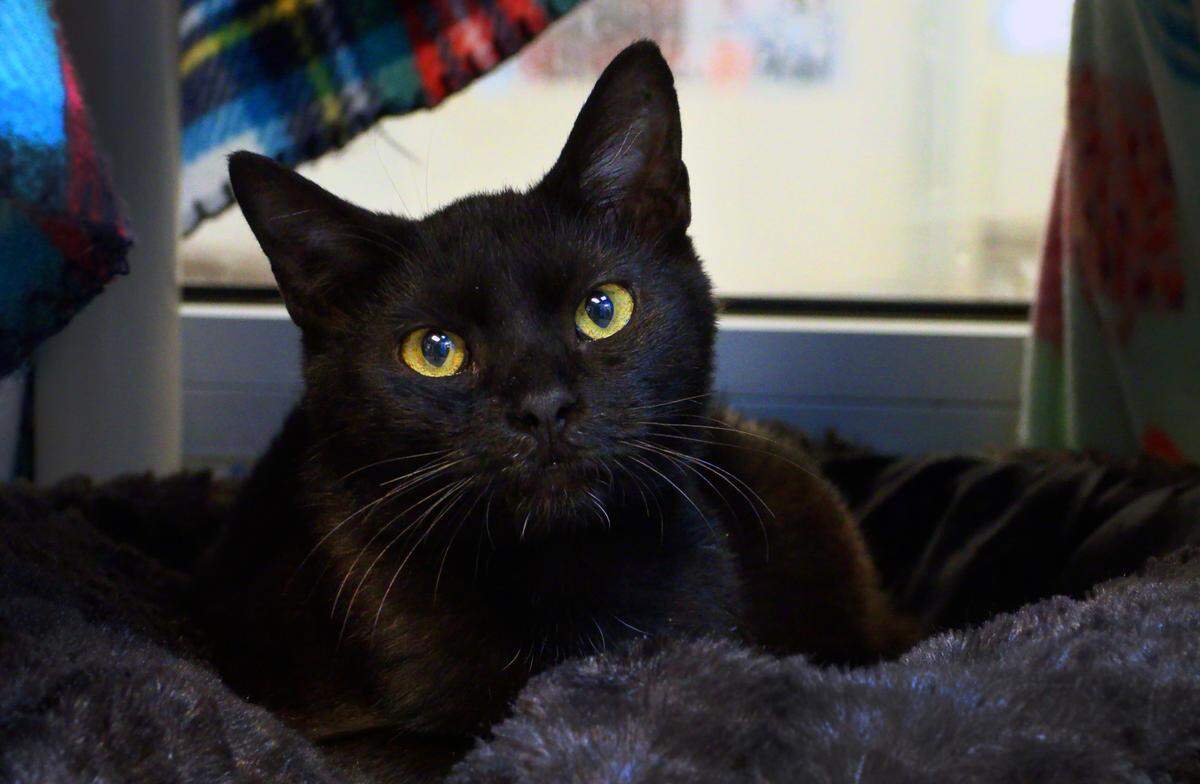
PAWS heavily will rely on foster families and its transport program to help meet the needs of animals.
Shelters in southern states tend to operate at capacity, Pierce said. However, in northern states, the success of spay and neuter programs means more people are looking to adopt than there are available animals.
The transport program moves some animals from Columbus to partners in states like Pennsylvania and New York, where people can adopt them.
Increasing adoption rates, returning pets to owners and doing more work in the field to return lost pets before they’re impounded are ways to prevent euthanasia, Pierce said.
PAWS’ goal is to have a “no-kill community,” she said.
“That’s always been our goal,” Pierce said. “And that still is the goal.”
The shelter is committed to euthanizing animals for only terminal medical cases or for extreme aggression issues that aren’t safe for the community. With aggressive animals,PAWS wants to prevent cases that could result in individuals or other pets being injured.
“On the medical side, I think most people can understand when it’s just a mercy for the animal,” Pierce said.
PAWS will work tirelessly to remain a no-kill shelter, she said.
Accountability
A private organization taking over management of CACC for the city is not unique to Columbus, Pierce said.
“We’re not trailblazers, as much as I wish we were,” she said.
KC Pet Project, a nonprofit organization in Kansas City, MO, operates the city’s animal shelter.
“It’s worked well for them,” Pierce said. “And it’s benefited the animals, it’s benefited the city and certainly the taxpayer.”
As part of the agreement with the Columbus Consolidated Government, the city auditor was assigned as the contract administrator to ensure accountability.
“For right now, it’s going to be monthly reporting — and rightfully so,” Pierce said. “The city wants to make sure their taxpayer dollars are being used correctly, and we are upholding our end of the contract.”
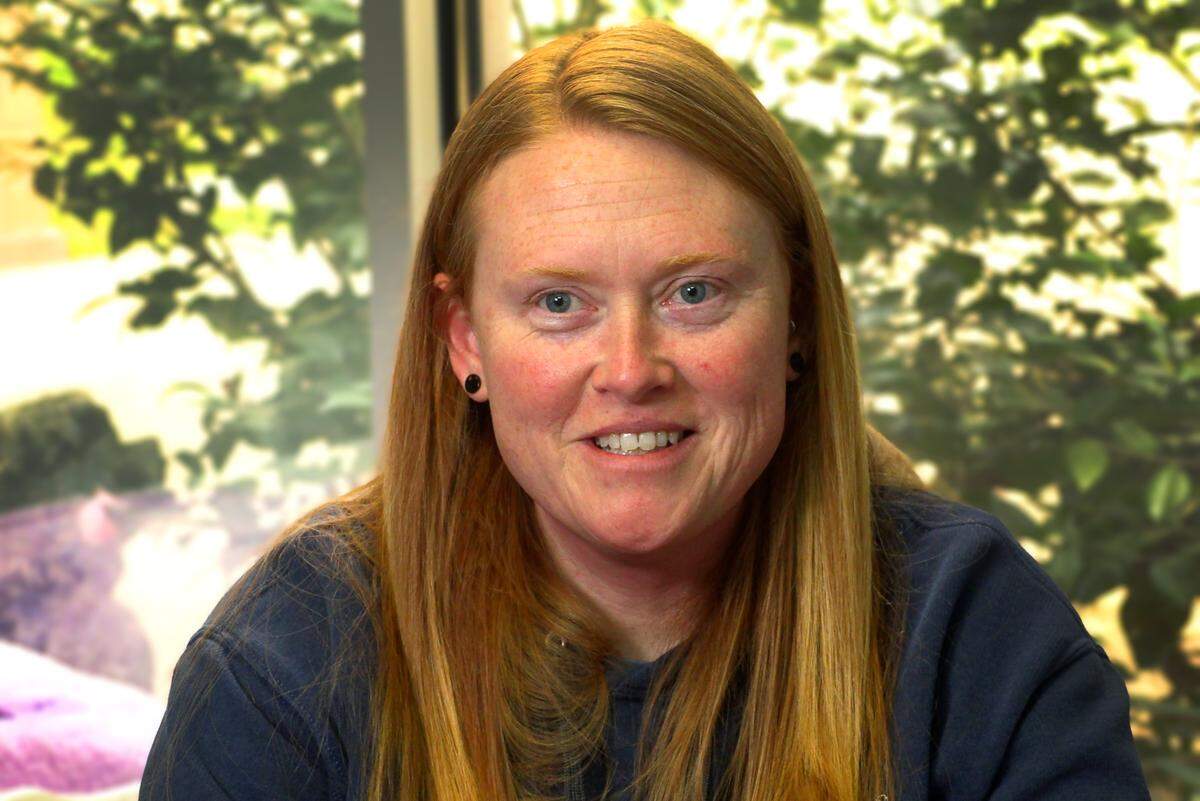
The auditor will serve as a liaison between PAWS, the city and the Animal Care Advisory Board.
Discussions about the future of the Animal Care Advisory Board are ongoing, Riley said.
PAWS has its own board of directors, and officials are determining the role each board will take moving forward.
City ordinances will need to be changed because the whole structure changed, Riley said. But she looks forward to the advisory board collaborating with PAWS.
“We see ourselves working closely with PAWS,” she said. “I know they have their own board and way of doing things. We, in no way, mean to tell them how to do things because we like the way they do things.”
One role Riley knows the board may be expected to play is to hear cases about vicious dogs.
While the contract with PAWS now has officially taken effect, Riley and Pierce urge residents to be patient over the next few months as the shelter transitions.
Some services will remain limited for now, Pierce said, but she expects there to be more progress as additional staff is hired and trained.
Residents in need of assistance can call 311 during normal hours of operation. If it is after hours, they may call 911. If anyone finds an injured animal or there is an emergency, those cases take priority.
Despite the contract with the city, Pierce urges residents to remember that PAWS continues to run its original building and programming which relies on donations and grant money. Anyone interested in helping through donations, sharing a post on social media or volunteering may visit the PAWS website.
“We still rely very, very heavily on our generous donors,” Pierce said. “And that hasn’t changed.”
This story was originally published February 3, 2025 at 5:00 AM.