New GA tax laws extend filing deadline & could mean a bigger refund
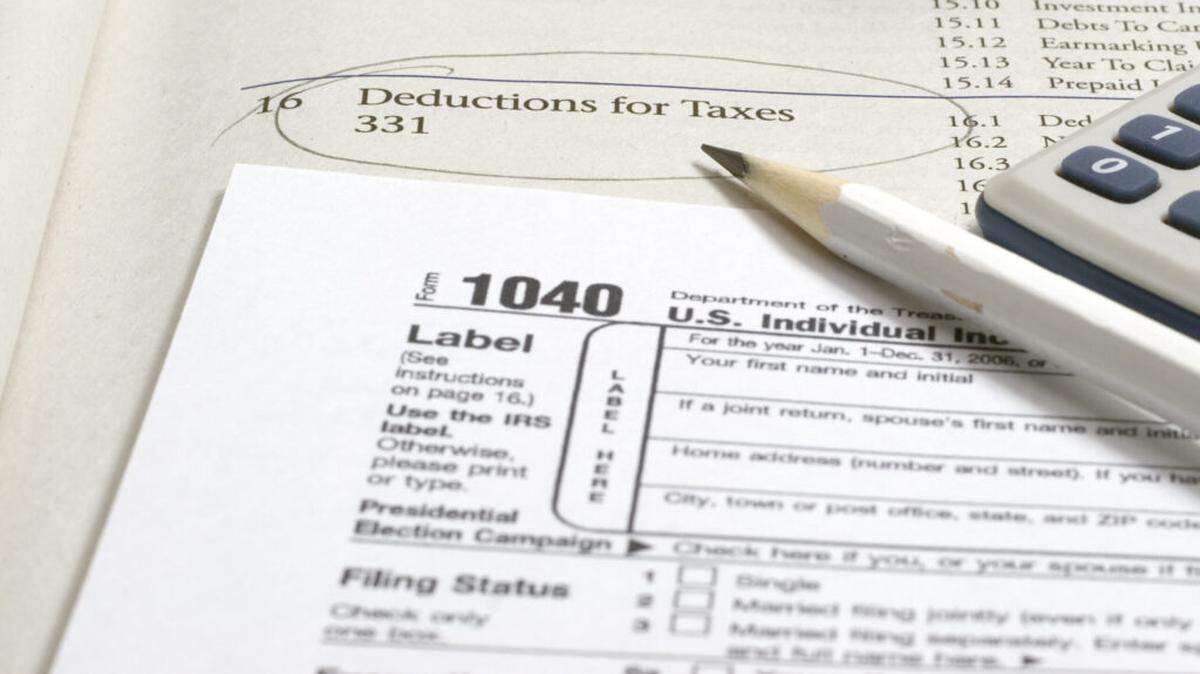
Taxpayers in Georgia may see some positive changes in their income tax filings this year, thanks to House Bill 1015 signed by Governor Brian Kemp last year.
Building on House Bill 1437, the subsequent bills have marked some of the largest income tax cuts in Georgia history, according to Kemps official website.
The bill also created an extension of the deadline to May 1st to accommodate hurricane victims in the state.
This series of amendments aims to save Georgia taxpayers approximately $3 billion over the next 10 years, and are designed to let Georgia residents hold on to more of their money.
Kemp said in a release, “As a result of conservative budgeting and our pro-growth, business-friendly environment, billions of more dollars will now be kept in the pockets of hardworking Georgians rather than being devoted to creating more government bureaucracy and red tape.”
Major changes for the tax year 2024
The amendments to the tax laws will create a slightly lower tax bill for most taxpayers and less taxable income for families.
These are the key changes:
Lower income tax rate: The tax rate dropped to 5.39% (from 5.49%)
Higher dependent exemptions: Exemptions per dependent increased from $3,000 to $4,000
Additionally, Georgia implemented a statewide property tax cap for income earned in 2024 through House Bill 581 and Amendment 1.
Here are the key changes:
Implementation of a statewide “floating” exemption that caps annual increases in taxable value for primary homes
Introduction of “base year” calculations based on the assessed value in 2024
Some cities, counties and school districts could choose to “opt out” of the cap following public hearings on the matter.
Muscogee County and Columbus chose to opt out, according to the Columbus Consolidated Government’s website.
Changes from year to year.
Georgia plans gradual rate cuts through 2028, aiming to reach a 4.99% flat tax. However, future reductions depend on meeting state revenue targets each year.
Future reductions:
2025: 5.29%
2026: 5.19%
2027: 5.09%
2028: 4.99%
Drawbacks to the cuts
The Georgia Budget and Policy Institute (GBPI) suggests the cuts may benefit higher income individuals in their Crossover Day 2024 report.
The nonpartisan think tank notes said, ”Most Georgians are unlikely to notice the impact of this change. The vast majority [of corporate tax cuts under these bills] would go to the state’s largest corporations and top earners.”
The GBDI brings up several key concerns:
The wealthy benefit most. The top 20% of earners receive 67% of savings.
There is minimal relief for low-income households. The bottom 20% will save approximately $10 per year while the middle 20% will save $70 per year.
The cuts initiated in the bill are very expensive. The combined total loss could cost the state $660 million.
The tax deadline is still a few weeks away and there are several resources available to Georgians, many free of charge.
If you need help, you can visit Georgia’s Department of Revenue website to file electronically, track refunds, or check eligibility for free filing programs.
You can also email me at srose@ledger-enquirer.com or find me on Instagram.
This story was originally published April 8, 2025 at 11:27 AM.