Renowned Columbus artist’s childhood home to be restored — and moved — for museum
The Historic Columbus Foundation is partnering with the Columbus Consolidated Government to preserve the history of renowned Columbus artist Alma Thomas.
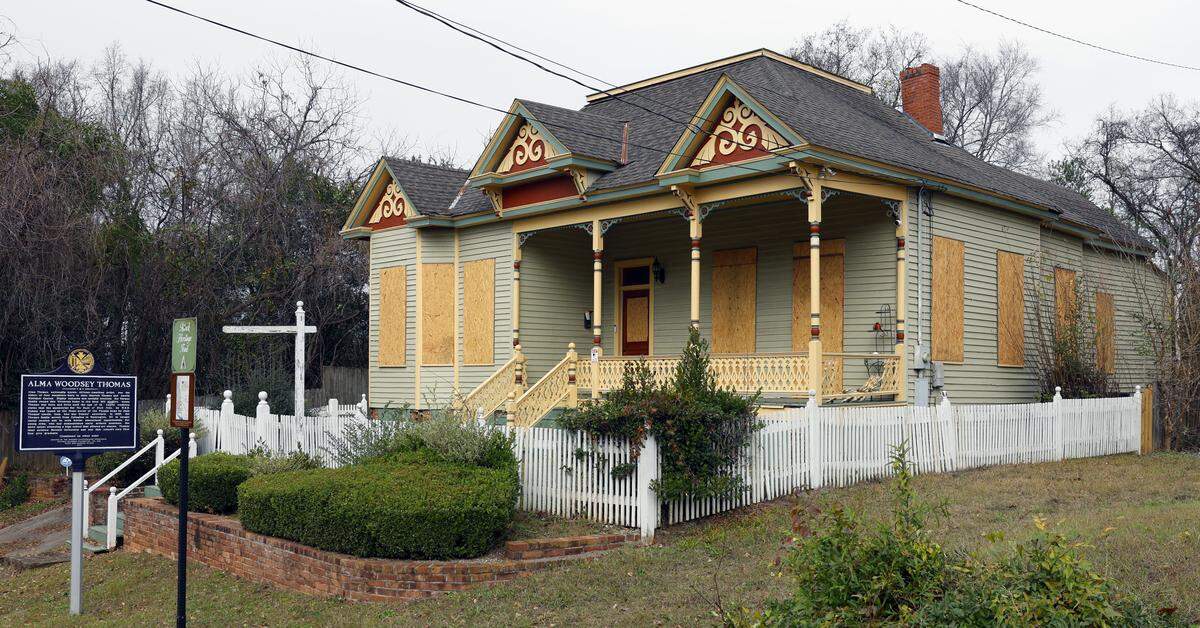
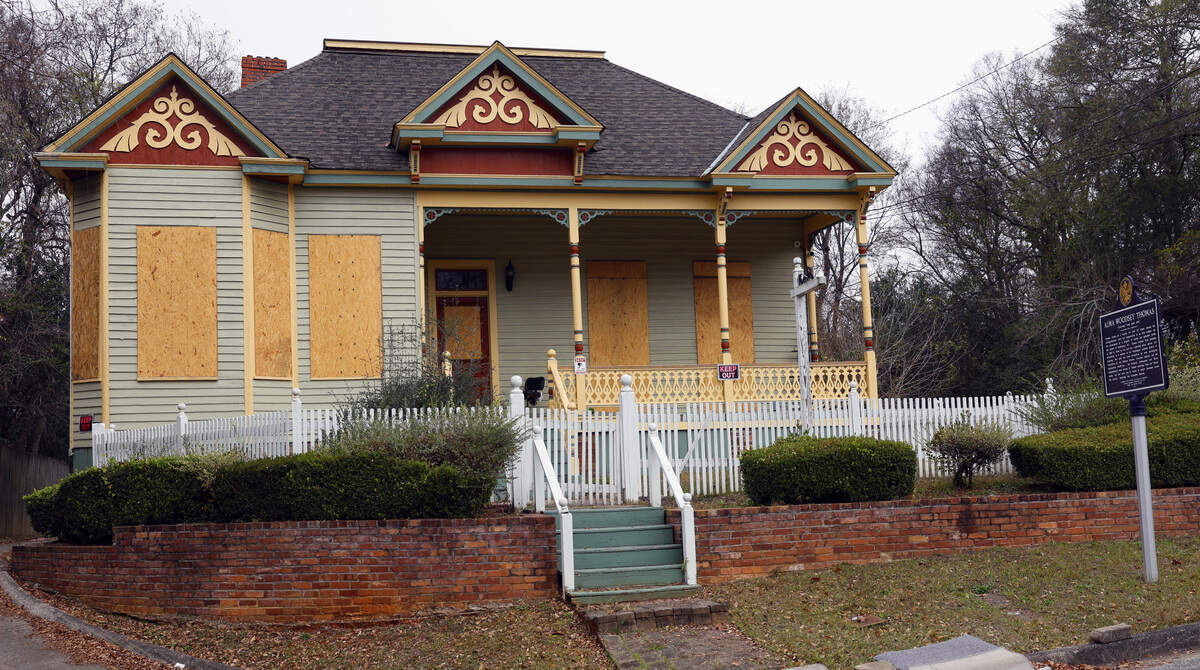
Historic Columbus plans to move Thomas’ childhood home approximately 2 miles from Rose Hill to the Liberty Heritage Historic District, next door to the Ma Rainey House, former home of the iconic Blues singer, where it can be transformed into a city-owned museum, HCF executive director Elizabeth Walden told the Columbus Council during a meeting last month.
“The cultural arts have been a part of Columbus from the beginning and have also served as an important catalyst for our community’s growth and economic development,” Walden said. “Three of our natives have shaped and influenced the worlds of music, literature and art. Their legacies are international and deeply rooted in this community.”
The Columbus homes of Rainey and bestselling author Carson McCullers have been preserved and celebrated through the Carson McCullers Center and the Ma Rainey House and Blues Museum. Walden wants the same treatment for Thomas’ childhood home.
Who was Alma Thomas?
Amelia Cantey and John Thomas became the first known Black American couple to own a home in the Rose Hill neighborhood when they moved there in 1890, Walden said.
The couple built a Victorian-style home at 411 21st St., she said. Alma, the eldest of four daughters, was bornSept. 22, 1891.
John Thomas owned a business on First Avenue, Walden said, and Amelia was a dressmaker and teacher.
Alma’s mother and aunts were teachers who graduated from the Tuskegee Institute.
“Alma was creative as a child, although her serious artistic career began much later in life,” Walden said.
In 1907, when Alma was 15, John moved the family to Washington, D.C., to escape racial tension and find better educational opportunities. This meant Alma could attend a high school that offered art classes.
She became credentialed in kindergarten education in 1913 and enrolled in Howard University, graduating in 1924 at the age of 30, becoming the first graduate of the school’s new fine arts department.
While attending Howard, Alma’s teacher and mentor, James Herring, allowed her to use his private art library, where she studied art history, Walden said.
A decade later, Alma earned a master’s degree in arts education from Columbia University.
“During the 1950s, she attended arts classes at American University in Washington, D.C.,” Walden said. “She studied painting under several prominent D.C.-based artists and art professors who were highly influential in the local art scene in the mid-20th century. They influenced Alma and developed her interest in color and abstract art.”
Alma didn’t begin to paint seriously until 1960, when she retired from her 35-year career as an art teacher in D.C. public schools.
“She would emerge as an exuberant colorist, abstracting shapes and patterns from the trees and flowers around her,” Walden said. “Alma was in her 70s when she produced her most important works.”
Her series of Earth paintings, which are color abstractions of concentric circles, were the first to earn acclaim, she said.
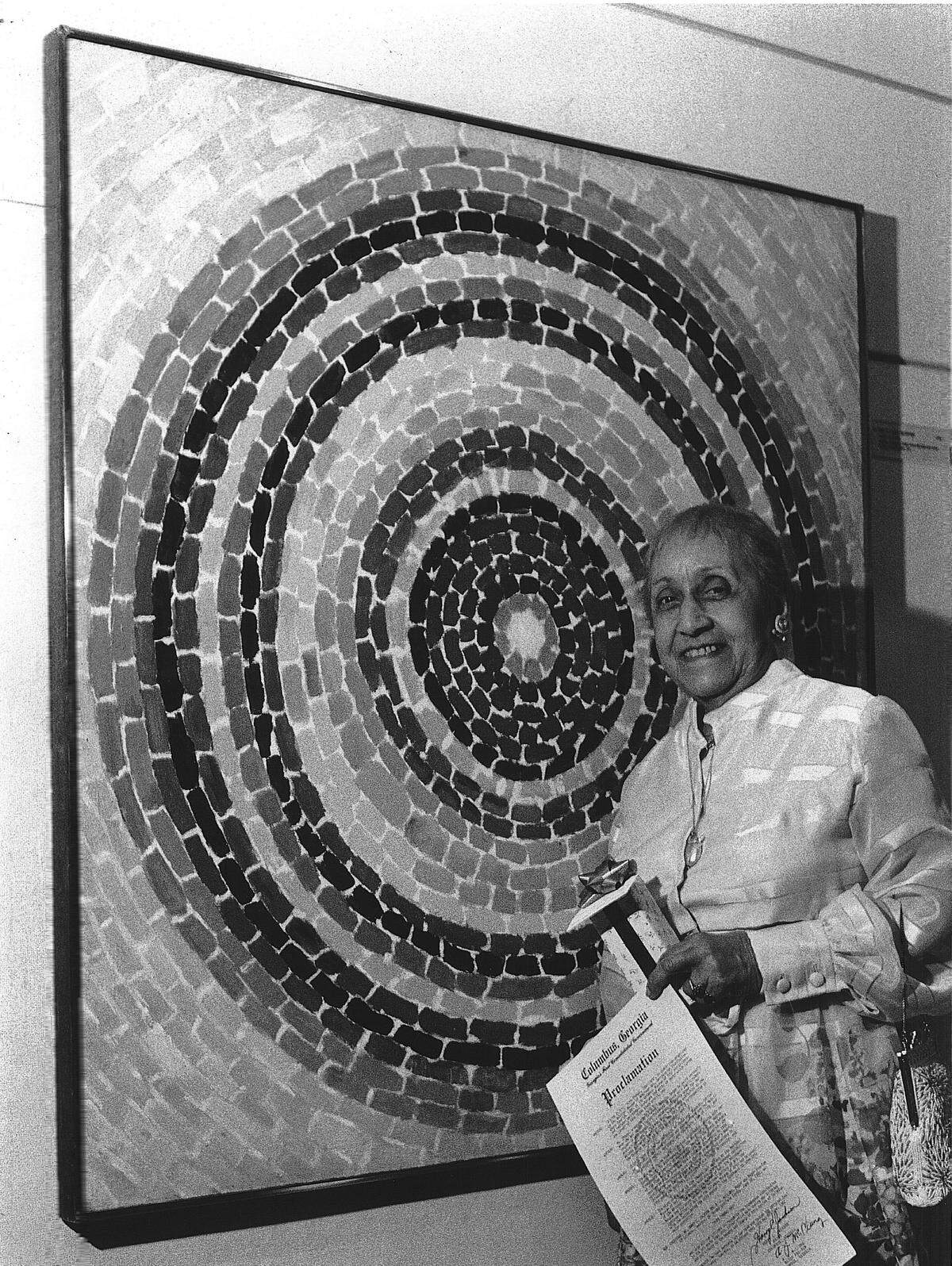
In 1972, the Whitney Museum of American Art in New York and the Corcoran Gallery of Art in Washington D.C. awarded her a one-woman show. Alma was 77 years old.
“Before her death in 1978, she had achieved national recognition as a major woman artist devoted to abstract painting,” Walden said. “She was a pioneer in American abstract art, achieving multiple firsts and breaking barriers for women in the visual arts.”
Alma’s paintings, which were inspired by gardens, nature and the cosmos, are in the permanent collections of the Smithsonian American Art Museum, the Metropolitan Museum of Art, the Art Institute of Chicago, the White House, the Whitney Museum and other major institutions, Walden said.
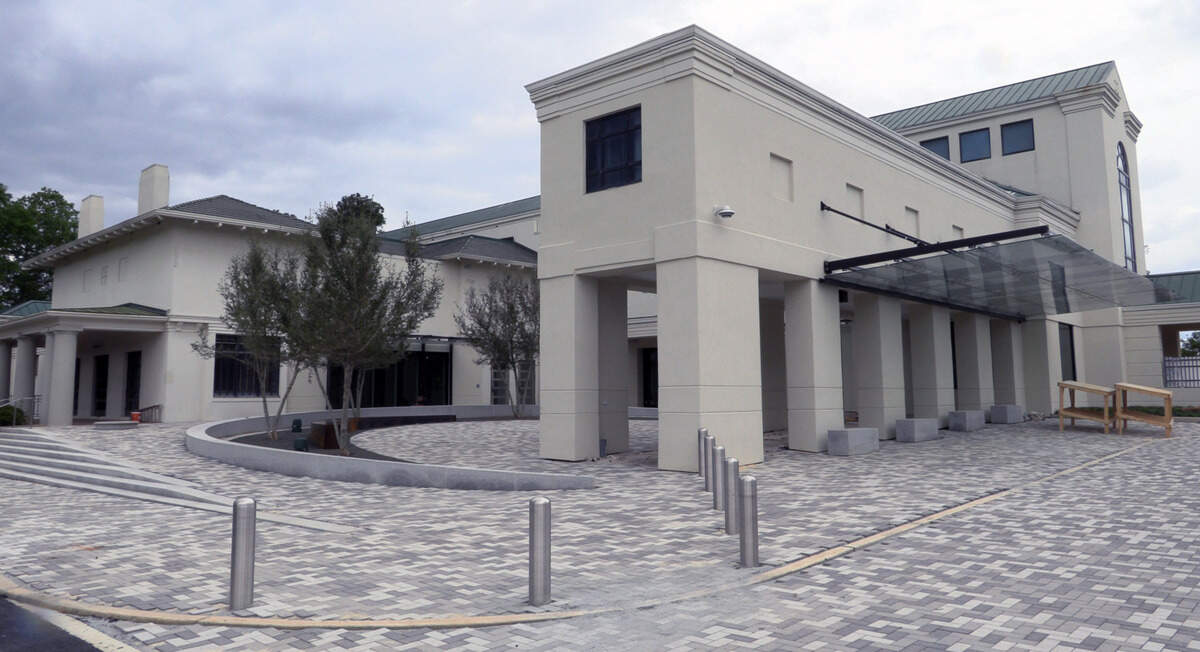
Some of her work also is in the Columbus Museum.
“Preserving her home honors her role in American art and showcases another important piece of the cultural fabric of our community,” Walden said. “Alma’s story began in the Rose Hill neighborhood. Her childhood experiences in Columbus shaped her worldview, and the roots of her creativity were sewn and grown from this very soil.”
Plans for the Alma Thomas House
Historic Columbus became the owner of the Alma Thomas House on Dec. 15, Walden said, a day before the council meeting.
Walden proposed to the council for Historic Columbus to relocate the home to a city-owned vacant lot next door to the Ma Rainey House and restore the structure on the new site.
“Placing the Alma Thomas House beside the Ma Rainey House on Fifth Avenue, and within a couple of blocks of the Liberty Theatre, creates a powerful art synergy in the Liberty District,” Walden said. “Together, these landmarks also tell a larger story, not just of individual achievement but also of the strength of the arts within Columbus.”
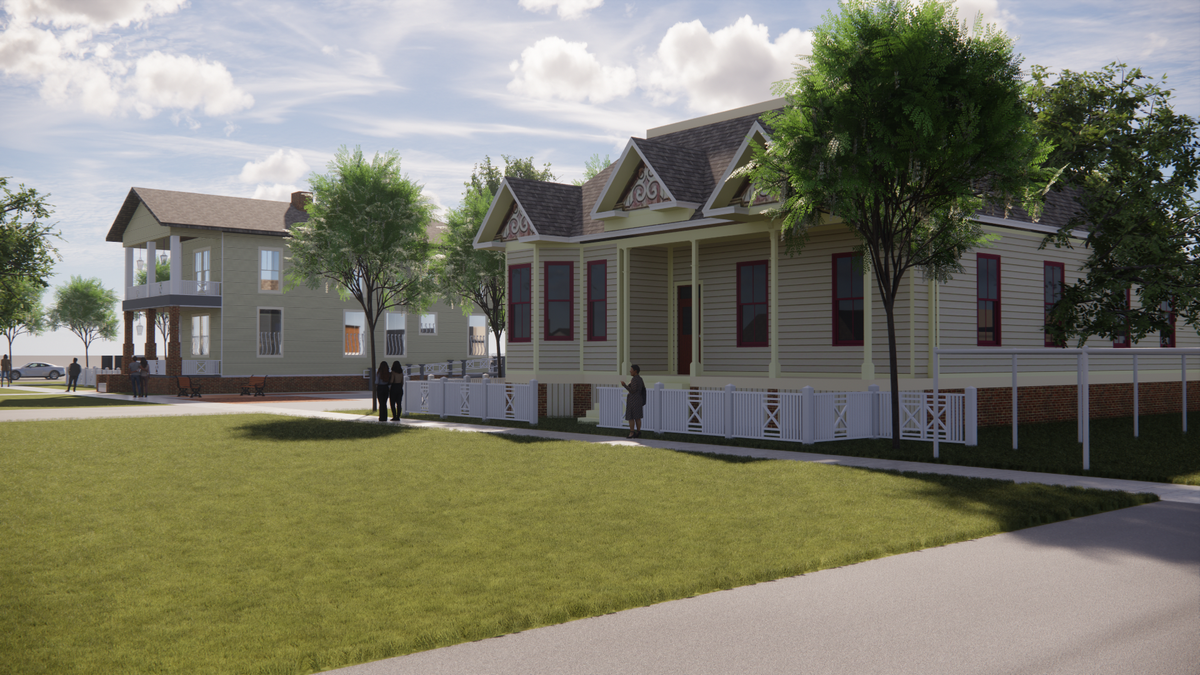
They would establish an advisory committee to help create the visitor experience and exhibit themes throughout the Alma Thomas House. They also would contract a professional museum curator for exhibit design and installation of the new exhibit and program space to celebrate Thomas.
At this point, the home would become a city-owned museum, Walden said.
“Historic Columbus would also establish a preservation fund to ensure the long-term maintenance of the house,” she said. “We would also own and ensure all interior contents of the house museum, as we currently do for the Rainey House.”
Historic Columbus would raise about $1 million for the relocation, renovation, exhibit installation and establishing the preservation fund. The impact on the city’s budget for the Alma Thomas House’s annual expenses is estimated to be comparable to the Ma Rainey House at about $32,204.
“We would request the city duplicate what it currently does for the Ma Rainey House,” Walden said.
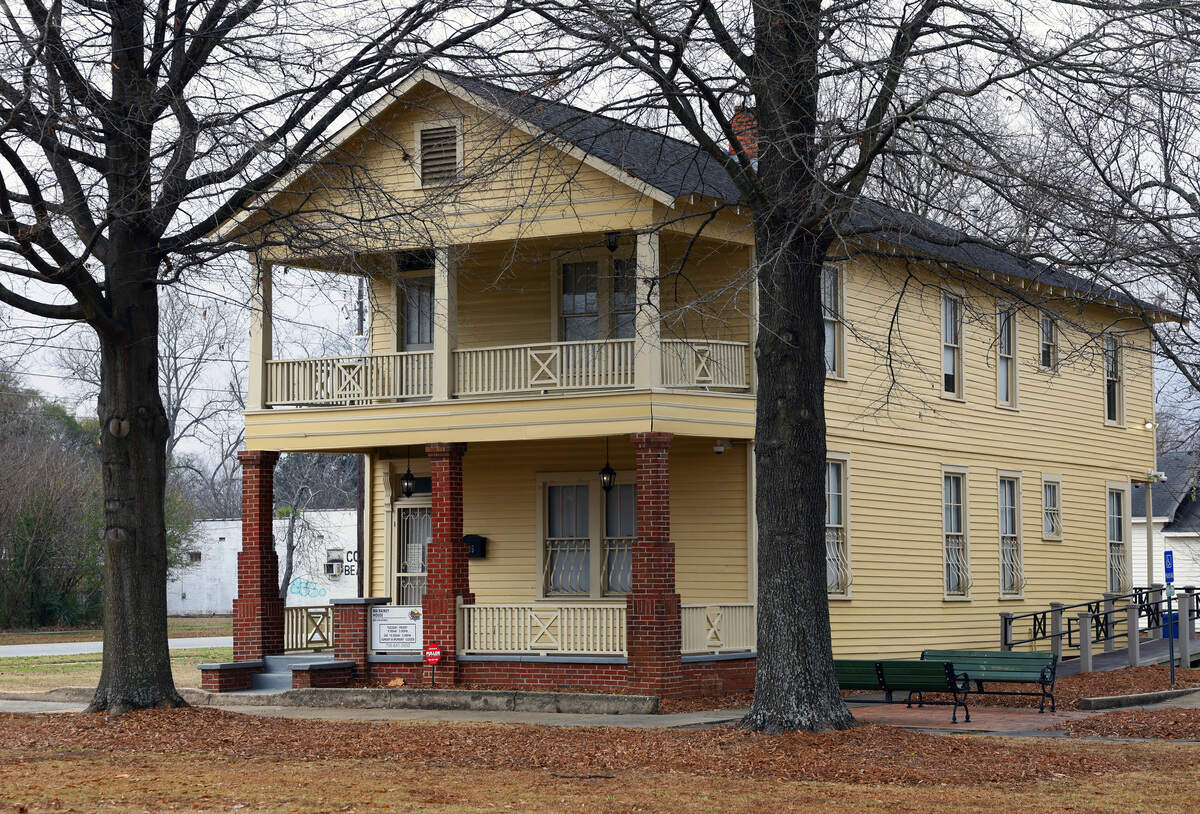
Bringing these two house museums together also addresses a practical need, Walden said. The Ma Rainey House can become crowded when large groups of people visit, she said, and the Alma Thomas House would provide additional room for exhibits, programming and student engagement.
The Columbus Museum supports the project, she said, with a staff member and several board members who are willing to serve on the advisory committee. They also are interested in collaborating for educational programming and field trips, Walden said.
The Columbus Council already has invested in preserving the Ma Rainey House, she said, and has committed to the overall revitalization of the Liberty Heritage Historic District.
“Let’s build on that and create a partnership to provide another anchor to ensure the neighborhood’s success in its needed renewal,” Walden said.
This story was originally published January 13, 2026 at 5:00 AM.