What do Columbus mayoral candidates think about planned data center? We asked
With the qualifying period for the Columbus mayoral race approaching in March, candidates shared their thoughts about a $5.18 billion project to build an artificial intelligence data center in Columbus.
Choose Columbus president and CEO Missy Kendrick announced Project Ruby at a Development Authority of Columbus meeting Feb. 12. The project is the work of a partnership between the Development Authority and Habitat Real Estate Partners.
Construction of data centers across Georgia has been a debated topic. Opponents argue against the centers because of the high water and energy consumption. Proponents tout the potential economic benefits, including high-paying jobs.
The Ledger-Enquirer asked the 2026 mayoral candidates for their opinion about the Columbus data center project, environmental concerns surrounding data centers and job creation from data centers.
Mayoral candidate Mark LaJoye did not respond to the Ledger-Enquirer’s request before publishing. Here are the responses from the other candidates via email, edited for brevity and clarity:
Jaketra Bryant
“At this time, I do not support rushing a data center into Columbus.
“Before bringing in large industrial projects, we need to focus on what residents are consistently asking for: safer streets, affordable utilities, completed infrastructure projects, stronger schools and fair investment across all neighborhoods.

“These issues directly affect families today. Any major industrial project must come after we address those foundational needs — not before.
“I also agree with the spirit of HB 1012, introduced by Georgia state Rep. Ruwa Romman (District 97), which calls for slowing the expansion of data centers to allow for further study and public input.
“Large-scale developments that significantly impact power grids, water usage, land resources and utility rates deserve careful review — not acceleration. Data centers consume substantial energy and water.
“In a consolidated government like Columbus, increased infrastructure demand can translate into higher costs for residents. Before approving such a project, the community deserves a full environmental impact assessment, transparent cost projections and clear evidence that local ratepayers will not subsidize corporate expansion.
“Job creation alone is not enough justification.
“We must ask how many permanent jobs, at what wages and if there are local hiring guarantees.
“If the long-term benefit to residents is minimal, while environmental and utility burdens are significant, that is not balanced development.
“Equally important is representation. Major decisions shaping our city should involve leadership teams and advisory bodies that reflect the demographic reality of Columbus. Community forums must be inclusive, accessible and meaningful — not symbolic.
“This is not about being anti-growth; it is about being pro-community.
“Development should be strategic, transparent and aligned with the needs residents are consistently voicing. If we are confident that a project benefits Columbus, it will withstand public scrutiny and a deliberate timeline.
“Until then, our priority should be stabilizing families, lowering costs, strengthening neighborhoods and completing long-promised infrastructure improvements.
“This is exactly why my campaign is committed to building a more inclusive and representative administration — one that reflects the full diversity of Columbus and ensures that major decisions are guided by thorough research, community engagement and transparent accountability.
“Economic development should not be one-sided or predetermined; it should be shaped by the voices of residents in every neighborhood and aligned with the real needs of our city.”
Joanne Cogle
“As mayor, my focus will be on making Columbus one of the most business-ready cities in the South — a place where responsible investment can grow our tax base and create strong private-sector job opportunities for our residents.
“Projects like this can be major economic assets, but good leadership requires full due diligence.
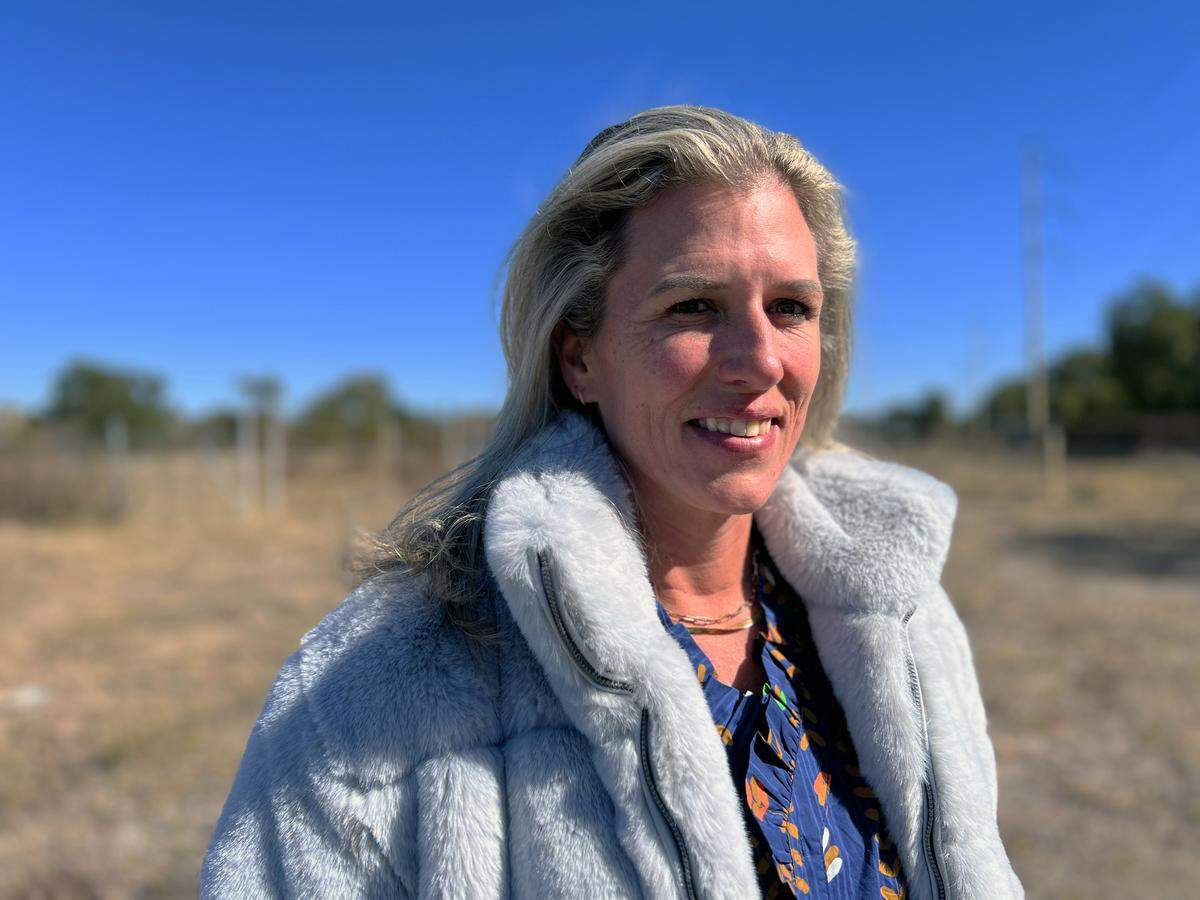
“We need to hear from the community, business owners and our operational partners, while carefully evaluating environmental impacts and understanding how projects affect our utilities and infrastructure capacity.
“The Development Authority works as an extension of the economic development strategy set by the Columbus Council and serves as subject-matter experts in evaluating projects like this.
Their research focuses heavily on community and environmental impacts, including prioritizing data centers that use closed-loop infrastructure systems.
“Just as important, infrastructure improvements tied to these projects are expected to be implemented and funded by the end user and not by Columbus taxpayers.
“Columbus can’t afford to miss opportunities because we’re not competitive, but we also can’t afford to get major decisions wrong. Columbus deserves leadership that is serious about economic growth and serious about getting ALL the details right for Columbus.
“Columbus can be the BEST place in Georgia to do Business, and that is my mission.”
Isaiah Hugley
“As mayor of Columbus, I would support a data center if it is carefully reviewed and proven to be safe and beneficial for our community.
“Like other communities in Georgia, Columbus is facing financial uncertainty with the Georgia General Assembly considering the elimination of property taxes statewide and Columbus’ unique circumstance with our existing property tax freeze.

“Such revenue constraints affect what the city collects to pay for police, fire protection, roads and other critical services.
“A data center could provide meaningful new revenue, potentially $50–$60 million, that could support important community priorities such as:
- Improvements to all of our parks to include Golden Park
- Renovations at the Liberty Theatre
- Construction of a new jail facility
- Enhanced city services
“Data centers are not new to Columbus. Companies like TSYS have operated multiple data centers here since the 1970s and 1990s, and Synovus established one in the early 2000s. These facilities have been part of our local economy for decades.
“A recently announced data center project is expected to bring more than 200 jobs paying over $80,000 annually, a strong boost to our workforce and local economy.
“That said, we must do our homework. If studies confirm that our infrastructure, water supply and power systems can support it, and that residents will not be negatively impacted, then a data center could be a smart and responsible opportunity for Columbus.
“Data centers do require significant electricity and water, and cooling systems can generate noise.
“Before approving any project, I would insist on a review of the impact on the power grid, assurance that the residential water supply won’t be reduced, strong noise mitigation requirements, compliance with all environmental and emissions standards and a check with other communities that have, or are building, data centers for best practices.
“Transparency is essential. All findings should be shared publicly, so residents understand both the benefits and the risks.
“If infrastructure upgrades are necessary, the company, not taxpayers, should bear those costs. And if any long-term environmental or health risks are identified, they must be addressed before moving forward.
“While 200+ high-paying jobs are meaningful, we have to look at the full picture, long-term infrastructure demands, environmental impacts and financial sustainability.
“That’s why due diligence is critical. We should study how data centers have affected other Georgia communities.
“Some cities have seen strong economic benefits with Douglasville, Alpharetta and Atlanta experiencing economic development, business investment and growth in the tax base. At the same time, other communities, such as Lithia Springs and Social Circle, have raised concerns about infrastructure strain, water usage and long-term environmental impact.
“A data center could represent a strong opportunity for Columbus, bringing new revenue, high-paying job and helping offset potential property tax losses.
“But my support would be conditional. We must protect taxpayers, our infrastructure, public health and maintain full transparency with citizens.
“If those conditions are met, a data center could help Columbus move forward in a financially responsible and sustainable way.
“As mayor, my job is to balance opportunity with accountability and ensure any major project truly benefits the people of Columbus. While a data center could be a strong opportunity for Columbus, I’m equally focused on positioning our city to attract even higher-wage industries that elevate the quality of life and create lasting prosperity for every neighborhood.”
Steve Kelly
“At this current time, I cannot give a yes or no to supporting it.
“A project of this size deserves careful review. A data center could bring investment and strengthen our tax base, but it also raises concerns about infrastructure and environmental impact.
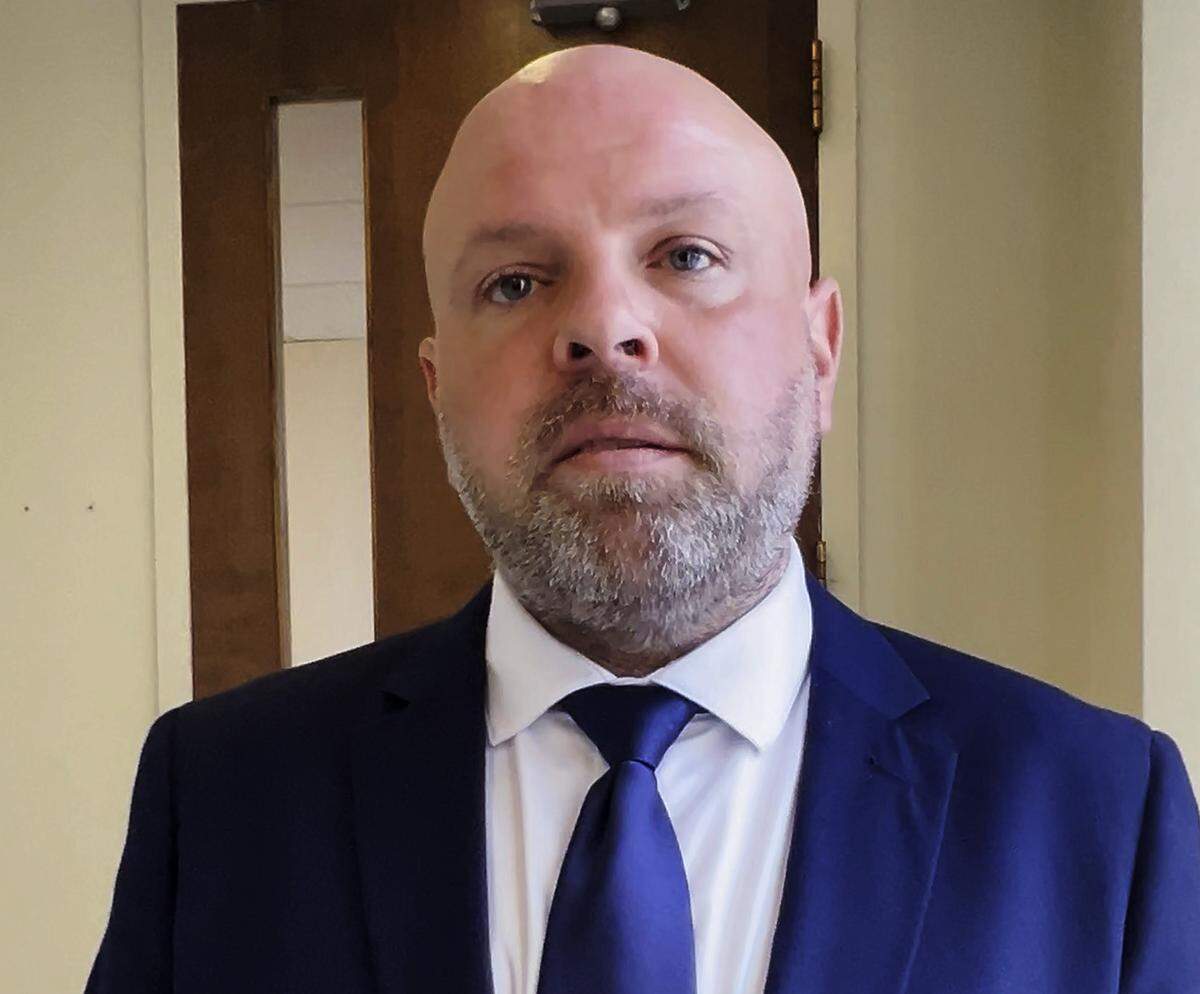
“My position is simple: Show us the verified numbers.
“If it strengthens Columbus without shifting costs or risks onto residents, it is worth serious consideration. If it does not strengthen Columbus, or there are risks or other impacts, we need to be honest about that.
“I have concerns (about power and water usage) as well.
“Large data centers require significant electricity. Some use substantial amounts of water, depending on the cooling system. Backup generators, even if only tested monthly, still produce emissions. Noise can be mitigated, but it must be measured, not guessed.
“This is why I believe detailed, public information matters. We need clear projections of water usage, electrical demand and environmental impact. We also need to know how any additional infrastructure would be funded.
“Data centers are not major job creators despite their physical size and power usage.
“Their value appears to be in capital investment and tax revenue, rather than large employment numbers. This means the financial structure of the deal is critical. The long-term return to the city must be strong, and utility ratepayers must be protected. Assurances are not enough. Transparency builds trust.
“I will be doing more research. I don’t think that anyone, including myself, should lock in a final position right now, not until all questions are thoroughly answered and verified and all of the data is analyzed.
“Large-scale projects like this shape a city for decades. Decisions should be based on documented facts, long-term planning and a clear understanding of both opportunity and impact.
“Growth is important. Getting it right is more important.”
This story was originally published February 24, 2026 at 5:00 AM.