What candidates for GA governor had to say at Saving Democracy Forum in Columbus
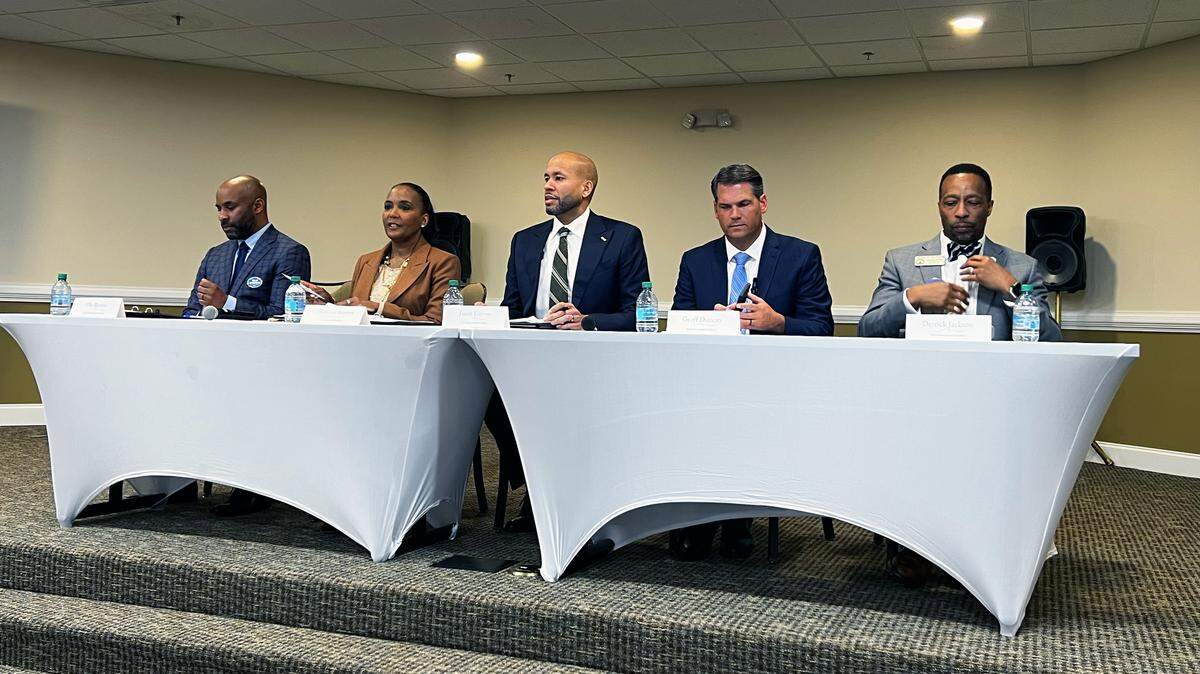
Gubernatorial candidates for the Democratic primary election in Georgia visited Columbus last week to participate in a forum where they answered questions about data centers, affordability, healthcare and public safety.
Six candidates qualified for the Democratic primary in the gubernatorial race: accountant Amanda Duffy, Georgia state Rep. Derrick Jackson (District 68), former Georgia Lt. Gov. Geoff Duncan, former Georgia state Sen. Jason Esteves, former Atlanta Mayor Keisha Lance Bottoms, attorney Mike Thurmond and business owner and pastor Olu Brown.
Jackson, Duncan, Esteves, Bottoms and Brown participated in the Columbus event, titled “Saving Democracy Forum,” at the Page-Doleman Complex, 800 Eighth Street. Geniece Granville of Davis Broadcasting and Wane Hailes of the Courier Eco Latino newspaper were the moderators.
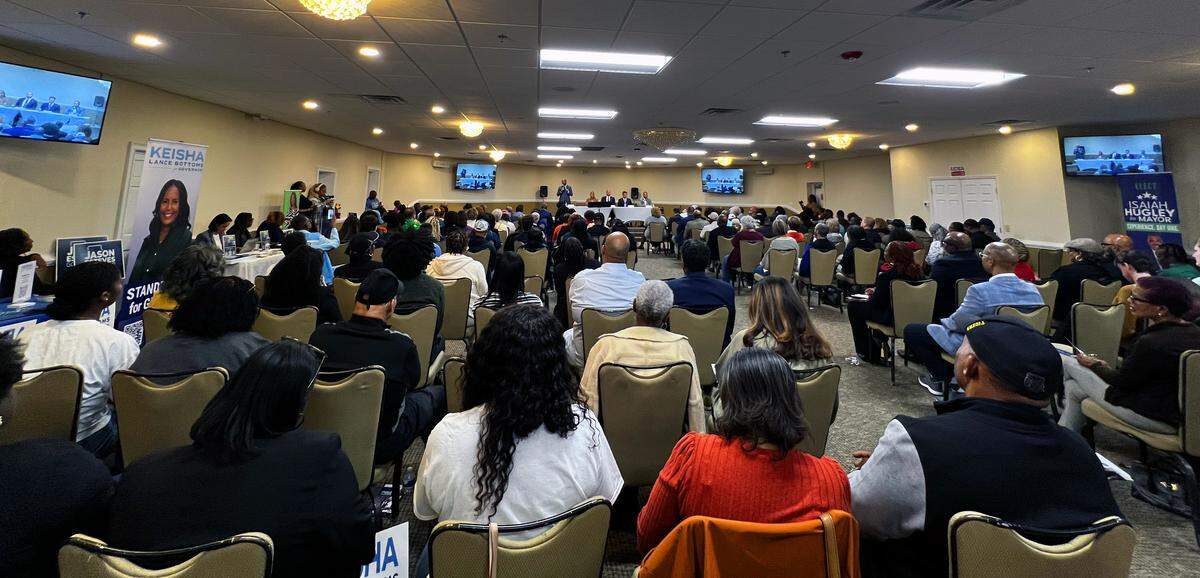
Republican candidates will have an opportunity to participate in a Columbus forum later in March, organizers said in a news release. The eight organizations hosting the series are Muscogee Democrats, A Call to Talk – A Community Call to Action, CSU Collegiate 100, NAACP Columbus Branch 5187B, Davis Broadcasting, the Courier Eco Latino newspaper, Urban League of the River Valley and the SGC Community Impact & Empowerment Foundation.
During the forum, candidates were asked questions by the moderators and by the audience. Here’s what each gubernatorial candidate had to say about some of the top issues discussed:
Support for military service members and veterans in Columbus
Olu Brown
Brown would offer support for transitioning from military to civilian life and mental health resources to help veterans and their families, he said.
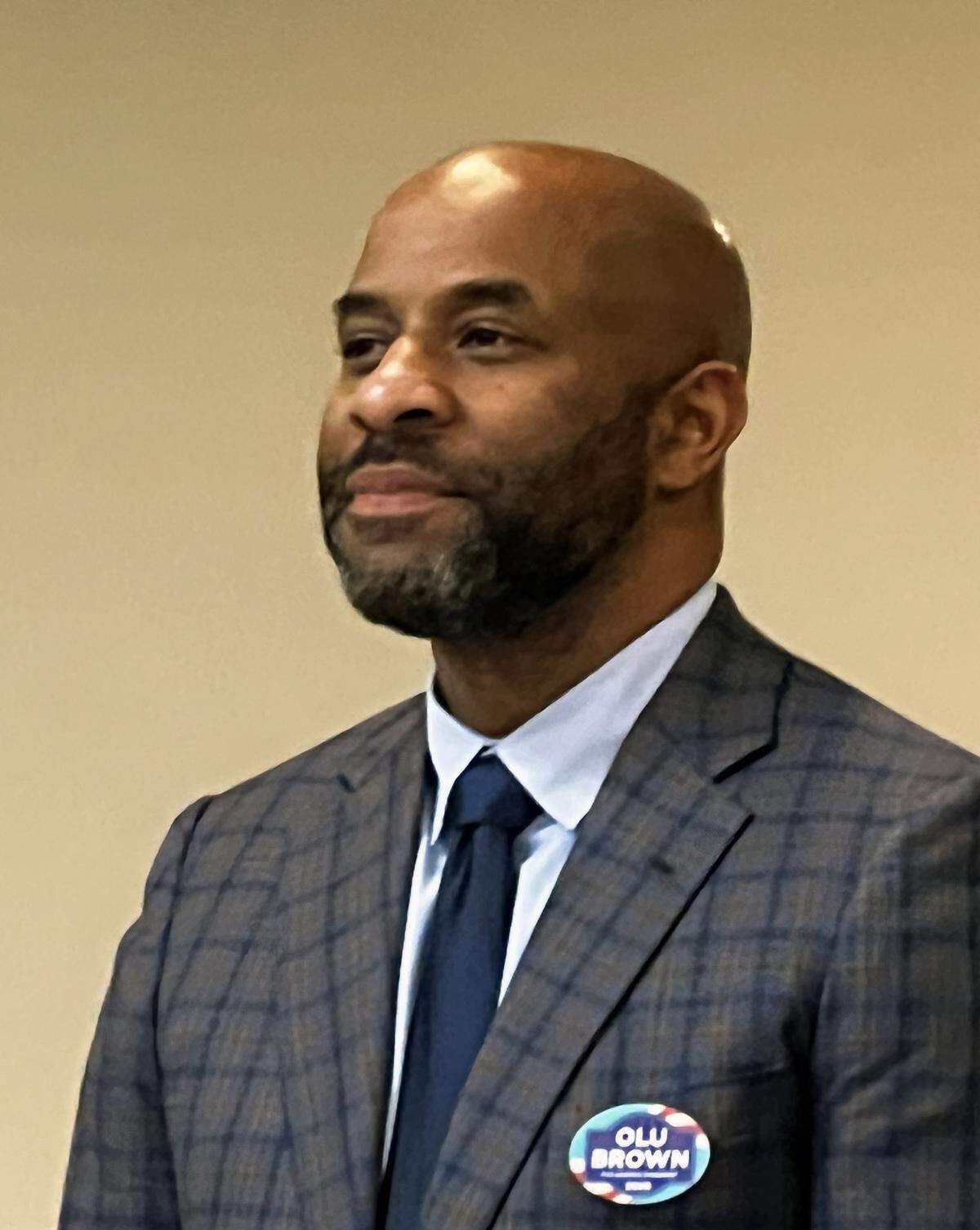
He would also offer loan support for home or apartment ownership. Brown said he would use his development background to come up with creative solutions, like looking into repurposing retail spaces, dilapidated malls and industrial spaces that are blights in the community and turning them into modernized housing, support services and health clinics.
“As a faith leader, I understand life is more than dollars and cents,” he said. “It’s a holistic approach to living.”
Keisha Lance Bottoms
One way Bottoms said she plans to support veterans is by breaking up “mega-contracts” given by the state and providing more opportunities for veterans to enter government contracts.
As mayor of Atlanta, she made a point of hiring veterans in top positions, Bottoms said, including the general manager of the Hartsfield-Jackson Atlanta International Airport and the city’s head of public works.
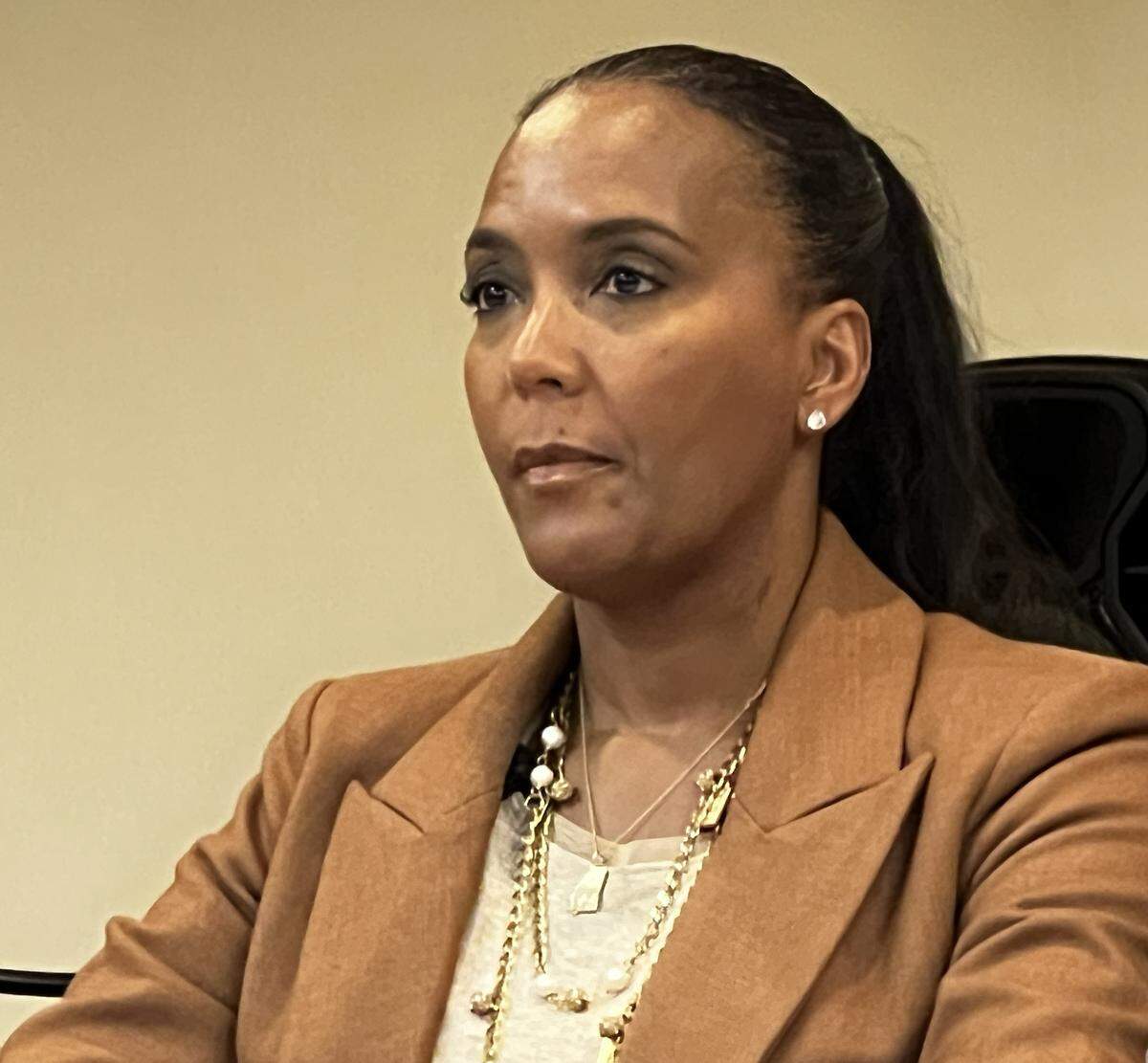
As governor, Bottoms said, she would continue prioritizing hiring veterans.
“When I worked in the White House and federal government, roughly 30% of federal employees were veterans,” she said. “I think we can hit similar numbers in Georgia.”
Bottoms said she also supports eliminating income taxes for veterans, which has been done in other states.
Jason Esteves
Esteves, whose father served at Fort Benning, prioritized an affordable cost of living for veterans.
He would exempt veterans’ retirement from income tax. Esteves also proposed a $1 billion low-interest loan program for small-business owners.
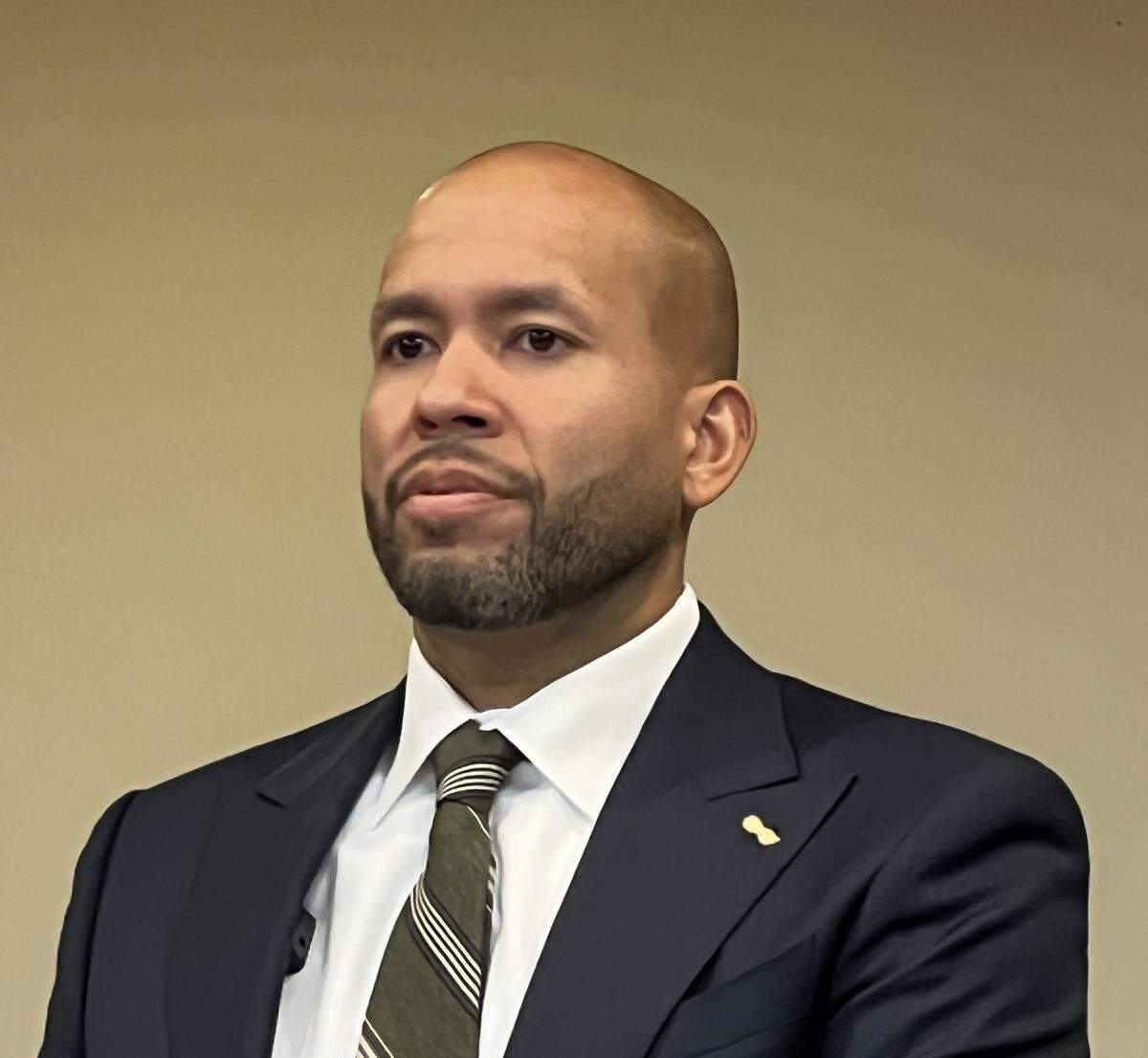
“I also want to make sure that we cut the red tape, so that you can get certified in what you’ve been trained in,” Esteves said. “And I want to make sure that we provide you the support you need, specifically around mental health services.”
Geoff Duncan
Georgia can do more as a state, Duncan said.
“I think I’ve seen some good steps in the right direction,” he said.
Duncan said he wants to ensure when veterans enter the workforce, they and their spouses are able to get certifications and licensing faster.
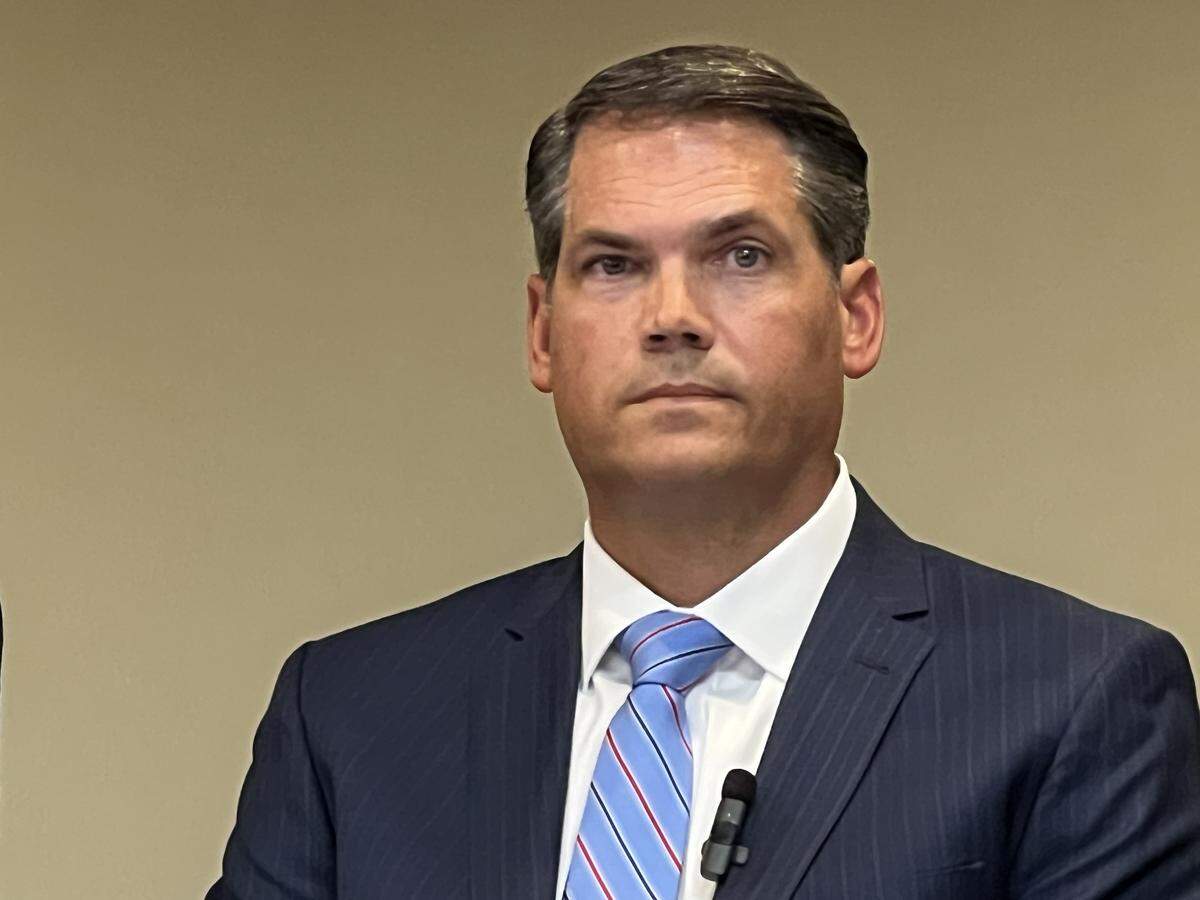
The state needs to look for opportunities to embed veterans deeper in the technical school system, Duncan said, so they can close skill gaps and better utilize their military training.
“Look, we should have better services from the federal level,” Duncan said. “Doug Collins is the Veterans Affairs Secretary, and every place I go in the state, we hear words about the VA and the way veterans are not being treated up to their expectations. I think we can do better.”
Derrick Jackson
Jackson, who serves on the Defense & Veterans Affairs Committee in the Georgia House of Representatives, said he will continue to advocate for veterans as governor.
Not only do service members need to be taken care of as they transition to civilian life, Jackson said, but they need accessible hospitals and clinics ready to serve them and their families.
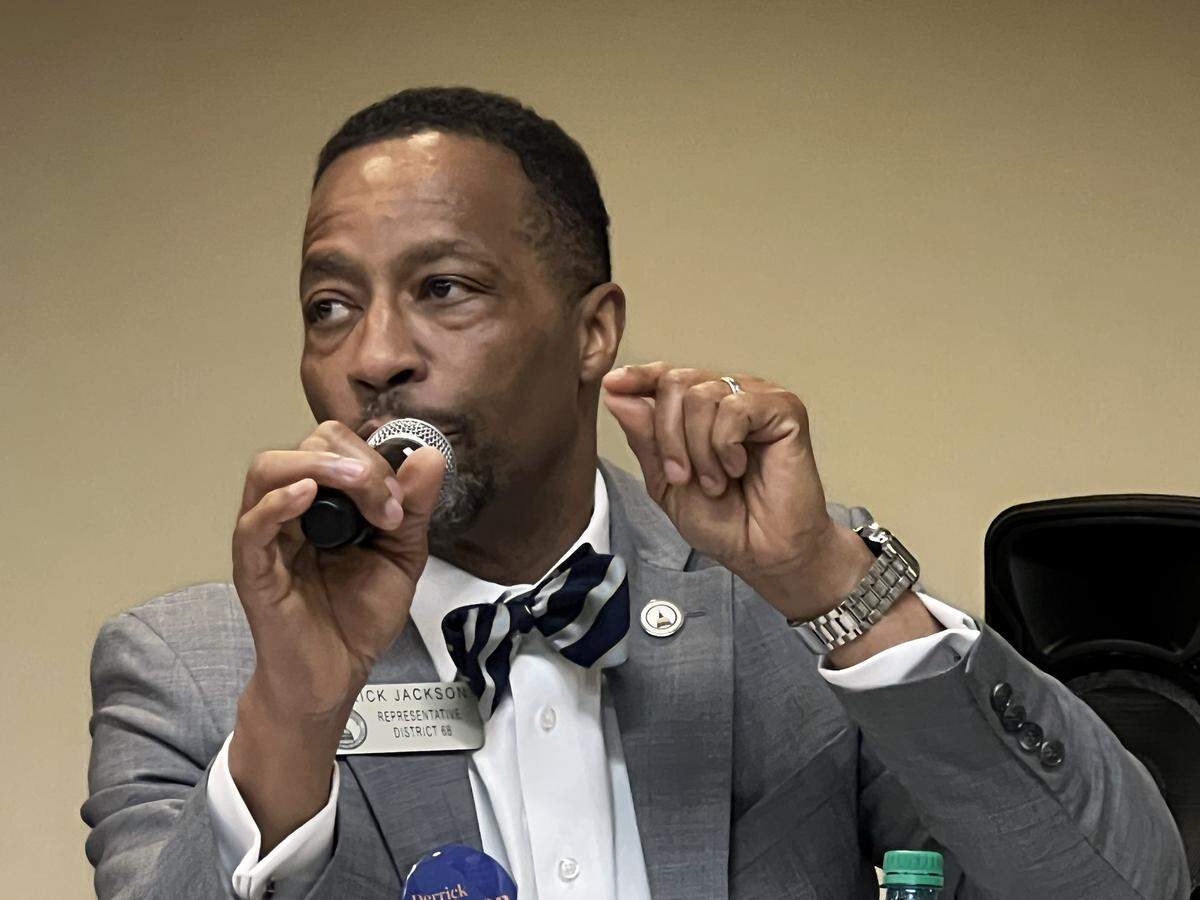
When veterans come home, they need jobs available, transition assistance programs, affordable housing and an affordable cost of living, he said.
“In the end, you have, right now, a commander in chief that’s sending our brave men and women over into war that’s unconstitutional,” Jackson said. “And it’s impacting negatively, not only our country, but these families.”
Addressing violent crime in cities like Columbus
Olu Brown
Brown said he would work with counties to address violent crime throughout Georgia and ensure the state provides necessary resources, like training, uniforms and cars.
He would push for Georgia first responders to be the highest paid in the nation, Brown said, and he wants to “go back to community policing.”
This means having conversations with neighborhood leaders, elected officials and nonprofit leaders to “build a program in Georgia that respects every citizen,” Brown said.
Such a program would provide opportunities for healthier communities where crime is not as much of an issue, Brown said, and it would ensure everyone in Georgia has an “opportunity to thrive.”
Keisha Lance Bottoms
Bottoms said she would lean on flexible funding for cities like Columbus at the state and federal level, which would allow these communities to create balanced intervention programs.
An example of this would be a program to help fill in streetlights, she said.
“If you can believe it, many of our cities are experiencing an absence of streetlights,” Bottoms said. “We found that filling in empty lights will help reduce crime.”
Addressing blighted property is another way the state can assist in addressing crime, she said, along with expanding support from the Georgia Bureau of Investigation to take some of the burden off smaller police departments. This would include helping with investigation, training, infrastructure and administrative support.
Jason Esteves
Providing support to community organizations addressing the root causes of public safety problems in midsize cities is one way Esteves said he would handle this issue.
“I’m also going to make sure that we focus on our youth,” Esteves said. “And I know that, in Columbus, we have way too many of our young people who are killing each other. I want to make sure that we address those root causes.”
This means working with groups who are mentoring young people, providing summer jobs and providing after-school programs, he said.
He would also work to improve literacy, Esteves said, because people who struggle to read are more likely to find themselves on the streets or in jail.
Esteves said he wants to help those who were incarcerated reintegrate into society and be productive.
“We do that by ensuring that they have pathways to jobs, housing and the right to vote,” he said.
Geoff Duncan
Duncan pointed to his history in working to pass hate crime legislation in Georgia as well as working with a bipartisan group to pass the state’s Law Enforcement Strategic Support (LESS) Crime Act in 2022.
That bill sent funding directly to sheriffs and police departments around the state, so they could buy more equipment, hire more officers, increase officers’ pay and train them better, Duncan said.
“We push back on this narrative that ‘defund the police’ made sense,” he said. “We push back on this narrative that overpolicing made sense.”
The state needs to create strategies and support law enforcement and public safety in a bipartisan way, Duncan said.
Derrick Jackson
Jackson said he is going to let local communities “come up with the solution.”
There is no “one size fits all” answer to public safety, he said, because what works for a community like Columbus would not work in Atlanta.
“We have to get buy-in from the bottom up,” Jackson said. “When we keep passing these unfunded mandates down to you all, there’s no buy-in, and then there’s this friction.”
The past strategy has led to nothing getting done, Jackson said, and he plans to listen to local communities to find solutions.
Plans to improve affordable housing
Olu Brown
In his first 100 days as governor, Brown said, he would bring together general contractors, elected officials and banking leaders to develop a comprehensive affordable housing plan for all the counties in Georgia.
He would also give tax rebates and loan rebates for first responders and teachers as this plan is developed, Brown said.
The state has to “stop electing people who can afford everything to make decisions for folks who can’t afford anything.”
People can’t afford mortgages or rent, Brown said. His background working with general contractors helps him understand the industry, he said.
Keisha Lance Bottoms
Bottoms said she created an affordable housing trust fund as mayor of Atlanta and plans to create a similar fund for the state as governor.
“We set aside $42 million for affordable housing,” Bottoms said. “$28 million went into an affordable housing trust fund.”
This program could be scaled up statewide, she said.
Bottoms said she would also set aside “workforce housing” for people who are in poverty.
“We also gave grants,” she said. “We gave low-interest loans. These are things that can be scaled statewide. So, I don’t have to tell you what I will do. I can tell you what I’ve gotten done.”
Jason Esteves
The issue with affordable housing is not just lower-income housing, Esteves said, but it’s with stopping private equity funds from buying up single-family homes.
He would also like to work with cities and counties in the state to “cut the red tape” and make it easier to build more housing units across the state.
“Those are small homes,” Esteves said. “Those are big homes.”
This would include “micro” affordable homes for people in crisis and on the verge of becoming homeless, he said.
“I’m going to create an affordable housing trust fund to ensure that we can build affordable housing, not just in metro cities across Georgia but in small towns and counties as well,” Esteves said.
Geoff Duncan
Duncan said he would use $1.7 billion to create a “jump-start” fund.
This idea was developed as he toured the state, Duncan said, and found cities across the state have their own local solutions, such as modular housing and wraparound services.
“We’ve got to work with local communities,” he said. “But it takes dollars. It takes intentionality.”
This fund could help people on the bottom end of the economic spectrum, he said, to help people afford housing so they can be more successful.
Derrick Jackson
Jackson has introduced three bills related to housing, he said.
The first bill focused on helping renters by ensuring landlords can’t increase rent by more than 3% year-over-year, he said. Around 35% of the population in Georgia are renters, Jackson said.
“That’s number one to protect our seniors and our college students,” he said.
Next, he would use the state’s surplus to provide $30,000 for people who want to become homeowners, Jackson said, which would help cover closing costs and other costs associated with buying homes.
Lastly, he would create a partnership with developers and explain to them how important it is to have affordable housing, Jackson said.
Then the state could provide incentives for developers to build more affordable housing, he said.
Plans to address concerns about data centers
Olu Brown
Brown lives near two data centers, he said, which gives him an understanding about residents’ concerns
He plans to hold big business accountable and ensure, as data centers move into Georgia, there is proper regulation, Brown said. This means not just making decisions for now, he said, but for decades to come.
“Secondly, we’ve got to make sure that these very innovative systems and innovative centers use renewable energy,” Brown said, “so they use less electricity.”
Some of the greatest minds in the world are running these data centers, he said, and they can use less energy.
Lastly, Brown said, he would push to ensure companies to employ local people to build and run the data centers. This way, revenue is shared with the community, he said.
Keisha Lance Bottoms
Not enough is known about the impact data centers have on the environment, Bottoms said.
They drain resources, she said, and utility prices are going up across the state.
Bottoms said she understands the proposed data center for Muscogee County came with the support from the Development Authority of Columbus, promising 200 jobs and property tax investment
“The problem is this: We’ve done too much,” she said. “We’ve done it too fast.”
Bottoms said she has asked to meet with Georgia Power and is trying to have that scheduled in the next two weeks.
“I want to hear directly from Georgia Power on what the solutions will be, what we can do and what is possible when I become governor to unwind some of the infrastructure drag that we’re seeing taking place right now,” Bottoms said.
Jason Esteves
The key is to ensure data centers are being built with the community, Esteves said, and ensure they are not being done to communities.
“The reality is that there are some communities in Georgia that do want them,” he said. “And there are many communities in Georgia that don’t.”
Esteves would end the taxpayer subsidies going from the state to data centers, he said, which is about $500 per taxpayer in this state.
He would also work to ensure companies pay their fair share of infrastructure, utilities and water, Esteves said, so residents aren’t responsible for those expenses.
Esteves would also ensure data centers are built with the latest technology to minimize the water and electricity used and the environmental impact, he said.
Geoff Duncan
Local residents should control whether data centers are built in their community, Duncan said. If the community does not want to have a data center, he said, then they should not be forced to have a data center.
If they want to find a different spot to have a data center, he said, then they should have that discussion.
Data centers use a tremendous amount of electricity and water, and those rates are being spread across ratepayers unfairly, Duncan said.
“Waterless technologies are now available,” he said.
They cost more, Duncan said, but closed-loop water systems use less water.
Restrictions can be mandated, like noise abatement, and those decisions should be made locally, he said.
Derrick Jackson
Jackson introduced a bill to have a three-year moratorium on data centers, he said.
“Unfortunately, that bill didn’t go through because, in this six-page bill, it requires them to do a study,” he said.
The study would examine whether data centers are a health hazard along with the cost of the electricity and water consuption, he said.
Georgia has 93 data centers being constructed, Jackson said.
“Some things we do very well,” he said. “This is not one of them.”
This story was originally published March 19, 2026 at 5:00 AM.