These 4-foot lizards multiply fast and eat a lot. Georgia needs help stopping them
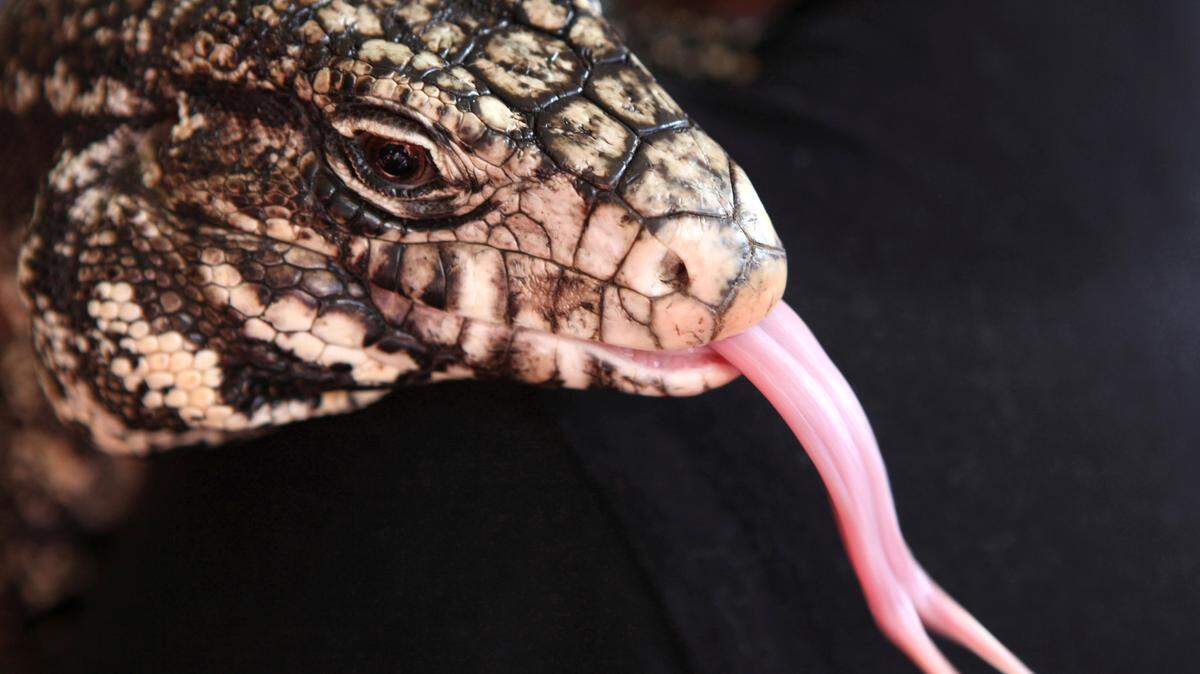
They’re 4 feet long, fast-moving and will eat almost anything.
And now, Georgia needs help to eradicate this exotic species of lizards that threatens the state’s wildlife.
Biologists are working to get rid of Argentine black and white tegus in southeast Georgia, according to the Department of Natural Resources.
The tegu, a species of lizard native to Brazil, Paraguay, Uruguay and Argentina, has somehow found its way to Georgia.
While biologists aren’t exactly sure how the exotic animals got here, they do know they pose a threat to native animals and plants and could transmit diseases and parasites. As they are more tolerant to the cold than other reptiles, biologists worry the tegus could spread throughout the state.
The lizards can multiple quickly — about 35 eggs a year — and have few predators, officials say.
The Department of Natural Resources now urges residents to report any sightings.
State officials even added that residents can kill the animals if they see them in the wild.
“Tegus are not native to Georgia and as a non-native species they can be killed on private property with the landowner’s permission and using legal methods in accordance with local ordinances, animal cruelty laws and safety precautions,” officials wrote on the DNR website.
Florida has also been dealing with a tegus invasion, according to officials. These lizards will eat almost anything from turkey eggs to plants, pet food, grasshoppers or gopher tortoises, biologists say.
Though they are legal to be owned as pets in Georgia, it is illegal to “release any non-native animal into the wild,” according to DNR.
This story was originally published April 7, 2022 at 3:16 PM with the headline "These 4-foot lizards multiply fast and eat a lot. Georgia needs help stopping them."