
Disease-carrying ‘kissing bugs’ are in GA. Here’s what to know about these dangerous insects
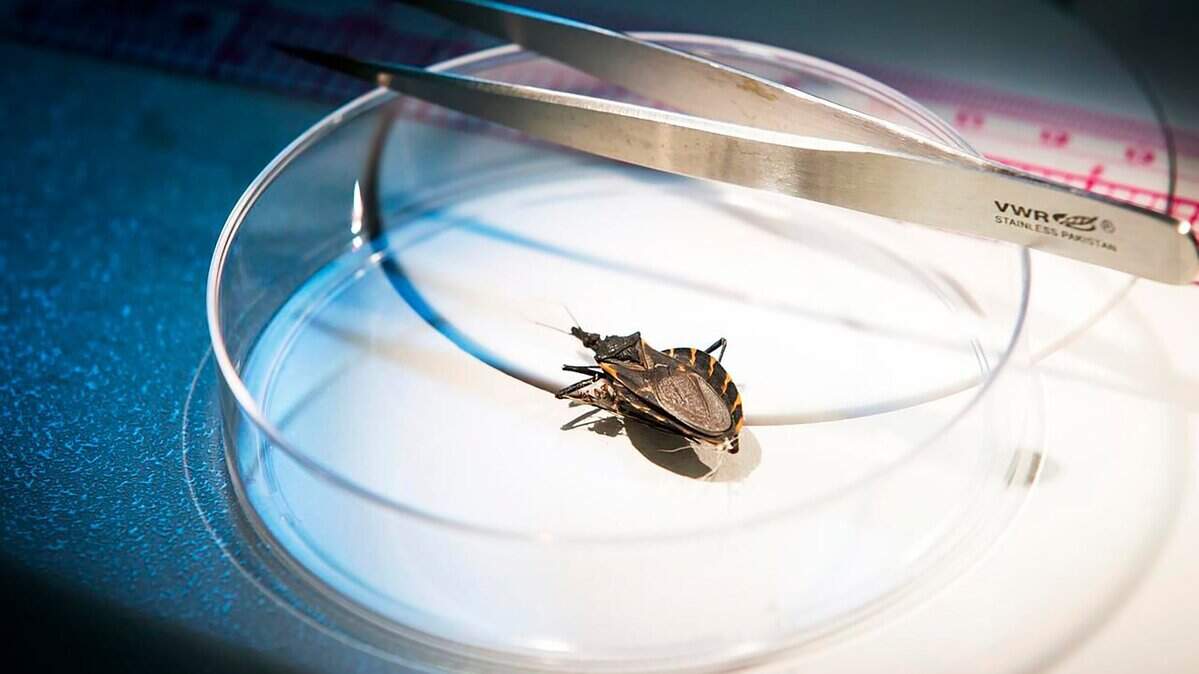
Do not be fooled by their sweet-sounding name — kissing bugs are a menace and have become a real concern in Georgia. Scientifically known as triatomine bugs, these tiny insects carry a parasite that is known to cause severe symptoms that could last for months and, if left untreated, be fatal.
The kissing bug presents enough concern for public health that the Centers for Disease Control has issued a safety alert and The University of Georgia (UGA) is now involved in containing the spread of the disease it carries. .
Kissing bugs in GA
These insects have been part of Georgia’s ecosystem for millions of years, they aren’t deadly and most are not infected with the parasite that causes Chagas disease. However, humans can become sick if the bug’s feces gets inside the body.
Dr. Nancy Hinkle, at UGA Entomology, wants to reassure those of us here in the Southeast that there is little risk of being bitten, but the danger lies in exposure while “cleaning up raccoon, opossum, skunk or armadillo nests.” That is where you’ll find a higher concentration of the kissing bugs’ feces.
Characteristics of kissing bugs
Fortunately, these bugs have features that can make them easier to recognize, according to the community science program at Texas A&M.
Some of the most common characteristics:
- Cone-shaped head
- Thin antennae and legs
- Black or very dark brown with orange or yellow stripes around the edge
- They feed on blood, but their bites can be relatively painless
- Most active at dusk or night
These adaptable insects can live both indoors and outdoors. Outdoors you may find them:
- Beneath porches
- Between rocky structures
- Under cement
- In rock, wood, brush piles, or beneath bark
- In rodent nests or animal burrows
- In outdoor dog houses or kennels
- In chicken coops or houses
Chagas disease and its risks
Kissing bugs do not inherently carry the parasite and most are not infected, but CDC guidance suggests when humans do get sick with Chagas disease it can be dangerous.
Chagas disease has two stages: acute and chronic. The acute phase happens shortly after infection and the chronic phase over a long period of time, and in both phases the severity of illness can vary.
Symptoms of Chagas disease
Acute phase
This phase happens in the first weeks or months after getting infected. Symptoms can be mild or nonexistent and can include:
- Fever
- Feeling tired
- Body aches
- Headache
- Rash
- Loss of appetite
- Diarrhea
- Vomiting
- Eyelid swelling (Romaña’s sign)
Chronic phase
This phase can last many years or the rest of your life. Only about 20-30% of infected people develop serious problems. These can include:
- Enlarged heart
- Heart failure
- Altered heart rate or rhythm
It’s important to know that Chagas does not spread from person-to-person like a cold and you can’t get it from casual contact with infected people or animals.
There are no vaccines or drugs that prevent the disease and once you are infected and become ill, the symptoms can be dangerous if left untreated.
The best way to protect yourself from kissing bugs and their poop is to prevent contact altogether. Do you have any experience with the kissing bug? Email me at srose@ledger-enquirer.com or find me on social media.