
A new ‘winter vomiting disease’ is coming to GA. Here’s what you need to know
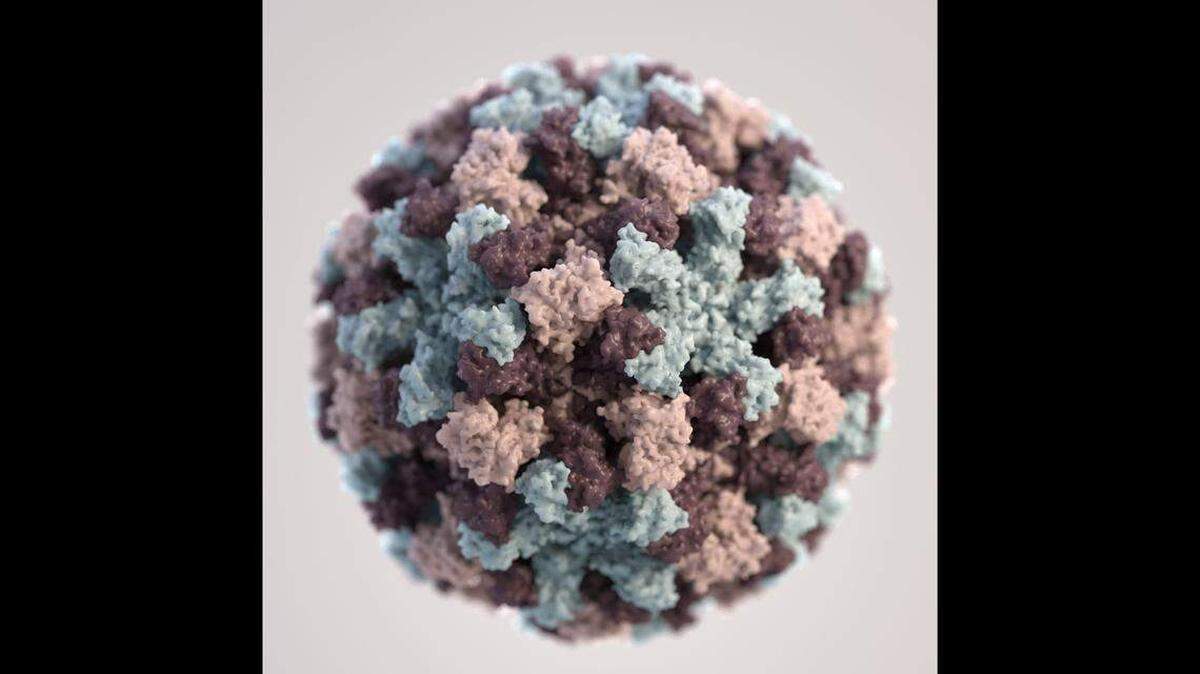
A new strain of norovirus, nicknamed the “winter vomiting disease,” has arrived in Georgia and instances of infections have doubled in the last few weeks, the Centers for Disease Control says.
Public health officials say the virus is still highly contagious, easy to catch in close-contact settings and is making many people very sick.
There are many different types of the norovirus, so it is possible to get sick many times. Some health officials believe susceptibility to the virus could depend on blood type.
What is norovirus?
Norovirus is a very contagious virus that causes sudden vomiting and diarrhea, and it spreads through contaminated hands, food, water and other surfaces.
Data reveals norovirus illnesses are rising ahead of the usual December–March peak, making the stomach bug part of a wider trend of illnesses including COVID, flu and whooping cough.
It is a leading cause of acute gastroenteritis outbreaks in crowded or populated areas.
Symptoms of norovirus
Generally, symptoms will develop 12 to 48 hours after exposure and last between one and three days.
Likely
- Sudden nausea
- Vomiting
- Watery diarrhea
- Stomach pain or cramping
Possible
- Low-grade fever
- Chills
- Headache
- Muscle aches
- Fatigue
Treating norovirus symptoms
There is no specific antiviral medication and antibiotics only work on bacterial infections. Treatment is focused on treating symptoms and preventing dehydration.
- Take small, frequent sips of fluids such as water, oral rehydration solutions, broths or electrolyte drinks
- Once vomiting eases, try bland foods like crackers, toast, rice or bananas
- Rest and stay home for at least 48 hours after symptoms stop
When to call a doctor or seek urgent care
Most people recover without medical care, but dehydration can become serious if left untreated. Contact a health care provider or seek urgent care if these symptoms are present.
Dehydration
- Very dry mouth
- Dizziness
- Extreme fatigue
- Little or no urine or dark yellow urine
Escalating symptoms
- Incessant vomiting
- Bloody diarrhea
- Severe stomach pain
- High or persistent fever
- Symptoms that last more than a few days
Avoid getting sick and spreading norovirus
Norovirus spreads easily, and people are most contagious while they have symptoms and for at least a couple of days afterward
Key steps for prevention
- Wash hands for 20 seconds and use soap and hot water. Alcohol-based sanitizers don’t work as well against norovirus.
- Clean and disinfect contaminated surfaces with bleach-based cleaner or EPA-registered disinfectant.
- Isolate while experiencing symptoms for at least 48 hours after symptoms cease.
Stomach bugs may be an unavoidable part of winter so, wash your hands, stay home if you feel sick and drink plenty of fluids. If you have any experiences you would like to share, email me at srose@ledger-enquirer.com or find me on social media.