
GA school lunches may change because of the new federal food pyramid. Here’s how
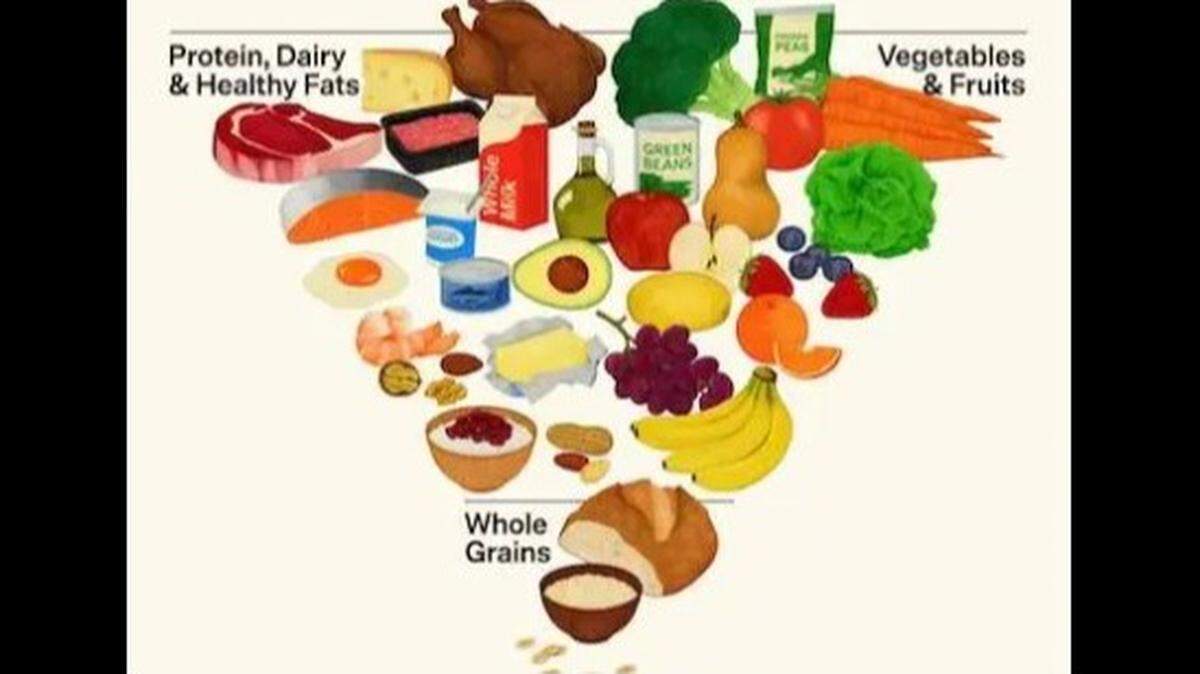
The US Department of Health and Human Services (DHS) have issued new Dietary Guidelines in 2026 and the new “food pyramid” will have a significant impact on what school-aged children will eat in the country, including Georgia.
The new HHS Dietary Guidelines and food pyramid changes bring a mixed bag for school lunches. The positive outcomes focus on cutting sugars and junk, but the changes could be tricky for cost and overall heart-health.
The new recommendations
The 2025–2030 Dietary Guidelines and an updated, pyramid-style graphic that by law, will be the scientific baseline for all federal nutrition programs, including school meals, WIC and SNAP.
The new guidelines will emphasize minimally processed “real food” and deemphasizes ultra‑processed foods and added sugars.
Major changes:
- Proteins, dairy, healthy fats, vegetables and fruits now take up the broad top section
- Whole grains shrink to the narrow base
- Full-fat dairy products like whole milk are alongside low-fat options, reversing prior low-fat emphasis
- High-quality animal proteins including red meat, poultry and eggs are elevated without strict limits on portions or lean cuts only
- Adds “healthy fats” category featuring butter, beef tallow, olive oil and avocados
- Callout to limit or avoid “highly processed” and “ultra-processed” foods
- Increases recommended protein intake from 0.8g/kg to 1.6g/kg body weight daily
- Deemphasizes fiber as a standalone priority
How federal guidance shows up in school meals
Even though people often think of school nutrition as a “health” issue, HHS does not write the binding rules for school meals the United States Department of Agriculture (USDA) Food and Nutrition Service does.
The big change actually already happened. USDA already finalized the meal patterns rule in 2024.
That rule:
- Tightens sugar limits
- Tightens sodium limits
- Keeps current whole-grain requirements
- Keeps current milk rules
However, any additional changes would trigger a new process involving a new proposed rule, public comment, revisions and final approval.
That process typically takes years, not months, so the alarm over a brand new dietary model is not entirely warranted.
What might change on kids’ trays
The updated requirements shift both menus and budgets, pushing schools to cut some foods and pay for new ones.
This means:
- Flavored milk swaps to unflavored only
- High sugar cereals, like Frosted Flakes, will be replaced with lower-sugar alternatives like Cheerios
- Desserts like cookies or flavored yogurts appear once or twice max per week
- Whole milk joins low-fat and skim as an option
- Diminished servings of high sodium items like canned veggies, deli meats or pizza sauce
- More “meats/meat alternates” (eggs, beans, tofu) allowed at breakfast daily
- Fewer ultra-processed grab-n-go items like chicken nuggets or pre-made sandwiches
- Expanded local produce via geographic preference
What the experts say
- Meghan Maroney, from the Center for Science in the Public Interest told The Hill, “Many schools are working with outdated kitchen equipment. They’re understaffed because they’re not able to offer competitive wages. They are scrambling to try to put healthy meals together, and they’re doing the best they can with what they have.”
- Frank Hu, chair of the Department of Nutrition at Harvard T.H. Chan School of Public Health, is worried about heart-health, saying, “The mixed messages surrounding saturated-fat-rich foods such as red meat, butter, and beef tallow may lead to confusion and potentially higher intake of saturated fat and increased LDL cholesterol and cardiovascular risk.”
- The Whiter House cites a post on X from Dr. Paul Saladino, a psychiatrist and carnivore diet advocate, on their What They Are Saying page, “This is incredible. This is #foodforhumans … Red meat, animal foods, saturated fat – these are not to be feared. So stoked to see the guidelines reflecting this! Bravo.”
What this means for Georgia
Georgia families, just like families across the country, will see gradual menu tweaks, not drastic overhauls. These shifts will roll out over several school years and depend heavily on funding and kitchen capacity in each district.
Muscogee County School District follows federal reimbursements, so they’ll phase in sugar cuts and milk options over 2026-28 without big upfront hits, but funding could lag for the “from scratch” shift.
Will you be following the new guidelines? Email me at srose@ledger-enquirer.com or find me on social media.