
There’s a new invasive species in GA, and it can send you to the ER. Here’s what to know
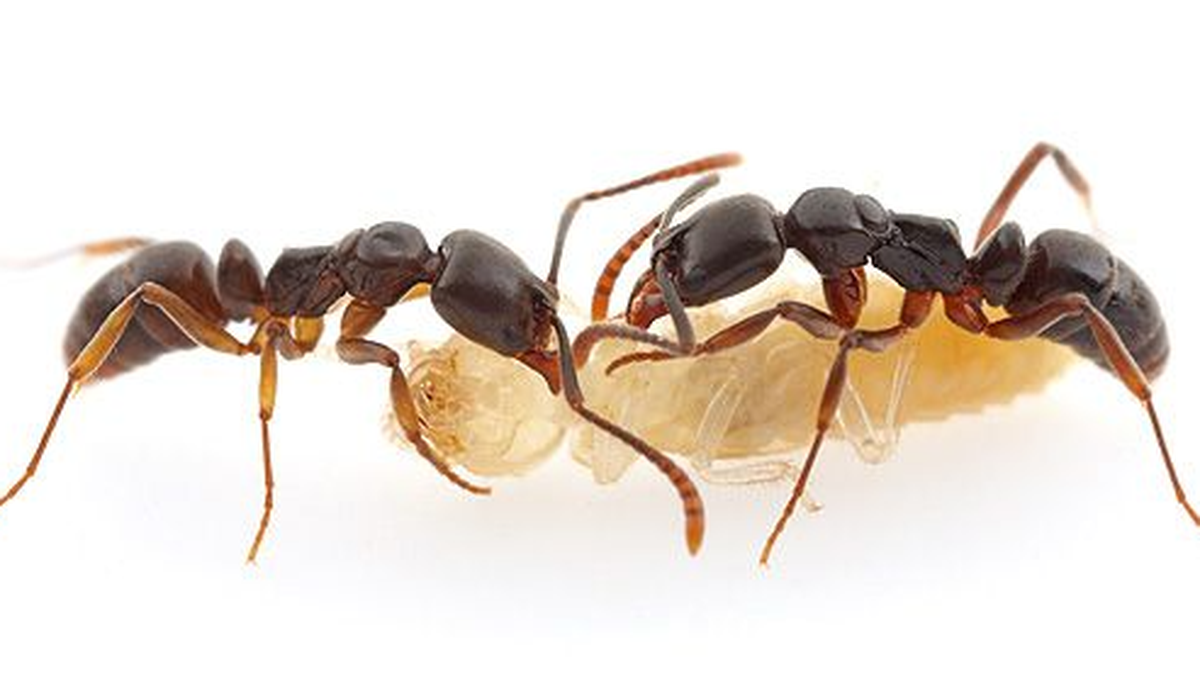
The Asian needle ant has been quietly spreading through the Southeast and has been showing up in Georgia yards recently. New research from the University of Georgia has dubbed it a “medical pest” because its sting can be very serious for some people.
Peak ant season in Georgia is July through August, so now is the time to prepare your yard and outdoor spaces to avoid injuries via bites and stings.
What is the Asian needle ant?
The Asian needle ant also known as Brachyponera chinensis is among the smallest species of ants, so it can be easily overlooked.
Characteristics:
- About 3/16 of an inch long
- Tends to stay hidden
- No visible mounds
- No foraging trails
- Favor moist areas like leaf litter, dead logs, firewood piles, tree bark.
This is not the average backyard ant
Dubbed a “medical pest,” the Asian needle ant is not only disrupting the environments they inhabit but also the nearby humans.
Need to know:
- Sting can be life-threatening.
- Pain can return days after the initial sting.
- Prior reactions to bee or wasp stings is an indicator for risk of anaphylaxis.
- Outcompetes native species and can push it toward extinction.
How to keep them out of your yard
Prevention is mostly about making your yard less hospitable. These ants are looking for moisture, shade and debris, so your goal is to eliminate all three.
North Carolina State University’s extension service, Homegrown, offers tips about protecting your home.
Preventative measures:
- Remove potential nesting sites: clear leaf litter, stones, rocks and logs.
- Move woodpiles away from the house, and inspect other wooden structures.
- Fix leaky faucets, and address drainage issues that create standing water or consistently damp soil.
- Seal cracks and crevices around your foundation, windows and doors with caulk.
- Trim back vegetation and overhanging branches that touch your house.
- Wear gloves and long sleeves for yard work and maintenance.
- Control other pests.
- Keep trash secured.
These ants can form super colonies with multiple queens and multiple nests scattered across a yard or neighborhood, so killing one nest won’t wipe out the colony.
If you’re seeing them regularly, call a pro. You can find one near you in the Georgia Pest Control Association’s Business Directory.
What to do if you’re stung
The American Academy of Allergy, Asthma and Immunology offers guidelines in the event of an Asian needle ant sting. People who have experienced reactions from other insect stings or bites are more likely to have a reaction to these bites.
For a mild reaction:
- Wash the area with soap and water.
- Apply a cold compress to reduce swelling.
- Take an antihistamine like diphenhydramine (Benadryl).
Be aware that pain can come and go for several hours and may return days later, which is normal for this species. Monitor the site, and don’t assume you’re in the clear immediately.
For a severe reaction:
If you develop hives, swelling of the lips or tongue, or difficulty breathing, get to an emergency room. These are signs of anaphylaxis.
- Use an epinephrine auto-injector (EpiPen) if you have one and are prescribed it.
- Lie down and elevate your legs if you’re feeling faint.
- If you’re having trouble breathing, sit upright to help with airflow.
Tell emergency responders you suspect an Asian needle ant sting, and mention any known allergies.
The UGA extension experts ask Georgia residents to send a photo or specimen to your UGA Extension office if you suspect you’ve spotted one.
This story was originally published May 1, 2026 at 6:00 AM.