
GA armadillos can carry leprosy. Here’s how to protect your home and yard
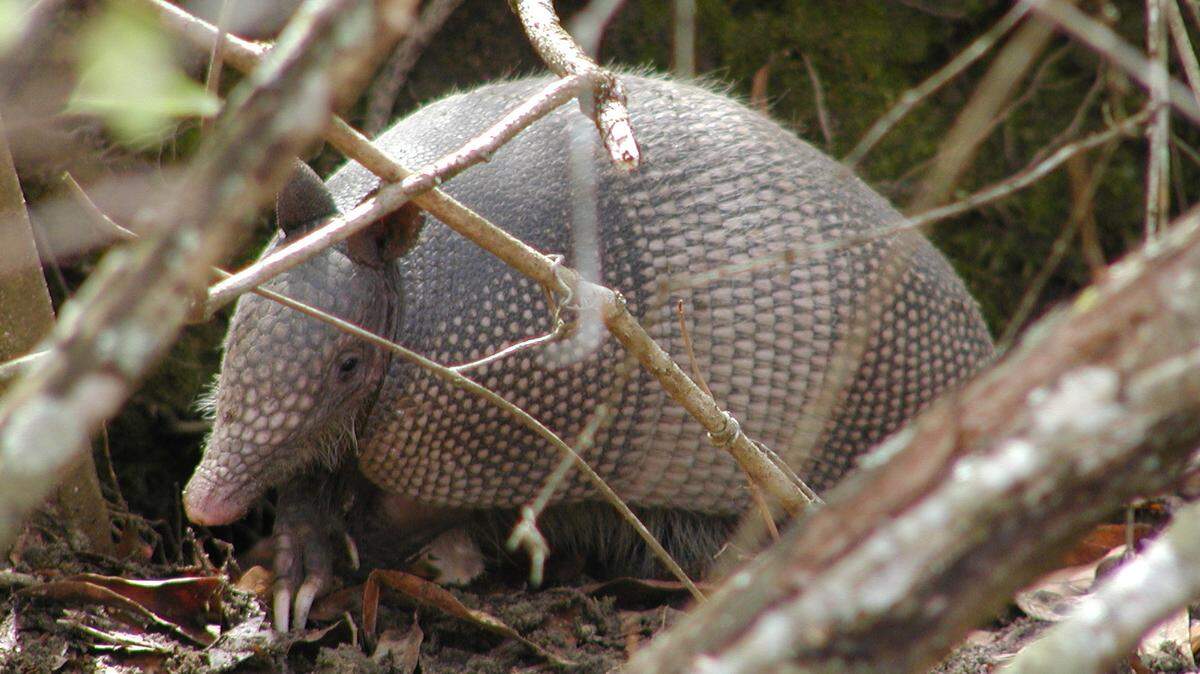
Armadillos are a common sight across parts of Georgia, especially in warmer months as they wander yards and roadsides, but they are not as harmless as they seem. One in six Georgia armadillos carry leprosy, and humans can get it.
The Georgia Department of Natural Resources (DNR) warns nine-banded armadillos, the species most common in Georgia, carry the bacteria, Mycobacterium leprae, which is known to cause leprosy, also called Hansen’s disease.
It’s been many years since a case has been reported in Georgia, and the risk of transmission to humans remains low, but the exposure risk is not zero.
What’s the actual risk to humans?
Leprosy, or Hansen’s disease, is treatable and not easily transmitted, however, researchers have confirmed Georgia armadillos are infected, and human cases in the Southeast have been traced back to them.
A study published by the Centers for Disease Control and Prevention screened 645 armadillos from eight locations across the Southeast and found that 16.4% had evidence of M. leprae infection, including animals in Georgia, Alabama and Florida.
Prevalence of armadillos and leprosy
- Of 52 human leprosy patients, 42.3% were infected.
- Most documented human cases in the U.S. came from Texas and Louisiana and involved consuming raw or undercooked armadillo meat.
- Armadillos can also shed leprosy bacteria into the environment through bodily secretions, and those bacteria may survive in soil for short periods.
Avoid the risk altogether and don’t handle armadillos, dead or alive. If you do come into contact with one, wash the area immediately with soap and water.
If you develop skin lesions or other symptoms, contact your doctor.
How do you keep armadillos out of your yard?
Armadillos are common throughout central and southern Georgia and can be found in most of the state’s 159 counties. They’re drawn to yards in search of insects and grubs, and after they find a good food source, they’ll keep coming back.
Discouraging armadillos:
- Use pesticide treatments targeting grubs and other lawn insects to eliminate the food source.
- Using physical barriers like fencing can help, but they should extend underground or have an overhang because armadillos are good climbers.
- Set wire cage live traps measuring at least 10x12x32 along natural barriers or in front of burrow entrances
- There are no repellents registered for use with armadillos. Ammonia-soaked rags or mothballs have no scientific support.
How do you protect your pet?
Leprosy primarily affects humans and has not been found to affect pets, but the bigger concern after a pet armadillo encounter is actually rabies and parasites.
If your dog or cat is scratched or bitten:
- Clean the wound with mild soap and water.
- Contact your veterinarian for guidance.
- Check pet’s rabies vaccination status. Rabies is a more significant concern if pets are not up to date on vaccinations.
- Keep their flea medicine up to date. Fleas and ticks can jump onto your pet and spread diseases like Lyme disease or ehrlichiosis.
Do not attempt to relocate armadillos. Survival rates are very low, and most will attempt to return anyway. Trapped armadillos should be euthanized with a gunshot (.22 caliber), and that work should be left to a licensed nuisance wildlife control operator.
This story was originally published May 22, 2026 at 6:00 AM.