
These GA cities have the most unsafe drinking water in the state, data shows. How’s your water?
Georgia’s tap water is generally safe to drink, depending on where you live in the state, but safe doesn’t always mean clean.
A 2026 report from PurityMap, an independent, data-driven advocacy platform, rated Georgia’s water quality at slightly above the national average, but found contaminants in several major cities could be to some residents.
The US average for water quality is 77.9, eight points lower than Georgia’s, with Savannah’s water testing the cleanest and Atlanta’s testing the lowest.
What makes water “unclean?”
The biggest concern are PFAS, per- and polyfluoroalkyl substances, which are showing up in some of Georgia’s largest cities.
PFAS, also known as “forever chemicals,” are a class of thousands of synthetic chemicals used to make products resistant to water, heat, and stains. PFAS, do not easily break down in the environment and are difficult to destroy,” according to the American Association of the Advancement of Science.
PFAS need to know
- They don’t easily break down in the environment and are difficult to destroy
- Exposure to PFOA has been linked to kidney and testicular cancer, liver damage, increased cholesterol, thyroid disease, decreased fertility, and pregnancy complications
- Most people in the United States have one or more PFAS in their blood
- There is no treatment for PFAS exposure, and blood testing cannot definitively determine whether a person’s health has been or will be affected
- Contamination sources include industrial facilities, landfills where PFAS have leached into groundwater, and sites where PFAS-based firefighting foam has been used, such as airports and military installations
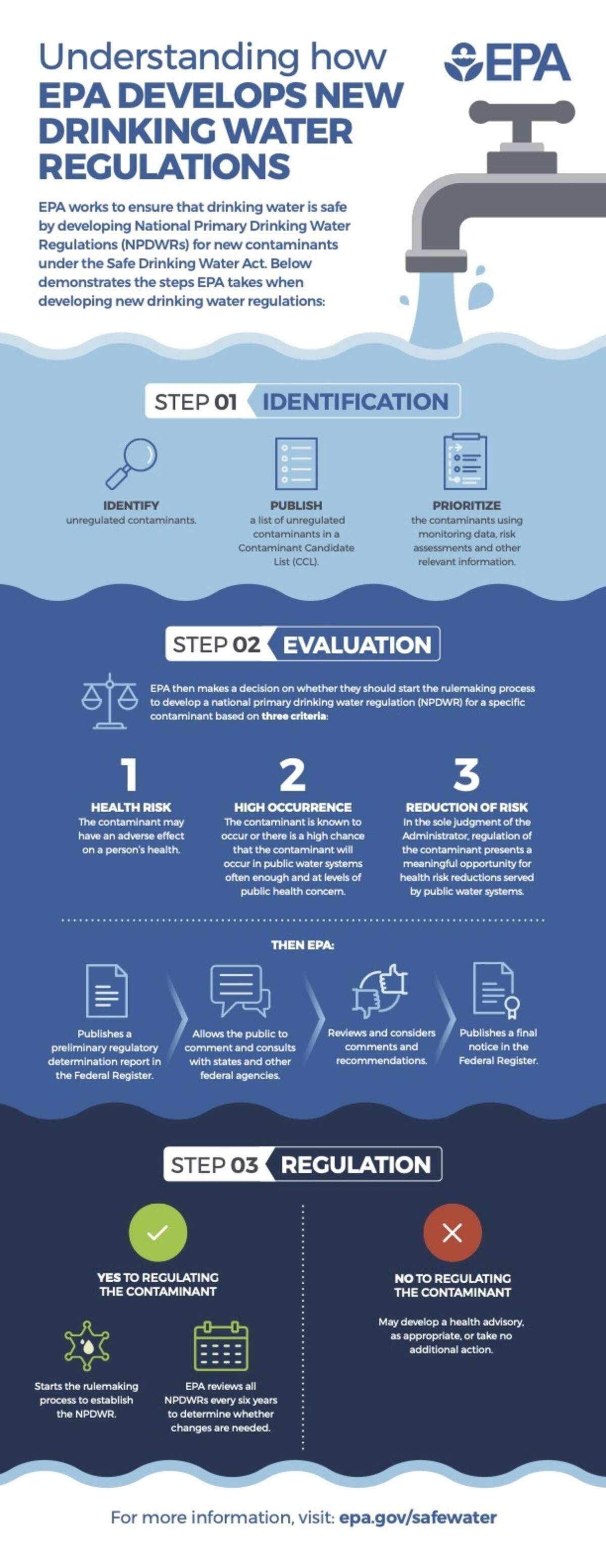
What the data shows about Georgia’s drinking water
PurityMap analyzed nine Georgia water systems serving approximately 1.6 million and gave it a B grade, which puts it in the middle as far as quality and cleanliness of the drinking water.
Cities analyzed
- Athens
- Atlanta
- Augusta
- Columbus
- Macon
- Roswell
- Sandy Springs
- Savannah
- Warner Robins
All nine cities meet the basic EPA federal drinking water standards as of 2026, but legal compliance doesn’t reveal the whole story.
According to a study by Echowater, a health, wellness, and water purification brand, many Georgia cities have wide gaps between what’s in their water and what’s considered safe by modern health standards.
The Environmental Working Group sets its own limits for contaminants in drinking water that are typically far stricter than EPA Maximum Contaminant Levels (MCLs).
Things to keep in mind about data
- EPA standards set legal limits, not health goals
- Many contaminants can be detected at levels that are legal but may still pose long-term health risks
- EPA MCLs are legally enforceable but haven’t been updated for many contaminants in decades
- EWG guidelines reflect more recent cancer risk assessments and epidemiological research
- Neither is “the” definitive standard, they offer two different frameworks with different purposes
Water rankings for Georgia cities
All nine cities studied draw from surface water sources, including the Chattahoochee, Savannah, and Ocmulgee rivers.
Lead levels across all Georgia cities averaged below the EPA action level of 15 ppb, although older homes with aging pipes may test higher.
Ranking from worst to best
- Tied for first: Atlanta and Sandy Springs
- Augusta
- Savannah
- Columbus
- Macon
- Athens
- Roswell
- Warner Robins
Water data for Columbus
- Meets all EPA standards
- Purity score: 82/100
- Hardness: 1.8 GPG
- No PFAS detected
- Moderate chlorine level (within EPA limits but may affect taste)
- Arsenic approaching limit (.2 mg/L)
Water data for Macon
- Meets all EPA standards
- Purity score: 82/100
- Hardness: 3.2 GPG
- No PFAS detected
- Moderate chlorine level (within EPA limits but may affect taste)
Cleaning up your water
These numbers seem scarier than they are. Georgia’s water quality is safe and moderately clean, but if you’re worried, most problems can be solved with minor interventions.
The common recommendation is an under-sink, reverse osmosis filtrations system, but those can run anywhere from $150 to $1000 plus maintenance.
However, there are other things you can do for little or no cost, according to the CDC and EPA.
Things you can do now:
- Request your utility’s annual water quality report
- Contact your local water provider to find out which contaminants, if any, have been detected in your system
- Purchase a granular activated carbon filters
- Make sure filters are certified to reduce the specific contaminants in your water
- Run cold water for a couple of minutes before drinking if water sits in pipes unused
Is there something you’re concerned about your home or health? Email me at srose@ledger-enquirer.com or find me on social media.