The weather in Columbus has been hot and cold – literally. Is that normal?
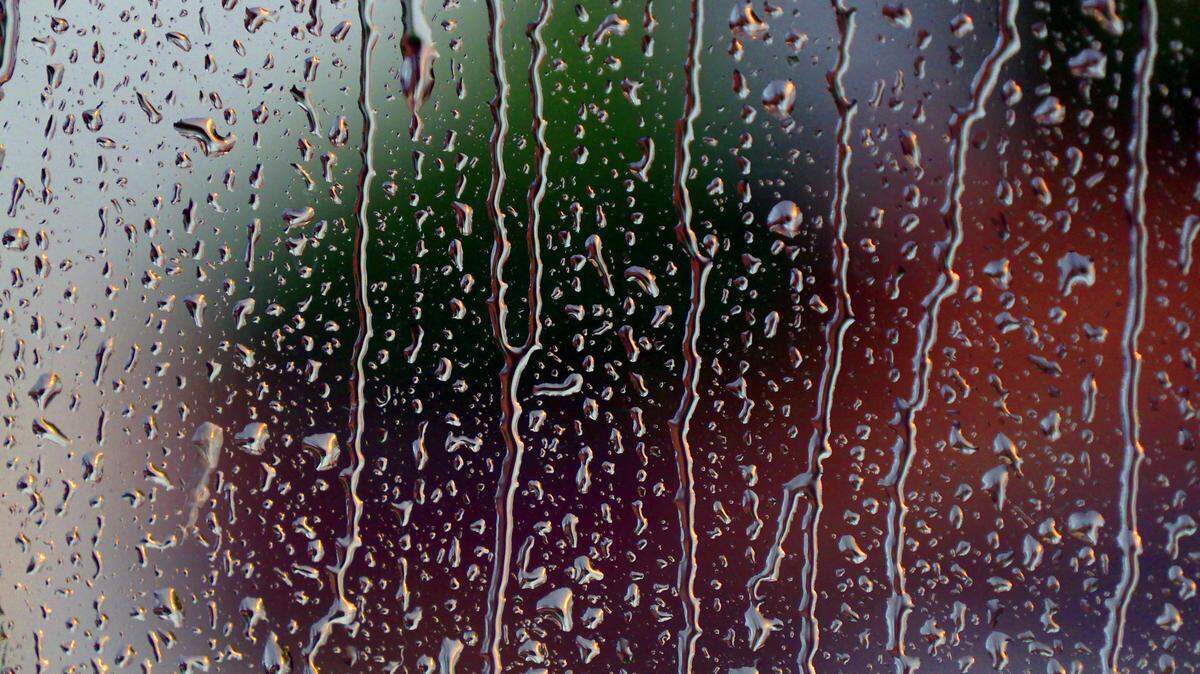
If you thought it was strange that the Columbus area had unseasonably warm temperatures in late December, followed by freezing cold weather just after the new year began, you’re probably not alone.
Indeed, the sudden sweltering-to-freezing change, coupled with the strong storms that rolled in around New Year’s Eve, made for an interesting end to the year for residents of Columbus and the surrounding area.
But just how unusual was this weather for the Chattahoochee Valley?
According to local experts, it’s actually quite common.
“Mother Nature’s kind of like a pendulum,” Tiger Communications (Auburn, Ala.) and former WLTZ Meteorologist Dana Barker told the Ledger-Enquirer. “The further it goes one way, the further it’s gonna spring back the other way.
“So, it kind of made sense that it went from 80 (degrees) to 20s.”
National weather’s local impact
WTVM Chief Meteorologist Derek Kinkade said that any time there’s a big change to weather locally — such as going from dry weather to lots of rain and thunderstorms — it’s usually because the jet stream “dips down to the south.”
Kinkade was referring to fast moving, relatively narrow air currents found in the atmosphere that drive the direction of big storm systems, like the ones that the area recently experienced.
Jet streams, according to Weather Underground, form at the boundaries of adjacent air masses that have “significant differences in temperature.”
So, any major local weather change is simply a result of a shift in the overall big-picture weather patterns across the U.S., Kinkade said.
“The jet stream ... think of it like a big ridge, and there was a big curve down, and then up,” Barker said. “We were under that big curve up for a long time. That’s why we were so hot. So now that’s moved off, and we’re under the big curve down, which is bringing in that cold air from Canada.”
What’s La Niña?
La Niña, a climate pattern that affects weather worldwide, causes the jet stream to move northward and to weaken over the eastern Pacific Ocean, according to the NOAA’s National Ocean Service. The weather events typically happen every three to five years.
During La Niña winters, the South sees warmer and drier conditions than usual, according to the agency.
“Basically, you get a change in the ocean water temperatures off the coast of South America, that could alter weather all over the world,” Kinkade said. “What it usually means for us is a warmer-than-average wintertime, and it usually means things are drier than average too.”
The current La Niña is expected to last until late summer or early fall 2022, according to the Climate Council, an Australian-based climate change communications organization.
Climate change
Is climate change to blame for big weather changes?
Maybe. But not in a major way, Barker and Kinkade said.
Global temperatures rose just under 2 degrees Fahrenheit from 1901 to 2020, according to NOAA. The term climate change also refers to sea level rising, changes in weather patterns like droughts, and flooding.
There’s no denying that it’s happening. But the jury on whether it directly impacts individual weather events locally is still out.
To make that statement, Kinkade said, more research would be needed.
“It would be hard to ascribe climate change to individual weather events,” Kinkade said. “Not to say that the changing climate didn’t have anything to do with why we set a record on New Year’s Day with a high of 82 degrees. But I’d say that it’s hard to put that on individual weather events.”
This story was originally published January 14, 2022 at 6:00 AM.