Columbus expected major damage from Hurricane Helene, but it shifted east. Here’s why
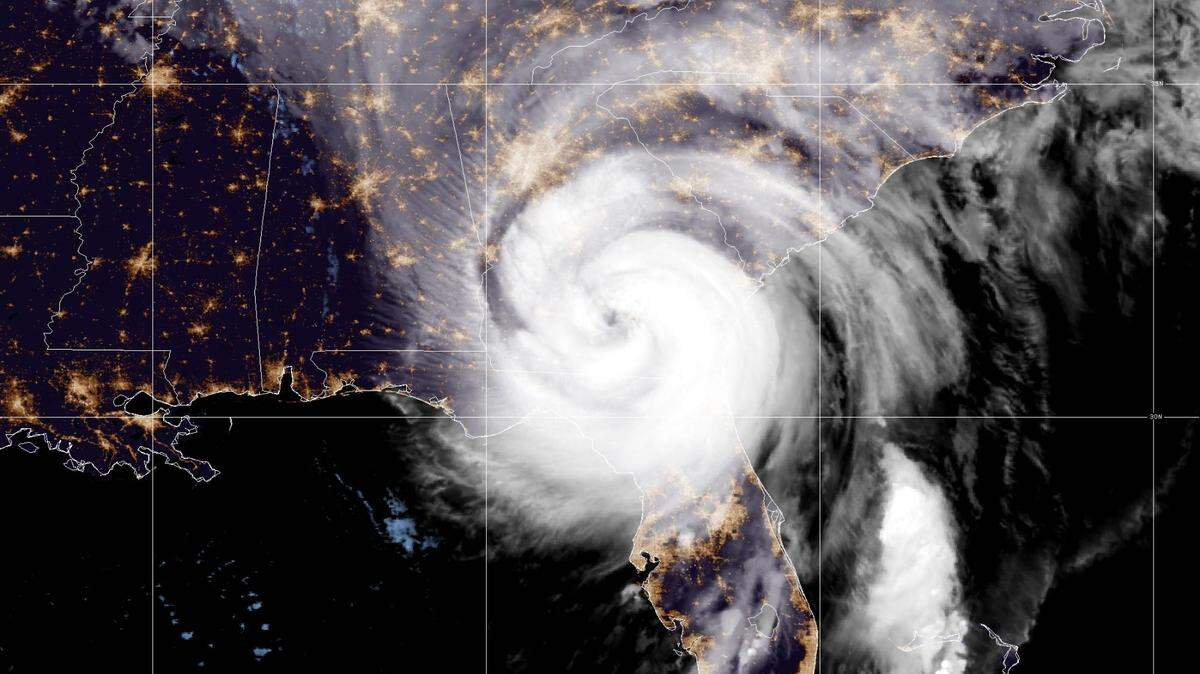
Columbus went under a local emergency declaration Thursday and faced hurricane warnings from national forecasters, leaving local officials worried the city would see significant damage from Hurricane Helene.
But come sunrise Friday, the city had dodged a bullet and storm damage was minimal.
That’s because a storm in the Mississippi Valley pushed the hurricane farther east at the last minute, according to AccuWeather meteorologists.
“It interacted with the additional storm in the Mississippi Valley and the wind field expanded,” AccuWeather Chief Meterologist John Porter said at a media briefing Friday morning. “It became a hybrid system that slingshot into the southeastern United States. It rapidly moved inland.”
Valdosta and central Georgia received the brunt that the Chattahoochee Valley was supposed to get.
Just outside of Valdosta, near Quitman, Helene was a Category 2 hurricane with max wind gusts reaching 125 mph at 1 a.m. Friday morning, according to AccuWeather.
One hour later outside of Tifton, teetering along I-75, Helene was still a Category 1 hurricane bringing 115 mph gusts.
Those who wound up in the storm’s worst path were heavily affected. A Georgia Power outage report showed 32,000 people were without power as of 9 a.m. Friday morning in Lowndes County, which was nearly 100% of the county’s power customers.
The storm pivoted into central Georgia Thursday night and into the early morning Friday with gusts reaching 90 mph at 5 a.m., when the storm was 60 miles east of Macon. The hurricane reduced to a tropical storm at 7 a.m. near Athens, forecasters said.
“As the storm gained further wind intensity, it tracked farther east,” Porter said.
It is unusual for the storm to come this far inland, he said.
“It was a broad storm that will likely cost tens of billions of dollars,” Porter said.
Porter said 1 million people in Georgia were without power Friday morning. Florida, Georgia, South Carolina and North Carolina have 3 million people without power combined.