Damage from Hurricane Helene in GA & South is record-setting. Major storms are on the rise
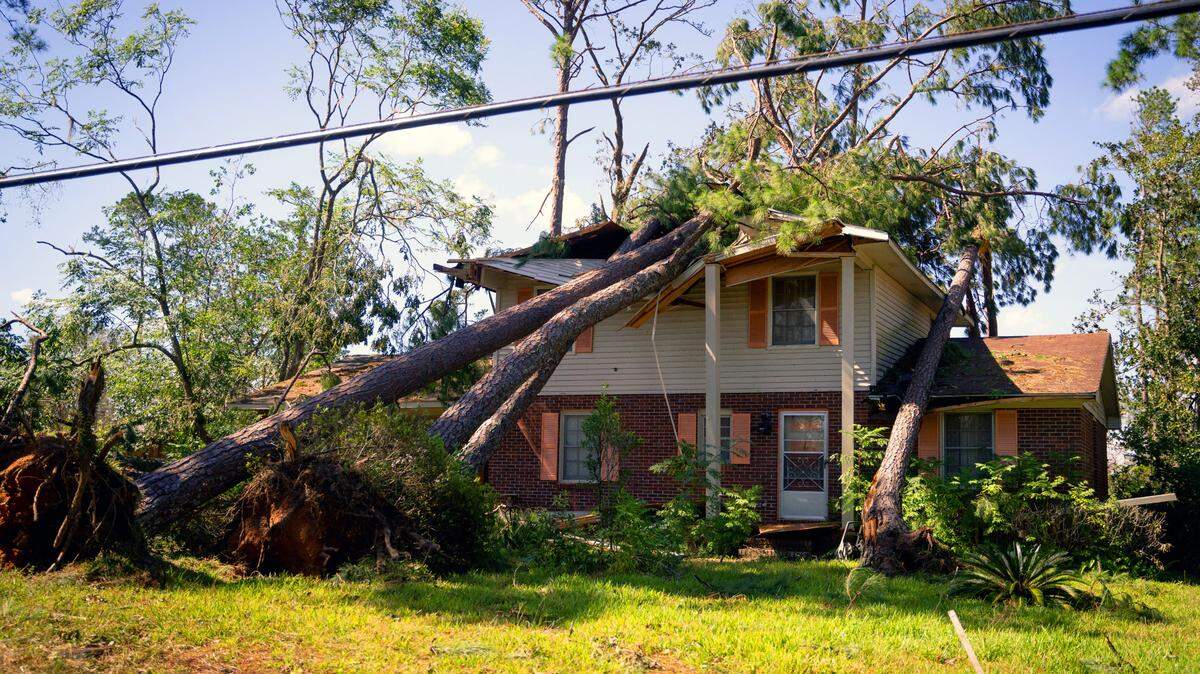
The damage from Hurricane Helene is being called “catastrophic” and “devastating” among leaders across Georgia and throughout the Southeast.
As the hurricane tore through the Florida-Georgia border and made its way to the Northeast winds sustained between 74 and 130 mph in most of the state.
Even six days after the storm, damage assessment experts like Georgia Emergency Management Agency are saying claims and reports are still coming in and it is way too early to put a cost to this storm. But many have said it is likely the most destructive in history. It has killed over 165 people in nine states.
“We know for sure that the damages will exceed the threshold required by FEMA to approve a disaster declaration, which is why the governor submitted the rare expedited disaster declaration request,” Garrison Douglas, Gov. Brian Kemp’s press secretary, said in an email to the Ledger-Enquirer. FEMA has approved a disaster declaration for dozens of Georgia counties.
Estimates from modeling groups and weather groups have the price tag ranging anywhere from $6 billion to $150 billion.
Today, Boston-based group Karen Clark & Company released what it called “a Flash Estimate” of Helene’s damage at $6.4 billion dollars from wind, storm surge and inland flooding across nine states. The estimate includes privately insured damage to residential, commercial and industrial properties and automobiles, as well as business interruption. Karen Clark & Company told the Ledger-Enquirer via email that one-third of the expected total loss from Georgia, about $2 billion. This does not include agriculture loss.
Kemp and Commissioner of Agriculture Tyler Harper said the damage to agriculture alone is at least $2.5 billion, and it will be much worse than Hurricane Michael, according to Matthew Agvent, communications director at Georgia Agriculture Commission.
AccuWeather released damage reports over the weekend, estimate a cost of $145 billion to $160 billion. The estimate is higher than others, but the organization stands by that amount as of Wednesday. On Thursday, the group upped its estimate to anywhere between $225 billion and $250 billion.
That amount would exceed the cost of Hurricane Ian at $118.5 billion, according to numbers provided by NOAA.
Moody Analytics called Helene “Like Idalia but worse” in a news release on Sept. 27 and said the total cost would be around $20 billion to $34 billion.
I
Idalia clocked in at a $2.5 billion dollar disaster and just two months ago, Hurricane Debby that flooded much of Southeast Georgia and the Carolinas was estimated to cost $1.4 billion by Karen Clark & Company.
Billion-dollar storms are on the rise
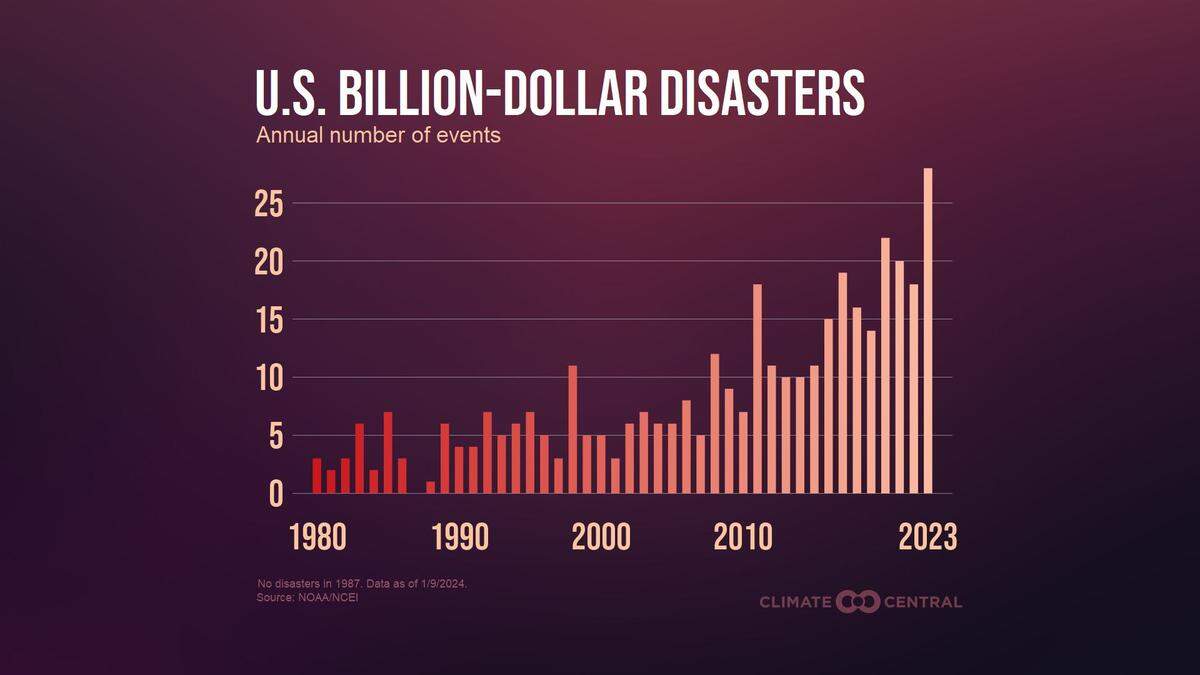
In 2023, the U.S was hit with 28 billion-dollar disasters, a record-breaking amount, according to Climate Central.
Georgia has the most billion dollar disasters since 1980, according to NOAA.
First Street Foundation quantifies and communicates climate risk using risk models.
During a talk on Wednesday, Chief Data Officer of First Street Foundation Ed Kerns spoke about why there are more billion-dollar disasters.
“They have increased for two reasons,” he said. “There is an added pressure of development in risky areas. and we are building more than we used to.”
According to First Street Foundation’s latest Risk Assessment, The U.S. has seen a five-fold increase since from an average of 3.7 major disasters annually costing at least one billion to an average of 19.8 per year.
This story was originally published October 3, 2024 at 5:00 AM.