
Recognition that ethical conduct still matters
In a dependably just world, sound ethics and worldly success would be inseparable.
This, as we are reminded many times daily, is not that world. Deceit, reckless negligence and every conceivable variety of greed-driven villainy too often seem not just to go unpunished, but to be richly rewarded.
So when corporate institutions are publicly recognized for doing business in ways that set high standards for integrity, it’s an uplifting reminder that material success and ethical dealings really are compatible, and always ought to be. It’s especially uplifting when two of the most prominent among those institutions are in our own community.
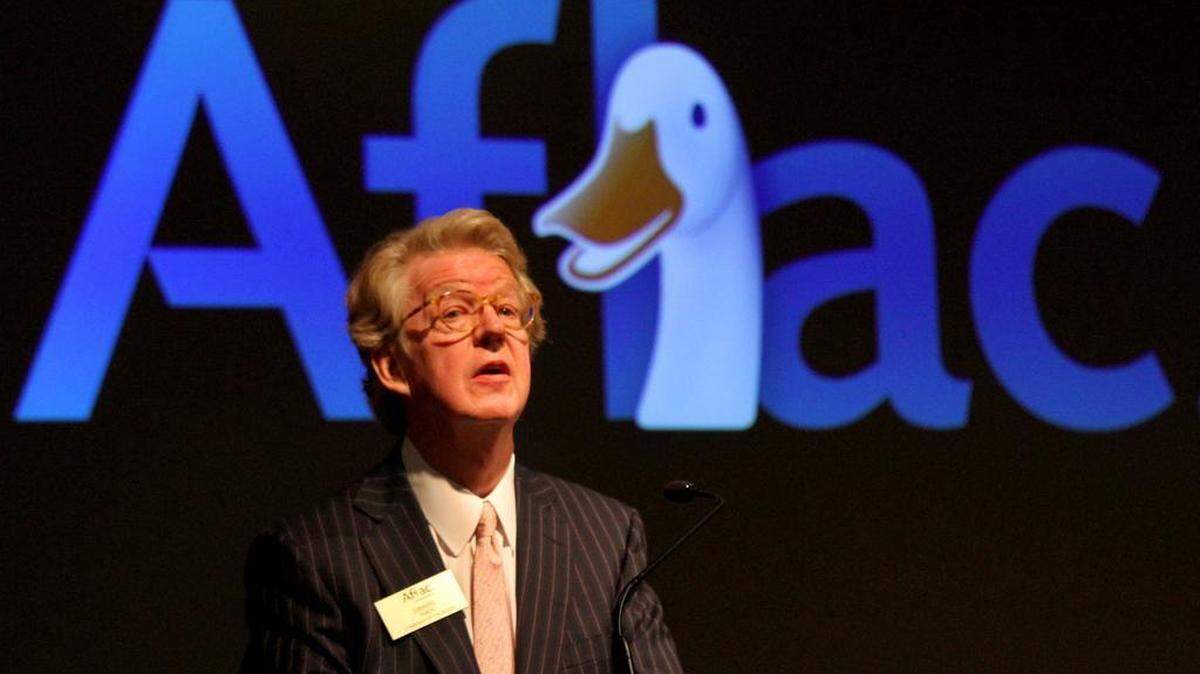
As business writer Tony Adams reported last week, Ethisphere Institute listed Columbus-based insurance firm Aflac and financial services corporation TSYS among its 2017 “World’s Most Ethical Companies.” It’s a pretty selective list, considering that only 124 businesses, of millions around the world, are recognized for this honor.
Criteria for the distinction include how a company deals with its employees as well as how it deals with its shareholders and customers: Such businesses, according to the Ethisphere website, “consider the impact of their actions on their employees, investors, customers and other key stakeholders and leverage values and a culture of integrity as the underpinnings to the decisions they make each day.”
Ethisphere also judges companies on the basis of corporate citizenship, not just in terms of direct investment but also in terms of setting examples of diversity, inclusion and community involvement.
These are not values that any organization, public or private, can develop overnight, or lay out in an employees’ code of conduct. Such a culture has to be nurtured and encouraged. It’s no accident, in that regard, that TSYS has made the list five of the last six years, and that Aflac has been on the “Most Ethical” list all 11 years Ethisphere has compiled it — the only insurance business to do so.
This is of course a welcome recognition for the organizations directly involved. Beyond that, it’s an antidote to cynicism.
Toll free? Hardly
Nothing else has worked, so Georgia is trying to toll its way out of Atlanta traffic congestion. That won’t work, either. But at least a House committee made it a little harder for the state to make the rest of us pay.
The State Road and Tollway Authority now collects tolls on specific highway projects until they are paid for. As reported in the Atlanta Journal-Constitution, a Senate bill would have allowed SRTA to collect those tolls in perpetuity. The affected highways are familiar ones, even to those of us who don’t face the nightmare of Atlanta traffic every day — namely I-85, I-75 and Georgia 400.
The House Transportation Committee crossed out that provision, even though the state is already using, and building more, toll express lanes in metro Atlanta. The toll is supposedly a deterrent: the heavier traffic gets, the higher the toll. (So drivers pay more for worse congestion?)
But in the absence of an adequate mass transit system in a city the size of Atlanta, paying tolls won’t keep drivers off the roads who don’t really have any viable options.
Driving in and around Atlanta exacts a heavy enough toll under the best of circumstances. The prospect of paying for the “privilege” isn’t likely to change much, one way or the other.
This story was originally published March 18, 2017 at 6:26 PM with the headline "Recognition that ethical conduct still matters."