
Outdated prescription drug program needs reform, councilor says
Ensuring that all Georgians can access and afford their health care rightly remains a top priority for policymakers. Amid ongoing efforts to reduce costs for patients – and particularly for underserved Georgia communities and communities of color – lawmakers should focus on reforming an existing federal prescription drug program that has veered off-course.
The federal 340B Drug Pricing Program is the second largest prescription drug program in the country, behind only Medicare Part D. Congress created the program in 1992 to expand access to affordable, discounted prescription medications for low-income and uninsured patients. To qualify for the program, hospitals are required to serve a pre-determined percentage of these vulnerable patients.
The 340B program was created to help qualifying hospitals stretch already scarce resources by allowing them to purchase prescription drugs at significantly discounted prices from drug manufacturers. In theory, hospitals and clinics were supposed to pass those savings onto patients to help them access and afford their care. However, because there is no requirement that 340B savings be passed on to consumers, some pharmacies and middlemen are pocketing the profits from the program while many Georgia patients continue to pay full price for their medications.
Since 2013, the number of 340B hospitals in the state has tripled. Unfortunately, even as the size of the 340B program has exploded, there has not been a corresponding increase in hospital charity care or decrease in what many patients are paying out-of-pocket for their medications. In Atlanta, the Northside Hospital System benefits from 340B profits with charity care rates of only 1.7%.
What’s more, the lack of oversight of 340B has led to significant abuses of the program. A 2021 study found that some 340B hospitals charge uninsured individuals up to 3.8 times more for medications than what hospitals originally paid. And so, for over 3 million Georgia patients, the question is: Is the 340B program meeting its goal or is it failing the patients who need it most?
Some health care professionals have pointed to a lack of accountability throughout the program as a major problem. An oncologist at Piedmont Atlanta Hospital noted that, although there are hospitals that depend on the program for charity care, the 340B program does not demand enough accountability.
When programs like 340B don’t work as they are intended, there are consequences that are felt throughout the entire health care system, but particularly among vulnerable communities. I represent City Council District 1, which is made up of 65% Black and African American residents. Georgia communities of color historically have worse access to health care and experience worse health outcomes than other communities.
To help close existing gaps in health equity and address health disparities that disproportionately impact under-resourced and racial and ethnic communities, it is imperative that Georgia policymakers pursue greater transparency and accountability in the 340B drug program.
Georgia’s vulnerable communities should not be paying unnecessarily high costs for the care they need.
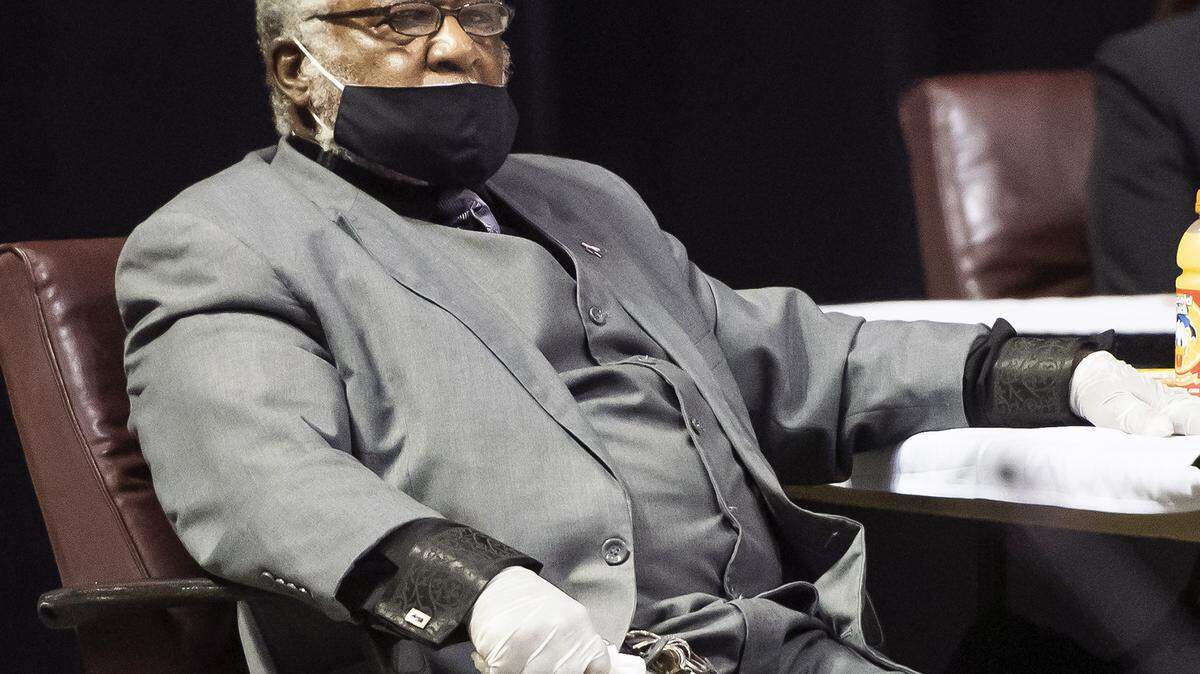
Jerry “Pops” Barnes is the Columbus City Councilor for District 1.