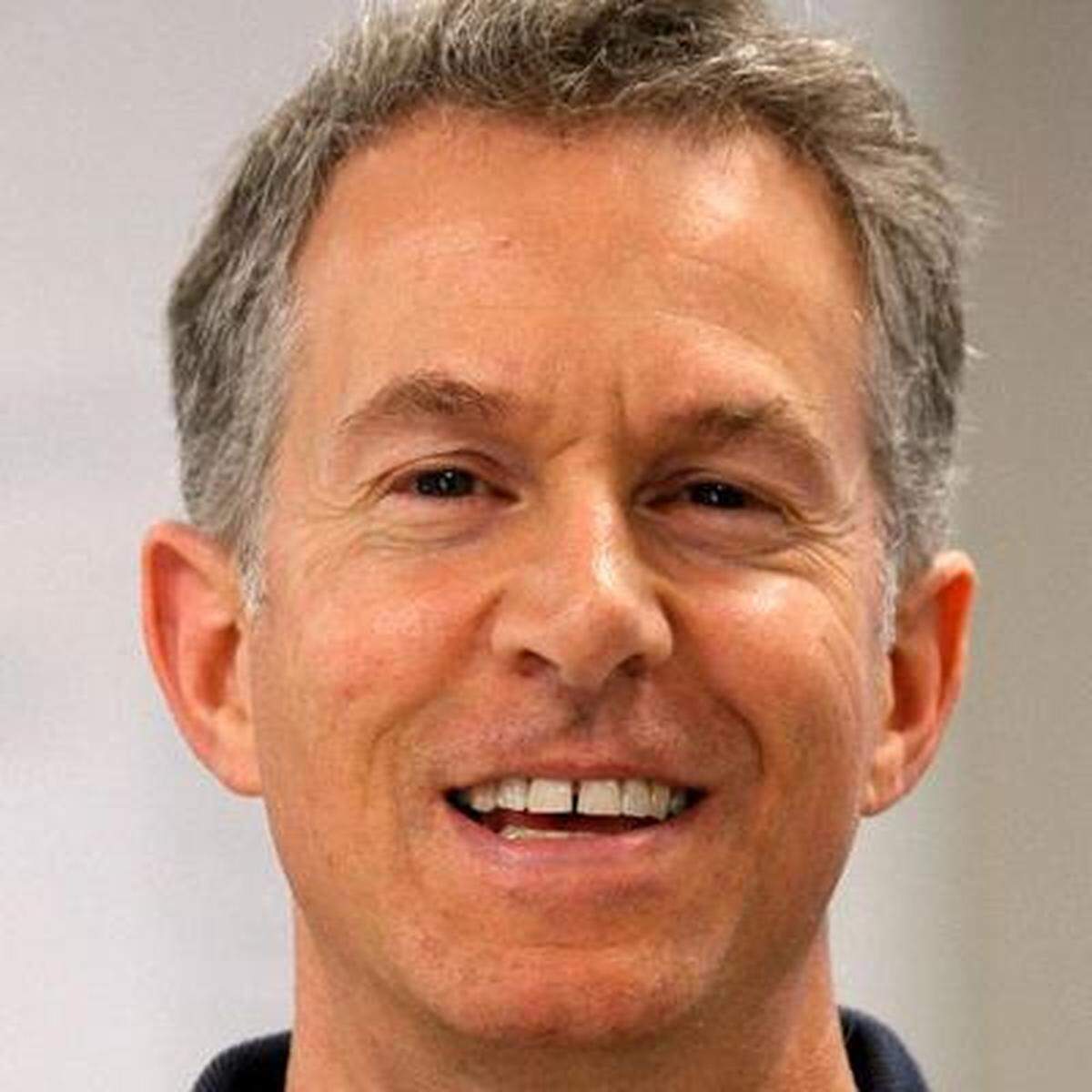
He played an integral role in a progressive civic movement that transformed Columbus
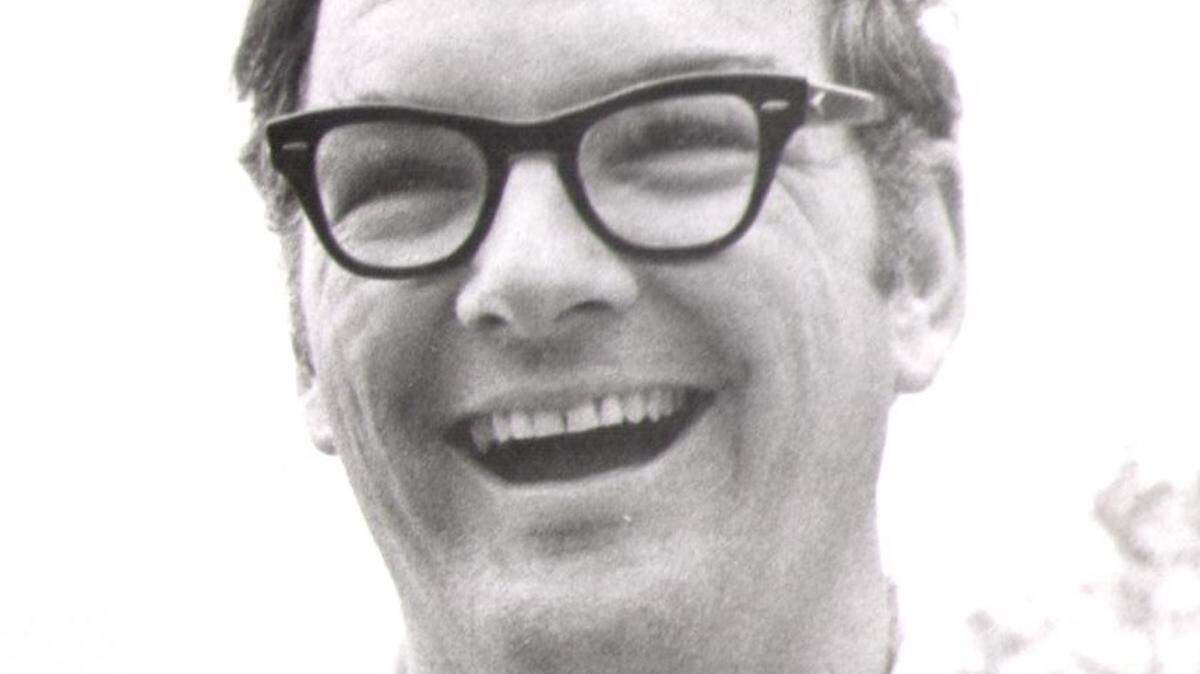
The recent death of former Columbus Mayor Bob Hydrick provides an opportunity for reflection and inspiration. Likely unknown to many current residents, Bob played an integral role in a progressive civic movement over 50 years ago that planted seeds that came to fruition for our benefit many years later. We should be thankful for our bountiful harvest and inspired to keep planting. But first we must know what happened.
In the 1960s, the Jaycees, a leadership organization affiliated with the chamber of commerce, included many young businessmen who yearned for change in Columbus. They were led by a charismatic self-made Kentucky Fried Chicken franchisee, J.R. Allen. Bob Hydrick, a young executive with the Royal Crown Cola Company, was one of Allen’s closest confidantes and advisors. Allen was the visionary; Bob helped reduce that vision to a plan for implementation. An important part of Allen’s vision included consolidating the city and county governments. That dream finally became a reality in 1970 when the voters overwhelmingly voted in favor of consolidation, after several previous unsuccessful attempts.
Consolidation was arguably one of the most progressive developments in the history of the City. It provided for more efficient service to constituents, and it led to the eventual demise of the many political fiefdoms that had held the community back. But perhaps most importantly, it created a change in civic attitude. A new optimistic “can do” attitude emerged. Things could change. We were not wedded to the past. With the right leadership, progress could be achieved.
Modernized political machine
The next step was to implement the consolidation vision, and that required the election of a city council that shared that vision. Bob possessed a keen political mind and organizational skills. He, along with other like-minded Jaycees, established a modernized political machine that helped elect Allen as the consolidated government’s first mayor and gave him a working majority on city council. That first city council included: A.J. McClung (a Democrat who was the first black to win a county-wide election when he won his at-large seat on council and was later chosen by his fellow council members to be Mayor Pro-Tem), John Illges (a young Republican recruited to run by Allen), Jack Land (a young Republican former Jaycee president recruited by Allen), John Rigdon (a Democrat who had served on the old county commission), Bob Wright (a black Republican recruited by Allen and who won a district seat), Roy Turgeon (a Republican who had been the director of the local Boys Club), C.E. Red McDaniel (an Allen Republican), Malcolm Forte (a Democrat who had served on the old County Commission), Jesse Binns (a Democrat who had served on the old city council), and Phillip Batastini (a Democrat). With five Republican allies and his ability to break any tie vote, Allen had working control of the new consolidated government.
By the end of 1972, however, Allen had shifted his focus from being re-elected mayor in 1974 to laying the groundwork for a run for Governor. In January 1973, Allen informed Bob, who had been one of his closest advisors, that he planned to run for Governor. He suggested to Bob that he should consider running for mayor in 1974 to carry on the Allen/Jaycees progressive agenda. Bob, who was a rising executive at Royal Crown with a young family, declined.
Plane crash
Tragically, a little over a month after that conversation with Bob and after serving only two years as mayor of the new consolidated government, Allen died on February 15, 1973 in a plane crash on a trip to northwest Georgia promoting the benefits of consolidation in anticipation for a gubernatorial campaign.
After Allen’s shocking premature death, a special election was called to fill Allen’s unexpired term. Jack Rutledge, who had been a popular Muscogee County Sheriff, announced that he would run as a Democrat. The group of progressive-minded Allen/Jaycees were concerned that Rutledge, who by all accounts was a good man, did not share their progressive vision and that his election could erase the progress that had been made in the last few years. But none of the Republicans on Council would run. So Bob relented and agreed to run if he were guaranteed $12,000 for the expenses of an effective campaign. The money was raised, and Bob became the progressive candidate pledging to continue the Allen legacy.
Bob was intimately familiar with the Allen progressive dream for Columbus. He had been a close confidante of Allen and part of his brain trust. As a behind-the-scenes advisor with expertise as a marketing and management executive, Bob had helped put Allen’s vision into words. He had even created the theme of Allen’s speech for the kick-off of Allen’s 1968 mayoral campaign — “I see a new city, born in hope and dedicated to progress.” And he played an integral role in providing behind-the-scenes advice on how to implement that vision.
Transportation atop agenda
The campaign for mayor only lasted a month. It began with Rutledge, who was well known because of his many years as Sheriff of Muscogee County, ahead; but Bob caught him on election day and won by a narrow margin. Only 300 votes separated them; a third candidate, Charles Register, came in a distant third. City Attorney Lennie Davis observed to Bob, “From the beginning of the campaign your line started up and his line started down, and at 7 o’clock on election morning, they crossed.” Although the law required a run-off, Rutledge dropped out of the race the day following the election. And Bob succeeded his close friend and mentor, Allen, as the next Mayor of Columbus.
Bob’s role as a behind-the-scenes advisor would shift to becoming the primary salesman for the implementation of the progressive Allen agenda. He understood that the City must address several serious infrastructure challenges. The first was roads. At that time, only two four lane highways connected Columbus to the rest of the world — the Ellerslie Expressway and Victory Drive to Cusseta. The Lindsay Creek Bypass (now I-185) ran from the Airport Thruway to Victory Drive. The City had recently completed the widening of Macon and Buena Vista roads and the construction of the Beallwood Connector (now North Veterans Parkway). Frank Morast, who was the local representative on the Georgia DOT Board, was anxious to help improve Columbus’ road network. Bob created the position of highway coordinator to work directly with Morast and the state DOT to speed up the planning and implementation for a new and improved road network. This laid the foundation for major improvements in Columbus’s road system.
New city hospital
Bob also recognized that any progressive city needed a quality healthcare system with a top-notch hospital as its centerpiece. The city hospital at that time was in trouble. It regularly lost money, and its managers appeared before City Council each year for funds to subsidize its operations. Although funding requests were a symptom of its condition, simply giving the hospital more money each year failed to address the underlying problems. The hospital was an antiquated facility with part of its structure dating back to 1916. The fire marshal had threatened to close it down because it did not have adequate fire doors. In addition to safety issues, the structure, with its many add-on modifications, made it difficult to efficiently deliver care to its patients. The floor lay-out required more employees per bed than should have been necessary to provide the level of care for the hospital’s occupancy rate. It was obvious that the city needed a new hospital. But getting the citizens to agree to a bond referendum to pay for it was deemed impossible politically. Instead, the Hydrick administration began to lay the foundation for the creation of a hospital authority that would be able to issue bonds to construct a new hospital without a referendum. Although a new hospital was not constructed before Bob’s abbreviated term ended, this item on his agenda was eventually accomplished.
Downtown revitalization
The progressives who had put Bob in office also believed that a great city needed a first-class civic center. Macon and Savannah had recently constructed such facilities, and Columbus was at a competitive disadvantage with the old Municipal Auditorium, sometimes derisively referred to as “the barn.” The City could not compete for conventions due to our substandard facilities. The planning for a new convention venue began during Bob’s term. Eventually, the baton was passed on to future civics leaders, including Harry Kamensky and Edna Kendrick, who pushed for the restoration of the old Iron Works facility into a unique Convention and Trade Center.
In addition to improved roads, a new hospital, and an adequate convention center, Bob understood that Columbus could never reach its potential as a great City without a vibrant downtown. The opening of Columbus Square Mall in the 1960s had decimated downtown retail trade. Broadway had become a collection of empty storefronts and wig shops. Property values declined with a corresponding decrease in property tax revenues for the City. But more significantly, the image of a declining central business district made business recruitment more challenging. Bob recognized that at some point the challenge would be insurmountable. So he began sounding the alarm in civics club speeches, asking “whether Columbus’s downtown would become a ghost town.” As he explained, our downtown was our “window on the world—not a window through which we saw the world, but a window through which the world saw us.” And at the time, that window (at least the one focused on downtown) showed a community that didn’t seem to care very much about its image. Upon hearing about Bob’s presentation, local businessman and philanthropist, Bill Turner, obtained a copy of Bob’s speech. He then dispatched local architect Rozier Dedwylder to talk to Bob to see if he was truly serious about transforming downtown. Bob confirmed that he was, and Dedwylder informed him that they would have consultants come to Columbus to develop a plan. After spending a weekend in Columbus, these consultants, who were not paid a dime by the City, informed Bob and others that to revitalize downtown, the City must reopen public access to the river. At that time, it was not practical to do so. But it would happen eventually. Bob’s candid call for saving downtown was one of the early seeds planted in the riverfront redevelopment garden.
Airport expansion
Bob’s final priority as mayor was the City airport. At that time, Columbus had jet service from three airlines, Delta, Eastern and Southern. This service included non-stop flights to Washington Dulles, which flights continued to New York Laguardia. Delta had been pressuring the City to improve the runway to accommodate its larger aircraft like the Boeing 727. There were even discussions with Southern about moving their maintenance operations here if the City made these runway improvements. The FAA was also pressuring the City to move the airport out of a residential area. The City approached the Army about the possibility of sharing the use of Lawson Field at Fort Benning, but that request was promptly denied. Nevertheless, maintaining and expanding regular jet service to Columbus was deemed essential for Columbus to become a first-class city. It remained a priority during the Hydrick administration. After Bob left office, however, the airline industry was deregulated, and many of the possibilities for expanded jet service to Columbus vanished. It was the only item on the Hydrick agenda that still remains largely unaccomplished.
Bob focused on these priorities during the remainder of Allen’s unexpired term. They were part of Allen’s dream of making Columbus a world-class city. They would move Columbus from being a relatively isolated outpost to a modern city interconnected with the rest of the world, a city that would be able to attract and retain first rate employers, a city with a can-do attitude. This message formed the heart of Bob’s reelection campaign. But taxpayer concerns about the cost of implementing this grand vision along with other outside circumstances created resistance to the dream. It turned out to be the wrong message for the time. In addition to the Watergate scandal which swept out many Republicans in that cycle, a national recession appeared in the fall of 1974. Bob lost his reelection bid to Jack Mickle.
Legacy
The Hydrick administration, while short in duration, kept the progressive torch alive and laid the foundation for what could be accomplished in the years ahead. His core agenda, with the exception of the airport, was eventually accomplished. I-185 was completed; and Corridor Z was planned and constructed. The Convention and Trade Center opened, and a new Medical Center was built. The Uptown Columbus organization was formed to focus on the revitalization of downtown. And perhaps most importantly, the “can do” attitude that he tried to maintain survived and was passed down to other progressive-minded citizens who would partner with elected officials in the years ahead to accomplish a dramatic civic revival that would transform Columbus.
Bob remained involved in community development after he left the Mayor’s office. He coordinated many local campaigns, supporting others who he believed shared a progressive vision for Columbus. Those seeds continue to produce in our community. One sprouted from a thirty-year-old lawyer who Bob helped get elected to city council and subsequently to the state senate and who eventually became a federal judge with Bob’s support. Bob will certainly be missed by his family and many close friends who loved him most. But all citizens of Columbus owe him a debt of gratitude for the vital role he played in planting seeds that we continue to benefit from today. May his legacy encourage other young folks to become involved in their community, to nourish what others have planted, and to do some planting of their own.
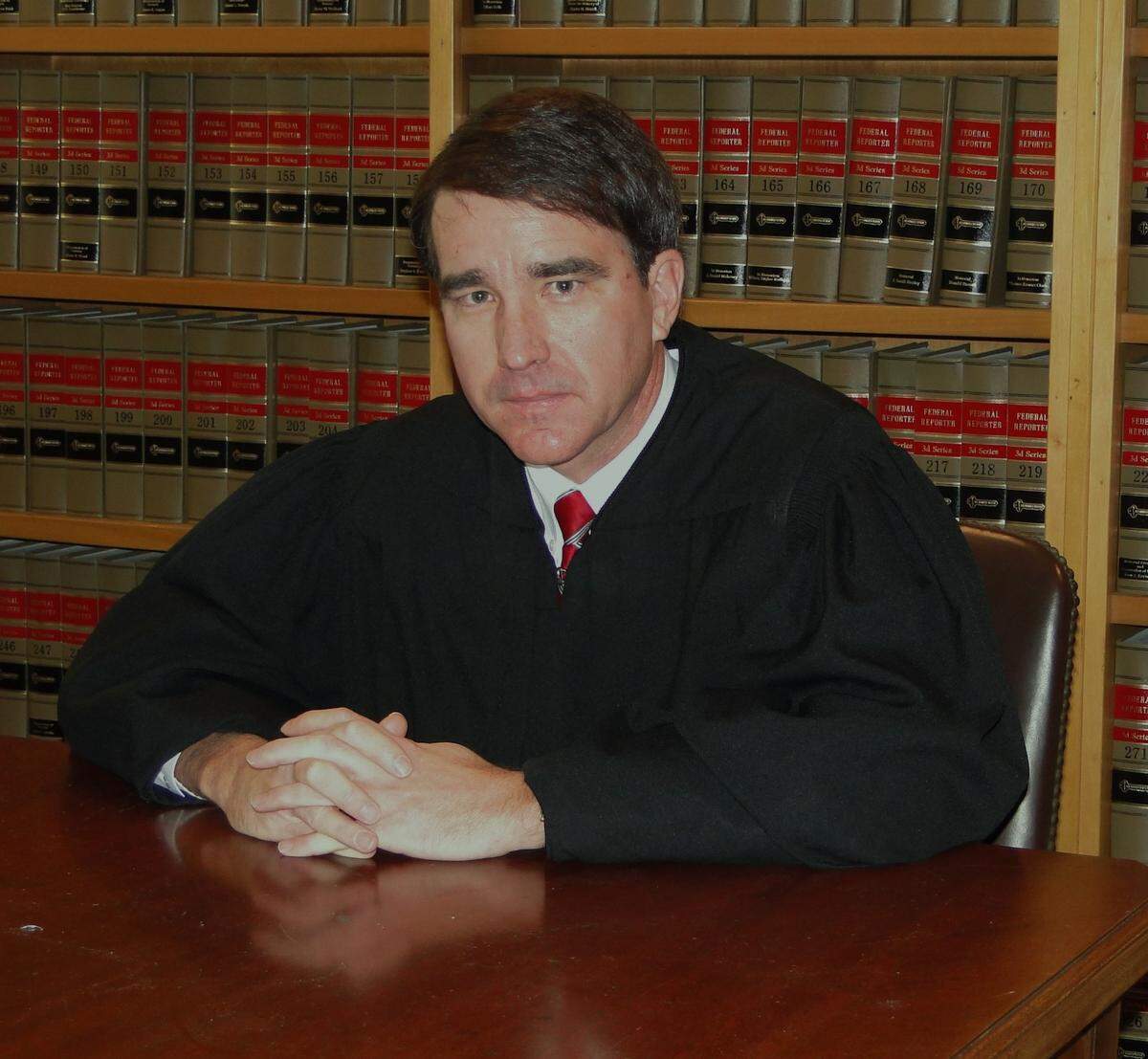
U.S. District Judge Clay Land of the Middle District of Judge is a former Columbus Councilor (1993-94) and a former Georgia State Senator (1995-2001).
This story was originally published June 3, 2022 at 5:52 PM.