
A century of stories. Inside the Liberty Theatre’s legacy in Columbus
The Liberty Theatre, a cornerstone of Black culture and community in Columbus, turns 100 years old this year. The century milestone was celebrated with a centennial gala Friday.
At the heart of the Liberty’s legacy is the Nesbitt family, especially DeLavel P. “D.P.” Nesbitt, whose leadership helped shape the Liberty into the beloved venue it is remembered as today.
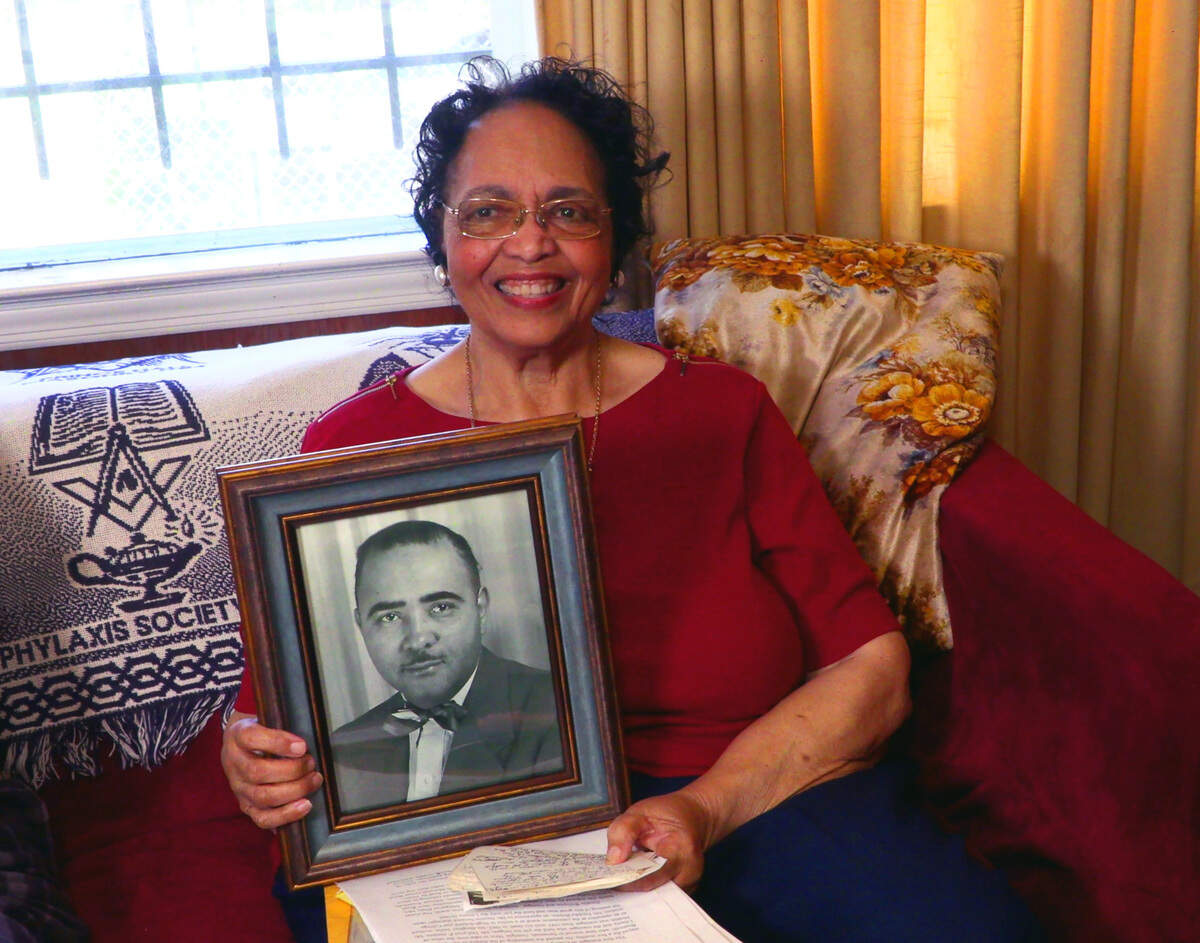
The Ledger-Enquirer spoke with D.P’s daughter, Jettie Nesbitt Lights, to reminisce about the past as the theater steps into its second century.
About the Nesbitt management of the Liberty Theatre
The longest manager of the Liberty Theatre was DeLavel P. “D.P” Nesbitt. Before working at the Liberty, he worked in advertising, printing ads for the former Dixie Theatre. He was known by many in the Columbus area because of his work, Jettie Nesbitt said, and he became a local community leader, even personally inviting the Rev. Martin Luther King Jr. to visit Columbus in 1958.
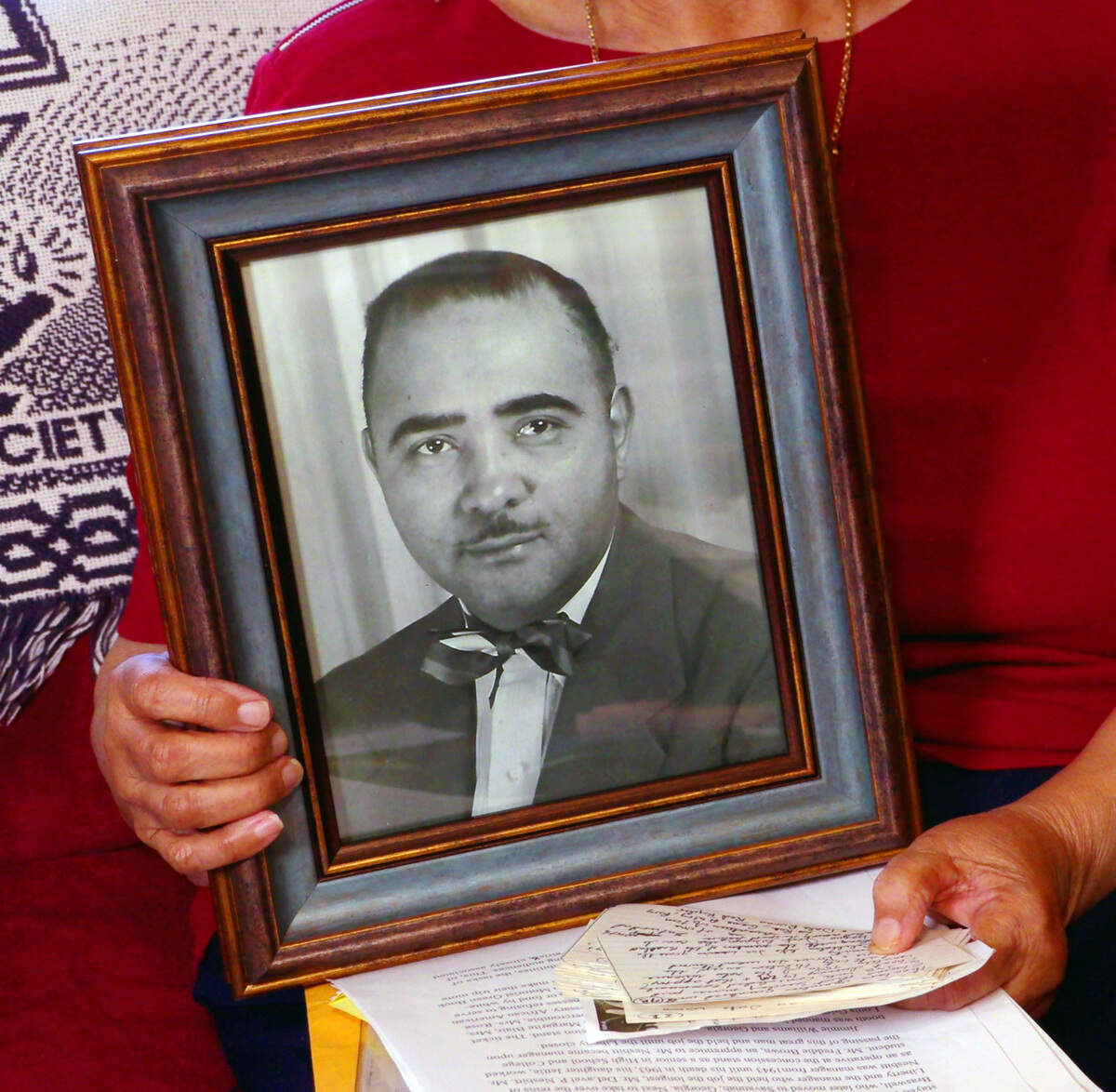
D.P. Nesbitt was approached by William Braswell, the former manager of the Liberty, to take over daily operations in 1943. He worked at the Liberty until his death in 1963. Jettie Nesbitt worked at the theater doing concessions from her senior year of high school into her college years.
The Liberty Theatre’s role in the district
The Liberty Theatre was the neighborhood babysitter, Jettie Nesbitt said. After school, the theatre would be packed full of neighborhood kids, running up and down the staircase, eating chili dogs and watching the classics until their parents came to pick them up. Nesbitt said the theatre wasn’t as hectic as it would seem.
“If the kids got loud, you flick the light,” Nesbitt said. “That means that you shut your mouth. You’re too loud. And they did. They were very respectful and disciplined.”
Nesbitt fondly remembers the annual Christmas parties her father hosted at the theater. He would bring fresh fruits and toys salvaged from old props for one of the workers in a Santa suit to give out. He also would prepare little bags of popcorn for them to take home, Nesbitt said.
“No kid left that party without something,” she said.
Saturday mornings at the Liberty were Nesbitt’s favorite. They were “Western” themed, showing classic Western movies all day long. On weekends, the theater would take RC Cola bottle caps as admission tickets.
“I think it started off with two bottle caps,” Nesbitt said. “The highest they went to was about five.”
Nesbitt recalled early mornings and afternoons at the theater, where she would run around, eat concessions and play her favorite movies.
“I’d stay at the movies the whole day,” Nesbitt said. “I saw the movie over and over and over, but it didn’t make any difference. It didn’t even phase me.”
The Liberty also was home to the “chitlin circuit,” a rotating group of theaters that would feature Black performers around the country. Famous Black artists like Duke Ellington, Columbus native Ma Rainey, Ella Fitzgerald, Cab Calloway and Lena Horne came to perform. Before their performances, Nesbitt said, staff members at the theater would sing and interact with the crowd.
“When the acts were getting dressed up, Clayburn and Troy would interact [with the crowd].” Nesbitt said. “Even though they were doormen, they also were very talented.”
The theater was ahead of Muscogee County in terms of integration. Other theaters at the time were segregated, with back and balcony spaces being designated for Black patrons. The Liberty Theatre was different.
During Nesbitt’s father’s tenure, segregation was not enforced. This was exemplified mainly among the soldiers visiting the theater. Nesbitt said her father would let Black and white soldiers sit together in the theater.
“There was no segregation,” Nesbitt said. “He did not stop them. They were friends. They came in together.”
After 100 years, it still comes as a surprise to Nesbitt that the Liberty Theatre became a prominent symbol of Black culture in Columbus.
“I had no idea the Liberty Theatre would be thought of like this,” Nesbitt said. “It’s a great honor.”
The Future of the Liberty Theatre
With the Liberty District in talks for redevelopment, Nesbitt hopes the new vision for the district will include activities for young people, bringing the youthful, vibrant energy that she once knew back to the neighborhood.
“If they had programs designated within the Liberty, like a small theater for kids, teaching them drama and giving them plays,” Nesbitt said, “it can become a teaching tool for them.”
The Liberty Theatre has been closed for repairs during the past year as the city replaces the roof and HVAC system.
This story was originally published April 14, 2025 at 1:00 AM.