Show featuring chilling tales of Georgia’s Lake Lanier tops the charts on Netflix
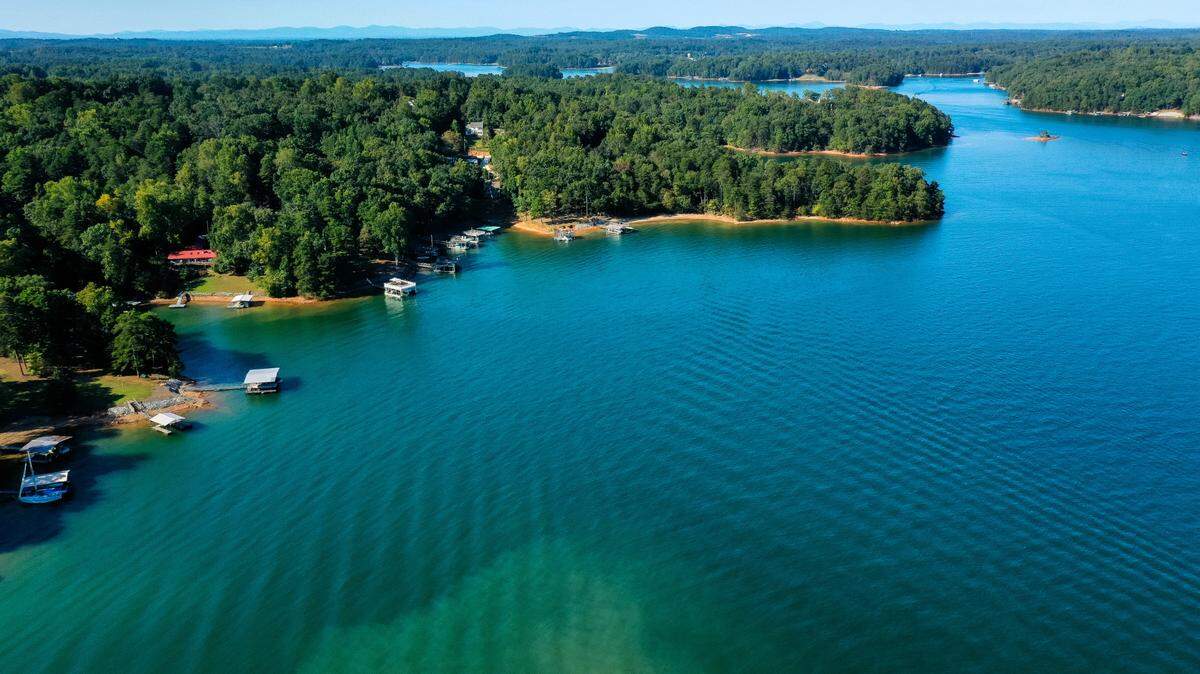
Is Lake Lanier really haunted?
That’s the question a new Netflix series tries to answer in the show called “Files of the Unexplained.”
The investigative docu-series follows “perplexing phenomena” like ghost stories, scary disappearances and alien encounters. Episode five of the show is all about the mysterious and spooky tales of Lake Lanier, a reservoir made in the 1950s that sits about 50 miles from the state Capitol in Atlanta.
So when I watched the show, I already knew about some of these strange happenings. But the show actually taught me a few things too.
Here are five things I didn’t know before watching the episode on Lake Lanier.
The lake is actually really big and deep
Some of you probably already knew this one, but I did not.
Lake Lanier is 26 miles long, covering over 38,000 acres. According to a recovery diver and researcher on the show named Richard Pickering, the lake is over 156 feet deep.
Pickering claims that he’s probably the only human to ever see every bit of Lake Lanier and he doesn’t think it’s haunted.
The lake has a connection to the ‘Trail of Tears’
Here’s a big one that surprised me.
The show details the Indian Removal Act of 1830, which forced indigenous people out of their homes and to reservations in Oklahoma. The walk to Oklahoma is called the “Trail of Tears” because nearly 15,000 people died along the way.
Parts of that same trail are now covered by Lake Lanier, and many people over the years have reported seeing ghosts of natives that once walked the trail.
Lake Lanier’s untold Oscarville history
During the episode, a man named George Rucker begins to tell his family history. That family history began in Oscarville, a town later flooded to make way for the man-made reservoir that is now Lake Lanier.
Rucker revealed Oscarville was a Black community, where his grandfather, Byrd, lived with his wife and two children. Oscarville was a thriving place for Byrd and others in the Black community until there were claims that a white woman was raped by a Black man. Riots broke out and everyone in the Black community was forced out of town and into the Chattahoochee River, left to either swim to safety or die trying.
Rucker said Byrd made it across, but his wife and two children died in the river. Byrd soon rebuilt his life from scratch alone in Gainesville.
This story surprised me because I knew about the town of Oscarville below Lake Lanier, but I didn’t know the details and tragedy that accompanied it.
Divers are still doing research
Pickering, the recovery diver, said that even now, he and other divers still conduct research dives in Lake Lanier. He and other divers have found all kinds of things over the years, like chairs, broken door frames and even a cemetery.
Pickering also revealed he found dirt tracks from what used to be Gainesville Speedway.
A little eerie, if you ask me, but he’s the expert.
So many people have died there
To this day, the lake is one of the largest and deadliest lakes in the U.S., with over 200 people dying in the lake since 1994.
But deaths happened even before that, and there have been an estimated 675 deaths associated with the lake and its construction.
I think that’s enough for me to turn down any dive in Lake Lanier.
Will you be watching the show? Or if you’ve already seen the show, what surprised you the most about Lake Lanier? Let me know at cmadden@mcclatchy.com
This story was originally published April 12, 2024 at 11:47 AM with the headline "Show featuring chilling tales of Georgia’s Lake Lanier tops the charts on Netflix."