Can you sue a haunted house for being too scary? Georgia law may protect the scaredy cats
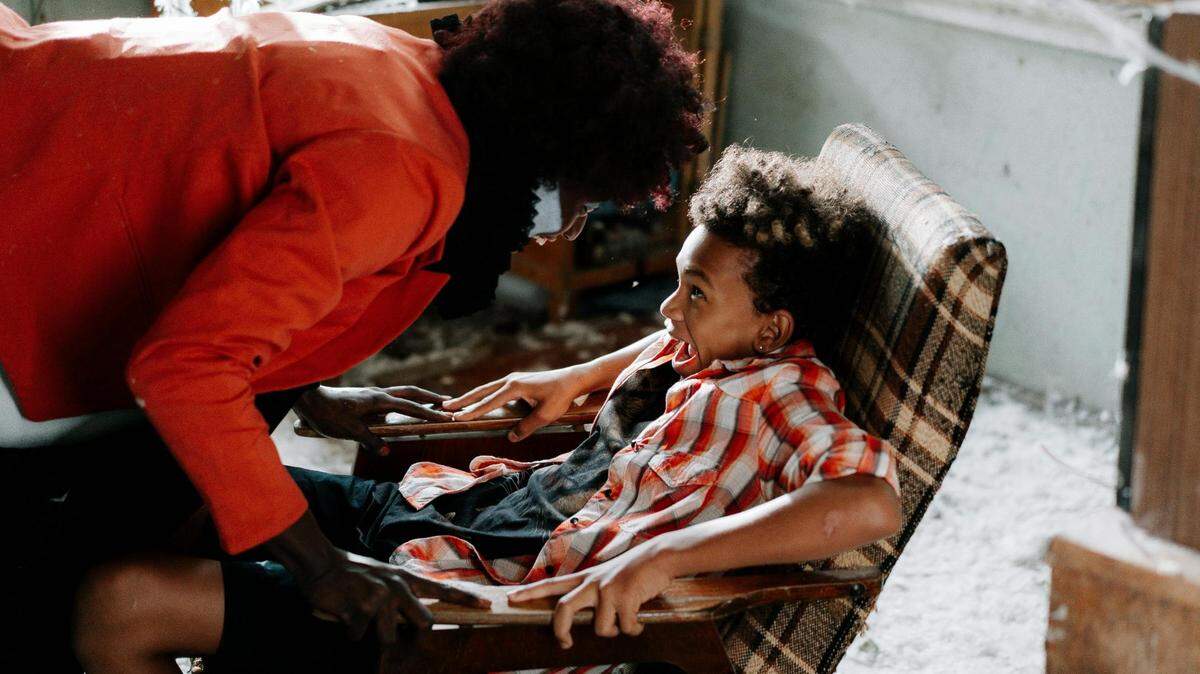
Halloween is all fun and games until someone gets sued.
It’s not in the Halloween spirit, but it’s not off the table in Georgia, or most other states. You can sue a haunted house or other Halloween-related endeavors, but you’re probably not going to win.
In the case of Mays v. Gretna Athletic Boosters, Inc., Louisiana resident Deborah Mays sued a local booster club after she ran into a cinder block wall following a jump-scare by an employee. Mays ran face-first into the wall and broke her nose. She sustained significant injuries, requiring two surgeries.
The court ruled in the haunted house’s favor, citing that “the haunted house operators had no duty to protect Mays from her reacting in “bizarre, frightened and unpredictable ways because such reactions are natural and expected in haunted house attractions.”
This case set the precedent for Halloween-related litigation, and there have been very few cases that rule in favor of the plaintiff.
However, if you think your case is going to beat the odds, there are ways to sue a haunted house for being too scary.
What is the criteria to sue?
Negligence
To have a solid claim, you must prove that your psychological injuries are a direct result of the operator’s failure to “fulfill their duty of care.”
This could include:
Failing to properly maintain the premises
Inadequately training or supervising employees
Creating excessive risks with dangerous props or effects
Ignoring reports of potential dangers
Foreseeability
The main point in this situation is whether or not the owner or operator of the haunted house could reasonably have predicted the psychological harm.
Consent and Waivers
Many scare-based attractions have participants sign a waiver or print them on the ticket, but this isn’t always foolproof. It can limit the legal options unless it “goes beyond what a reasonable person would expect.”
What is beyond reasonable expectation?
When you willingly go to a haunted house, you know what you’re in for, but you often don’t know how far a particular attraction may go.
Your reaction could be subconscious and therefore unexpected. The upsetting nature of a haunted house could trigger a stress response.
You could experience psychological effects:
Resurfacing of traumatic memories
Symptoms of PTSD
Aggravation of some anxiety disorders
Fight or flight response
If you are a known scaredy cat, a little bit of a clutz, or just not generally a litigious person, steer clear of haunted houses. There’s plenty of alternative Halloween fun to be had.
If you are the litigious sort, it’s best to consult a lawyer, as these kinds of cases are typically very complicated and hard to win.