FDA issues a deadly warning for GA tomatoes. Here’s what to know
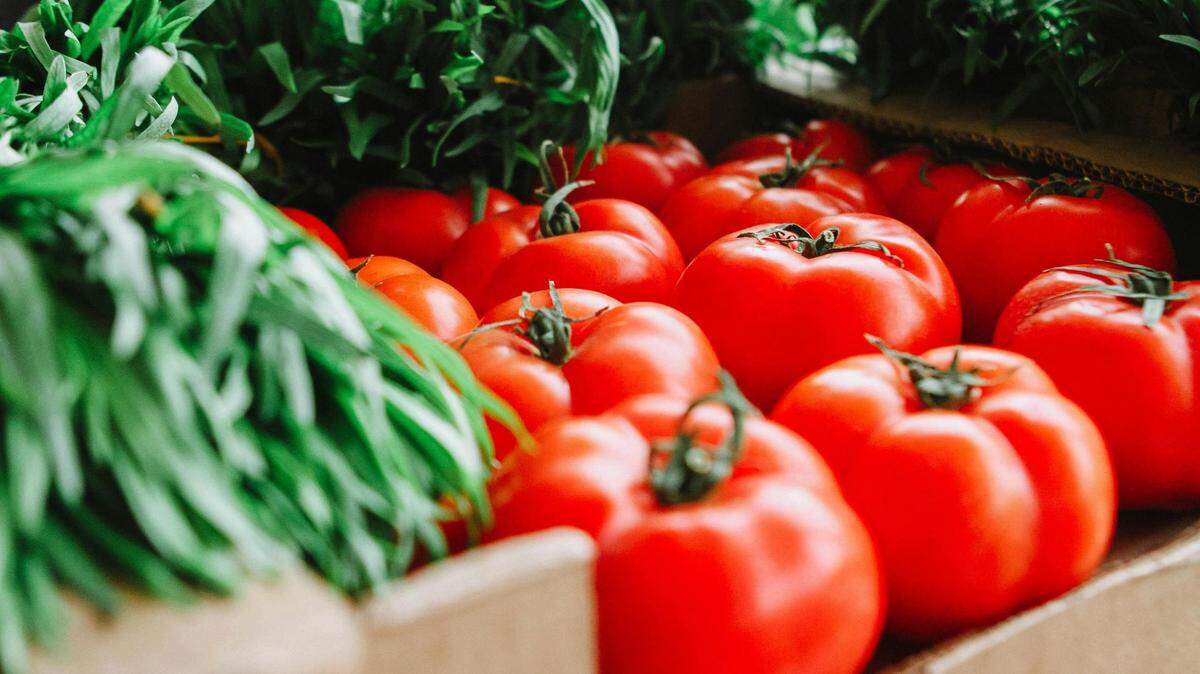
Last month, The U.S. Food and Drug Administration (FDA) announced a salmonella-linked tomato recall for tomatoes in Georgia and North and South Carolina, and it has just been upgraded to a Class I recall.
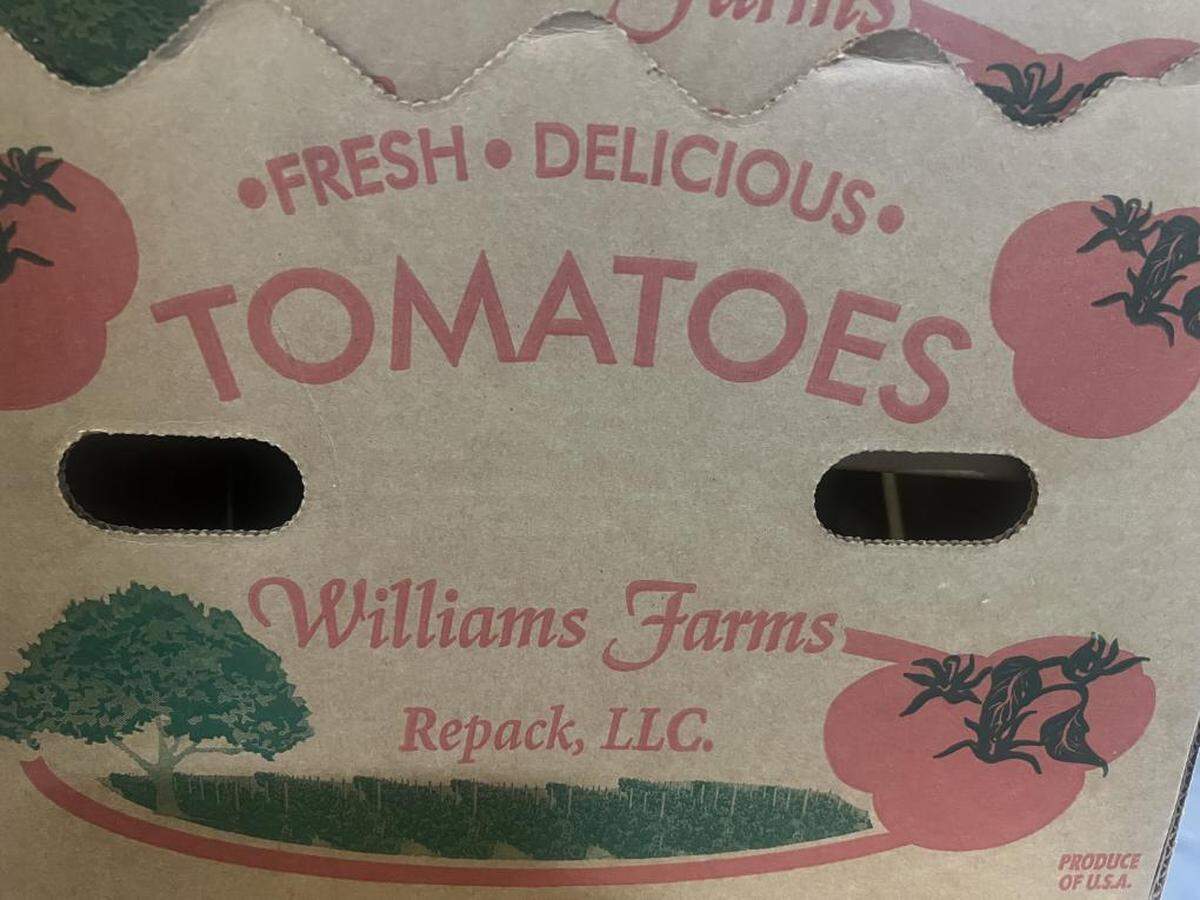
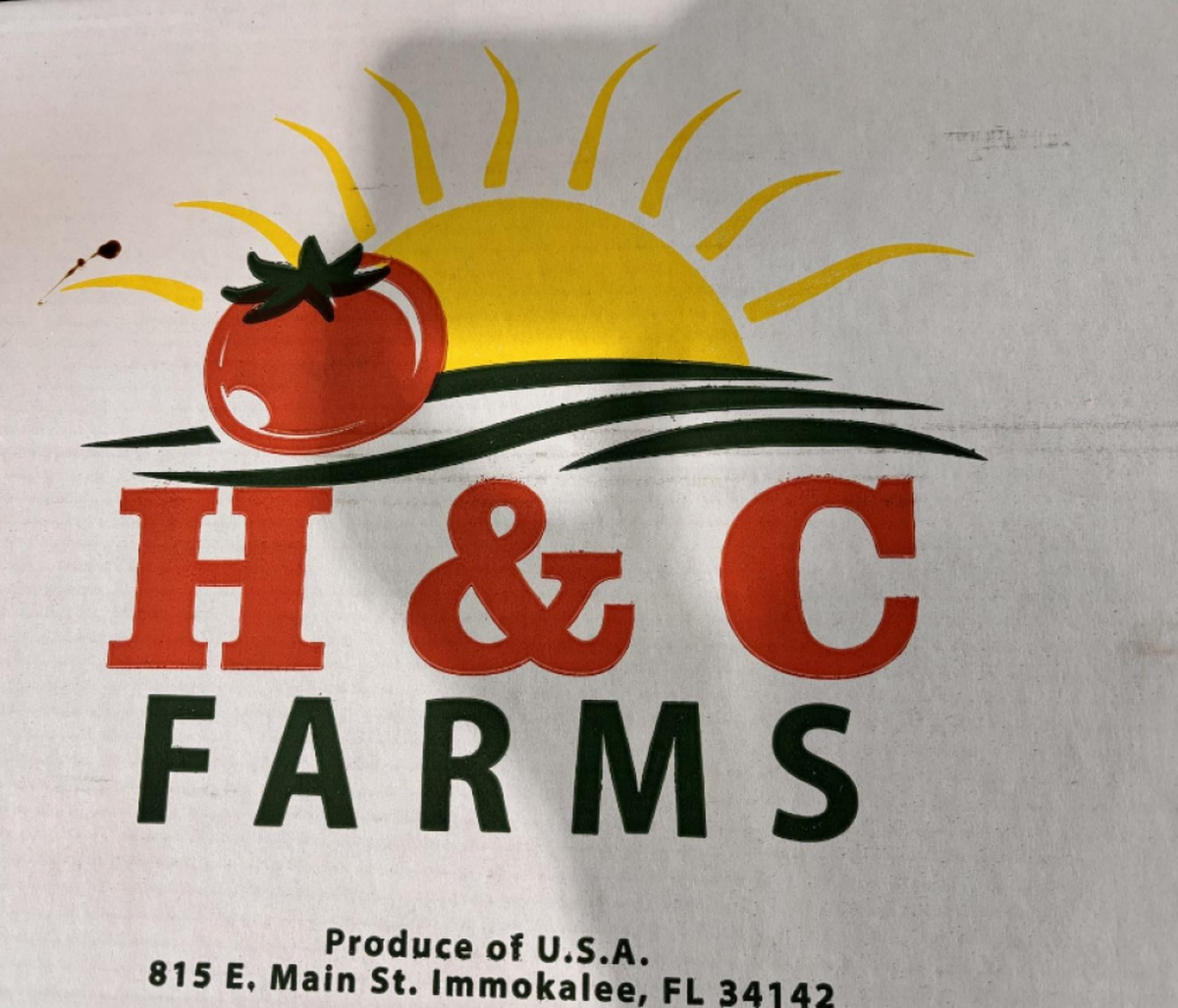
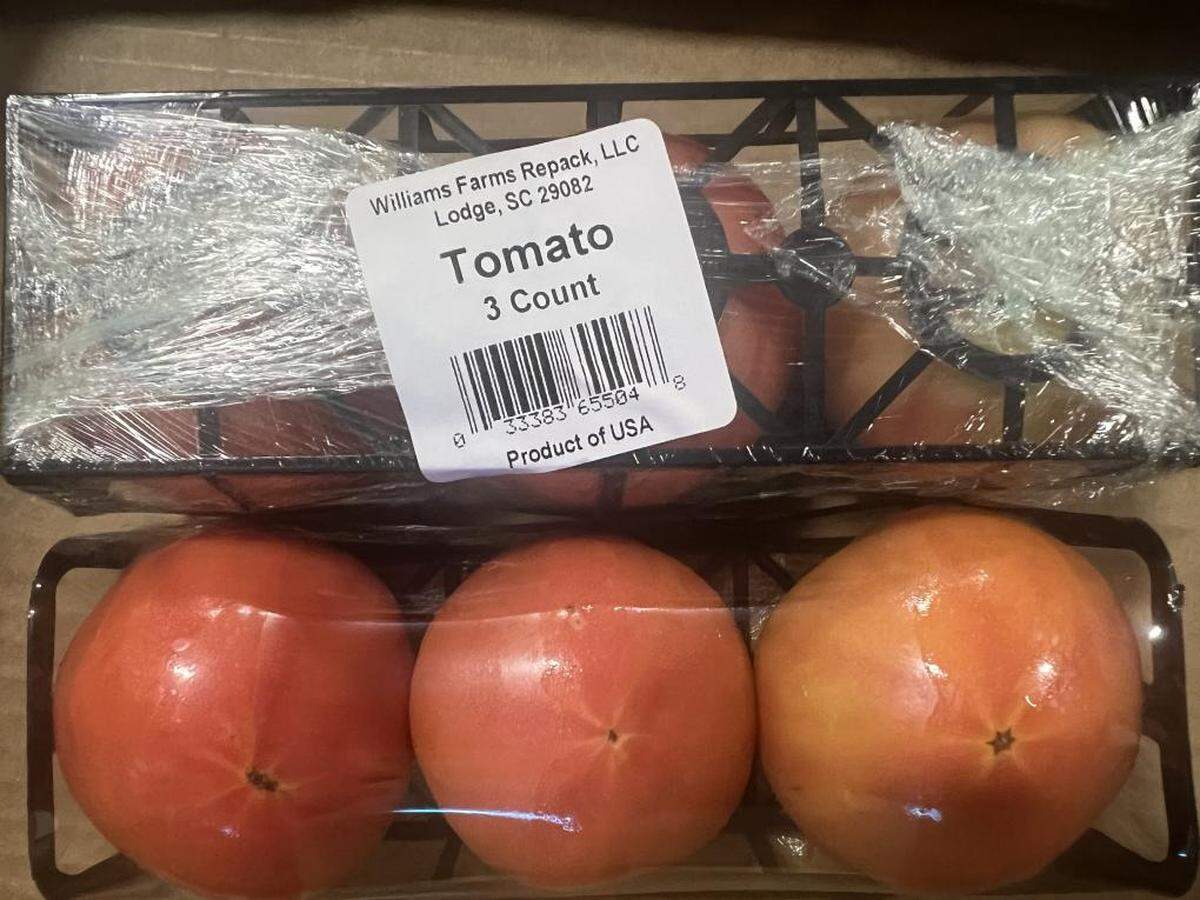
In this most recent announcement, tomatoes from Williams Farms Repack LLC and H&C Farms Label were recalled due to potential salmonella contamination, and it includes three-count packages, 10-pound boxes, 25-pound boxes and 60-count two-layer boxes.
Class I is the agency’s most serious recall category, meaning there is a “reasonable probability” that the item will lead to “serious adverse health consequences or death.”
The FDA is urging Georgia residents “not consume the products and return them to the place of purchase for a full refund or they may discard the product.”
Tomatoes are big business in Georgia
Tomatoes are a staple on Georgia tables, and it’s a vital part of the state’s agricultural economy. The Georgia tomato industry has historically generated between $55 million and $80 million annually, Farm Progress reported.
Most of those come from the southwest corner of the state like Colquitt, Tift, Echols and Decatur counties, and these areas have been the most affected by the recent contamination threats.
The state produced millions of pounds of fresh tomatoes in 2022, but production has dropped over 20% in the last year alone, making this recall even more upsetting to local growers. Even the suggestion of contamination can be destructive to sales, whether local farmers are involved or not.
What should Georgia know about the tomato recall?
The most important thing for consumers to do, or not do, rather is don’t eat tomatoes matching the affected criteria or lot codes.
Additionally, the FDA recommends:
- Check the source: Look for information on the packaging or ask your grocer where they came from. Check certain brands and lot codes.
- When in doubt, toss it: If you’re unsure about the origins, discard any tomatoes that might be affected.
- Support local: Local producers are often the first to comply with safety guidelines, and this can help support the state’s agricultural community. Return the tomatoes to the place of purchase or discard them immediately.
- Clean and disinfect: Make sure any surfaces or containers that may have come in contact with the recalled tomatoes have been thoroughly cleaned.
- Stay informed: Follow updates from the Georgia Department of Agriculture and FDA for the latest recall information.
What to know about salmonella
Salmonella contamination from the recalled tomatoes is unlikely but if you’ve consumed any lately, according to the CDC, you should be aware of symptoms including fever, diarrhea, nausea, and abdominal pain.
While most healthy adults recover without treatment, children, seniors, and those with weakened immune systems are at higher risk for severe illness.
As of June 5, the FDA has not received any reported cases of illness in Georgia.
No other states have reported instances of illness linked to the recalled tomatoes either, but health officials continue to stay vigilant.
Tomatoes are still safe to eat, if you remain a little more cautious and intentional about it. Stay informed with alerts from state agencies and shop locally. For a directory of local growers, visit The Georgia Fruit and Vegetable Growers Association.
In the meantime, let’s celebrate the tomato. Send me recipes, pictures of your favorite tomato dishes or your best (or worst) tomato-related memories. Email me at srose@ledger-enquirer.com or find me on social media.