First kava bar opens in Columbus, offering alternative to alcohol and coffee
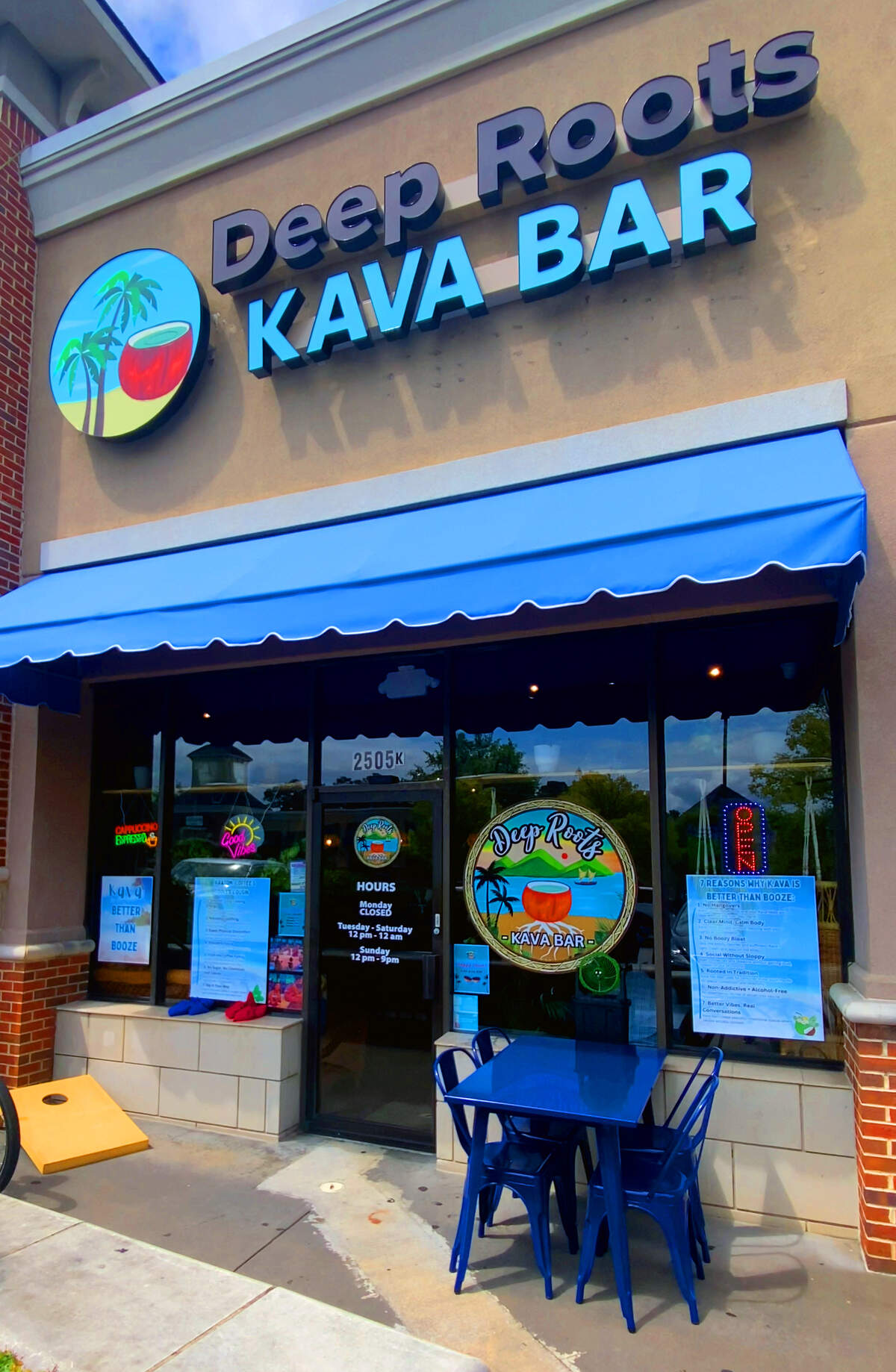
A new type of bar in Columbus is offering an alternative to alcohol in a relaxed atmosphere aimed to provide a communal space for customers.
Dylan Heidrich, co-owner of Deep Roots Kava Bar, 2505 Airport Thruway, was born in California. He moved to Columbus when he was 7 years old and graduated from Northside High School.
Heidrich was introduced to kava bars in college.
“I instantly fell in love because they’re welcoming places,” he told the Ledger-Enquirer. “Everyone’s expected to ask you how you’re doing and get to know you. You meet all kinds of people from all walks of life.”
The bar had a soft opening last month. Its grand opening was Aug. 2.
Deep Roots has plush couches and armchairs, books and a chessboard. The table tennis can be transformed into a small pool table.
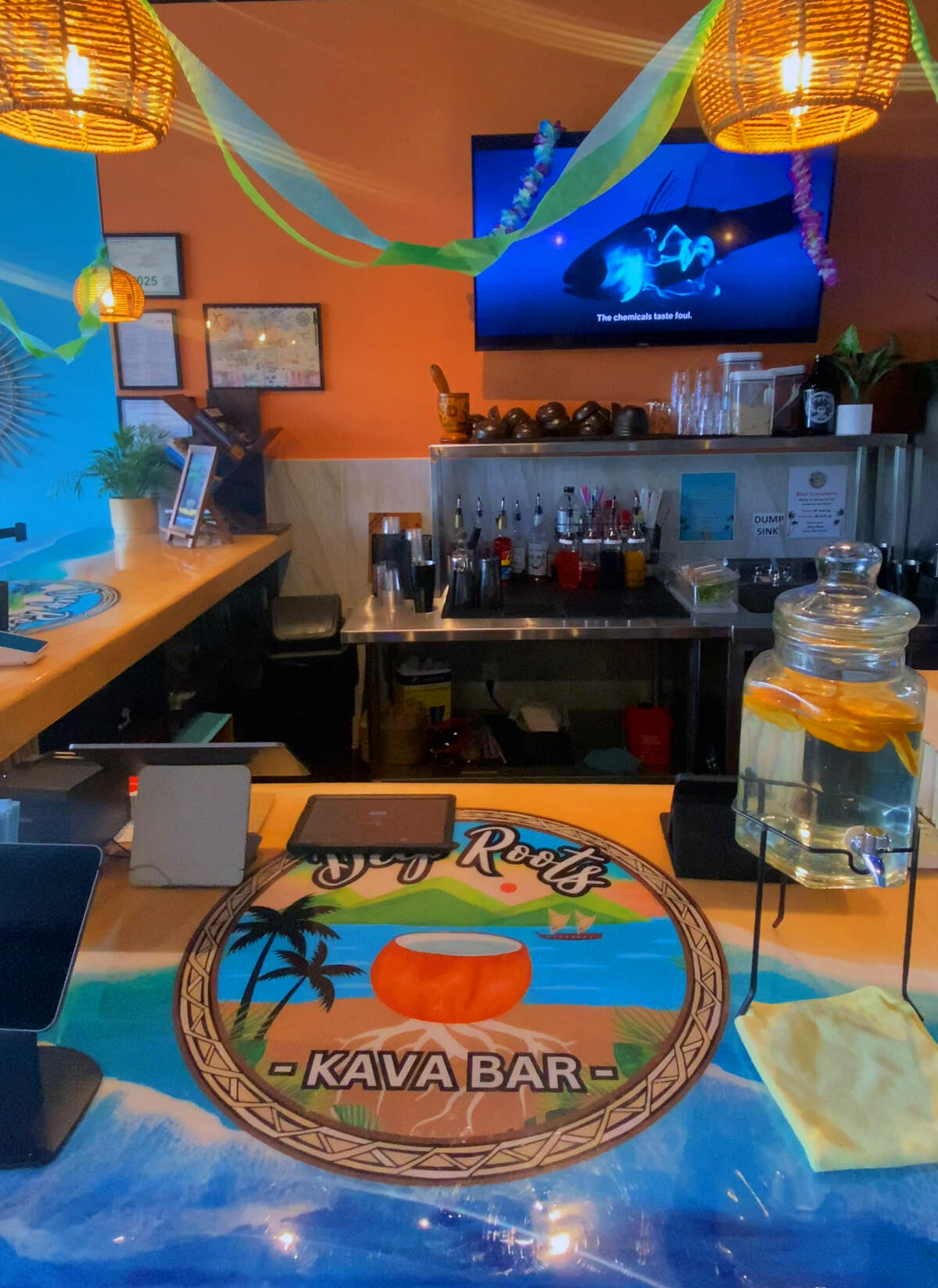
Decor in the bar follows an island theme from the countertops and wall decorations to the wicker chairs. An aquarium in the back of the bar is stocked with a sociable clown fish, Heidrich said, along with other sea creatures, including snails and shrimp.
Heidrich and his business partner, Samieh Atif, came up with the bar’s name to provide an idea about where kava comes from, he said. Including the word “roots” in the name helps to distinguish it from coffee shops or the restaurant with a similar name, Cava.
“When you have a root in the name, it shows people that this is the kava root tea and not something else,” Heidrich said. “And we went with Deep Roots because we want to form deep roots in the community. We want this to be a place where people of all walks of life come together, get to know each other and establish roots.”
What is kava?
Kava is a drink made from the roots of a kava bush, Heidrich explained. The first kava bar opened in Florida about 20 years ago, he said, and now they are in almost every major city.
Deep Roots Kava is primarily sourced from Vanuatu.
“It’s kind of the birthplace of kava,” Heidrich said. “Two other popular islands are Fiji and Solomon (Islands).”
Fiji’s kava, which also is available at Deep Roots, is the “smoother, best-tasting kava,” he said. But the effect of the Fiji kava is weaker.
Solomon Islands has the strongest kava, Heidrich explained, but the taste is more peppery and earthy.
The Vanuatuan kava that Deep Roots uses is “the best of both worlds,” he said.
“It’s strong,” Heidrich said. “And it tastes good for kava.”
Traditional kava is served in a large, wooden bowl that rests on four legs called a tanoa, Heidrich said. A serving spoon is used to share the drink with friends.
“Everyone drinks their kava together,” he said. “We say, ‘Bula,’ which just means life or prosperity, kind of like, ‘Cheers.’”
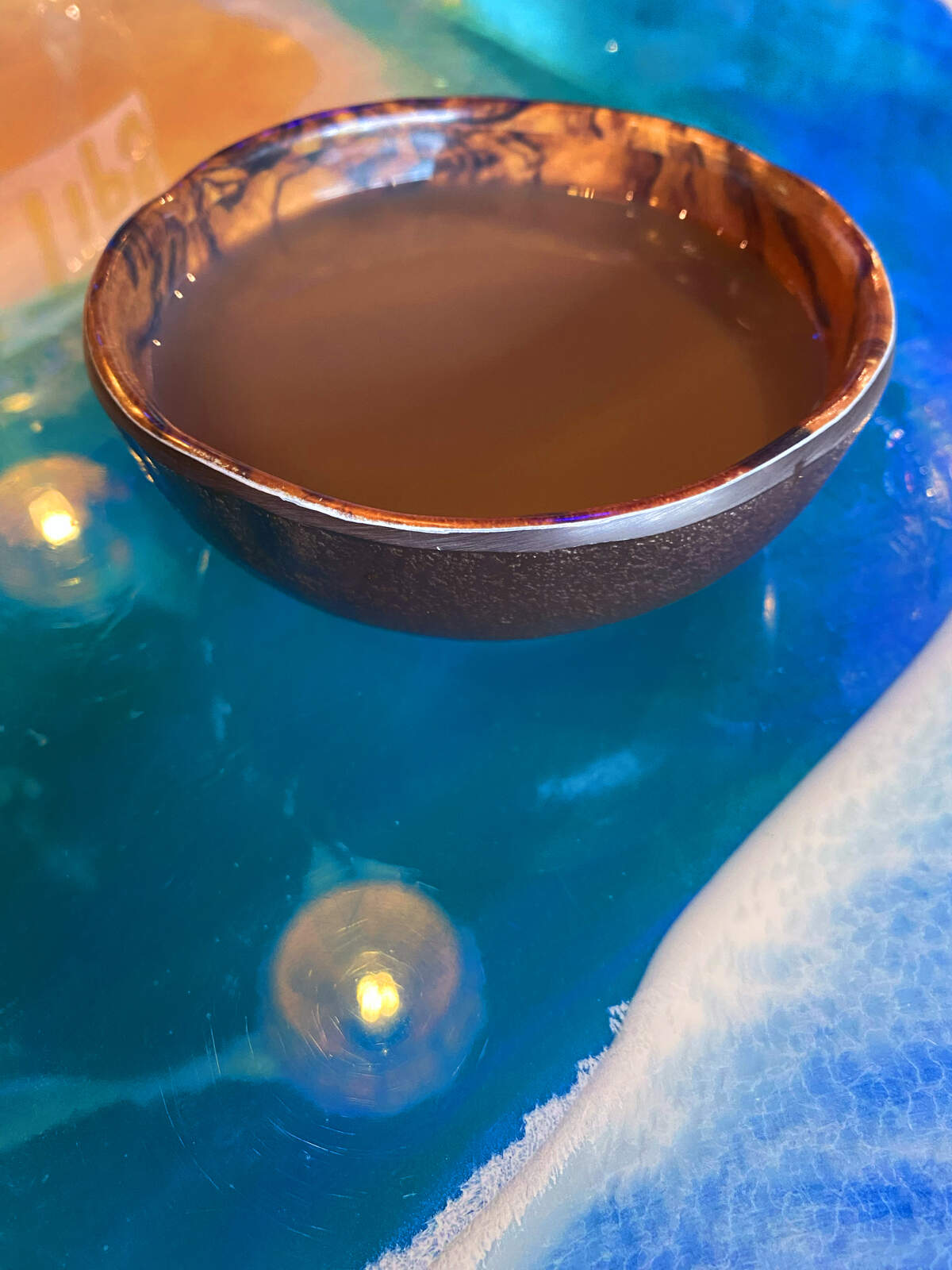
Deep Roots offers traditional kava served in smaller shells, along with mocktails, shots, teas and coffee. No alcohol is served in the bar.
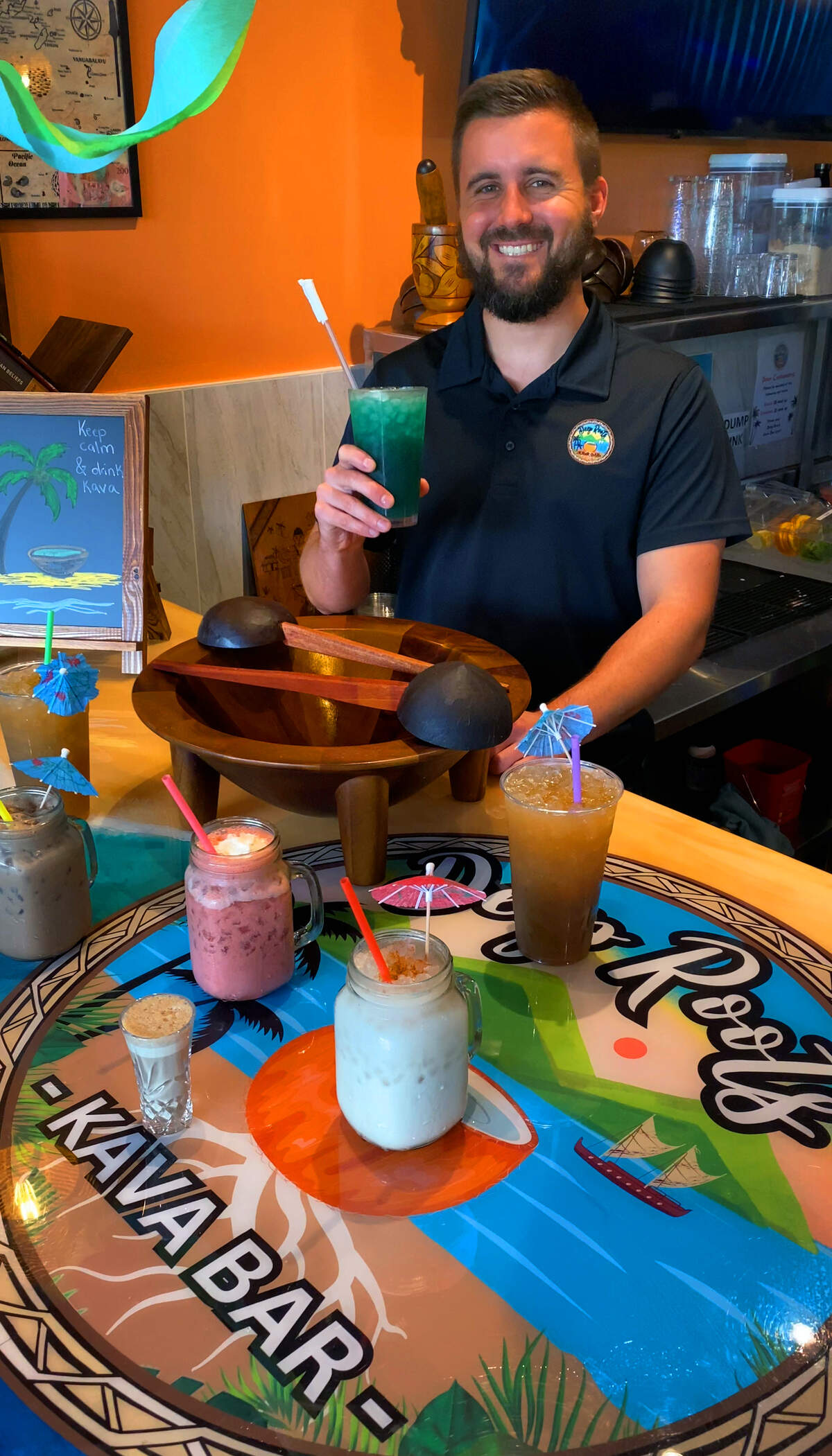
Kava worked well as an alternative to alcohol for Heidrich, who admits to having a problem with alcohol while in college.
“I would drink multiple times a week,” he said. “... I wanted to be part of a social environment without the alcohol. Kava bars provide a safer, healthier alternative for people who want to still have a good time and relax a little bit.”
Kava bars are also good places for people who are introverted and need help to unwind, Heidrich said. Introverts should be able to do that at Deep Roots and still drive home to get a good night’s sleep, he said.
What are the effects of kava?
Kava is a unique drink, Heidrich said, so it’s hard to find a good comparison for people unfamiliar with the taste. However, he relates its effects to those from coffee because it can give people a social, energizing feeling.
“You’re in a mood where you would like to talk,” he said. “You can think clearly, but you’re just more relaxed.”
Kava has a “reverse tolerance,” Heidrich said, which means it prevents some people from feeling what it does the first few times they drink it. He recommends newcomers to kava try a single kava shell with instant kava in it, which helps people feel the desired effects faster.
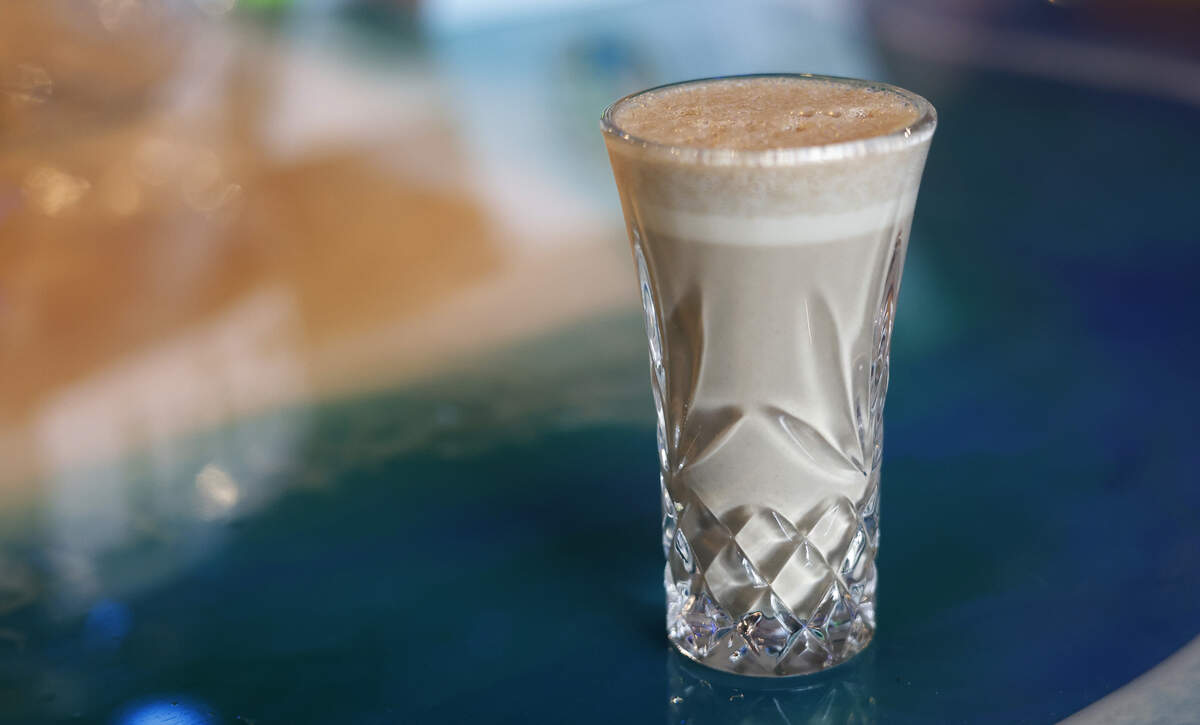
The effects do not directly affect the brain, Heidrich said, so people shouldn’t worry about the drink being habit-forming. However, he emphasized he isn’t scientist or doctor.
“From the last 12 years of going to kava bars, reading books and going to Vanuatu,” he said, “I would say it’s almost impossible to have a habit formed from drinking kava.”
Kratom, another product offered at Deep Roots, is made from the leaves of a tropical tree in the coffee family. Some people may see information online arguing that kratom is highly addictive and contains heavy metals, Heidrich said.
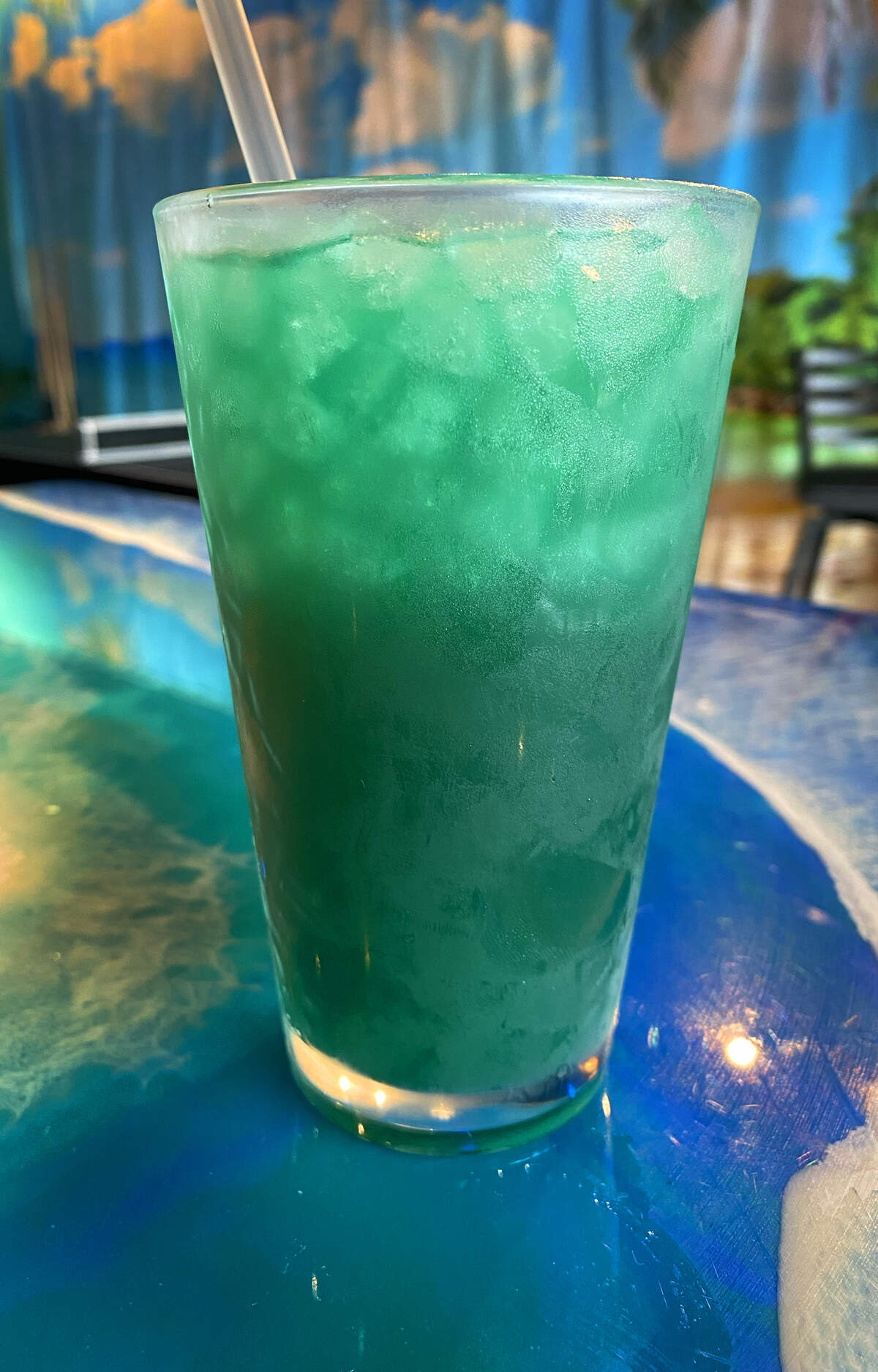
“That would be mainly the kratom extracts,” he said. “The natural kratom leaf has been used for centuries in Southeast Asia. It’s their version of coffee. It gives you motivation, energy and is a natural pain reliever.”
Kava is not a health drink, Heidrich said, and it can be bad for the liver in large amounts.
“I would say that having one kava shell would be, maybe, equivalent to having one glass of red wine,” he said.
If someone is pregnant, Heidrich said, he recommends consuming kava in only small amounts.
Instances of liver injury after consuming kava are rare, according the National Institutes of Health, but it should not be used with substances that have a sedative effect. Kava may have special risks if consumed while pregnant or breastfeeding, the NIH wars.
Heidrich hopes Deep Roots builds the communal atmosphere for Columbus residents that he experienced in other kava bars.
“I’m very grateful to have the first kava bar in Columbus,” he said. “I think it’s just a matter of time before more people try kava and natural kratom tea, learn what it does, experience the benefits of what these drinks offer and get to know people in the community that they otherwise might not ever meet.”
This story was originally published August 13, 2025 at 3:31 PM.