
Is your kitchen up to code? How to keep it as clean as an inspected Columbus restaurant
Whether you’re filling lunch boxes in the morning or preparing a new dinner recipe in the evening, food safety is a quiet but vital part of everyday life in Columbus.
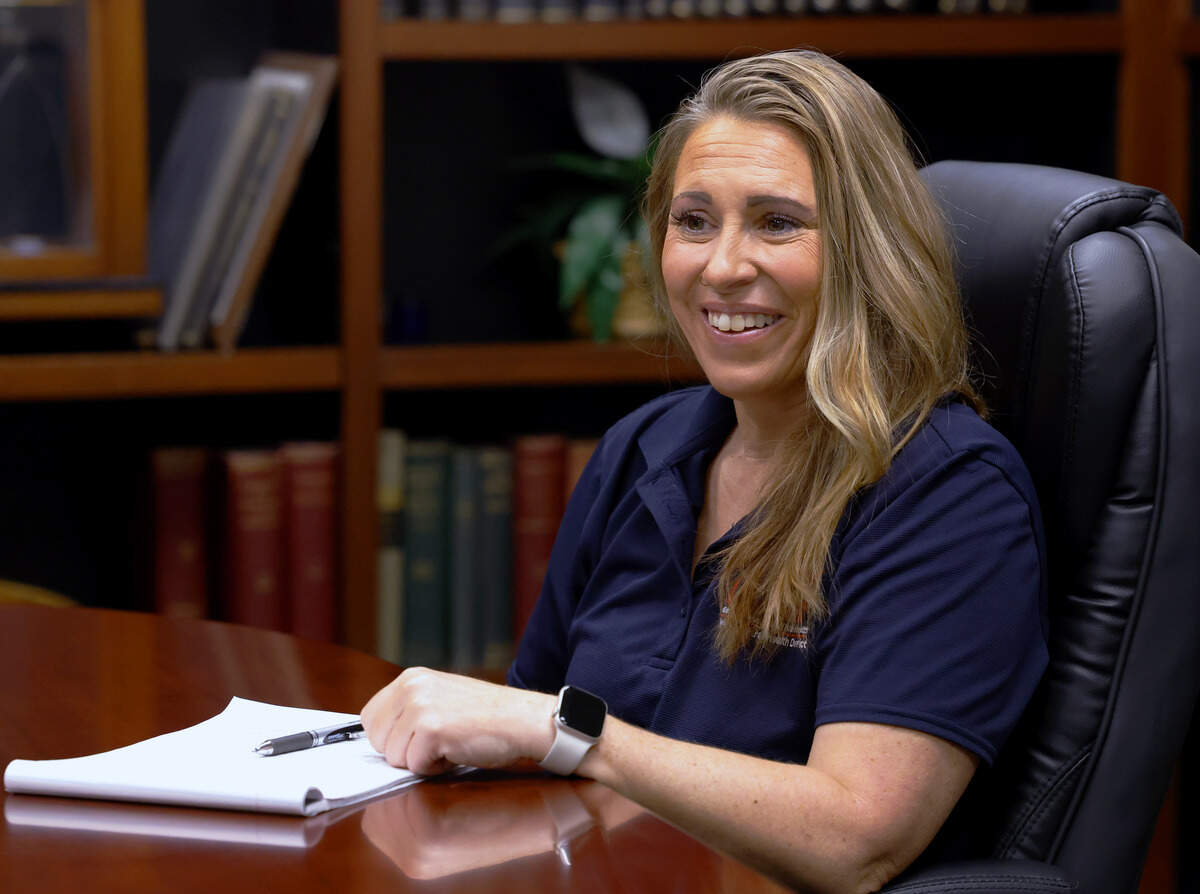
To help take some of the guesswork out of keeping your kitchen safe, the Ledger-Enquirer spoke with Danielle Saunders, the Columbus environmental health manager for the West Central Health District in the Georgia Department of Public Health, about the steps anyone can take to prevent foodborne illness and keep meals enjoyable for everyone at your table.
The basics: Cleanliness is key
When asked for the most important thing folks can do to increase food safety, Saunders answered without hesitation.
“Handwashing is the key,” she said. “[It] was one of the most preventative measures that we have control over in preventing the spread of foodborne illness.”
Regular, thorough handwashing, especially before and during cooking, Saunders said, can go a long way toward stopping the spread of bacteria and viruses in the kitchen.
Saunders emphasized the importance of general cleanliness in the kitchen. Any surface that could touch food should be cleaned and sanitized often. She also emphasized utensils deserve a closer look.
“Wash, rinse and sanitize your utensil that you’re using,” she said. “Wash in between each use.”
There are plenty of ways to be careful without overcomplicating things. Saunders encourages simple habits.
“If you’re serving food, be mindful of your hair,” she said. “For those who may have long hair, keep it up and restrained and out of the way. We shed hair all the time, so that’s how you know, people get hair in their food. That is a common practice that you know. Just be mindful of those things.”
Wearing gloves, especially when handling meat or feeding others, can help too, Saunders said.
A food safety tip that home chefs usually forget
Saunders noted many home cooks forget about checking internal temperatures. Incorporating this into daily cooking can help destroy harmful bacteria that cause foodborne illnesses, she said.
General guidelines Saunders suggests for commonly cooked meats are:
- Chicken – 165 degrees Fahrenheit
- Ground beef – 155 degrees Fahrenheit
- Fish – 145 degrees Fahrenheit.
Saunders doesn’t mince words. People who prefer their steaks or burgers more rare should know they are risking their health.
“If they don’t cook it to the minimum required temperature,” she said, “there are some associated risks where there are potential hazards for them to get sick.”
Use your eyes and nose
Freshness, Saunders said, is something to pay attention to with your eyes and your nose.
“Be mindful of discoloration,” she said. “If you have produce, and it’s starting to wilt or change, you want to be mindful and potentially throw that away. Or, if you have meat that’s changing, best practice would be to go ahead and discard those.”
Smart packing and safe storage
Most basic sandwiches and prepackaged items are safe if eaten within a few hours, Saunders said. But she recommends ice packs for any food that needs extra chilling if you are taking it to eat away from home. For leftovers or meals that need reheating, safety comes down to heat.
“When you do reheat those foods that would need to be reheated,” she said, “they need to reach a minimum temperature of 165 degrees Fahrenheit.”
Proper food storage is about more than cleanliness. Saunders explains there is a “hierarchy of how food is to be stored in units,” designed to prevent cross contamination.

“Food storage goes by internal temperatures,” she said.
Food with higher internal temperatures, like chicken, should be stored on the bottom of a refrigerator. Storing meat above produce can put uncooked foods at risk for contamination from drips or spills.
When the holidays or football games bring gatherings and potlucks, Saunders urges caution as platters sit out for hours. She recommends not keeping food in the open longer than six hours.
Want more information? Here’s where to go
Saunders provided the following resources to learn more about food safety:
- Safe Food Handling | FDA: General food safety information.
- Food Service | Georgia Department of Public Health: Access the Georgia Department of Public Health’s Environmental Health website and access the tools that the environmental health specialists utilize for inspections and educational resources.
- Environmental Health – West Central Health District: Access all of the environmental health forms that are used in Columbus. Access facility scores, educational materials, the payment portal and register for the upcoming ServSafe course.