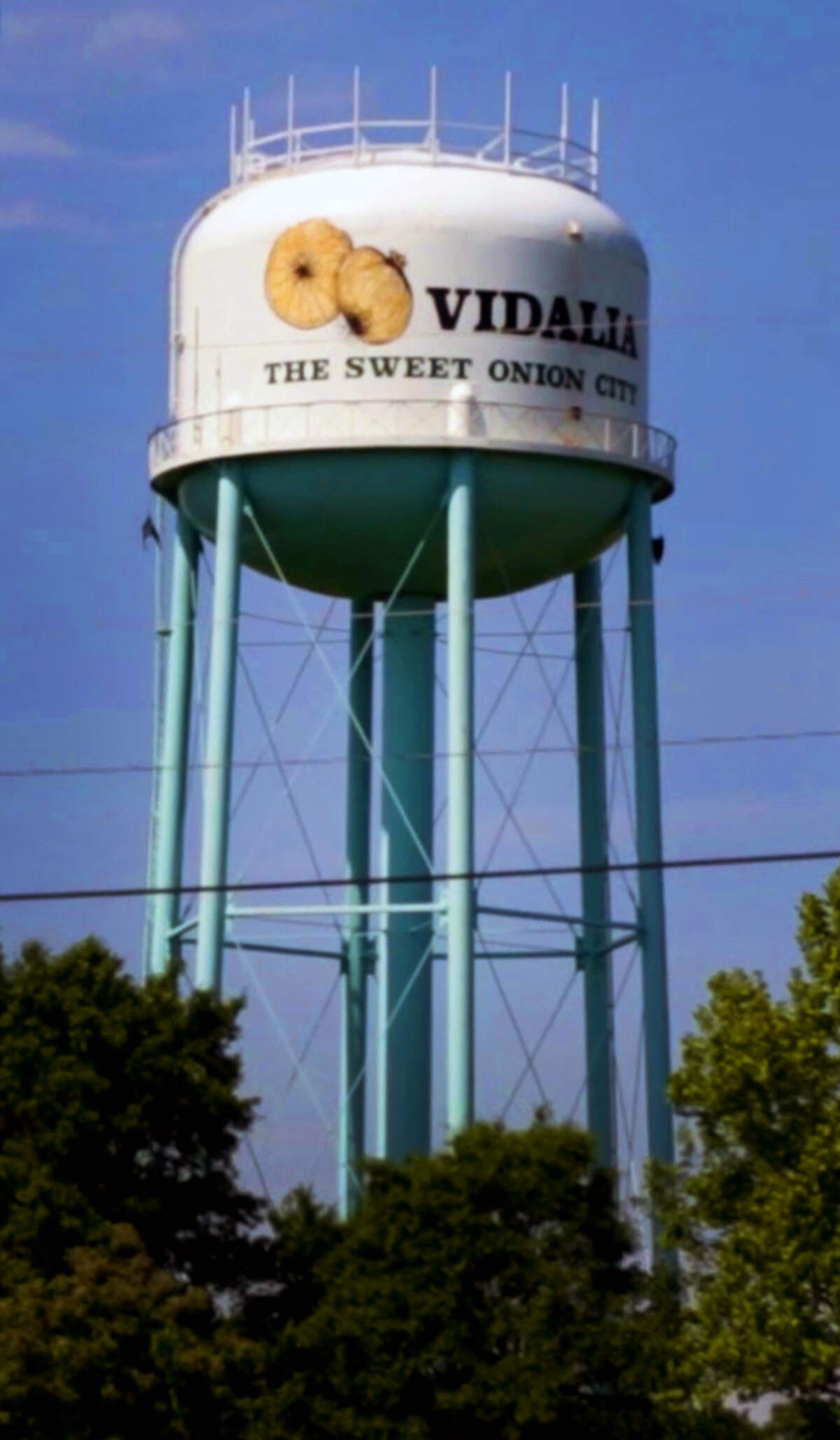
Despite drought, this crop — grown in only GA — is harvested and now in markets
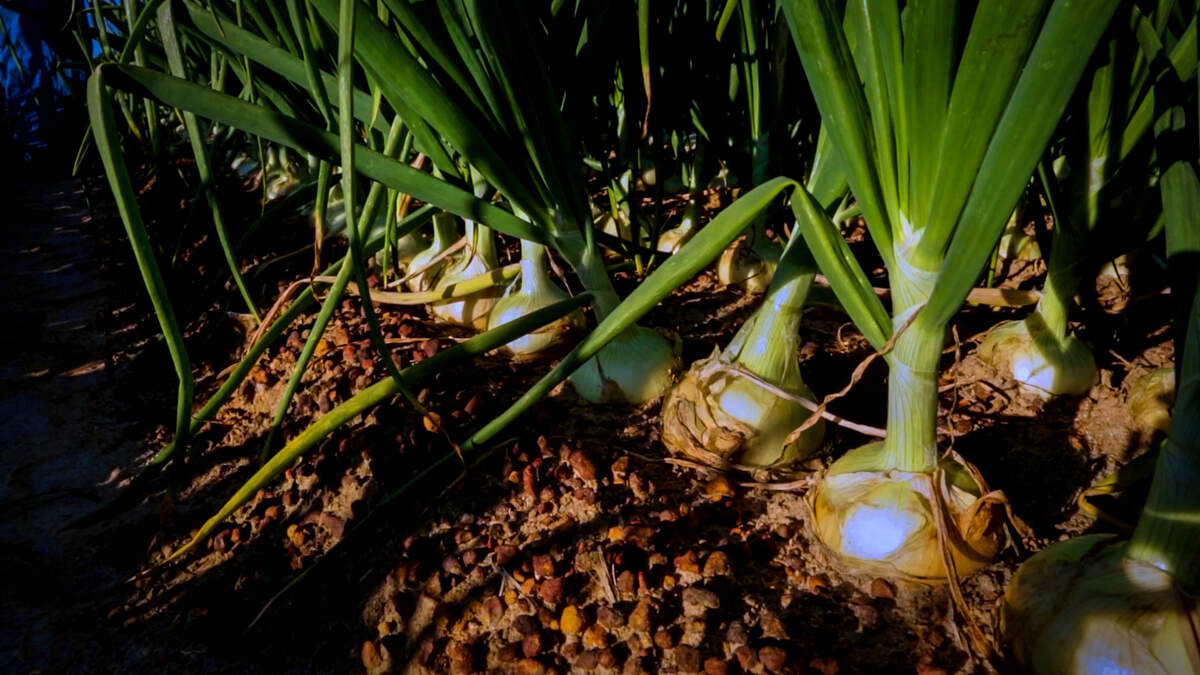
For those who enjoy shopping for fresh, local produce, farmers across south Georgia have begun harvesting the unique Vidalia onions as drought conditions raise concerns about still maturing crops.
The official Vidalia Onion Pack Date was April 13, when farmers began to send onions to markets around the state and the country.
These onions, the state vegetable of Georgia, are unique to south Georgia, where they are grown from a delicate balance of specific weather patterns and soil conditions that make the region optimal for growing the vegetable, according to a news release from the Georgia Department of Agriculture.
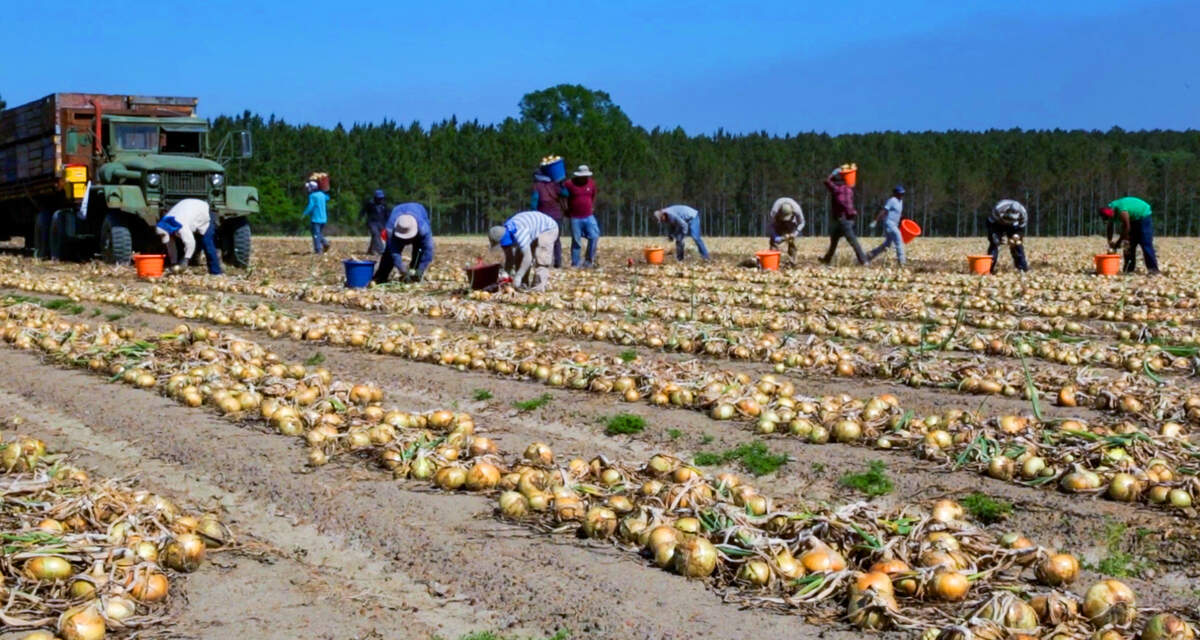
Vidalia onions can be grown in only 20 Georgia counties, Shane Curry, executive director of the Vidalia Onion Committee, told the Ledger-Enquirer.
“All the growers have to be registered,” he said.
Numerous requirements ensure the onions have the flavor and sweetness that make them worthy of the Vidalia brand name, Curry said.
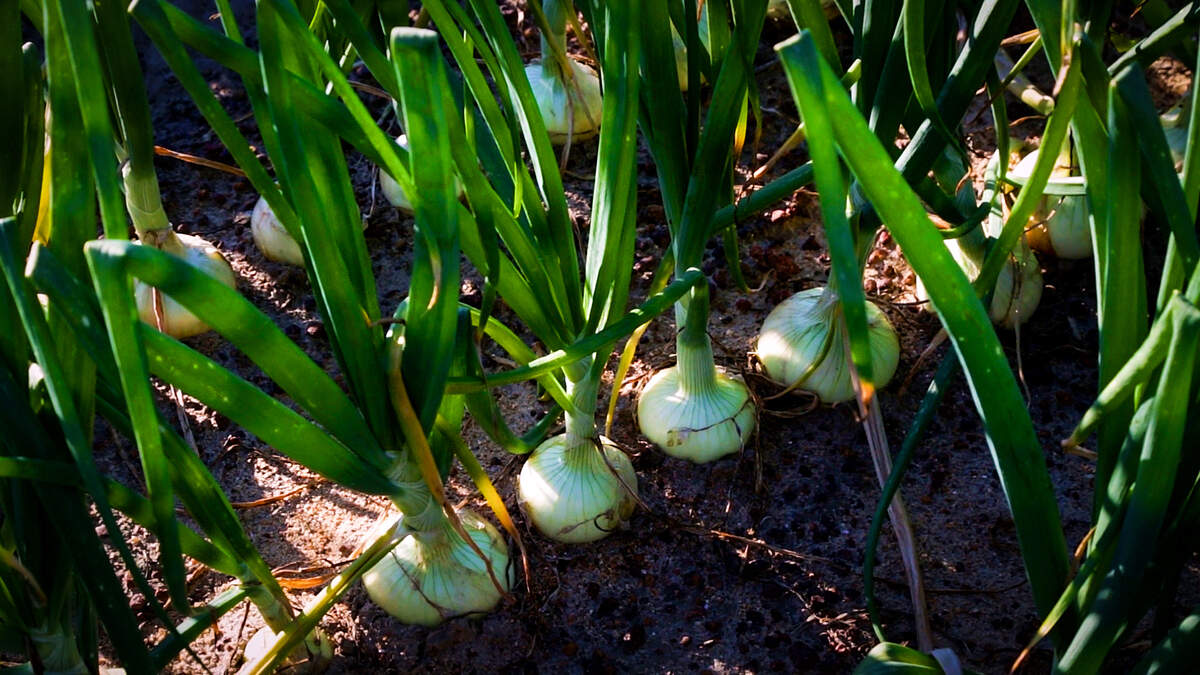
The farm gate value, which is how much money Georgia growers earn, from Vidalia onions usually ranges from $168 million to $185 million annually.
For consumers looking to buy these onions while they are in season, growers are typically able to supply the onions into September, Curry said. They sometimes have enough supply to send onions as late as the first week of November, he said.
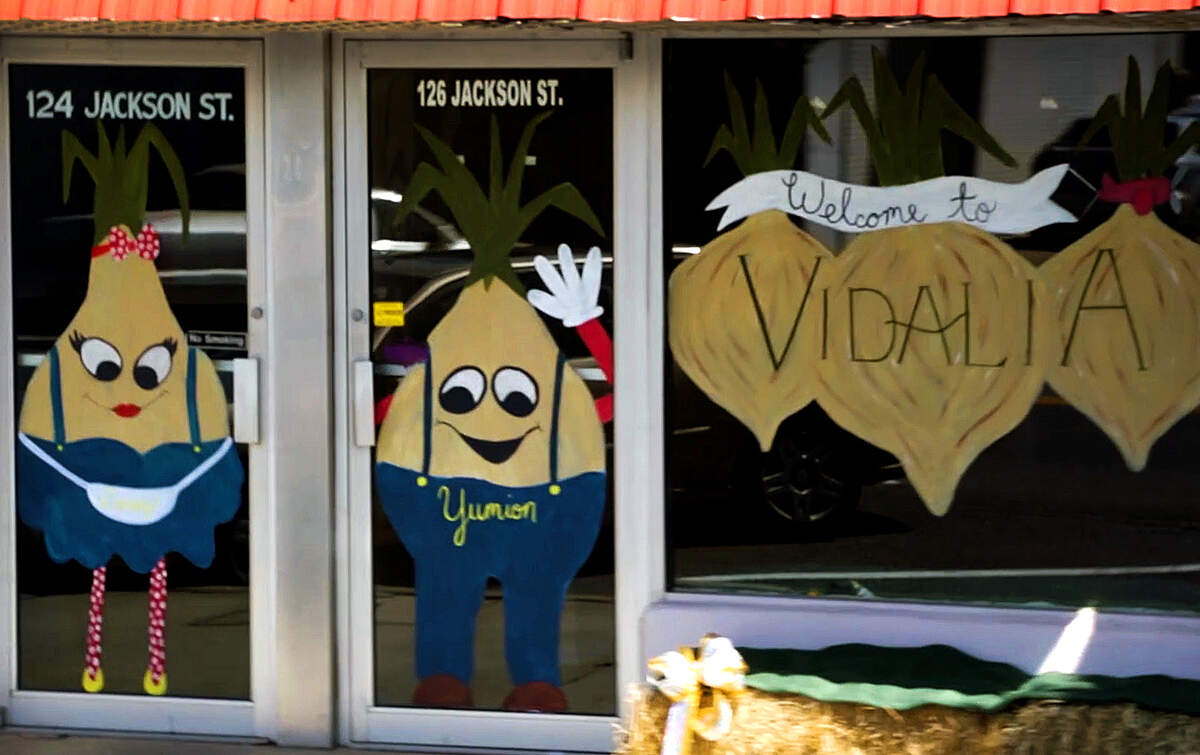
Georgia growers typically produce about 200 million pounds of Vidalia onions across about 10,000 acres each year, Curry said, but this can vary.
The ongoing drought is good for harvesting onions, he said, because rain is the last thing growers want when digging up the onions. But this isn’t the case for the onions maturing later in the season.
Irrigation is great, Curry said, but it takes time to work.
“As far as how dry it is, with a lack of rain, a lot of irrigation can get you by, but it can’t make up for 40 days with no rain,” he said.
The system can keep the crop alive, Curry said, but it depends on how long it takes to put out an inch of water.
This industry comprises family farms, he said, and these families have been growing the crop in Georgia for generations.
“They know what they’re doing,” he said. “And they take pride in producing a top-quality product for consumers. That’s what a lot of these farms have hung their hat on for years.”