This snake is behind the most bites in Georgia. Here’s how to spot it
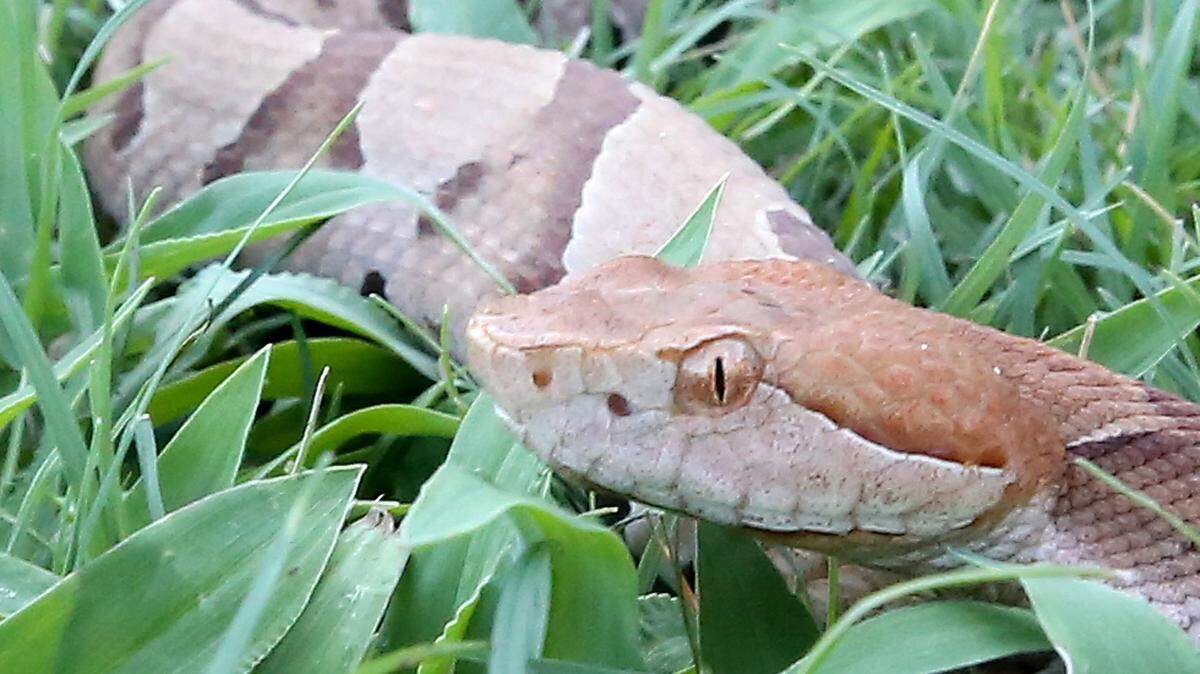
As warm weather returns to Georgia, those who love the outdoors need to be on the lookout for summer’s biggest critter threat, copperheads.
Although water moccasins and cottonmouths are well-known hazards, The Department of Natural Resources warns copperheads are the most common venomous snake in Georgia, and snake encounters are expected to rise, especially in suburban and newly developed areas
What you need to know about Georgia copperheads
The Wildlife Resources Division warns Georgia to stay informed and always be vigilant.
Copperhead facts:
Among the 6 species of venomous snakes in Georgia
Most likely to be found near homes and gardens
Responsible for the majority of venomous snakebites in the Southeast.
Bites are rarely fatal but can be extremely painful and require medical attention.
How do I tell a copperhead from other snakes?
It’s best to ask the experts when you need accurate information, so we went straight to the source.
According to the Herpetological Circular, these are the key features of the Eastern copperhead:
Typically 2–3 feet in length. Females are often slightly longer than males. Key features include:
Reddish-brown, copper, or pinkish-tan background color.
Distinctive hourglass or Hershey’s kiss-shaped crossbands that are darker on the edges and lighter in the center.
Ridged scales and a heavy, rather than slender, body type
Young copperheads have a yellow or greenish tail tip, which darkens as they age.
Common hiding places for copperheads in Georgia yards
Copperheads are habitat generalists and thrive in various environments, says Live Science.
They are most often found in:
Woodpiles or brush piles
Tall grass or dense vegetation
Rock piles or stone walls
Shaded areas near houses
Gardens or flower beds
Wooded areas or deadfall
Under boards, sheet metal, or debris in yards and abandoned buildings
What should you do if you’re bitten by a copperhead snake?
The most important thing to remember during peak snake season, is to keep your distance if you spot a snake of any kind, warns the DNR.
Don’t DIY: Do not try to suck out the venom, apply ice, or use a tourniquet.
Call for help: Immediately call 911 or the Poison Control Hotline at 1-800-222-1222
Administer first aid immediately: Wash the bite with soap and water, keep the bite area immobilized and elevated above the heart, and remove any tight clothing or jewelry near the bite.
Don’t take aspirin or ibuprofen: These can increase bleeding.
Don’t try to trap or capture the snake: If its safe, take a photo for identification purposes.
Copperhead bites are rarely fatal, but will need medical attention. Antivenom is the primary treatment for significant envenomations, and most snakebite patients will stay in the hospital for 24–36 hours to monitor for complications, says The Georgia 100.
For more information or to report sightings, contact the Georgia Department of Natural Resources or your local animal control.
What are your experiences with copperheads in Georgia? Email me at srose@ledger-enquirer.com or find me on social media.