Why are you seeing more snakes this summer in GA? Blame these critters
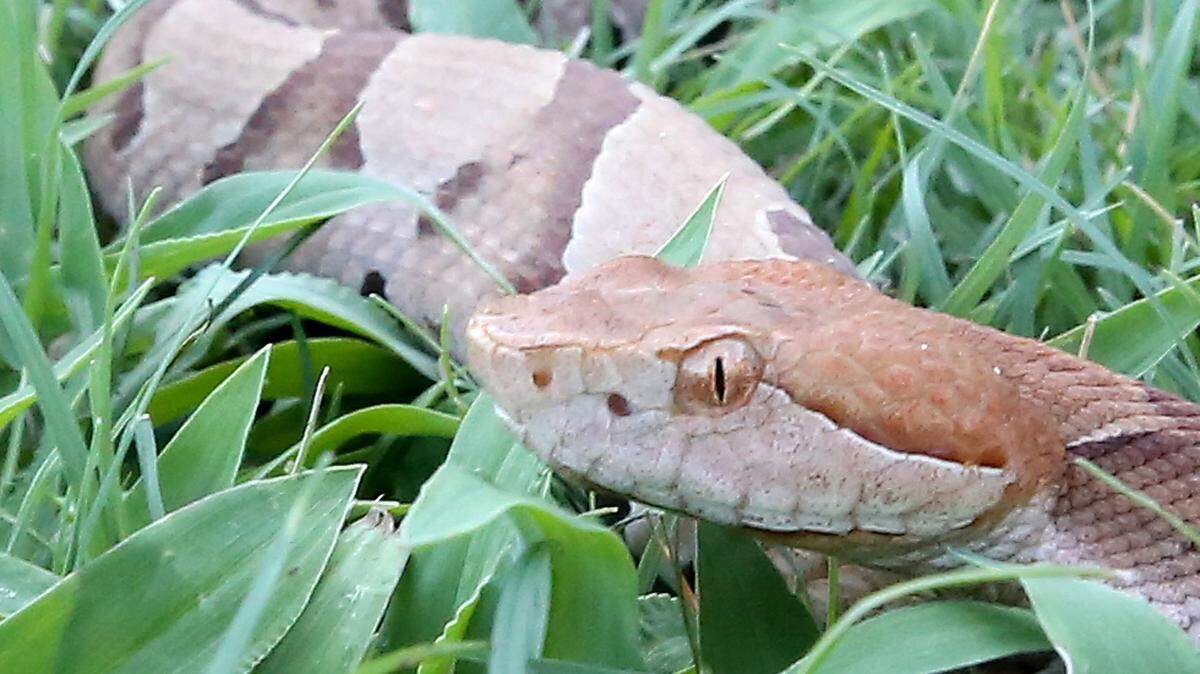
When the screaming cicadas start to show up in your yard, they don’t come alone. Summer means a ton of these noisy critters, but more cicadas also means more snakes.
This year, Georgia’s peak cicada season for Brood XIV ill will last through summer, says Scientific American. Annual cicadas, which are a different group, start appearing in Georgia from mid-June and are most noticeable in midsummer, especially in August.
As the cicadas emerge, copperheads and rattlesnakes become more visible.
Why are there more snakes during cicada season?
Coastal Georgia Botanical Gardens of the University of Georgia outlines the symbiotic relationship between cicadas and snakes.
These are the connections between the two:
Abundant prey: Cicadas are a favorite snack for copperheads, and rattlesnakes may be drawn by the increase in small animals that feed on cicadas.
Nighttime activity: Both cicadas and copperheads are most active at night, especially after rain.
Natural ecosystem: Snake sightings are a sign of a healthy environment, which makes conditions more favorable for cicada emergence.
What should I know about snakes during cicada season?
The Georgia Wildlife Division advises to keep yourself educated.
Copperheads: These snakes are venomous, but their bites are rarely fatal.
Rattlesnakes: Also venomous, rattlesnakes are less likely to be lured by cicadas, but often prey on animals that prey on cicadas.
Medical attention: Any snake bite requires immediate medical care, even if symptoms seem mild.
What can I do about cicadas in the yard?
If you don’t want to resort to extreme measures to control the cicadas, there are a few practical steps you can take.
Georgia outdoor specialists, Lawnstarter, said, “You can remove them, or let them be, or even eat them. (They are a great source of protein).“
If you want to remove them, don’t try to use insecticide, said the EPA.
Lawnstarter said it’s a waste of money and here’s why:
- So many cicadas emerge at a time that as soon as one group dies another emerges.
- Insecticides might blow back into your face.
- Insecticides might blow off into the face of your child, other family members or neighbors.
- Pets are always at risk when you use insecticides.
If you want to let them be, protect yourself and your yard while they visit.
- Wear earplugs or noise-canceling headphones.
- Cover pools and hot tubs so they don’t clog your drain.
- Do yard work in the early morning or at dusk. The vibrations from your lawn equipment can attract cicadas.
- Wear a hat when working under trees or in your yard.
- Spray your trees with a water hose.
- Wrap smaller and younger trees with netting that has openings of at least an inch.
If you want to eat them, there are lots of ways to make them palatable.
The Macon Telegraph offers a few recipes:
- Chocolate Covered Cicadas
- Cicada Breakfast Tacos
- Cicada Stir Fry
- Cicada Chips
- Maryland Cicadas
- Tempura Battered Cicadas with spicy Sriracha Aioli
How to stay snake-smart in summer
Science site, Phys.Org offers the following advice:
Watch your step: Wear closed-toe shoes at night, especially in wooded or grassy areas.
Use a flashlight: Shine a light ahead of you to spot snakes before you get too close.
Be mindful: Snakes are more likely to be active after rain or during warm, humid nights.
Respect wildlife: Remember, snakes play an important role in the ecosystem. If you see one, give it space.
More cicadas mean more food for snakes, and that can lead to more encounters. Stay alert, take precautions, and enjoy Georgia’s wildlife… from a distance.
If you need more information about snakes in Georgia, call the Georgia Department of Natural Resources.
Have you had an encounter with a snake and/or a copperhead? Email me at srose@ledger-enquirer.com or find me on social media.