EPA proposes change to pollution standards. What it means for coal and gas in Georgia
AI-generated summary reviewed by our newsroom.
- EPA proposes rollback of 2024 emissions rules to extend coal and gas plant use.
- Critics cite public health risks and claim repeal ignores science and agency data.
- Georgia plants may stay online longer, despite past retirement due to high costs.
Lee Zeldin, administrator of the U.S. Environmental Protection Agency, on Wednesday announced plans to revise carbon pollution and mercury standards to keep coal and natural gas as energy resources alive as part of the “great American comeback.”
Just 13 months ago, the Biden administration’s EPA updated emission standards to the existing 2015 Clean Power Plan aimed at reducing pollution without disrupting energy reliability, requiring existing coal plants to reduce a percentage of emissions by 2032 and new natural gas plants to implement efficiency standards. The Biden-era update in 2024 also required the 2012 mercury air toxic standards (MATs) to be more stringent.
During Zeldin’s announcement, he said the previous administration’s rules were enacted to “suffocate our economy in order to protect the environment” and make coal “disappear and regulate it out of existence.” He added that the standards created “expensive, unreasonable and burdensome regulations” in the name of climate change.
Zeldin, who called it a “very exciting day” and and emphasized, “No power plant will be allowed to emit more than they do today or as much as they did one or two years ago.”
But environmental policy experts, scientists and pediatricians from around the country and in Georgia say Zeldin is not protecting Americans, is putting their health at risk and raising concerns about climate.
“This is a dark day for an ostensibly science-based agency that has a clear mission of protecting public health and the environment,” Gretchen Goldman, president of the Union of Concerned Scientists, said in a news conference. “(Zeldin) has a responsibility to ensure EPA bases its actions on facts, science and law. This (proposal), by contrast, is an aggressive attack that actively and shamelessly denies and manipulates science and facts. The consequences of these actions are severe because the science is very clear these standards to limit pollution are in place to protect people’s health and save lives.”
Zeldin said the 2024 rules were a misuse of the Clean Air Act that cost American families $19 billion to retrofit power plants.
“Today, we are taking an important step toward putting America back on track,” he said. “Power demand is skyrocketing right now. We need all the American energy we can to produce and deliver.”
But Meredith Hankins, federal climate legal director at the Natural Resources Defense Council, said Zeldin’s administration failed to consider climate impacts in its own cost analysis released after the briefing. Hankins claimed the repeal will outweigh the retrofit costs sixfold.
“This repeal will cost the American economy $110 billion, that is EPA’s own analysis released today to accompany this repeal,” Hankins said in a news conference.
The Biden EPA administration said its rule would provide Americans up to $370 billion in climate and public health benefits over the next two decades and prevent tens of thousands of illnesses, deaths and emergency room visits.
“In 2035 alone, (the rule would) prevent up to 1,200 premature deaths, 870 hospital and emergency room visits, 1,900 cases of asthma onset, 360,000 cases of asthma symptoms, 48,000 school absence days, and 57,000 lost workdays,” the 2024 EPA administration news release said.
Who will this affect in Georgia?
People who live near existing coal power plants or new gas power plants will be most affected if this proposal goes into effect.
“These rollbacks, combined with other cuts to federal programs and staff, will damage the health of people in Georgia and cause many more deaths,” said Anne Mellinger Birdsong, health adviser to Georgia-based Mothers and Others for Clean Air.
Birdsong pointed to a 2019 study that found power plants account for 240 of the 500 people in Georgia who die each year from illnesses related to energy production. Two-thirds of the rivers in Georgia have fish consumption advisories for some fish because the rivers are contaminated with mercury, with the majority originating from coal power plants.
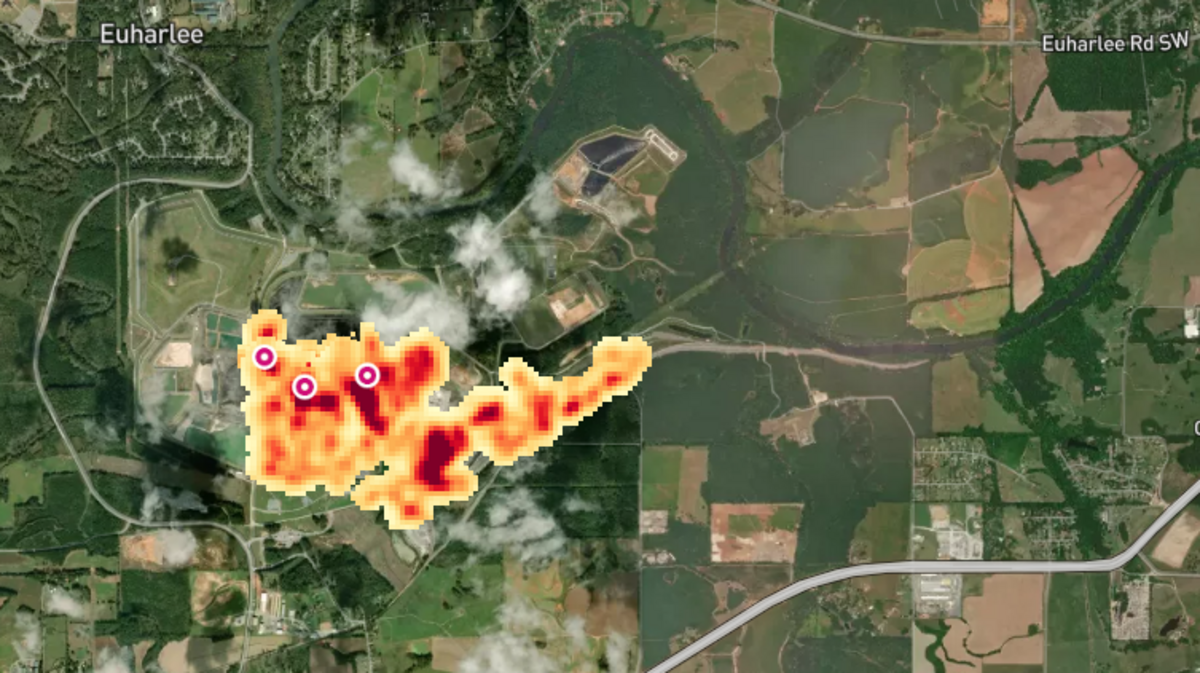
Plant Bowen, just outside Euharlee, and Plant Scherer, in Juliette, are the only two coal power plants in Georgia. Together they make up about 15% of Georgia Power’s energy and together can produce 7,000 megawatts.
Between 1999 and 2020, Plant Bowen was found to be the second-deadliest in the country, according to a 2023 study.
Those plants were set to be retired, but the latest Georgia Power Integrated Resource Plan has the two staying online another nine years.
“Georgia Power had previously planned to close Plant Scherer Unit 3 and two Plant Bowen units because they were uneconomical,” a Sierra Club news release stated in April.
John Kraft, a spokesperson for Georgia Power, responded via email, saying the company is reviewing the proposed changes to the 2024 greenhouse gas rule. “We believe any rules regulating GHG emissions should be constructive, flexible and durable, and be consistent with Southern Company’s commitment to provide clean, safe, reliable, affordable energy to our customers,” Kraft said.
Additional natural gas combustion turbines are set to come online in Georgia between 2026 and 2029, including units for Plant Yates owned by Georgia Power, and Talbot County Energy and Smarr Energy Facility owned by Oglethorpe Power. Kraft did not comment about plans for Yates.
Oglethorpe spokesperson Blair Romero said the energy co-op is reviewing the new rule thoroughly and “welcomes the critical step to ensuring a more affordable and reliable energy future.”
This proposal will go through a public comment period, and Zeldin hopes to have this implemented by the end of 2025, he said in the briefing. “We’ll work to have a decision as durable as possible, and the American public has an opportunity to participate and weigh in on this,” he said.
He also said the 2024 MAST standards haven’t even gone into effect yet, so saying the air will get dirtier because of it “is not accurate.”
But Union of Concerned Scientists President Gretchen Goldman called what Zeldin is doing indefensible.
“It’s indefensible to roll back greenhouse gas emissions limits on fossil fuel-fired power plants, the largest stationary source in the U.S., when people across the country are reeling from the costly and deadly climate-fueled extreme disasters, including deadly heat waves, catastrophic wildfires and intensified hurricanes,” she said.