The omicron variant is in GA. Here’s what Muscogee County residents need to know.
As the Centers for Disease Control and Prevention reports Georgia as one of 16 states with at least one case of the COVID-19 omicron variant, local officials say residents should be concerned but not panicked.
Not much about the omicron variant is known at this time, Pam Kirkland, spokesperson for the West Central Health District, wrote in an email to the Ledger-Enquirer.
“We should continue to practice prevention strategies that we have been doing for some time now,” she said. “It is also equally important to understand that new variants are expected to occur due to the virus’ ability to constantly change.”
Residents should continue to be vigilant in how they respond to COVID-19 variants, Columbus Mayor Skip Henderson said, adding that people should take advantage of the tools available to combat the virus, like the vaccine.
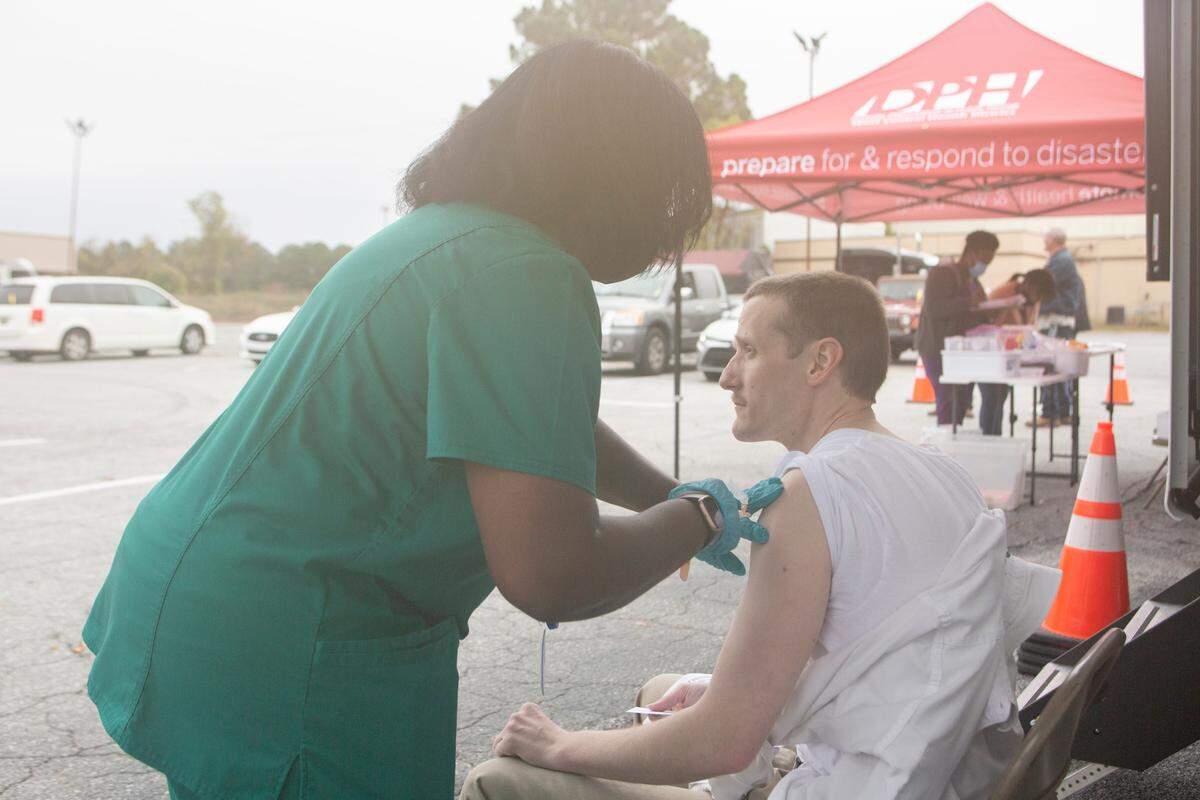
The mayor’s office has not slowed down in its response to the pandemic, Henderson said. For the last 20 months, the mayor’s office has held regular calls with community partners including the school district, area hospitals, the health department and Fort Benning, he said.
After Thanksgiving, officials tracked key metrics like hospitalization rate to watch for a surge of cases, Henderson said. It’s remained low, he said, with the number of local COVID-19 hospitalizations staying in the low 30s.
“We are certainly not going to shut down business,” Henderson said. “As far as a mask mandate, we utilized that last year because we didn’t have the vaccine available. But now that the vaccine’s available, there is a weapon that people can use.”
Local governments are not alone in preparing for another potential surge in COVID-19 cases as the holidays approach and more information about the omicron variant emerges.
Hospitals across the country recently battled their fourth surge of cases and may be preparing for a fifth, said Dr. Jayne Morgan, executive director of the COVID Task Force at Piedmont Healthcare. Hospital officials are concerned about managing fatigue, exhaustion and the mental health of staff and physicians, she said.
Piedmont officials are keeping an eye on the situation, she said, and utilizing the advice of infectious disease experts within their facilities. The hospital also follows guidance from the CDC and Food and Drug Administration.
“I think you can feel very confident that Piedmont will be there to serve you in the absolute best capacity,” she said.
What we know about the omicron variant
It is not yet known how transmissible the omicron variant is, nor the severity of illness it causes or how well vaccines and medications work against it, according to the CDC. The omicron is more transmissible than the original virus, according to the CDC, however scientists are not sure how it compares with the delta variant.
The omicron variant was first detected in South Africa, and the World Health Organization classified it as a variant of concern on Nov. 26. However, the new variant’s unpredictability shouldn’t trigger too much alarm, said Morgan.
The “concern” level of classification means there are questions that have to be answered, Morgan said. If the omicron variant is upgraded to a variant of high consequence, she said, that would mean current treatments and vaccines are not working against it.
There have been breakthrough infections with the omicron variant, but more data is needed before conclusions can be made about the effectiveness of the vaccines, she added.
“If you’re more than six months out from your second dose, we know that your antibody levels are down,” she said. “So, are these technically breakthrough infections, or they ‘you should have gotten a booster to keep your antibody levels up’?”
While scientists investigate how protected fully vaccinated people are from the omicron variant, vaccines remain the best public health measure to prevent COVID-19, slow transmission and reduce the likelihood of new variants, according to the CDC.
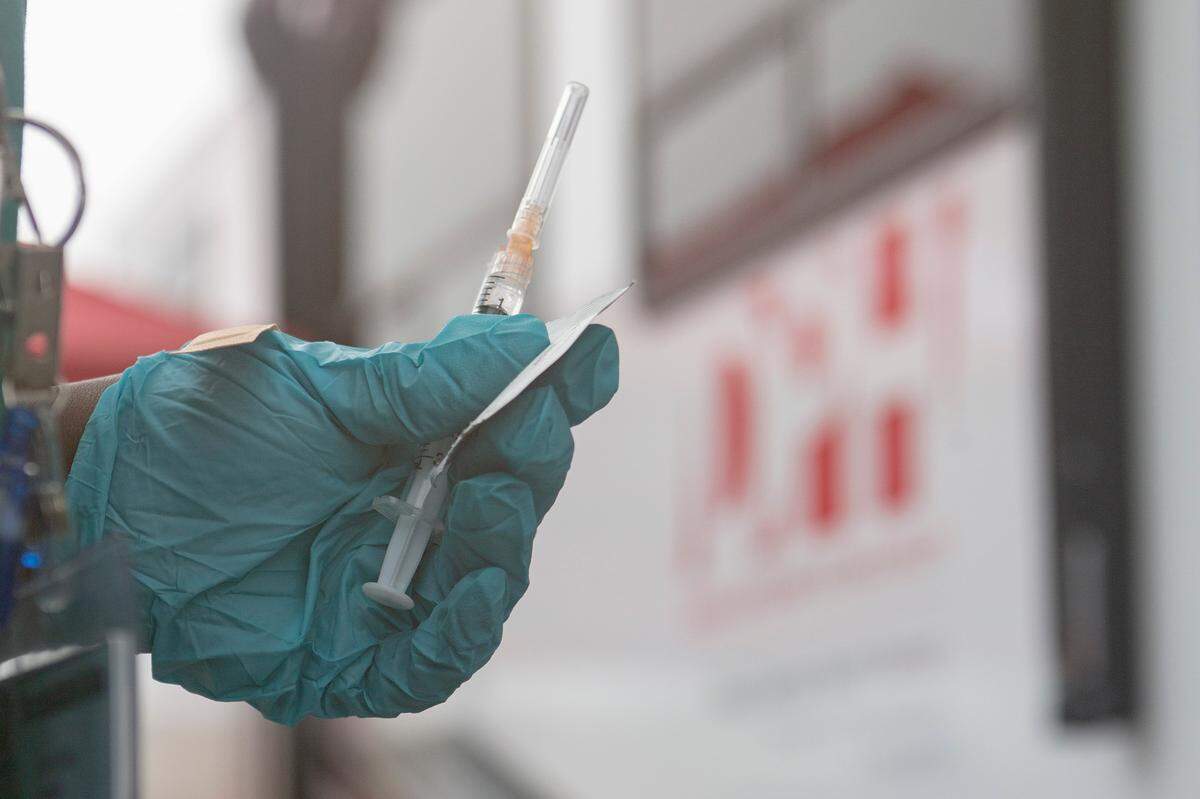
The delta variant is still the main variant circulating in the United States and accounts for 99% of COVID-19 cases in Georgia as of Nov. 30, according to the CDC’s COVID Data Tracker.
The delta variant only rose to the “concern” level because vaccines and monoclonal antibody treatments worked, Morgan said. If the omicron variant becomes a threat, she said, it would be because of pockets of unvaccinated people in the United States and abroad. New variants are created by the continued transmission of COVID-19.
“Eventually, the unvaccinated mutations that develop in Africa or South America or any other country will find us,” she said. “So, we’ve got to think about this in a worldwide sense, truly, of human beings and humanity.”