Columbus doesn’t have a city official to lead sustainability efforts. Could that change?

Fifteen months ago, a group of zealous Columbusites went before Columbus City Council to introduce the idea of the city powered 100% by clean energy by 2035. Council never brought the resolution to a vote and the commitment never came to be.
That group, aptly named Clean Energy Columbus, had 200 signatures in support of the clean energy resolution. Today there are 35 involved members and nine steering committee volunteers who keep pushing for sustainability commitments in the city by engaging with council members and mayor’s office staff. But action and interest from within the city remain unchanged.
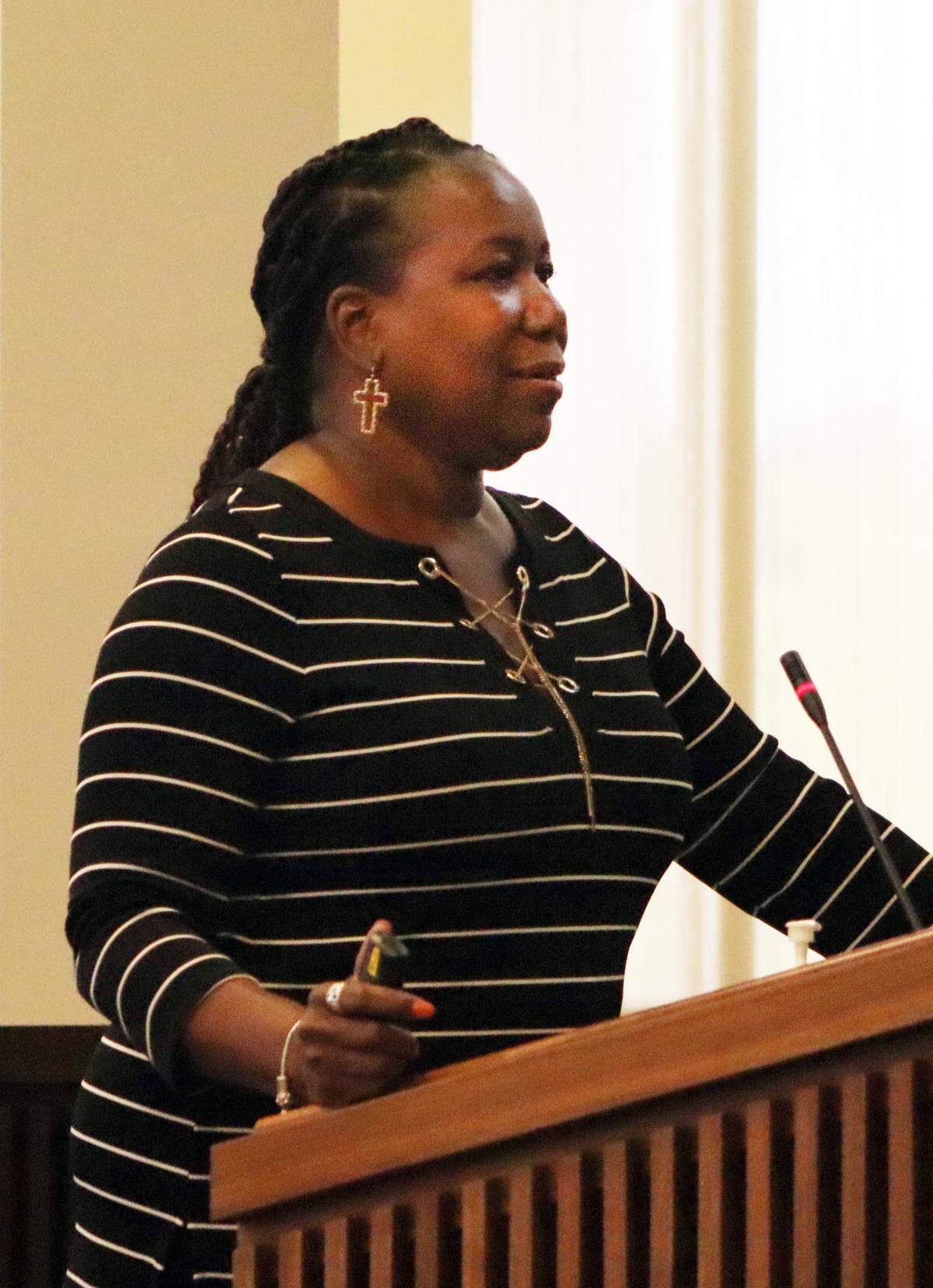
“The needle has not moved (since August 2023),” said Kristin Younguist, current Clean Energy Columbus steering committee leader and science professor at Columbus State University.
Clean Energy Columbus wants Columbus to be a climate-resilient, equitable and sustainable city by implementing solutions such as powering city buildings and operations with clean energy. Reducing greenhouse gas emissions is a powerful way a city can act on climate and embrace resiliency, the group says.
Other mid-sized southern cities are saving money from employing someone at the city whose work is centered around climate change and environmental issues.
Chattanooga, Tennessee – a similar midsized Southern city with a population of 180,000 – has been seen as a case study for a sustainability success story.
Chattanooga created a climate action plan in 2009. Since 2012, the city has reduced raw energy consumption by 29% and saved $2.3 million a year on energy bills from a solar array, Chattanooga Sustainability Director Erik Schmidt said.
About $11.8 million worth of city-funded projects have added new lighting, building automation, electric vehicle charging and more. In that same time, since 2012, the office of sustainability has acquired $4.2 million worth of grant-funded projects for new EVs, reduced diesel emissions, and new energy efficiency measures.
Schmidt, the director of sustainability, makes $91,500 a year. Two project planner and liaisons make $71,000 and $62,000 annually.
Savannah created a Climate Action Plan in 2016, crafted by the sustainability director, Nick Deffley. Deffley was in that role from 2015 to 2020.
In 2020, Savannah adopted a Clean Energy Resolution called 100% Savannah thanks to “a small but vocal group of citizens,” said Alicia Brown, sustainability director of Savannah from 2021 to June 2024.
“There was a city council election that year and they asked candidates running to make this a priority,” Brown said.
The resolution led Savannah to power 19 city buildings with solar, which saved around $300,000, Brown said. That was just 1% of the city’s energy consumption at 1.7 megawatts. But in July, an additional 1.26 megawatts was approved by the council. It would add $1.4 million in savings over 25 years, according to the city.
Brown said her role allowed her to create energy savings performance contracts and apply for environmental justice grants from the Environmental Protection Agency that allowed residents to take advantage of home energy rebates. She also advocated to the Georgia Public Service Commission to expand the income-qualified discount at Georgia Power to include people with disabilities.
The Clean Energy Columbus coalition said that part of a clean energy resolution needs to include a sustainability officer or director within the city to guide these initiatives and help them find funding for it.
“Millions of dollars are being left on the table with federal money available right now,” Younguist said, speaking about funding that stems from the Inflation Reduction Act.
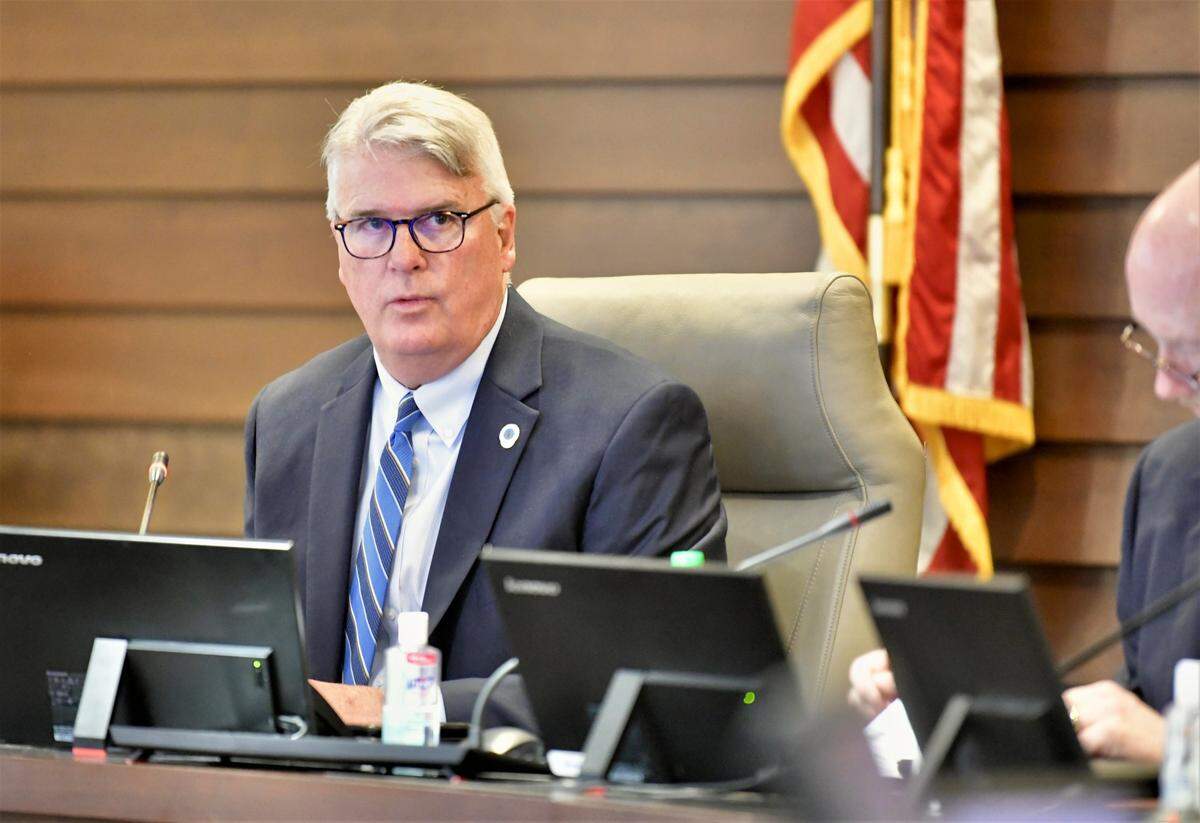
Meg Jamison, who runs the Southeast Sustainability Director Network, has helped some of her 127 southern member communities get federal money for these initiatives. She said some cities don’t need sustainability directors and can get work done through a local constituency group.
“A lot of communities have environmental advocates that play that role,” she said. “There isn’t a one-size-fits-all all approach. Some cities do that really successfully – they just keep doing it that way. I do think having leadership on sustainability is important. They shouldn’t wait to get started if they don’t have that role.”
As it stands, environment and sustainability matters are handled by one of four city departments and two partnering agencies, according to Columbus City Manager Isaiah Hugley.
“The planning, engineering, public works, and METRA/transportation department as well as partner agencies like Columbus Water Works and Health Departments are where environmental matters are handled,” Hugley said in an email in August. He added, “The City may consider a standalone environmental department at a future date.”
Eric Zeemering, a public administration and policy expert and professor at the University of Georgia, said public buy-in is important for the city to take action.
“We need to look at public demand to press concerns with city officials,” Zeemering said. “If it isn’t in the public priority it’s unlikely cities are going to take action.”
Who’s supposed to lead this effort?
In November 2023, two months after the proposal to the council, Clean Energy Columbus tried to circle back with council members. But “momentum died,” Younguist said.
“Members from the group have spoken to the mayor and staff members but communication has been lost,” Younguist said.
A few months ago, Clean Energy Columbus created a survey that showed 90% of respondents wanted Columbus to completely cut greenhouse gas emissions by 2050, which Younguist said mirrors the language of the International Panel on Climate Change.
The respondents said local governments should bear the most responsibility to respond to climate change, followed by businesses, then environmental organizations.
Last month, when prompted, Mayor Skip Henderson told the Ledger-Enquirer he would be interested in issuing a proclamation to create a position that would lead sustainability endeavors throughout the city. He also said he intended to “bring back” the resolution Clean Energy Columbus presented in August 2023 to city council.
“I like the idea of it,” Henderson said. “We do positive things for the environment, but they aren’t consolidated. This could mean good economics for our community in a number of ways while protecting the environment.”

Henderson blamed “confusion” about what the original, 2023 ordinance meeting was asking of the council for never coming to fruition.
Henderson considered creating a liaison, unpaid position for a passionate person that could morph into a permanent staff role, or a paid position out the gate. Either way, he said, there would need to be clear objectives to determine who to bring in.
“In the next couple of weeks I think we could have information distributed about this, there is tremendous opportunity to clear up confusion and bring this back to council,” he said on Nov. 5.
But the city hasn’t addressed any such ordinance or proclamation in city council meetings since then.
The Clean Energy Columbus’ group leadership has fluctuated since then, Younguist said. The steering committee “takes turns leading the group.”
The group, currently led by Younguist, has had several different leaders in just the past year: Troy Keller, department head of the Environmental Science program at Columbus State University, Louisa Childs longtime Columbus resident and lawyer, and then Khristina Gallagher. Gallagher recently had to leave the leadership role as she just opened a bookstore. Younguist said she will soon have to step away as the lead steering member as she will move from part-time to full-time teaching and Keller will take the reins again.
Another issue Younguist and others at Clean Energy Columbus can’t seem to square is why there is a lack of youth in the group. Members of Generation Z and millennials are more active on addressing climate change than older generations, according to Pew Research. But Most of the 37 respondents to Clean Energy Columbus’ survey were in the 40 to 60 age range, and Clean Energy Columbus lacks younger voices and members.
“My students are passionate about these issues,” she said. “But we aren’t able to get them to participate. That age range has been an issue. I’m shocked they don’t participate.”