Columbus residents speak against proposed data center. More project details shared
The Columbus Council heard during its meeting Tuesday night two opposing views about a proposed data center: pause the project and next steps to continue.
Several residents spoke against data centers during the meeting’s public agenda.
“This is too big of a decision to take lightly, and it will impact future generations,” Kaycee Burdett told the council. “We’ve seen communities be negatively impacted by damage to natural waterways, and there is an overall growing concern with generative AI, especially in their use of clean water to maintain hardware temperature and data warehouses.”
Burdett requested proper risk assessment and transparency during this process. She also said the proposed data center’s promised 195 jobs (with salaries ranging between $80,000 and $120,000 per year) equal less than 1% of Columbus’ population.
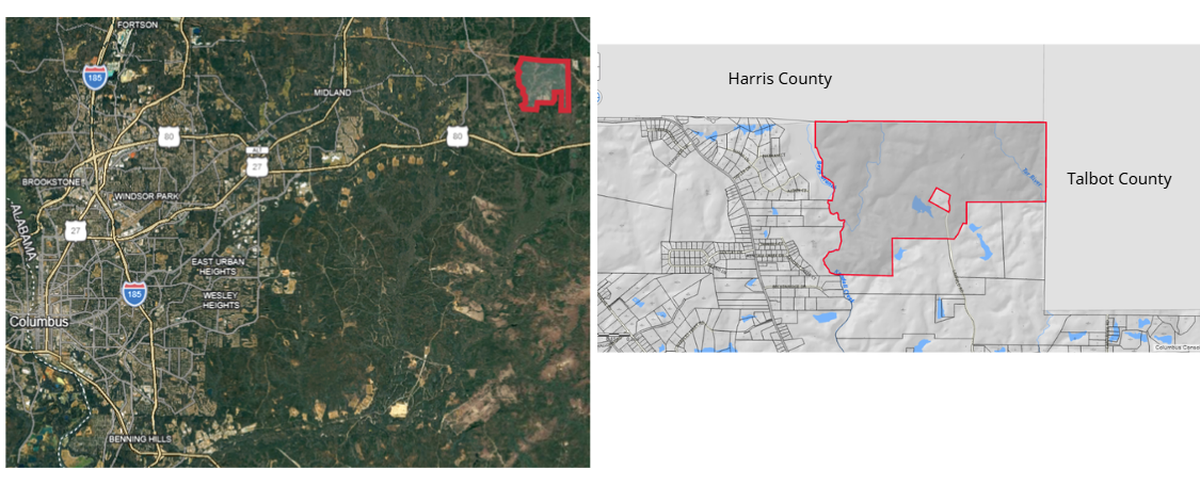
The data center proposal, named Project Ruby, has an estimated cost of $5.18 billion, spanning land acquisition, building construction and equipment installation between 2027 and 2030, according to Choose Columbus. The site selected for the project comprises approximately 900 undeveloped acres in northeast Muscogee County, bordering Harris and Talbot counties.
Troy Keller, chairman of the Environmental Science Department at Columbus State University and a member of Clean Energy Columbus, took the opposition a step further, officially requesting a moratorium for 90 or 180 days on data center development in the city.
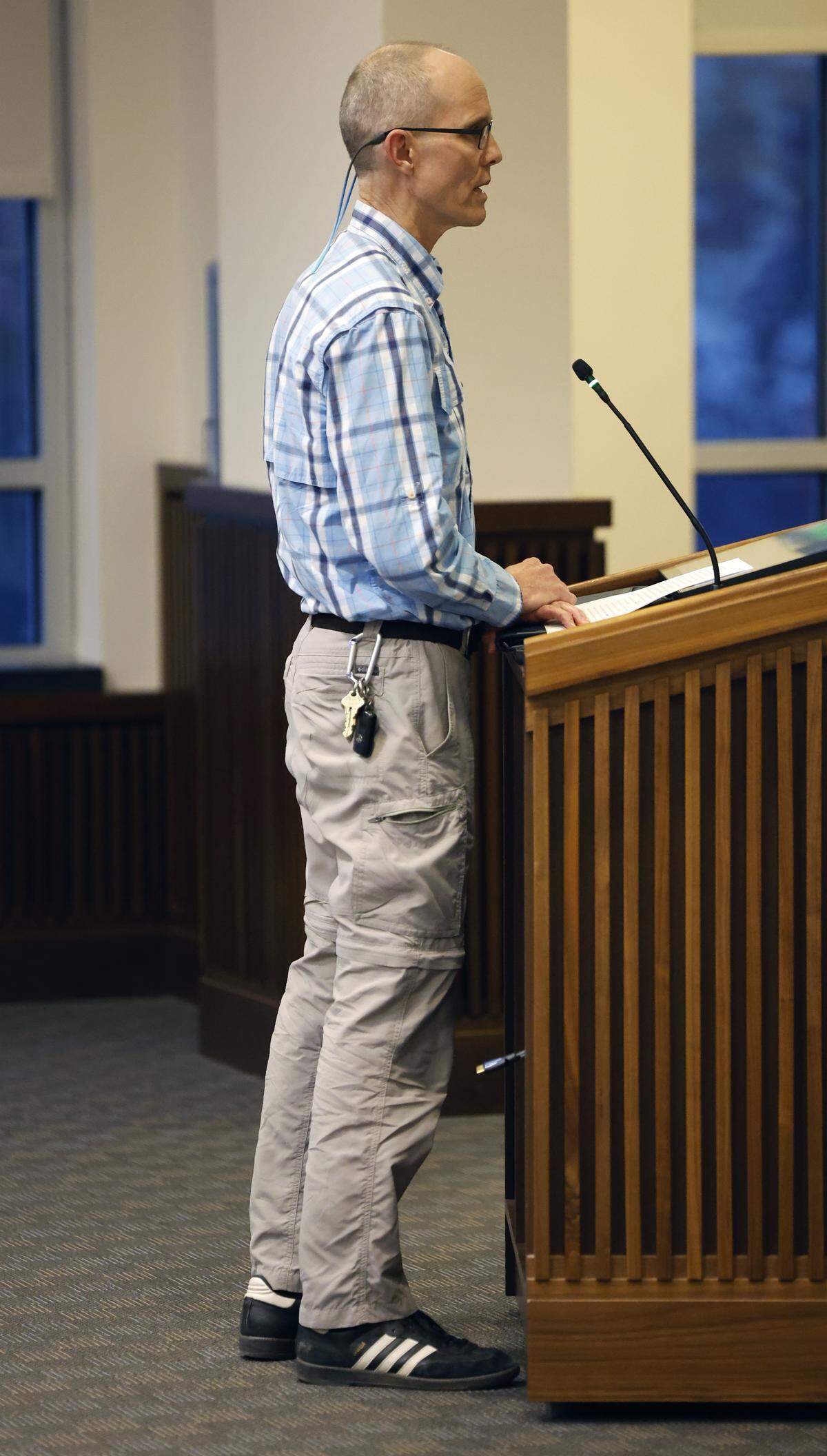
“Given all of the uncertainties associated with data centers, I’d like to suggest four reasons to consider a moratorium,” he said.
Keller listed noise and light pollution to nearby Midland families, a legacy impact on the water and sewer system, the energy strain on the grid that could come at a cost to families and the air pollution that comes along with what the constant power source would be.
So far, dozens of cities and counties across Georgia have created moratoriums on data centers. Georgia state Rep. Ruwa Romman sponsored a bill last month that would put a statewide moratorium on data centers for a year. That bill (HB 1012) is pending in the House.
What do Columbus Councilors think about requested moratorium on data centers?
Columbus Councilor John Anker of citywide District 9 told the Ledger-Enquirer on Wednesday he does not support a moratorium.
“I don’t find it necessary at this point,” Anker said. “This is not a hurried, rushed approach. “
Councilor Charmaine Crabb of District 5 declined to comment when the L-E asked her opinion. The other councilors didn’t reply to the L-E’s request for comment before publication.
After the citizens spoke, Mayor Skip Henderson invited Missy Kendrick, president and CEO of Choose Columbus and the Development Authority of Columbus president, to share the information she has about the proposed data center.
Kendrick disclosed the developers, Habitat Real Estate Partners, originally wanted to do wetland mitigation work on the 900-acres of land near Midland, which was turned down because “market numbers were too soft.”
She said the developers suggested a solar farm, and she turned down that idea because that would clear too many trees, but she welcomed a data center project.
“A data center project would fit perfectly,” she said.
Kendrick noted data centers have been in Columbus since the 1960s.
“I would bet that most of the people in this room cannot tell you where they are,” she said, “and they’re not hidden. “
The TSYS data center was built in 1997 and used 7.5 megawatts of power at 8 Corporate Ridge Parkway, according to Data Center Map. It closed after it was aquired by Global Payments in 2019, Anker told the Ledger-Enquirer.
Other data centers in Columbus are not publicly listed. The Ledger-Enquirer has not heard back from Kendrick about examples of other data centers in Columbus.
“Early data centers did make a lot of noise and did use a lot of water,” Kendrick said during the council meeting. “But, as next generations have come along, they have come up with ways to mitigate some of the factors.”
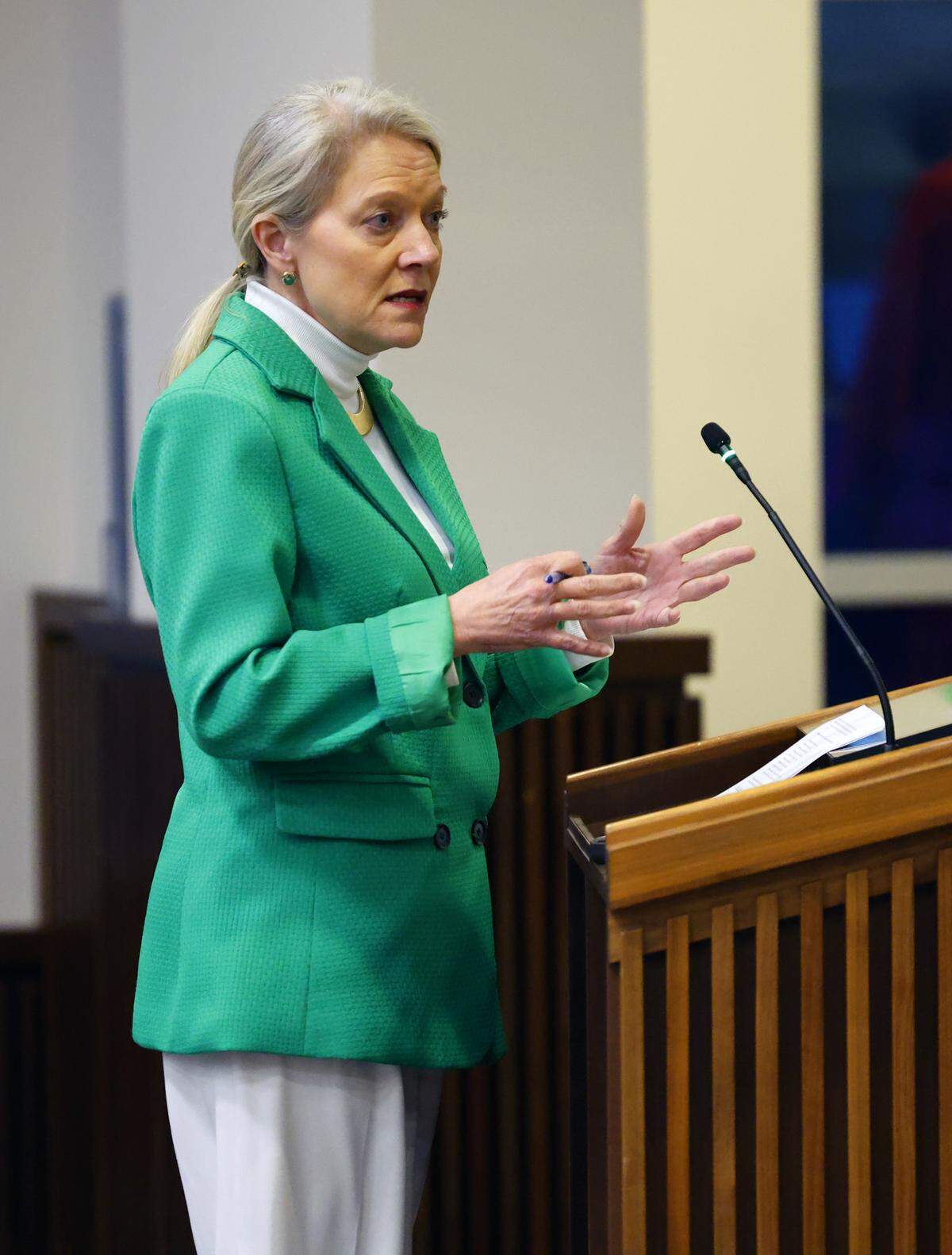
Kendrick said she would like to see the planning committee require the data center to have setbacks, noise ordinances.
“We’d like to see a sound requirement put in the overlay district of minimum 85 megahertz,” she said.
Megahertz are not a measurement of how loud noise is; decibels are. Kendrick has not responded to the L-E’s request regarding the decibels she may have been referring to.
Toward the end of Kendrick’s 20-minute presentation, she emphasized this is the most minimally impacted site she has seen for a data center.
“They are not just going to go in and tear down all of the trees on site,” she said.
This story was originally published February 25, 2026 at 5:34 PM.