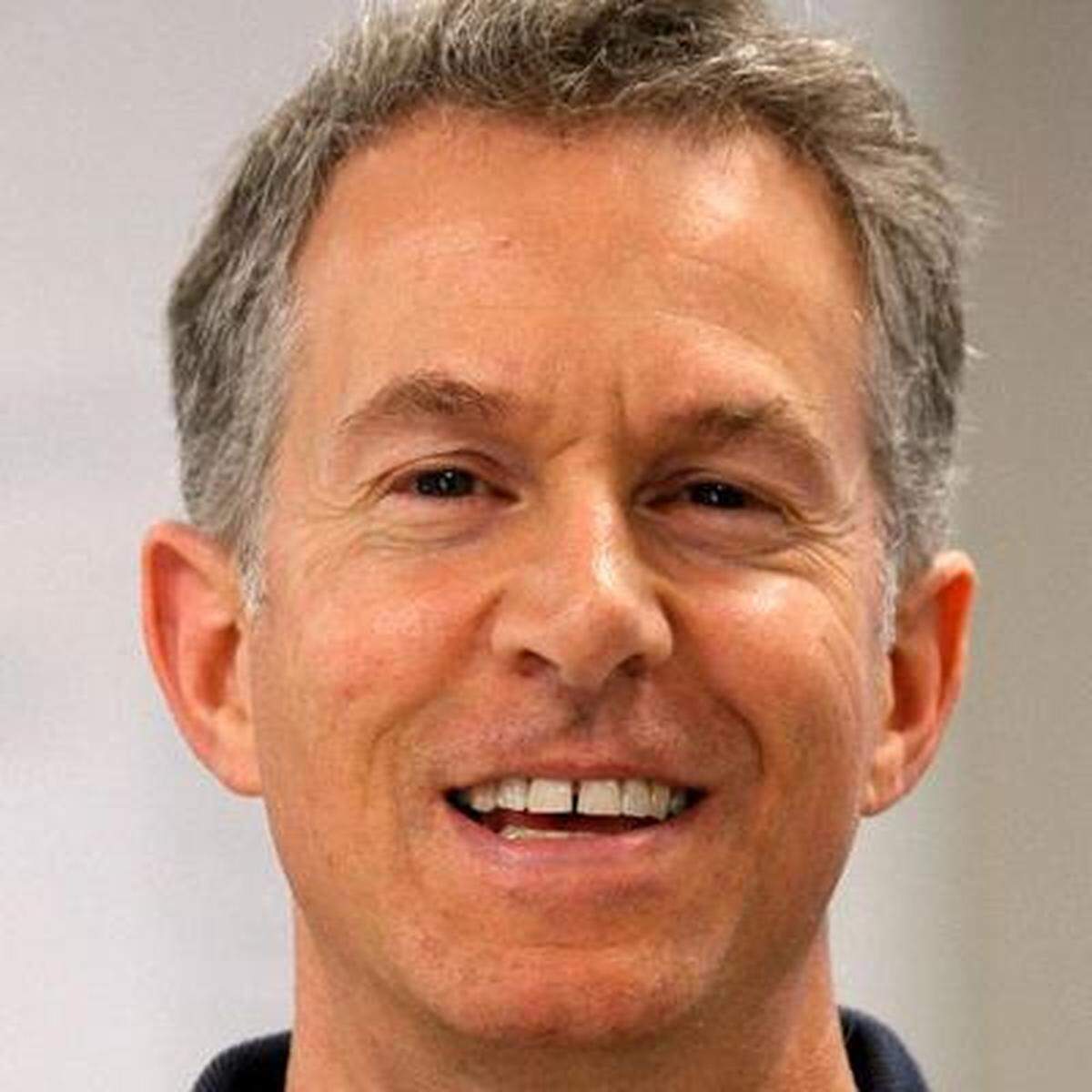
Kenneth Walker’s best friend opens up about the night he was killed by Columbus deputy
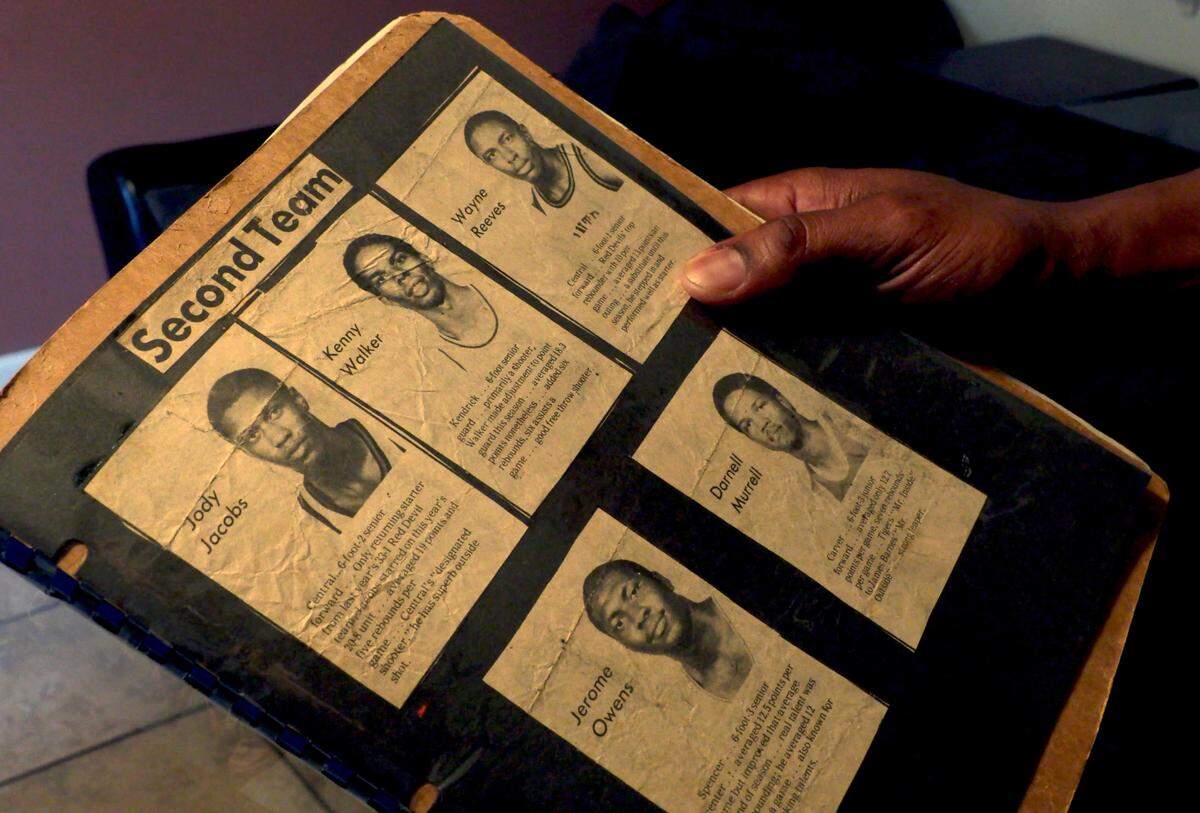
A fire destroyed all except one of the photos Warren Beaulah has of his best friend.
It’s in a scrapbook documenting their selections as Ledger-Enquirer All-Bi-City basketball team members in 1982.
As he flipped through the pages, Beaulah, a graduate of Spencer High School, described Kenneth Walker, a graduate of Kendrick High School.
“He was just a tremendous human being,” Beaulah told the L-E during an interview this month in his east Columbus home. “I mean, he was a guy who would give you the shirt off his back. Anything you needed, he was going to be there to help you.”
They were helpless the night of Dec. 10, 2003, when officers from the Columbus Metro Narcotics Task Force and the Muscogee County Sheriff’s Office stopped Beaulah’s GMC Yukon on I-185, believing the vehicle contained armed drug dealers from Miami. Beaulah and Walker were 39 years old at the time.
David Glisson, a white sheriff’s deputy, fatally shot Walker with two rounds from a submachine gun as the officers pulled the four Black men from the SUV.
No guns or drugs were found. The driver and three passengers were from Columbus.
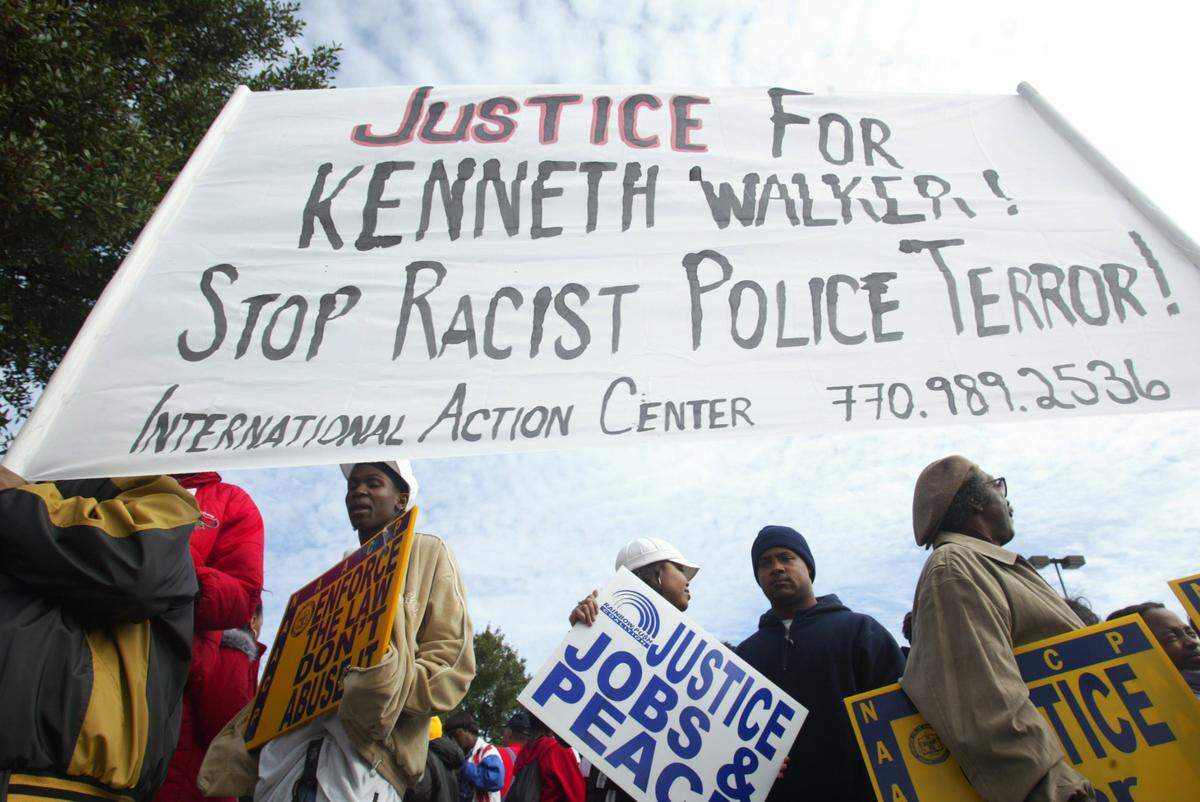
Glisson was fired but wasn’t indicted. Lawsuits were filed and settled on behalf of the Walker family, Beaulah and the two other passengers.
Now, 17 years later, Beaulah has agreed to talk about what happened that night, motivated by the recent killing of George Floyd in Minneapolis, another unarmed Black man killed by a white law enforcement officer.
Beaulah, 56, who retired at the end of this past semester after 25 years as a physical education teacher and 15 seasons as head boys basketball coach at Carver High School, also shared the advice he has given his students and sons — and why he is optimistic about improved relations between law enforcement and the Black community.
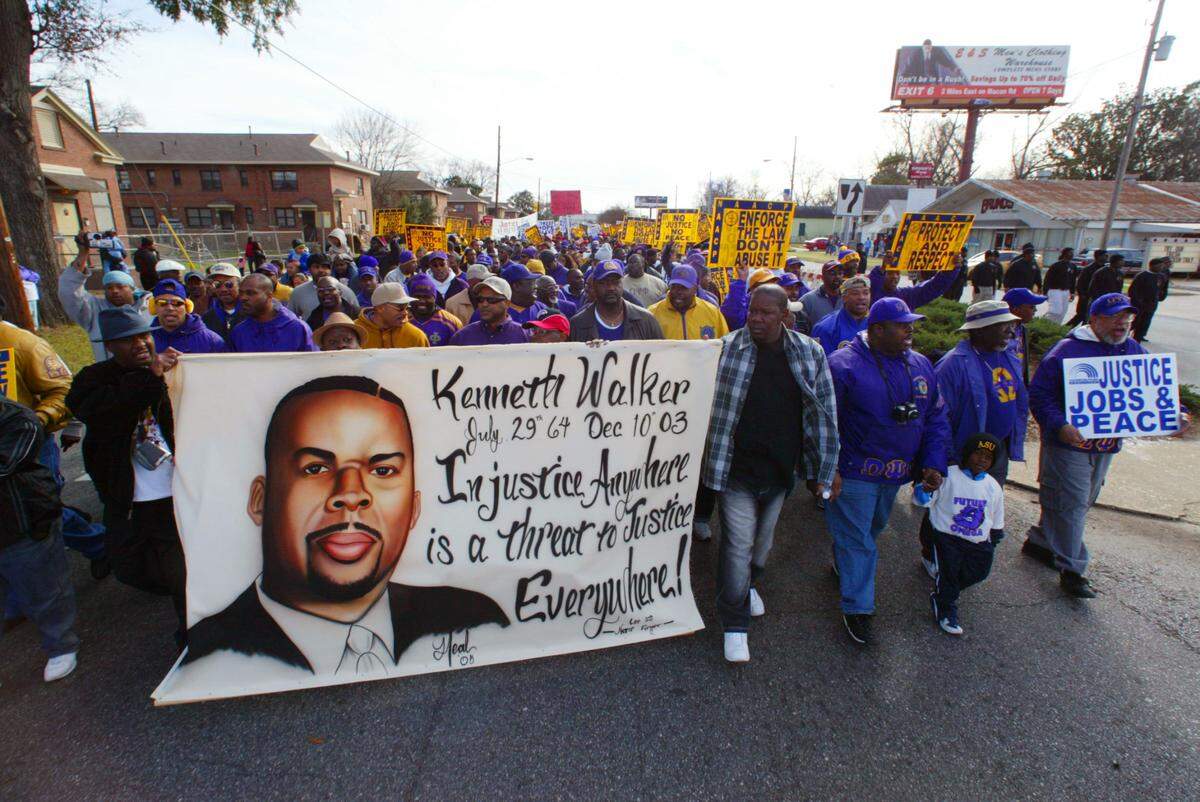
Here are excerpts from that interview, edited for brevity and clarity:
Why are you willing to do this interview now?
“There’s a couple of reasons. One of them is that I did have a close friend that was killed. The situations were not identical (to George Floyd), but at the end of the day, you still had a person that lost his life, and he had a mother who lost her son, and he had a wife who lost her husband, and he had a daughter who lost her father. So it’s kind of tough. Every time I see this repeat itself, it kind of opens that wound of what happened 17 years ago. Not again. … It’s not ever going away unless we all come together and make sure this thing doesn’t happen anymore.”
What do you remember happening that night 17 years ago?
It was their friend group’s regular Wednesday night out. They started the evening at Applebee’s and stopped at another friend’s apartment on the way to El Vaquero.
“We were riding on the bypass, and the next thing you know, we were surrounded by police cars. … From what I understand, maybe the officer that shot Kenny shouldn’t have had his finger on the trigger. … Just like George Floyd, he will never go home. … I saw a whole different scenario. The end result was the same. But I really think what happened to (Kenneth) was an accident that should never have happened.”
When you saw the police lights while driving down I-185 and you pull over, what are you thinking?
“It was like almost I’m in panic mode, because I really don’t know what’s going on, and everybody in the car’s like, ‘What in the world is happening?’ … It happened so fast. You just see lights behind us, lights in front of us, lights on the side of us. It’s almost like they corralled us. When they pulled us over, my car wasn’t even at a full stop. I put it in park, and before we could even take our seat belts off, they were kind of pulling us out of the car. It was (Beaulah snaps his fingers five times). It was happening that fast.”
Did anyone resist?
“Nobody even attempted to resist.”
What’s going through your mind when you’re on the ground?
“What’s happening? Why are we getting all this attention? … You kind of want to pull away or see what’s going on, but you’ve got guns pointed to your head. … What did somebody do in this car? Now I’m starting to think, ‘Is somebody here wanted that I don’t know about?’ I know these guys pretty good.”
You were face down?
“I was face down on the side of the emergency lane. As a matter of fact, me and the guy behind, we were close to the street. When the cars passed, you could just feel the air. … What if somebody could hit me, because I’m kind of laying pretty close to being in the road? So that was another kind of scary ordeal.”
Did any law enforcement officers put their hands on you?
“They did, but it was not to the point where I would say they was like using excessive force. They had a knee in your back. They put the handcuffs on. They cuffed you kind of tight. But, you know, I understood pretty much why they were doing that. I just didn’t understand why the whole thing happened.”
You got out of the car under your own power?
“They physically pulled me out of the car. … I had my seat belt on, and the seat belt kind of wouldn’t let me go. I was like trying to get it off. I guess the more the seat belt grabbed me, they felt like I was trying to resist. I was able to get mine out. Now, Kenny’s situation, I think his seat belt had kind of got caught, and I don’t know if that gave them probably the mindset that he was resisting.”
Were you still on the ground when you heard the gunfire?
“Yes. I was on the ground, face down on the ground. When the gunshot went off, … I didn’t know where the bullet had went or nothing. I didn’t feel anything. Then when they got us all up and they started talking, they put us in the little van, and Kenny was still on the ground, that’s when we knew. Actually, the guy in the back, my friend in the back, said they shot Kenny, because he was looking at his face and he sees his eyes just close.”
What were you thinking and feeling?
“For what? I mean, why? You just get a little frustrated, but there’s really nothing you can do because, you know, you don’t want the same thing to happen to you or another one of your friends. So you just kind of go numb. … It was kind of traumatic.”
How did the law enforcement officers react?
“At first, I think it was just a lot of confusion. When the gunshot went off, I don’t believe that was on purpose because a couple of them even, you saw (on the dashcam video) them jump like it startled them. … It was an intense, scary situation.”
What questions were they asking you?
“They was trying to find out, ‘Where are you coming from? Where are you going? Whatcha been doing?’ Even when they got us to the sheriff’s department, they were really like, ‘Well, y’all were coming from an area where we had been watching. The car you was driving fit the description.’ … The whole thing to me was like it should have been handled a whole different way.”
Were you ever at the apartment they had under surveillance?
“We did go to that home that night. We was going from the Applebee’s to pick up a friend. He had a little video he was selling to one of the guys. So we went up there, he did what he had to do, and we got back in the truck and left. So I don’t know if the guy that was supposed to be doing some kind of whatever it was — drug transaction — came before or after us. We end up some kind of way being the target.”
Do you think race was involved in their decision?
“You have to say to a certain extent. And the reason I say that, I think that if it had been four Caucasians in the car, all four of them would have went home. I don’t think it would have been as physical and as threatening.”
So did Kenneth Walker die that night because he was Black?
“Quite possibly. I can’t say 100%, but quite possibly. … I do believe in our police and the job they’re doing. I couldn’t do it. But sometimes, being African American, just seeing sometimes the way they come in contact with an African American, … they handle them differently. That’s the part that I think really has to be addressed. There’s an old saying: Treat people like the way you want to be treated, and that’s what I think a lot of times they miss out on.”
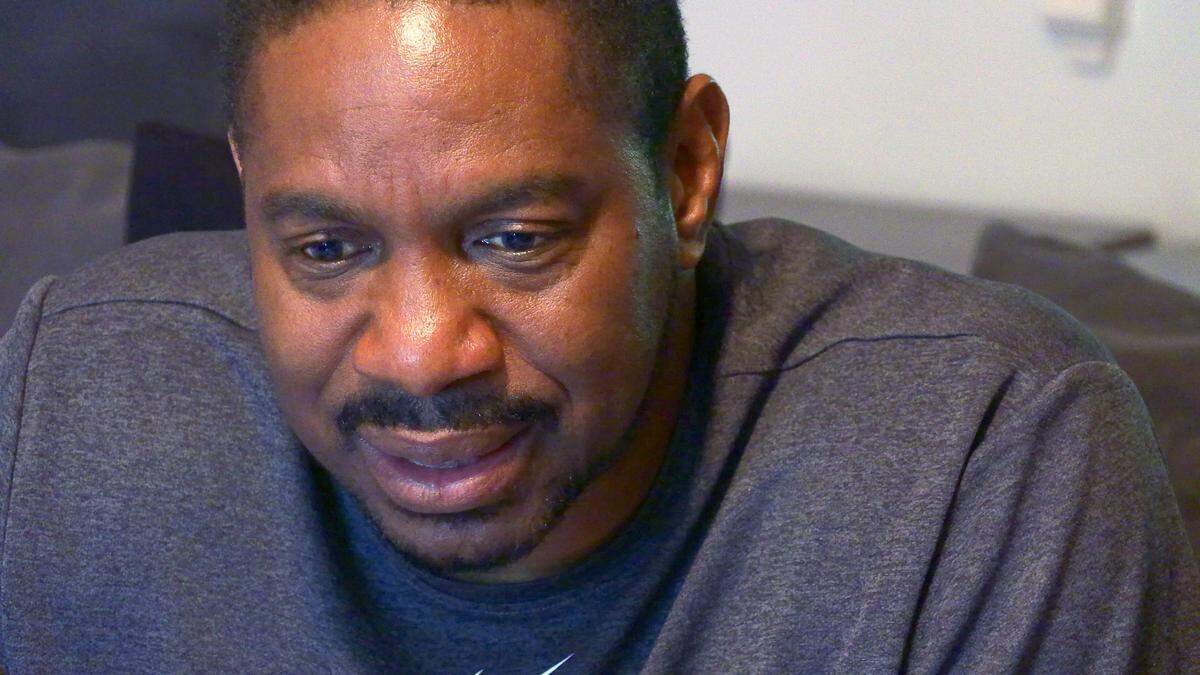
What does it do to your soul to say that?
“It really burns — well, it hurts. … It burns a hole in it. … Even 17 years later, I really just don’t try to think about it, … but maybe it was time to say something about it, because when I see all this going on, it kind of came back down on me.”
What do you tell your (three) sons about how to interact with law enforcement?
“If the police pull you over, just, I mean, I don’t care, just ‘yes sir, no sir.’ Don’t make no quick moves. … Not all (law enforcement officers) are bad, and not all of them are racist, but it seems to be an intimidation thing. If you’re African American, especially male — and sometimes we bring it on ourselves by some of the things we do — you better comply. If not, your life could be in danger. … My youngest son, 23, he has that young mentality that, you know, ‘Why do I got to fear for my life if I’m not doing anything?’ That ain’t the way to think. And it’s bad when you have to tell your son that, as an African American male, you don’t want to behave like that because you could be the next one to be killed for probably no reason. It’s crazy, but it’s reality.”
What did you tell your students and players after Kenneth Walker was killed? What do you tell them now after George Floyd was killed?
“Some of the same things I was saying back then, in 2003 and 2004, when I was telling some of the young African American males, trying to explain to them the dos and the don’ts when it comes to encounters with the police are some of the same things that I was telling them this year when I was going to retire. … Hopefully, with this George Floyd incident, a lot of people are opening their eyes up and saying there is some difference out there. In all cases, are they racial? Probably not. But those encounters that are, sometimes they’re going to turn out deadly, and that’s the part we don’t want to see. I don’t think we’re going to be able to get rid of racism as a total, but you’ve got to weed out as many as you can, especially in positions like police officers.”
How did you learn about the killing of George Floyd, and how did you react?
“Coach (Anson) Hundley, our girls basketball coach, … he showed me (the video) … We looked at that thing the whole time, and I just shook my head and said, ‘That’s unbelievable. That has to be an angry person.’ I actually called him (the police officer) a monster. That right there makes no sense. You could hear him (Floyd) say, ‘I can’t breathe.’ That was kind of scary.”
Did you flash back to the Kenneth Walker shooting?
“I said, ‘Man, there they go again.’ With me, that’s Kenny Walker. Now, that’s George Floyd. Somebody else died at the hands of police.”
We’re not getting better?
“The majority of the guys that are out there that are policemen in our community, they do well. Their motto is to protect and serve. They do an excellent job. But there’s going to be those bad apples. … You treat people like dirt, that’s what you’re going to get back.”
Did you participate in any of the protests after the killing of George Floyd?
“I didn’t march this time. When Kenny’s situation took place, I did line up at the Civic Center. We marched to the courthouse. But this time, I was like, ‘You know what? These young people, they’re seeing what’s going on, and hopefully they’ll go out there and express themselves in a civilized manner,’ which they did in Columbus. … Hopefully, they will enact laws and pass bills — the chokeholds and some of the things that police are allowed to do — maybe they can bring that to an end and we can find a way to better interact and stop people from losing their life for no apparent reason. I know they say he (Floyd) had a counterfeit $20 bill or he might have been on some drug, but it wasn’t enough to lose your life for.”
What would you like to see changed, understanding your experience? What could be constructive through all this pain?
“Just the interaction, more mutual respect. I know (the police) got a tough job. I just think, if you treat people a little bit better, you’re going to get better results.”
Is Columbus better or worse or the same compared to what you see portrayed nationally in terms of police and Black community relations?
“I would say probably the same. I don’t think we’re worse. I think we’re getting better because we have pretty good people in leadership positions. They really care about the community.”
Why did you agree to settle your lawsuit?
“I was just ready to move forward.”
Even at the risk of justice not being served?
“I’m not going to go that far, because I was hoping justice was served. Even though the police officer wasn’t indicted, I think he (was fired) or whatever, so he was gone. I think the Walker family, they settled for a good deal more than we did. Money can never bring back a life, but at least the daughter was going to probably be taken care of. That was like, for me, that was a good thing.”
How long did it take you to not think about it every day?
“Honestly, I don’t think I ever got to the point where I didn’t think about it. I just suppress it more. Every time I ride the bypass, I see Kenny Walker. Sometimes I take another route. … It’s just something that probably is going to be with me and haunt me to a certain extent the rest of my life. … I can deal with it pretty good, but it’s just something that sometimes is more vivid than others.”
Did you or anyone in that car do anything wrong that night?
“Not — absolutely — anything wrong that night. And the crazy thing about it is, when they finally talked to us, I can remember one of the sheriff’s (deputies) telling me, ‘My friend, my partner, just shot and killed somebody.’ And I said, ‘Yes, the guy that your friend shot and killed was my best friend. Your friend is going home tonight; my friend is never going home.’ And then, after so long, when they let us go, they just let us go — I mean, without explaining. We still didn’t know the gist of what was going on.”
The advice you gave your students and your sons is to just comply with the officers, but Kenny didn’t go home that night. So, if I’m a young man hearing that advice, I’m saying, “That can’t be the answer because it didn’t work out.” I’m saying, “Coach, you’ve got to give me something more. Where’s the hope?”
“It’s not that it didn’t work that night, but I guarantee you that we would have a whole lot of other Kenny Walker cases out there if you decide you don’t want to comply. That’s going to increase the tension. … We want to de-escalate the situation. We don’t want to inflame it. So sometimes you’ve just got to be the bigger person. … That’s kind of hard for a young Black male to do, especially when they think they’re right. If you’re not injured or killed, you can always move on to correct what happened. So you want to comply to be able to contact an attorney or call the sergeant or the chief and complain. … But hopefully this thing will get better, and we won’t have to worry about fearing being stopped or pulled over by the police.”
How can white people make the situation better?
“Maybe the parents are going to have to start telling them (their children) the same thing: ‘You’re dealing with other human beings. They may not look like you. They may not talk like you. They may not walk like you. But they are human beings, and we’ve got to respect each other.’ And I think that, once we start respecting each other as human beings, I think that will actually help address some of the problems we may have later on in life. Now, you’re a law enforcement officer. You aren’t supposed to protect a certain one race; you’re supposed to protect all races. So I just think everybody probably needs to sit down and have a conversation, no matter what color they are.”
Did the killing of George Floyd make you more dismayed because, in 17 years, we haven’t learned anything and maybe the issue has gotten worse?
“Actually, it just seems — and I’m not talking about the rioting and the looting — but just seeing the younger people get out there and just kind of protest and just saying, ‘We’re not going to take this anymore. It’s time to really just stop talking about it, and we just need some changes.’ You know, I feel a little better. It looks like, this time, there are more politicians that are white — I noticed they took a knee for him for 8 seconds — that are saying it is time to look at policies and we need to make some changes. We need to hold police officers more accountable. … I’m kind of optimistic and positive about what’s going on. You hate to see it come to a man losing his life, but hopefully something good will come out of it.”
This story was originally published June 25, 2020 at 7:00 AM.