
What does MLK Day mean to you? Columbus community leaders share their thoughts
As our nation observes the 40th anniversary of the legislation that established the federal holiday honoring the late Rev. Martin Luther King Jr., the King Center in Atlanta notes that African Americans achieved “more genuine progress toward racial equality” in the 13 years (1955-68) MLK led the civil rights movement than the previous 350 years.
To mark the moment this year, the Ledger-Enquirer asked Columbus community leaders what MLK Day means to them. For one, it’s a reminder of “the first time, as a child, I saw my father cry.” For another, “It means possibility. It means growth. It means one person is enough.”
And he did it with words and actions that displayed his philosophy of nonviolence.
MLK’s impact
King started his prominence as a civil rights leader in 1955 as the spokesman for the bus boycott in Montgomery, Alabama, which culminated 318 days later with the U.S. Supreme Court ruling that declared racial segregation on public transportation is unconstitutional.
In 1963, King led a protest against police brutality in Birmingham, Alabama, where he wrote his “Letter from a Birmingham Jail” that became his manifesto of nonviolent civil disobedience.
Also in 1963, King delivered his famous “I Have a Dream” speech on the national mall in Washington, where he expressed his hope for a country in which people aren’t “judged by the color of their skin but by the content of their character.”
In 1964, King was 35 years old when he became the youngest person to win the Nobel Peace Prize.
Also in 1964, the movement King led helped motivate Congress to pass the Civil Rights Act, outlawing discrimination on the basis of race, color, religion, sex or national origin.
In 1965, King led a march for voting rights from Selma, Alabama, to the state capitol in Montgomery. That summer, Congress passed the Voting Rights Act, outlawing discriminatory practices, such as poll taxes and literacy tests, that kept Blacks from participating in elections.
On April 4, 1968, King was assassinated at the Lorraine Motel in Memphis, Tennessee. James Earl Ray was convicted of the murder.
Four days later, U.S. Rep. John Conyers of Michigan introduced legislation to establish a federal holiday honoring King. It took 15 years before Congress approved. President Ronald Reagan signed the legislation in 1983, declaring the third Monday in January as the federal holiday to be near the anniversary of King’s Jan. 15 birthday each year. The federal holiday first was observed in 1986.
Here are more excerpts from Columbus community leaders reflecting on what MLK Day means to them:
Wane Hailes
President of Columbus NAACP chapter and president/publisher of Courier Eco Latino newspaper.
“For me, the day of celebration for Dr. Martin Luther King Jr. is a reminder of the first time, as a child, I saw my father cry,” Hailes said.
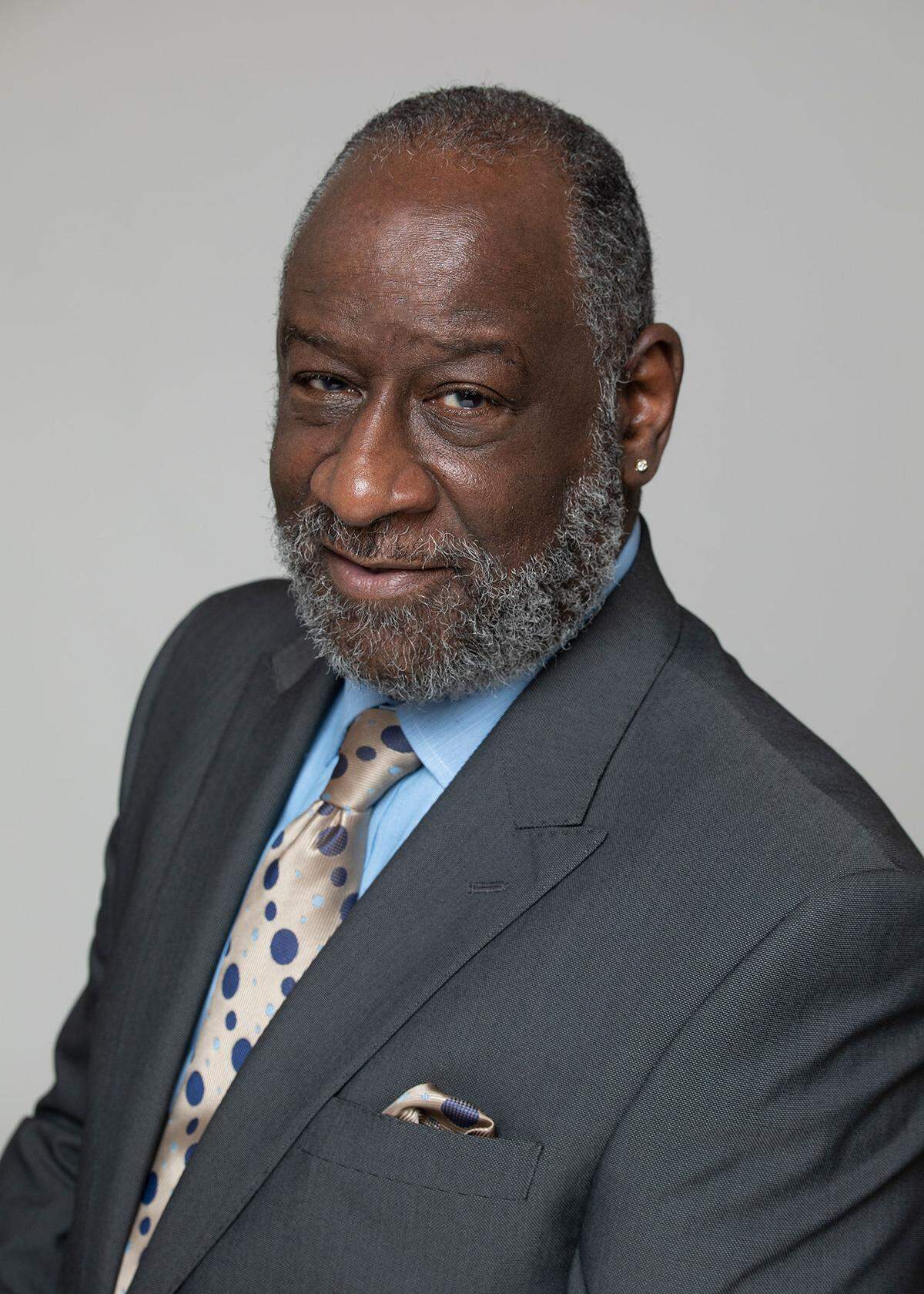
They were watching TV when they learned King was assassinated as Walter Cronkite, then the anchor of the CBS Evening News, announced the tragic event.
“As a 13-year-old who always looked upon his father, a Baptist minister, as a strong Black man, it had a lasting impact on my life,” Hailes said. “As I look back over my life and reflect on my current involvement with the NAACP and the importance of providing a publication that informs, educates and inspires my people, I understand how that fateful evening has profoundly molded me into who I am today.”
That’s why Hailes considers the MLK holiday as a “day on, not a day off.” King’s “I’ve Been to The Mountaintop” speech continues to motivate him to “educate my people that King advocated for economic empowerment.”
Lajuene Black
Media specialist and magnet coordinator at Spencer High School.
“It means possibility,” Black said. “It means growth. It means one person is enough. He was enough to do the mighty big job of opening people’s eyes to see that Black people are human.”
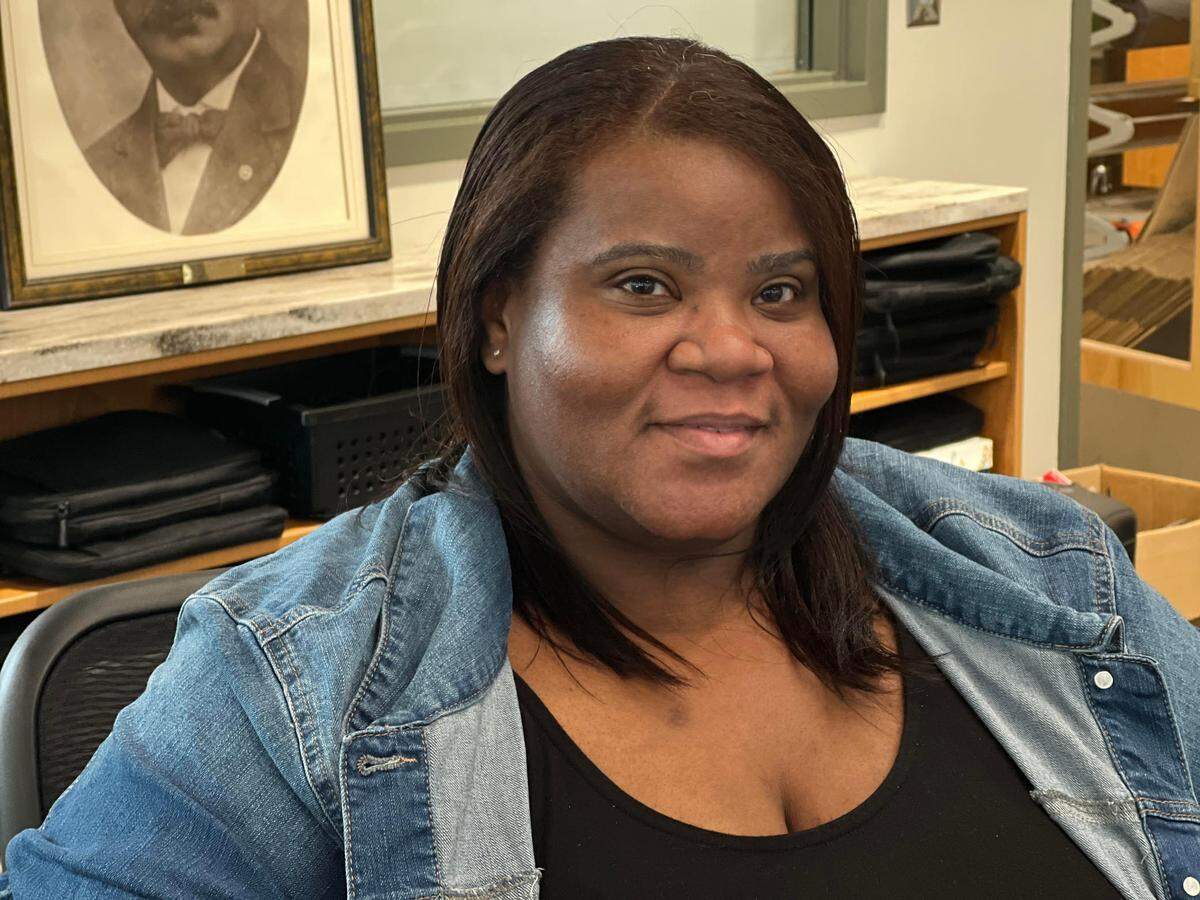
Black’s first college degree is in history. This background allows her to appreciate how “powerful and hard it was for Black people to learn to read — let alone try to make a difference for everyone in the United States,” she said.
King helped people in this country see that Black people, especially Black students, deserve the same things that everyone else deserves.
MLK Day means “everlasting possibilities,” Black said.
Talisha Austin
Elections and operations manager, the Muscogee County Office of Elections and Registrations.
Austin is 43, too young to remember Martin Luther King Jr., but the civil rights he fought for are a part of her daily life working for the Muscogee County Office of Elections and Registrations, where she hears from older voters who cherish the right they once were denied, because of their race.
“We have our seasoned voters that come in and talk about about back in the day, a lot of things they weren’t able to do, and how far we’ve come,” she said during an interview in her office at the City Service Center off Macon Road.
In the lobby, the portrait of another civil rights icon hangs on the wall: Primus King, the Columbus minister who endured threats and harassment as the plaintiff in a federal lawsuit that ended Georgia’s whites-only Democratic Primary, in 1946.
Of Martin Luther King Jr. Day, she said, “I can remember when it wasn’t a holiday, so when it became a holiday, I remember the celebration.... This is a proud moment for everybody, I felt like.”
It reminds her that her job is crucial to democracy, she said: “We have different nationalities in our office, different dynamics, everything, and we’re all are here for one thing, the right to vote.”
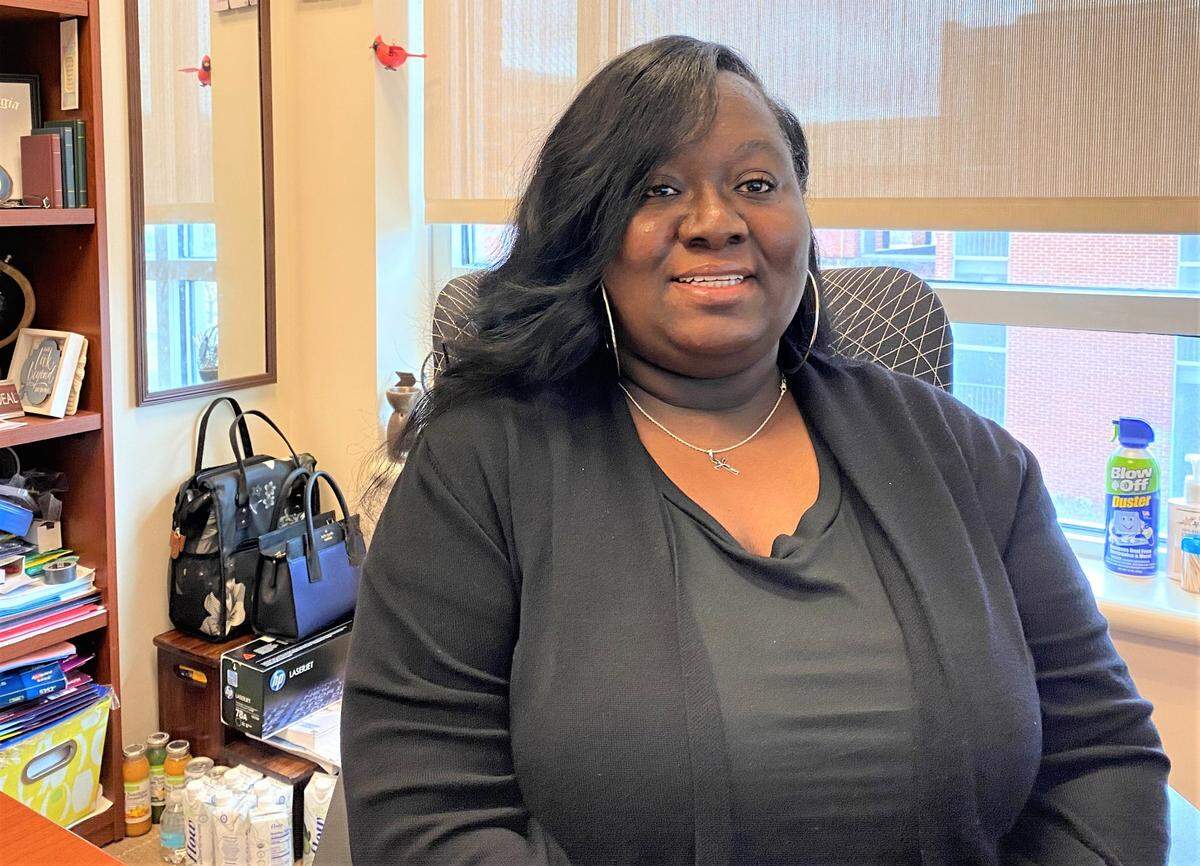
The mother of three daughters now ages 28, 23, and 20, Austin started as a part-timer at the elections office in 2007, and was hired full-time in 2010. She became a manager in July 2021.
“MLK Day is not just a day off work. It is an opportunity for me to evaluate how I have grown and changed over the past year as well as acceptance of what life has to offer. I think of my grandparents who couldn’t see the fruits of what they fought for, and I see it as a bridge from the past to the future,” she said, adding:
“Like Martin Luther King, I have a dream that my three girls will live in a nation where they are not ‘judged by the color of their skin, but by the content of their character.’ It is my job to ensure that happens by being strong and honest in my own beliefs and having faith. I am encouraged to keep fighting the good fight and not giving up.”
Pythias “Pete” Temesgen
Muscogee County State Court judge.
Georgia Gov. Brian Kemp appointed Temesgen a Muscogee State Court judge in April 2022. Before that, Temesgen was in private practice with the law firm Huff, Powell and Bailey, having previously served as an assistant district attorney for the six-county Chattahoochee Judicial Circuit that includes Columbus.
“When I reflect on the legacy of the Reverend Dr. Martin Luther King Jr. ... I admire his love of life-long learning and take special pride in the fact that we both obtained a graduate degree from Boston University. I think of how he, as a husband and father, was called to serve the community at large, and the personal sacrifices that life often entailed,” Temesgen said.
“By his example, I am reminded that no one is too young or too old to serve others. I am always amazed remembering that Dr. King was in his 20s and 30s when he courageously led the civil rights movement; he was only 35 when he was awarded the Nobel Peace Prize. Of course, his life also teaches that recognition is not the reward for a life of service. It was not until 1983, more than fifteen years after his assassination, that our nation began marking his birthday as a national holiday.... The holiday was then designated as one of community service and interracial cooperation in 1994,” he added.
“Now in 2023, I believe I can best celebrate and honor his life and work by being committed to his mission to uplift all parts of our community. I remain committed to walk in his legacy on the path to ensure equity, fairness, love, and mutual respect.”
Reporters Mark Rice, Brittany McGee and Tim Chitwood contributed to this story.