Georgia delegates may help Kamala Harris get Democratic presidential nomination. Who are they?
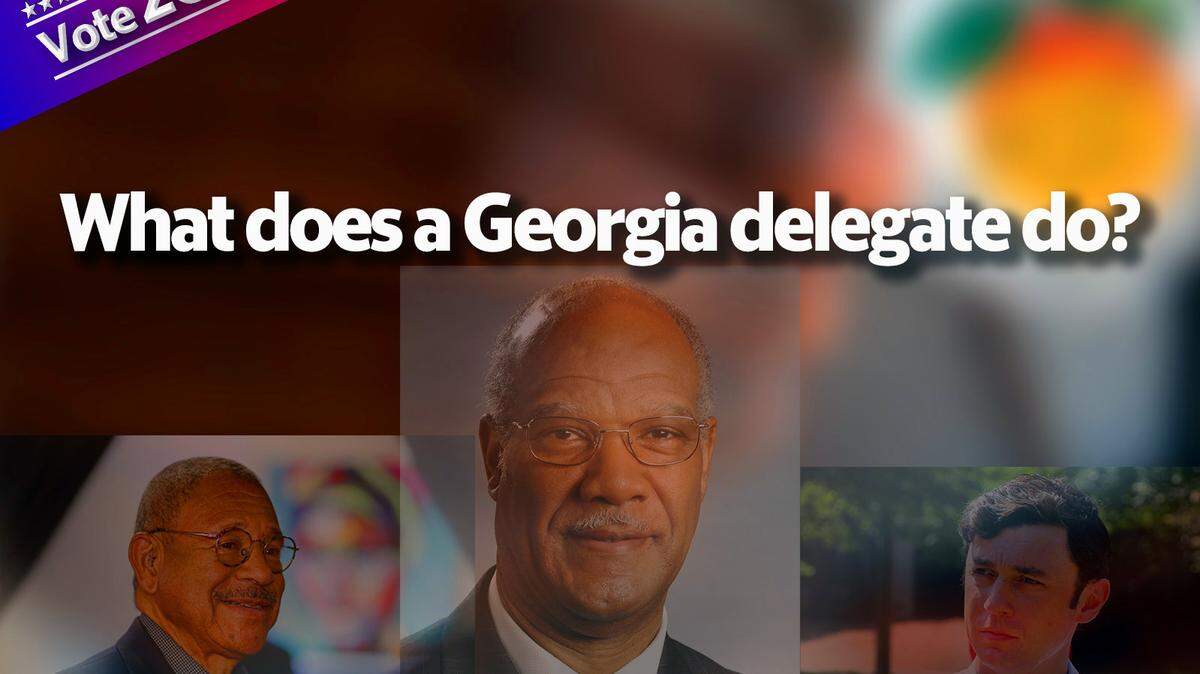
It has been an eventful few days, with President Biden stepping down as the nominee, and it has launched a national conversation about our country’s delegation system.
Although both parties have had a national convention in every election year, as a voting public, we haven’t really had to think about what a delegate actually does or how the delegation system works.
Ostensibly, the Democratic delegates will choose a nominee in August, but America is in unprecedented times, says Georgia Assembly State Representative Teddy Reese. He told the Ledger-Enquirer that despite the upset over the weekend that the Democrats of Georgia are “working on [deciding on a nominee] currently.”
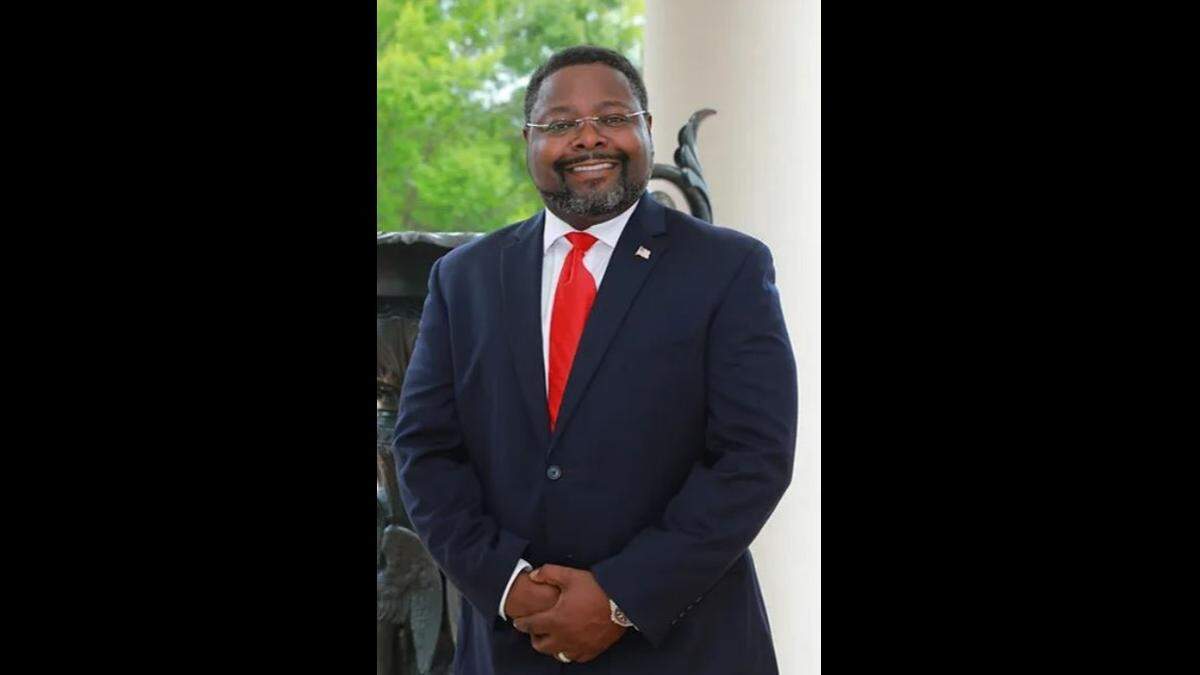
He went on to say that Georgia, along with the rest of the states, have their work cut out for them because the process has been upended after Biden’s withdrawal and finding a replacement is “a tight operation.”
Now, with the future of the Democratic party up in the air and Vice President Kamala Harris poised to accept the nomination, it is time to take a closer look at the delegation system and what role it could play in the 2024 election.
Here’s a look at some common questions about America’s national convention process.
What is the purpose of a National Convention?
The primary purpose of the national convention, according to the official US government website, is to choose a nominee for president. The nominee will typically outline the party’s platform and adopt rules for the party’s activities.
Unofficially, the conventions serve to rally and unify the party and generate enthusiasm for the candidates as they approach the general election.
They are held in different cities across the US and to be considered cities have to submit a bid and proposal. There are only about 30 cities in the country that have the necessary infrastructure to host them, including Chicago for the upcoming Democratic National Convention, and Milwaukee for the RNC.
Why is there more than one type of delegate?
Georgia sends 125 delegates and nine alternates to the convention. You must be a registered Democrat and follow the Democratic Party’s rules and guidelines throughout the selection process and during the convention itself.
There are two main types of delegates:
Pledged or bound delegates
Unpledged delegates or superdelegates
Pledged delegates must support the candidate the state voted for in the primary election or caucus primary. This has obviously become more complicated since Biden has dropped out of the race and there is a lot of talk about who these officials should support.
Superdelegates can support any presidential candidate they choose by “voting their conscience,” meaning that they can vote for whomever they choose — despite who the party puts up for nomination.
Although the deadline to apply to become a delegate passed in April, here are the steps to take for next time.
Sign up for delegation selection training. Training sessions vary by congressional district, so make sure you know yours.
Complete and submit the application by the deadline, including the intent form to run for At-Large Delegates.
Participate in the selection process that includes a district-level caucus and a state committee meeting.
Be prepared to attend the entire convention.
What is a “contested” or “brokered” convention?
This occurs when no candidate has a majority of delegate votes on the first ballot, forcing several more rounds of voting among delegates. If no candidate wins the majority on the first ballot, superdelegates can weigh in, which significantly influences the outcome.
Because current circumstances have been changing so quickly, the 2024 DNC has not yet been ruled “contested,” but this could change as discussion happens around Vice President Harris and her anticipated garnered support.
Who are Georgia’s delegates?
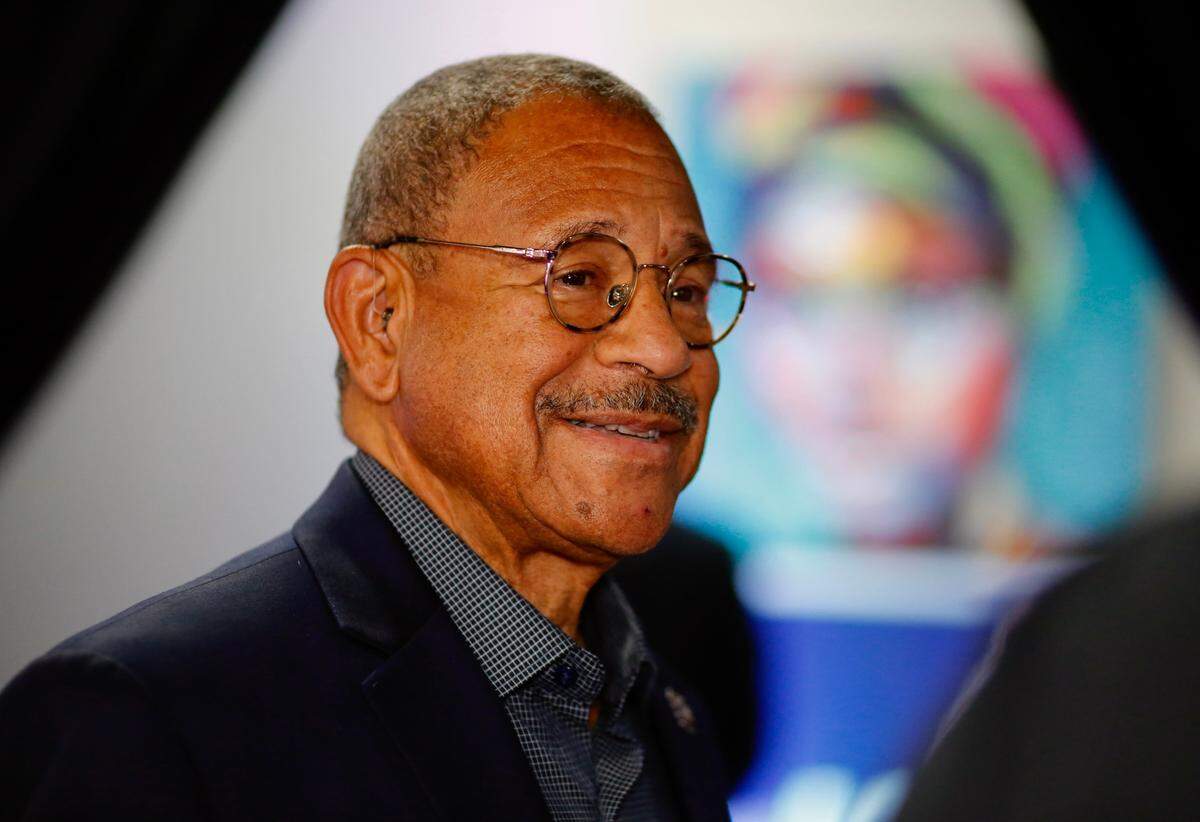
Georgia has 124 delegates and nine alternates set to travel to Chicago in August. They are an eclectic group that range in age, race, sexual orientation, profession and region. The Democratic Committee of Georgia was hesitant to allow the full list of delegates to be published, so below are a few of the more well-known figures.

While most of the DNC delegates are private citizens ranging in professions from student, to professor to CEO to lawyer to doula, there are a few members that may seem familiar to Georgians.
Sanford Bishop - U.S. representative for Georgia’s 2nd congressional district since 1993
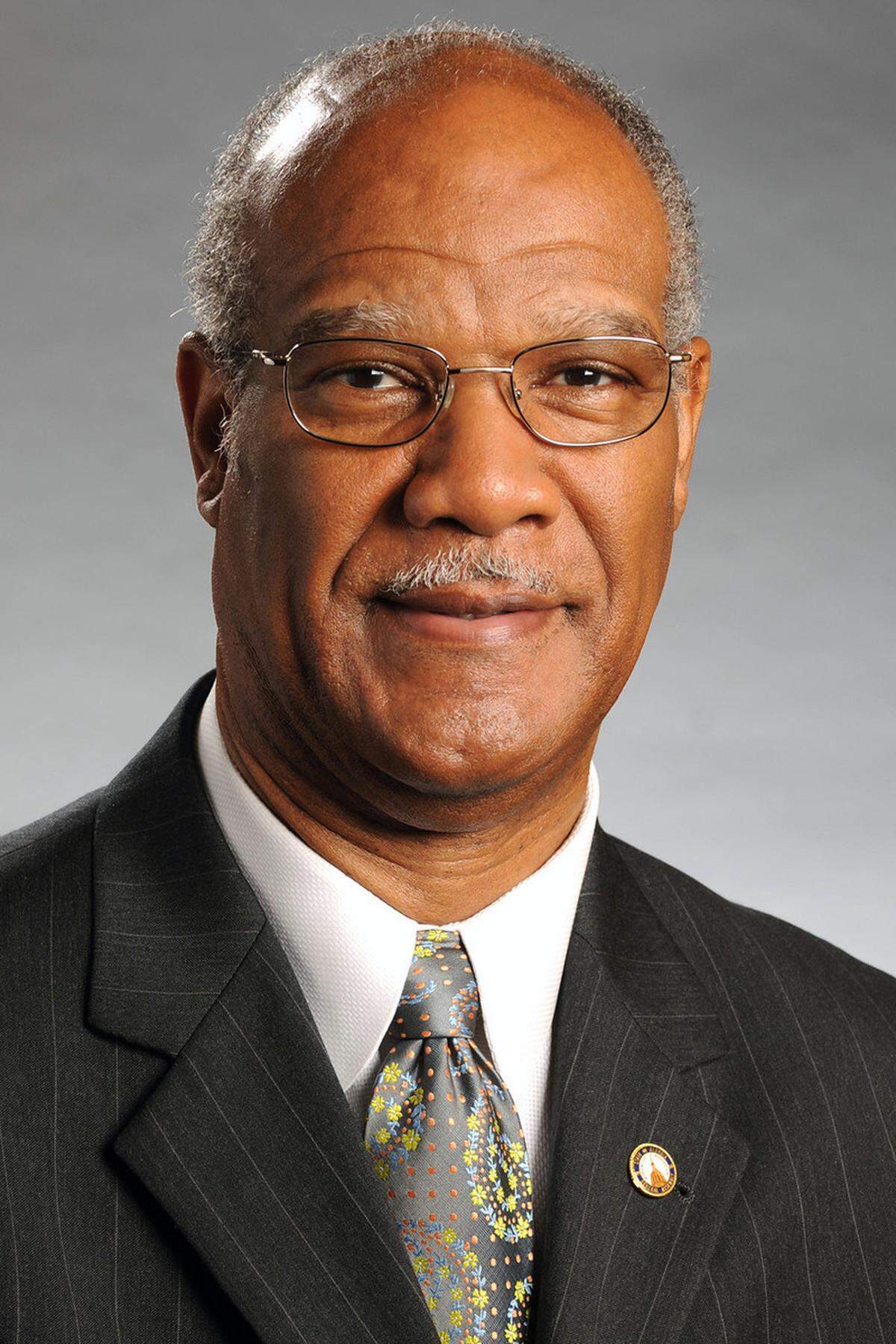
Calvin Smyre - Member of the President’s Intelligence Advisory Board; United Nations Representative; former Georgia State Representative.
Vivian Creighton-Bishop - former clerk of the Municipal Court of Columbus; chair of the Muscogee County Democratic Committee.
Jon Ossof - US Senator for Georgia
Raphael Warnok - US Senator for Georgia
Keisha Lance-Bottoms - former mayor of Atlanta; former director of the Office of Public Engagement and Senior Advisor to the White House
Jimmy Carter - former US President of the United States
Nikema Williams - U.S. Representative for Georgia’s 5th Congressional District
Although Vice President Harris is the presumptive nominee, considering the amount of support she’s received from party leaders, there is still room for other candidates to emerge.
This is an unprecedented moment in America’s political history, so it’s advised to stay close to the Columbus Ledger-Enquirer to keep up with the daily changes.
Feel free to sound off in the comments, email me or find me on Instagram.