
124-year-old Columbus depot restored in $5 million multiuse project. See inside
A Columbus real estate developer has completed a project to revive a 124-year-old piece of Columbus history.
Built in 1901, the Union Depot at 1200 Sixth Ave. was a multiuse railroad station. It was leased by former railroad giants Central Railroad of Georgia, Seaboard Airline Railroad and the Southern Railroad Company, according to the Columbus State University archives.
Trains arriving and departing the station transported people and cargo until it was discontinued in 1969. The former station has been used to house headquarters for organizations such as TSYS and the Greater Columbus Chamber of Commerce.
Now, Ken Henson has brought it back to life.
Henson spearheaded a project that turned the former Columbus train depot into a multipurpose building. The renovation, now called Union Station, houses 16 rentable offices, 15 apartment units and one event space.
Why does Ken Henson restore old buildings?
Henson bought the former depot under the holding company Union Station LLC in 2023 for $1.1 million, according to the city’s property records. It cost about $5 million for the entire project, he said. And he told the Ledger-Enquirer he was discouraged multiple times from doing this project.
“I came over, and I tried to get anybody to buy it,” Henson said. “People were saying, ‘Don’t put all this into this thing.’ Others said to [turn it into] a school or an old folks home. I just didn’t think those were good uses.”
This is Henson’s 10th renovation of a historic property. He also has restored the former Coca-Cola bottling plant and the City Mills hotel in Columbus. He said other developers should be more willing to take on such projects. It’s not as hard as it seems, he said.
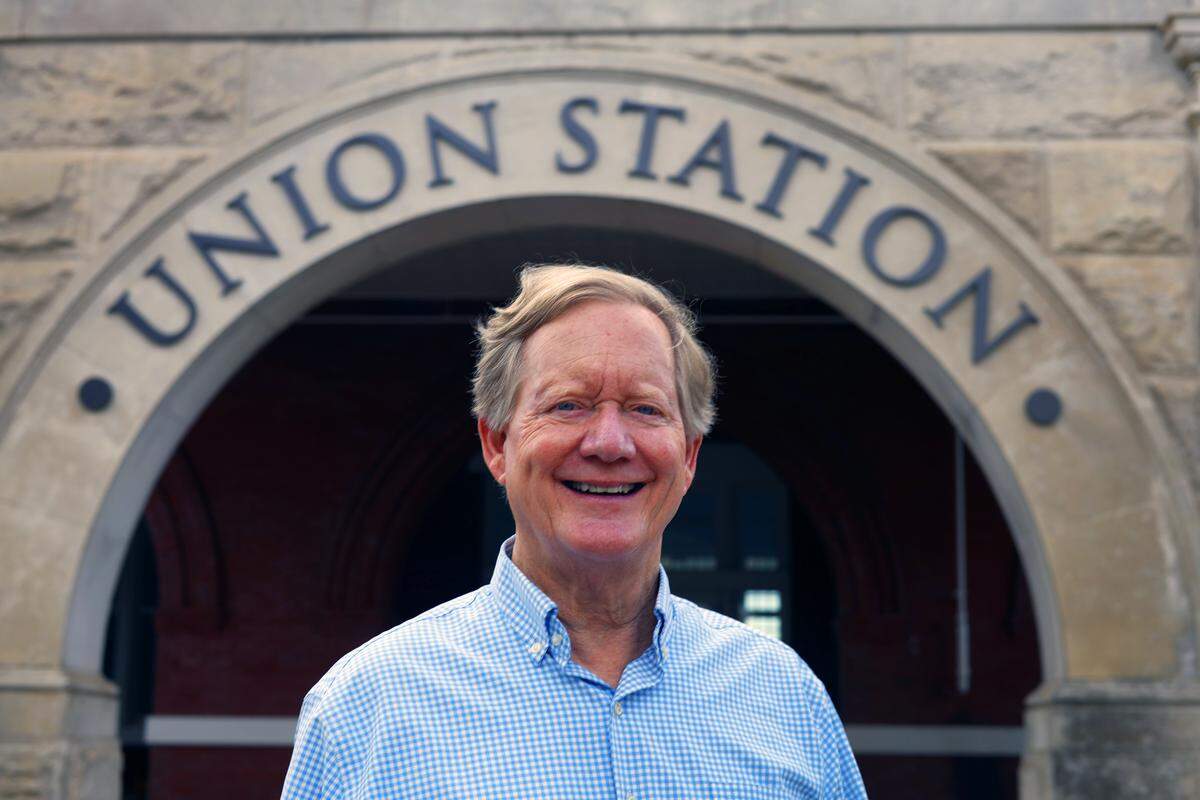
“You can just fill out the forms and show the National Park Service in Georgia what you propose to do, and typically, they approve it,” Henson said. “In the end, they try to do the same thing you are, which is to preserve the historical look and feel of the building. And that’s what is important from an economic standpoint and to get people renting the space. If we were to come in and gut everything and put modern glass windows on here, it wouldn’t have the same look. It wouldn’t have the same feel.”
Henson said this project feels like he is continuing the half-century work of reviving downtown Columbus.
“You can go back to when Harry Kamensky started the renovation project on First Avenue and the Springer and the Iron Works and what was the Hilton, which is now the Marriott,” Henson said. “All that is what’s making all this possible. … You couldn’t do this if all that hadn’t happened. So, really, it’s important that other people sort of continue what those people started 50 years ago.”
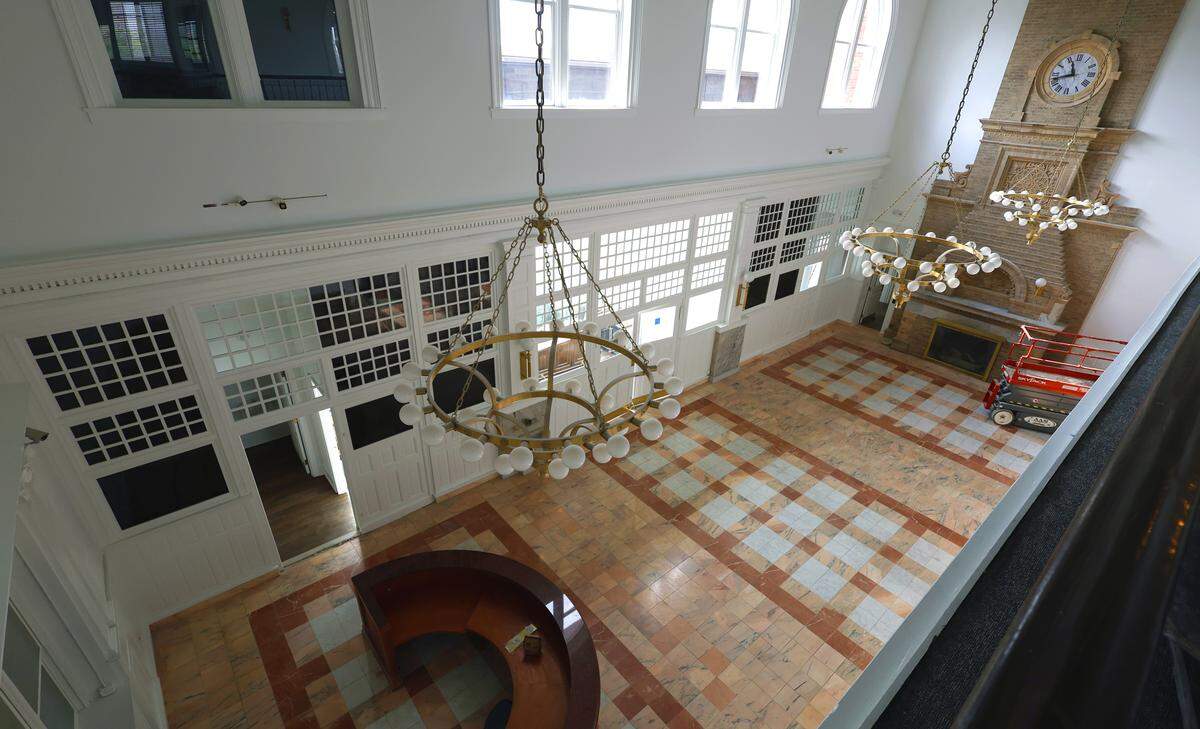
And he finds this work a joy.
“Some people want to play with a golf club,” said Henson, who also is a lawyer. “I don’t play golf. I think I’d go nuts. I’m really lucky that I can do this and have fun.”
How to rent space in Union Station
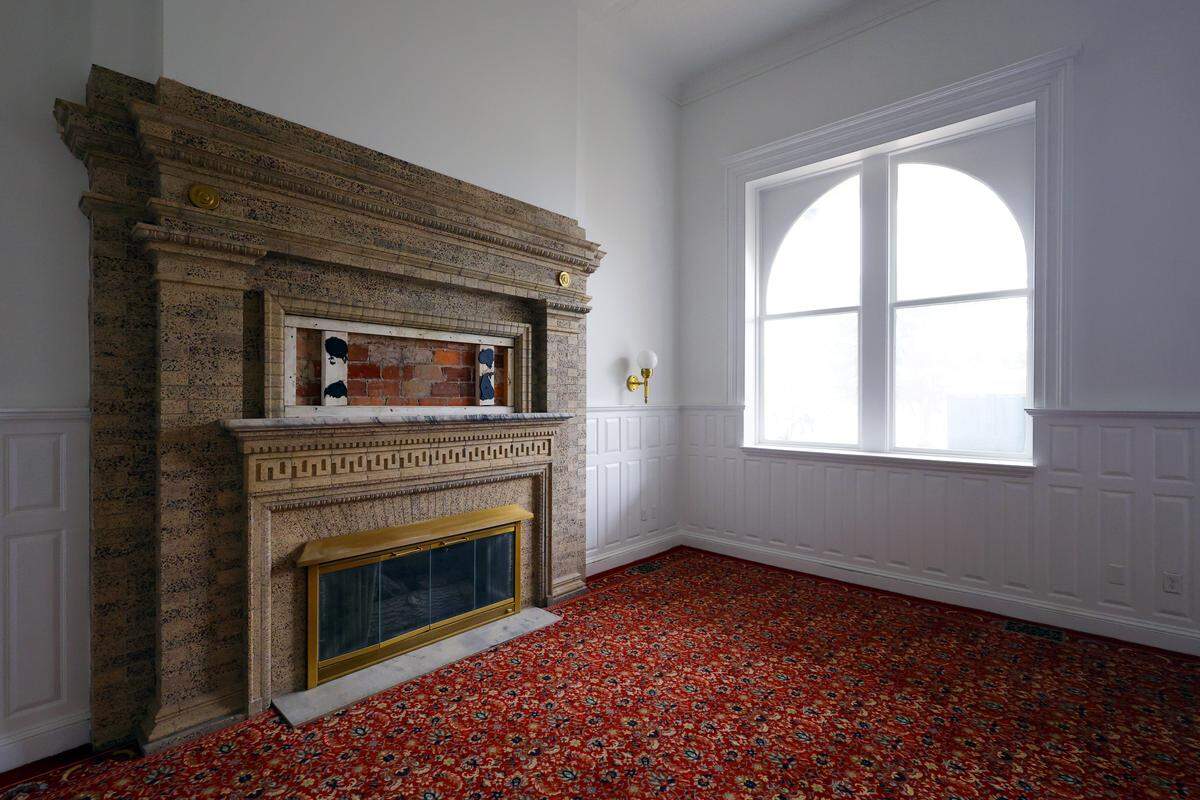
The renovated Union Station blends modern fixtures with the original quirks of the former train depot, high ceilings, natural light and exposed brick walls. Henson said figuring out what to keep and what to upgrade was the most challenging part of putting this together.
“You really want to keep the outside looking the way it did historically,” he said, “and then inside, you want to take advantage of those features that are unique and different.”
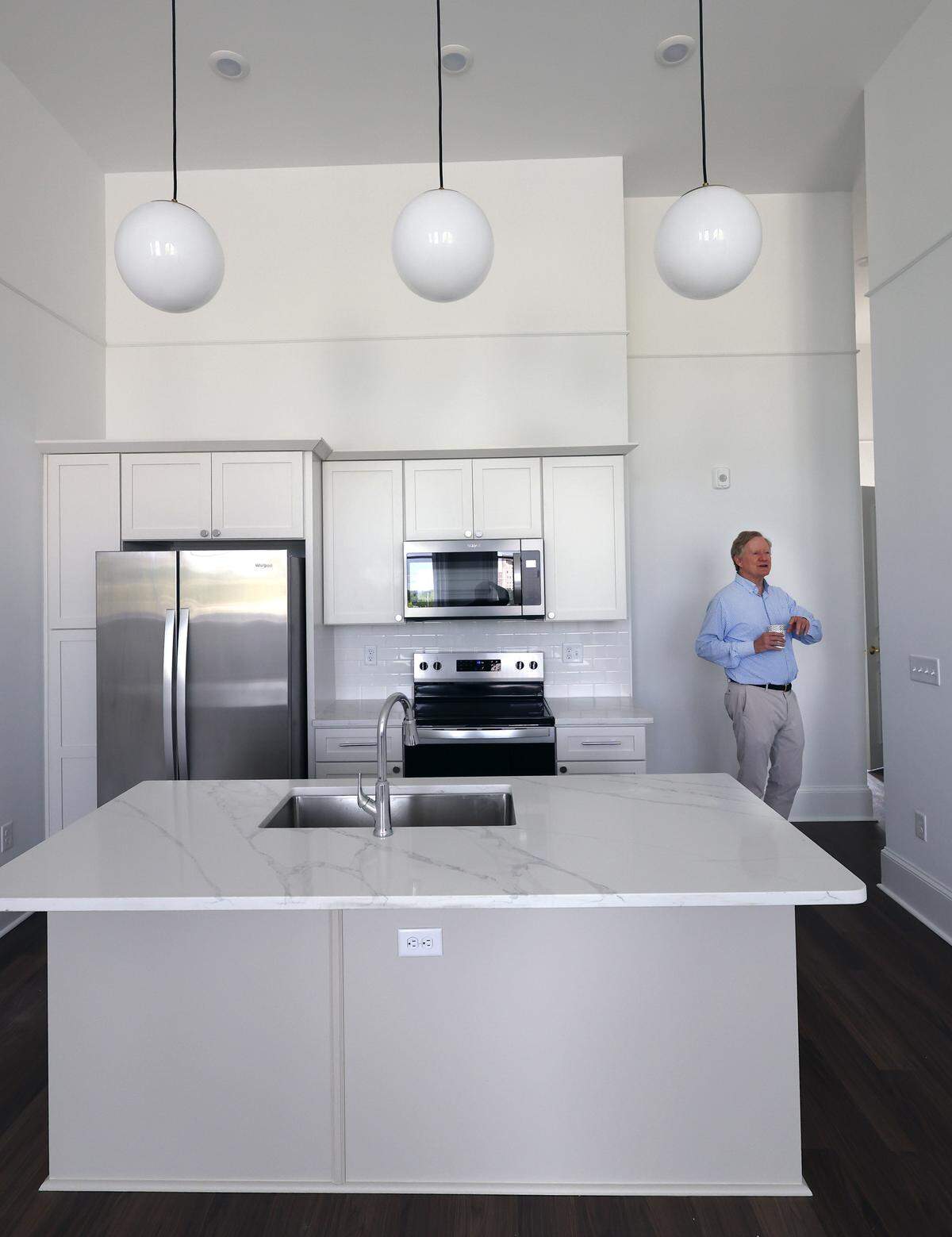
No two units in Union Station look the same. That’s by design.
“I was over here one day, and I was asking the sheet rocker how it was going,” Henson said. “He said, ‘This is the worst job I’ve ever been on. Everything is different.’ Nothing is uniform.”
Apartments in Union Station rent for $1,000 to $1,700 per month, utilities not included. Fourteen of the units have one bedroom and are 700-1,000 square feet. Only one is a two-bedroom apartment. It is 1,200 square feet. Prospective tenants can inquire about units through RAM Partners’ website.
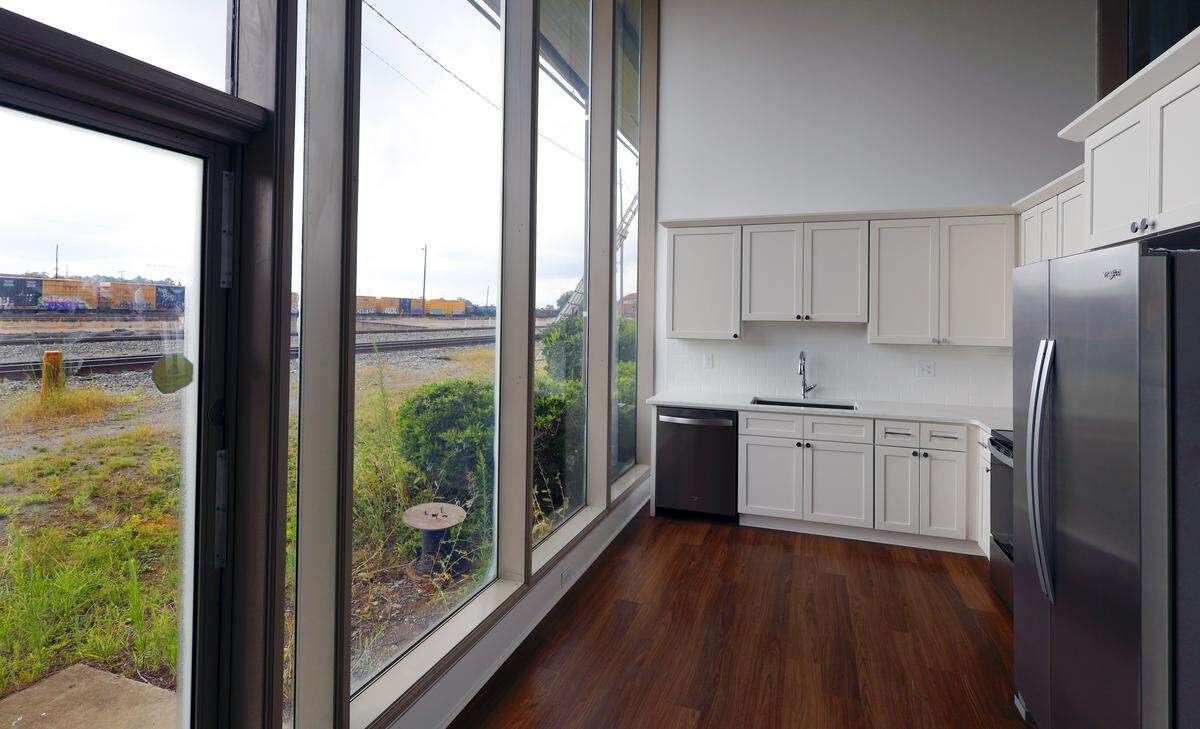
The office spaces in Union Station rent for $400 to $1,000 per month. They range from 68 square feet to 432 square feet. Plans for the event space still are in development, Henson said. He hopes community organizations will host a variety of events like guest lectures and mahjong game nights.
Union Station runs on solar power. Henson said the decision to use solar power was financial and environmental.
“The solar power will hopefully provide power for the HVAC and lights for the big common area, all the offices, and the event space,” he said. “With the tax credits, it really helps. Why not? Economically, it works.”
Henson said the community’s interest in renting this space has given him relief.
“It just reaffirms that this was a good idea,” he said.